Saint Vincent and the Grenadines sits at a crossroads of Caribbean history, where colonial languages, African heritage and local innovation shaped how people speak today. On islands this size, language shifts happen in households, markets and music, giving a small country a surprisingly rich linguistic mix.
There are 6 Languages Spoken in Saint Vincent and the Grenadines, ranging from Antillean Creole (French Creole) to Vincentian Creole; each entry is organized with Status,Estimated speakers,Where spoken, and you’ll find below.
Which language should I use when visiting Saint Vincent and the Grenadines?
Use English for official matters, hotels and most tourist interactions—it’s the country’s official language. In everyday settings you’ll often hear Vincentian Creole; using a few Creole greetings or showing willingness to listen goes a long way with locals. Antillean Creole appears in some communities, but English will cover almost all practical needs.
Are Vincentian Creole and Antillean Creole mutually intelligible?
They share Caribbean creole features but different colonial influences—Vincentian Creole is English-based, Antillean Creole is French-based—so full mutual intelligibility is limited. Speakers familiar with Caribbean creoles or who spend time around both communities will pick up patterns and understand much of the everyday speech.
Languages Spoken in Saint Vincent and the Grenadines
| Language | Status | Estimated speakers | Where spoken |
|---|---|---|---|
| English | official | 110,000 | Nationwide; government, schools, media |
| Vincentian Creole | national creole | 90,000 | Nationwide; informal, homes, markets |
| Haitian Creole | immigrant | 2,000 | Urban centers, farms, migrant communities |
| Spanish | immigrant | 1,500 | Ports, urban areas, migrant communities |
| Antillean Creole (French Creole) | immigrant/neighboring creole | 1,000 | Grenadines, northern islands, visitor communities |
| Chinese (Cantonese/Mandarin) | immigrant | 500 | Market towns, small businesses, merchant families |
Images and Descriptions

English
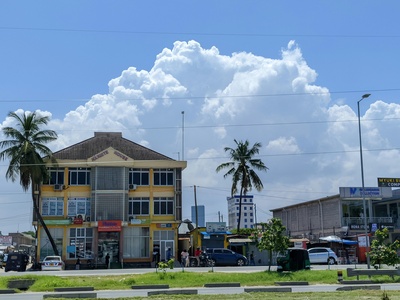
Official language of Saint Vincent and the Grenadines used in government, education, media and formal settings. Originates from British colonial rule; widely taught and used as the written and administrative lingua franca across the islands.
Vincentian Creole
English-based Creole spoken daily by the majority in informal contexts. Developed from English contact with West African languages during colonial labor history; shows island and generational variation and is a strong marker of local identity.

Haitian Creole
French-based Creole spoken by Haitian migrants and seasonal workers in Saint Vincent. Originating in Haiti from French and West African languages, it appears in migrant communities, workplaces, and social networks; numbers fluctuate with migration.

Spanish
Spanish is spoken by recent migrants (including Venezuelans) and some business or tourism workers. Not a majority native language but growing due to regional migration; used in community, trade, and cross-border communication.
Antillean Creole (French Creole)
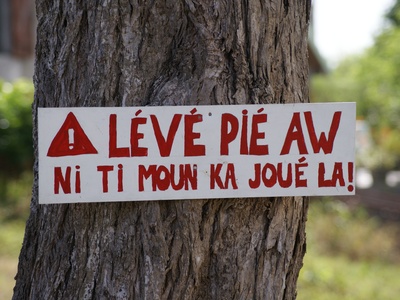
French-based Antillean Creole is used by migrants and visitors from Martinique, Guadeloupe, and Dominica. Related to regional creoles, it has limited but noticeable community use in certain islands and among cross-island workers.

Chinese (Cantonese/Mandarin)
Small Chinese-speaking community uses Cantonese historically and Mandarin among newer arrivals. Found in commerce and family networks; represents a long-standing merchant presence though numbers remain modest.