The 1998–2000 Eritrea–Ethiopia war reshaped the Horn of Africa, leaving border towns scarred by fighting and mines and altering how locals assess safety. For travelers, aid workers, and families with relatives in the diaspora, urban safety in Eritrea matters because danger can come from sudden clashes, leftover landmines, restrictive governance, and simple service shortfalls that turn routine problems into life‑threatening ones. Multiple overlapping risk factors—recent skirmishes, mine contamination, political repression, smuggling corridors, and weak health and transport infrastructure—mean that a town’s everyday hazards are often compounded. This article examines eight urban centers where those factors combine to produce elevated risk, and explains concrete examples, data pointers, and practical takeaways. The piece is organized into grouped causes (border/conflict, urban governance/crime, and environmental/infrastructure hazards) and lists each city with specific incidents, recommended precautions, and sources to consult; readers should check official travel advisories and humanitarian reports (UNHCR, ICRC, WHO) before traveling.
Conflict and Border Tensions
Frontier towns carry legacies that still shape daily risk. The 1998–2000 conflict between Eritrea and Ethiopia left estimates of tens of thousands of casualties and extensive damage to border infrastructure, and it planted minefields that remain hazards in rural and peri-urban areas. Periodic skirmishes—such as the reported 2016 clashes around Tsorona—remind observers that tense borders can flare up quickly and unpredictably.
Common hazards in these zones include sudden shelling or small‑arms exchanges, heavy militarization with frequent checkpoints, and unexploded ordnance in areas where clearance is incomplete. Those factors increase the risk for civilians, delay humanitarian convoys, and complicate evacuation plans. Organizations such as the ICRC and UNHCR have documented displacement and mine risks in border provinces, and their country updates are useful for situational awareness.
1. Tsorona — Border Clashes and Military Risk
Tsorona sits very near the Ethiopian frontier and has been the site of repeated military incidents, making it one of the most visibly militarized towns in the region. In 2016, reports described renewed skirmishing around the area that produced casualties and temporary closures of key roads, disrupting civilian movement and trade.
Beyond direct fighting, Tsorona’s surroundings contain landmine and unexploded ordnance contamination in places, which keeps farmers and shepherds at risk long after active hostilities stop. NGOs and regional press have documented sudden checkpoints and periodic displacement of families when tensions rise, so humanitarian access is often constrained during spikes of violence.
2. Teseney (Tessenei) — Proximity to Sudan and Cross‑border Instability
Teseney is a western transit town close to the Sudanese border and frequently sees flows of people and goods when instability or economic stress hits Sudan. Those movements bring humanitarian pressure and can create opportunities for smuggling networks and opportunistic crime around transit points.
When large numbers of refugees or internally displaced people arrive, local services can quickly become overwhelmed, increasing tensions and creating conditions for market disruption or localized lawlessness. UNHCR regional figures and field notes on Sudan‑to‑Eritrea crossings are useful references for tracking episodic surges that affect Teseney’s security environment.
Urban Crime, Governance, and Human Rights
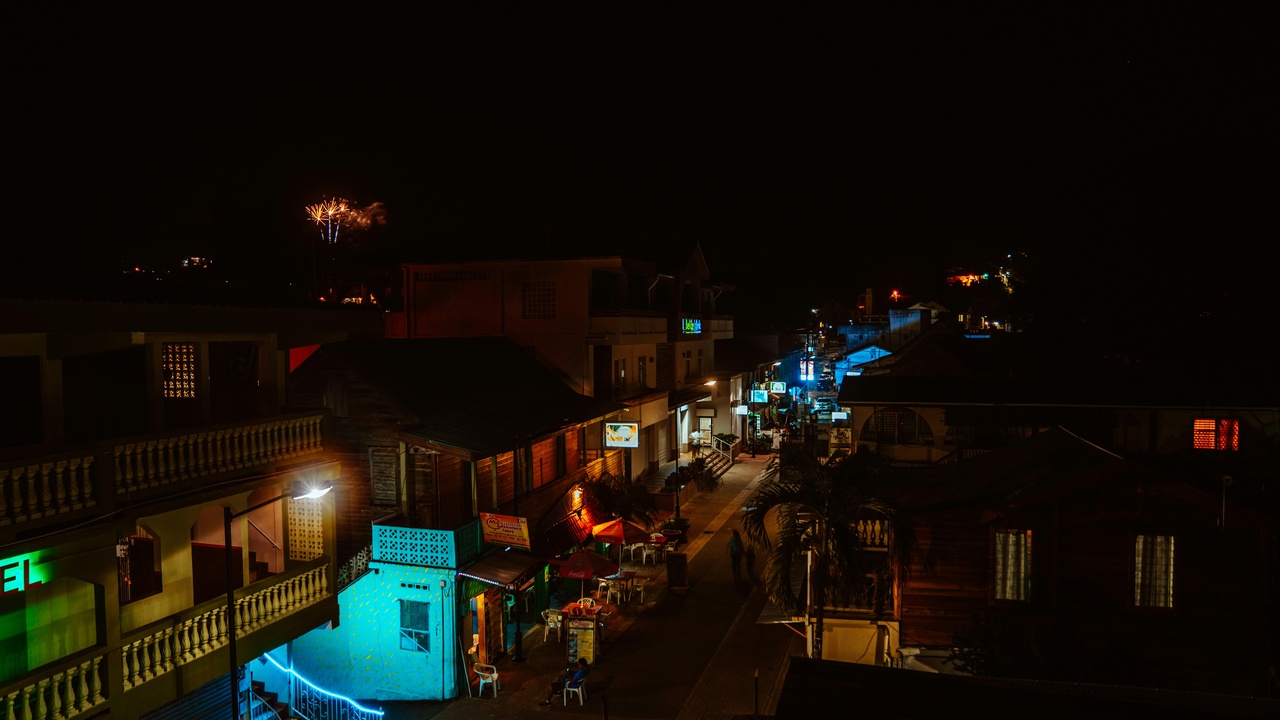
Cities concentrate state institutions, economic activity, and social tension—and in Eritrea, governance practices and limited legal protections shape what safety looks like on the ground. Human Rights Watch and Amnesty International have published major reports during the 2010s documenting widespread restrictions on civic freedoms, and UN statements over the past decade have repeatedly highlighted arbitrary detention and limited due process.
Those governance factors translate into tangible risks: sudden checkpoints, abrupt detentions, and a sense among citizens that reporting crime brings little remedy. Economic scarcity—compounded by sanctions, limited formal employment, and active smuggling corridors—can drive petty theft, coercive extortion, and opportunistic violence in port and trading towns.
For visitors and humanitarian staff, the result is a mixed picture: some urban areas are relatively calm day‑to‑day, yet the potential for arbitrary enforcement actions or localized spikes in crime means planning and local contacts are essential.
3. Asmara — Political Repression and Arbitrary Detention
Asmara is Eritrea’s capital and often appears more orderly than frontier towns, but it concentrates the institutions that enforce national security policy, which creates specific hazards. Reports from organizations such as Human Rights Watch and Amnesty International (notably in the 2010s) document patterns of arbitrary detention and lengthy national service obligations that affect civilians’ movements and livelihoods.
On the ground, this can look like frequent security checkpoints, administrative summons, and rapid detention without transparent legal recourse. For residents and visitors, simple precautions reduce risk: avoid political gatherings, carry valid identification, and ensure that mission staff travel with up‑to‑date permits and local contacts. Registration with embassy or agency channels (where available) helps if an incident occurs.
4. Keren — Ethnic Tensions and Local Disputes
Keren is a regionally important market town with notable ethnic diversity, and that mix can inflame old grievances when resources are scarce. Localized disputes—over land, water, or trade—have flared into communal clashes reported by regional outlets, producing temporary market closures and restrictions on movement.
The danger in Keren is often episodic and local rather than sustained urban warfare, but it affects livelihoods and travel: buses may be canceled, checkpoints erected, and petty crime can spike during tense periods. Aid teams should map out alternative routes and coordinate with community leaders to reduce exposure to sudden unrest.
5. Massawa — Port‑Related Crime and Smuggling
Massawa is a historic Red Sea port and a hub for maritime trade, which also makes it attractive to smuggling networks operating along regional routes. Ports can host informal economies where theft, cargo diversion, and confrontations over contraband occur—particularly in peripheral areas with limited policing at night.
Maritime security reports and field notes from port workers and NGOs describe how cargo and passenger flow irregularities can create flashpoints. For people working near docks or traveling through Massawa, practical steps include avoiding poorly lit waterfront areas after dark, securing valuables, and using vetted logistics operators for shipments.
Environmental Hazards, Infrastructure, and Isolation
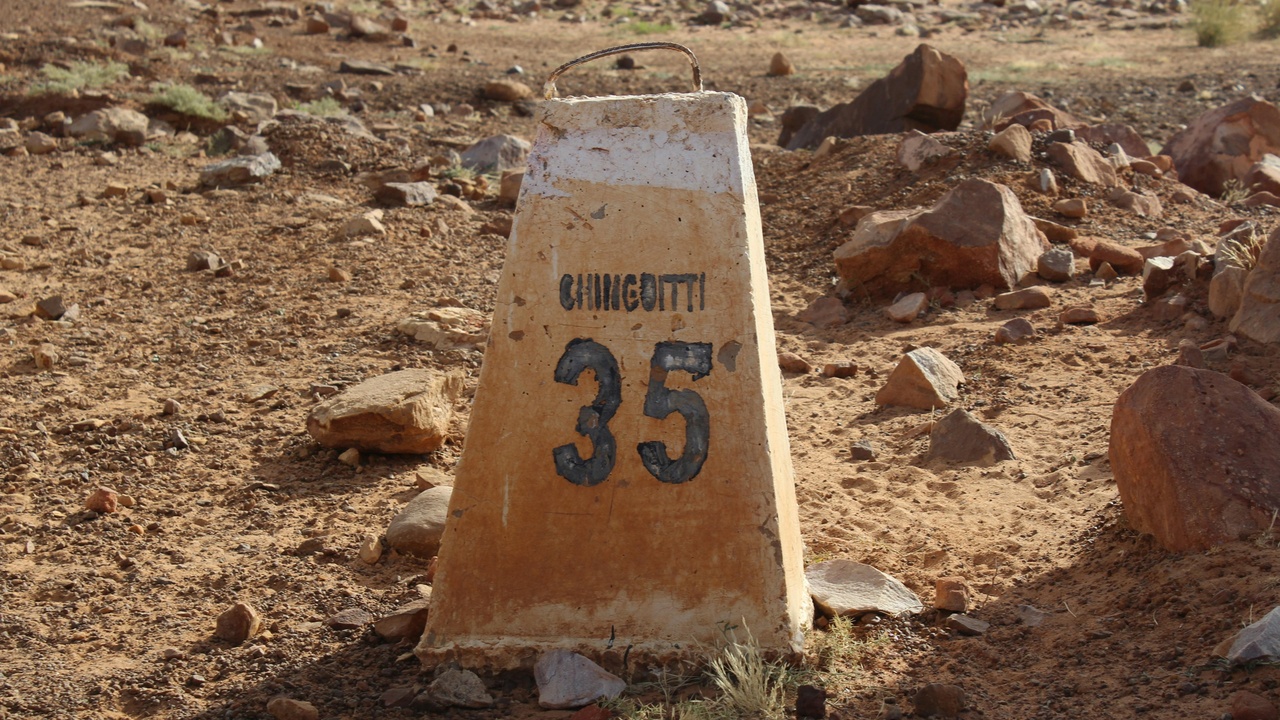
Poor infrastructure, landmine contamination, limited health services, and seasonal weather extremes create non‑combat dangers that can be just as lethal. Mines and unexploded ordnance remain a concern in parts of the country, hampering agriculture and prompting long detours for drivers. Meanwhile, sparse clinic coverage and long transport times to hospitals mean that routine injuries or obstetric emergencies can become fatal.
Seasonal hazards—heavy rains that wash out roads or droughts that strain water supplies—also raise risks by isolating communities and damaging basic services. The ICRC and WHO publish regular notes on mine‑clearance and health access; those sources, plus national meteorological bulletins, are useful for operational planning and risk assessment.
6. Assab — Strategic Port, Scarcity, and Vulnerability
Assab, a southern port on the Red Sea, is strategically important but periodically experiences supply disruptions and service scarcity. Competition for limited services and fuel shortages can heighten social tension, and when port operations slow—whether for economic or security reasons—local livelihoods suffer and crime can rise.
For aid logisticians, Assab’s vulnerability means contingency planning is essential: stock buffer supplies, verify fuel availability before dispatch, and expect occasional closures that require rerouting. NGO field reports have noted episodic interruptions to commercial traffic that affect humanitarian timelines.
7. Barentu — Landmines and Remote Healthcare Access
Barentu, in the Gash‑Barka region, combines agricultural livelihoods with legacy mine risk in adjoining fields and tracks. Demining programs (documented by the ICRC and national mine‑action agencies) have progressed, but pockets of contamination still force farmers to avoid land and increase accidental exposure to unexploded ordnance.
Medical evacuation times from Barentu to higher‑level hospitals are long, and seasonal road degradation makes timely trauma care unreliable. That means injuries from accidents or violent incidents can have worse outcomes than in better‑served areas. Teams operating in Gash‑Barka should coordinate medevac plans and use local demining briefings before sending staff into rural zones.
8. Dekemhare — Poor Infrastructure and Seasonal Flooding
Dekemhare sits in a highland zone where heavy rains can produce flash flooding and wash out roads and bridges. Infrastructure gaps—limited drainage, aging water systems, and fragile rural feeder roads—mean that a seasonal storm can quickly isolate villages and interrupt water and sanitation services.
Travelers and field teams should check road conditions after weather events, carry emergency supplies, and avoid low‑lying crossing points during rain. Local NGO and meteorological reports provide the best short‑term guidance on when routes are unsafe.
Summary
Border towns and high‑risk urban centers in Eritrea reflect overlapping dangers: legacy conflict and mines, governance practices that can produce arbitrary enforcement, and infrastructure shortfalls that transform ordinary incidents into emergencies. The most persistent findings are predictable: frontier areas remain vulnerable to sudden clashes and unexploded ordnance; capital and port cities concentrate governance‑related risks and smuggling‑driven crime; and remote towns suffer when roads, clinics, and communications fail.
Before travel or field deployment, consult up‑to‑date guidance from UN agencies and humanitarian organizations (for example, UNHCR, ICRC, WHO), prioritize contingency planning for medevac and supply interruptions, and support long‑term efforts such as mine clearance and improved health access.
- Border and legacy‑war hazards (mines, sudden skirmishes) are enduring threats in frontier towns.
- Governance and human‑rights conditions shape everyday safety in urban centers—avoid political gatherings and maintain local registration where required.
- Poor infrastructure and isolation turn routine incidents into emergencies—verify routes, medevac options, and water/food supplies before travel.
- Check authoritative sources frequently (UNHCR, ICRC, WHO) and coordinate with local partners for the most current security and humanitarian information.