
8 Disadvantages of Studying in Japan
When Japan opened to foreign students in the late 19th century (around the 1870s), it quickly became a hub for technical training and cultural exchange. The country still attracts talent for its rigorous programs and global brand, but the on-the-ground experience isn’t the same for everyone.
Prospective students and advisors should care about the less-advertised costs and constraints because they shape daily life, academic progress, and long-term plans. Living costs in Tokyo, visa work rules, classroom expectations, and social norms all stack together in ways that can surprise newcomers.
This article lays out eight clear drawbacks—grouped into Financial & Work, Academic & Language, Social & Cultural, and Practical & Health—so you can judge the trade-offs and prepare before you commit. I’ll include concrete figures (tuition ranges, typical rent, work-hour caps) and practical examples to help you plan.
Financial and Work Challenges

Money and visa rules often determine whether studying in Japan feels manageable or overwhelming. Tuition varies widely by institution, rents in major cities are high, and student visas limit the hours you can work. Scholarships exist, but they’re unevenly distributed and competitive, so many students rely on savings, family support, or part-time earnings within strict legal limits.
1. High cost of living and tuition
High living and education costs are a top financial drawback for many international students. For example, tuition at national universities is roughly ¥535,800 per year, while private universities commonly charge between ¥700,000 and ¥1,200,000 annually.
Rent in Tokyo for a single small apartment typically runs ¥80,000–¥120,000 per month, and basic monthly student budgets (rent, food, transport) often exceed ¥120,000–¥150,000. Regional cities will be cheaper, but they may lack certain programs or job opportunities.
Those figures change real choices: students may take smaller rooms, longer commutes, or heavier work schedules, which cuts into study time. Private tuition plus living costs can push some into debt or force them to limit extracurriculars and networking that matter for careers.
2. Limited part-time work and visa restrictions
Student visas limit how much paid work you can do, so part-time income can’t fully offset high expenses. The standard cap is about 28 hours per week during term time, with allowances rising (often to around 40 hours) during long vacations if you get formal permission.
Working beyond “permission to engage in activities outside the status of residence” (shikakugai katsudo) risks fines and visa revocation. That pushes many students to rely on savings or scholarships and makes long-term internships or full-time co-op arrangements harder to obtain.
Academic and Language Barriers
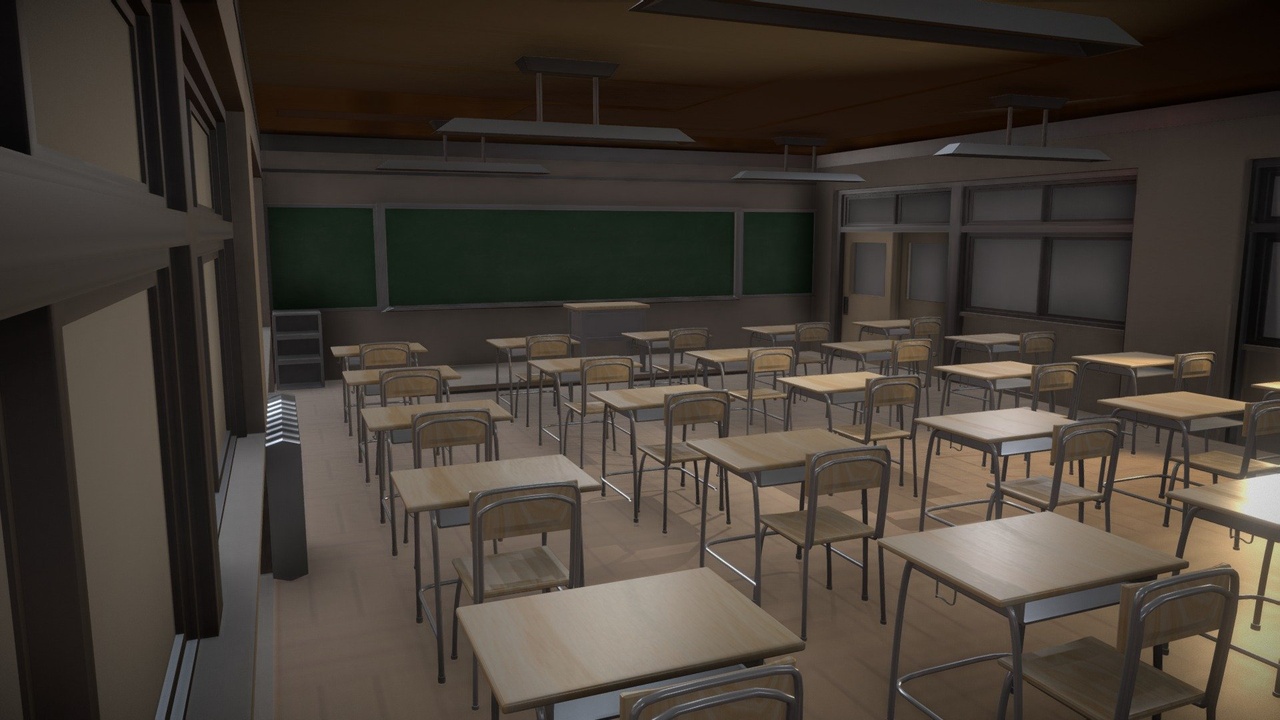
Among the disadvantages of studying in japan, language demands and unfamiliar academic systems are often top concerns. Programs vary from fully Japanese-medium to international tracks taught in English, so course choice and outcomes depend on the language mix at your university.
Many competitive jobs and in-country opportunities expect JLPT N2 or N1 proficiency for non-Japanese speakers, and reading dense academic Japanese is time-consuming. That affects how many classes you can take, how quickly you can research, and whether you’ll comfortably navigate administrative tasks.
3. Language barrier in classes and daily life
Japanese fluency is often required for coursework, lab meetings, and administrative processes. Employers and some graduate programs commonly list JLPT N2 as a baseline, and N1 for highly specialized roles.
Daily tasks—bank forms, insurance paperwork, hospital intake—can be written in formal Japanese. Students lacking fluency may rely on bilingual classmates, hire tutors, or pay for translators, which raises costs and slows their pace of study.
4. Different teaching styles and assessment methods
Japanese classrooms often emphasize lecture formats, memorization, and high-stakes final exams, rather than continuous assessment or seminar-style discussion. Professors may expect students to follow unspoken etiquette in class and office hours.
For someone used to weekly assignments and detailed written feedback, a course judged primarily on a single final exam can feel abrupt and risky. Group harmony and seniority dynamics also shape participation and feedback, which affects international students who are used to more direct critique.
Social and Cultural Adjustment
Cultural norms around conformity, indirect communication, and tight-knit social rituals can make it hard for newcomers to feel they belong. These social dynamics influence mental health, access to informal job leads, and the ease of daily life.
Japan had over 2.9 million foreign residents as of 2020 (Ministry of Internal Affairs and Communications), yet many international students still report feeling excluded from the informal networks that lead to internships and long-term employment.
5. Social isolation and cultural expectations
Group-oriented social rituals—like nomikai (after-work or after-class drinking parties)—matter a lot for bonding and informal decision-making. If you don’t get invited or can’t read subtle cues, you’ll miss chances to join research teams or clubs.
Indirect communication and expectations of deference can cause misunderstandings. A student who misses a nomikai might find their lab’s social cohesion intact while they stay on the periphery, which in turn narrows their academic and career opportunities.
6. Difficulty building local professional and social networks
Recruitment in Japan often happens in Japanese and through alumni or informal channels. The ‘shūkatsu’ hiring season and company events favor students who can navigate Japanese conversation and long-standing networks.
Many major firms conduct entry interviews and selection activities in Japanese, and alumni gatherings usually rely on casual Japanese conversation. International students sometimes must apply through separate international-hire tracks that offer fewer openings.
Practical, Health, and Housing Issues
Day-to-day life brings practical constraints: compact apartments, long commutes, and language barriers in healthcare. While Japan’s infrastructure is strong, paperwork and cultural attitudes—especially around mental health—can create real barriers to wellbeing and steady academic progress.
National Health Insurance covers most medical care but typically requires a 30% co-pay (Ministry of Health, Labour and Welfare). Still, finding English-speaking clinicians or accessible counseling at smaller campuses can be difficult.
7. Housing constraints and long commutes
To afford tuition and rent, many students accept compact apartments and lengthy commutes. In Tokyo, commutes of 30–90 minutes one way are common for affordable housing, and typical studio sizes often fall under 20–25 square meters.
Long daily travel eats into study and sleep time and reduces chances to join evening seminars or social events. Shared houses, company-leased accommodation, and guarantor or ‘key money’ customs (where applicable) can also surprise newcomers.
8. Healthcare access and mental health stigma
Japan has high-quality hospitals, but language barriers and cultural attitudes toward mental health can delay or deter care. International students may struggle to find English-speaking psychiatrists or counselors, especially outside Tokyo.
National Health Insurance lowers direct costs (commonly a 30% co-pay), but registration, referrals, and billing paperwork are in Japanese. Some universities offer counseling services, yet smaller campuses often have limited English capacity and short hours.
Summary
- Financial strains and visa work limits frequently define student choices: high tuition, Tokyo rents (¥80,000–¥120,000/month), and a typical work cap of about 28 hours/week mean you must plan funding carefully.
- Language and academic differences slow progress if unprepared: many employers expect JLPT N2 or higher, and Japanese-medium courses demand fast reading of formal texts and different assessment styles.
- Social norms and informal networks affect belonging and jobs: nomikai, alumni ties, and Japanese-language recruitment favor those who integrate into local practices.
- Practical constraints—small housing, long commutes, and limited English-language healthcare—can reduce wellbeing and interrupt studies unless anticipated and managed.
Next steps: apply early for scholarships, aim for JLPT N2 if you plan to work in Japan, research regional campuses if cost matters, and contact international offices and alumni for pre-arrival advice. Weigh these disadvantages against Japan’s academic strengths and prepare proactively so you get the upside without the avoidable surprises.