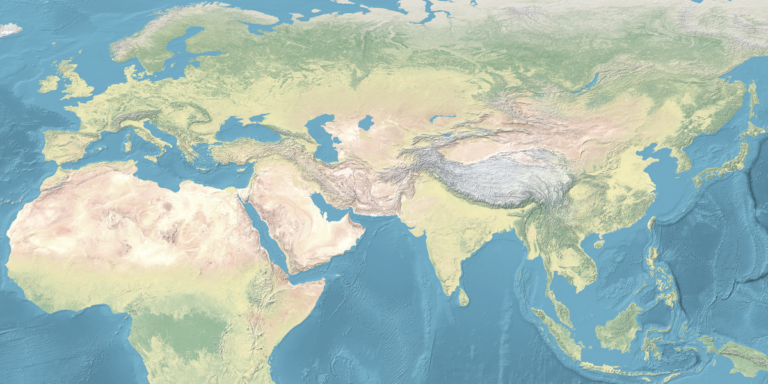
Eastern Europe sits at the crossroads of the continent, where languages, histories and landscapes blend from forests and plains to Black Sea shores. The region’s borders shift depending on historical and political views, but it remains a compact area with a rich mix of cultures and capitals worth exploring.
There are 10 Countries in Eastern Europe, ranging from Belarus to Ukraine. To make comparison easy, each entry lists Flag (emoji),Capital,Population (2023 est) — you’ll find those details below.
How did you decide which countries to include in this Eastern Europe list?
The list uses common geographic and institutional definitions (widely used maps, regional groupings and standard references) to pick countries typically classed as Eastern Europe, while noting that some neighbors fall into Central, Northern or Southeastern Europe depending on the source.
How current are the population numbers and where do they come from?
Population figures are 2023 estimates compiled from international and national statistics offices (UN, World Bank, national agencies); they’re best seen as rounded estimates and you can check individual country sources for the latest updates.
Countries in Eastern Europe
| Country | Flag (emoji) | Capital | Population (2023 est) |
|---|---|---|---|
| Belarus | 🇧🇾 | Minsk | 9,200,000 |
| Bulgaria | 🇧🇬 | Sofia | 6,800,000 |
| Czechia | 🇨🇿 | Prague | 10,500,000 |
| Hungary | 🇭🇺 | Budapest | 9,600,000 |
| Poland | 🇵🇱 | Warsaw | 37,700,000 |
| Moldova | 🇲🇩 | Chisinau | 2,600,000 |
| Romania | 🇷🇴 | Bucharest | 19,000,000 |
| Russia | 🇷🇺 | Moscow | 145,500,000 |
| Slovakia | 🇸🇰 | Bratislava | 5,400,000 |
| Ukraine | 🇺🇦 | Kyiv | 36,100,000 |
Images and Descriptions
Belarus
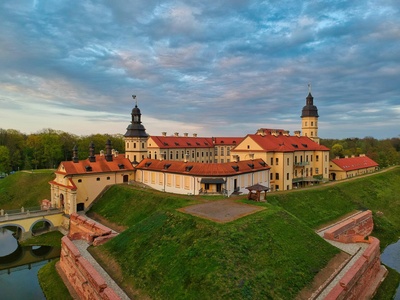
Belarus straddles the eastern edge of Europe between Poland and Russia. The UN geoscheme lists it in Eastern Europe. Known for Soviet-era architecture and large forests, it has historical and political links with Russia.
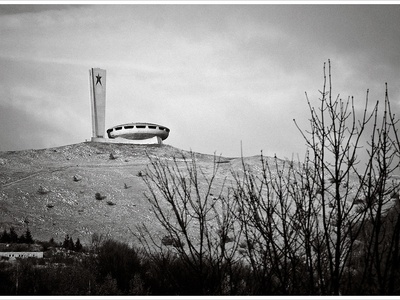
Bulgaria
Bulgaria lies on the Balkan Peninsula’s northeastern edge by the Black Sea; the UN geoscheme includes it in Eastern Europe. Rich in ancient ruins and diverse landscapes, Bulgaria blends Slavic and Mediterranean influences and is an EU member since 2007.
Czechia
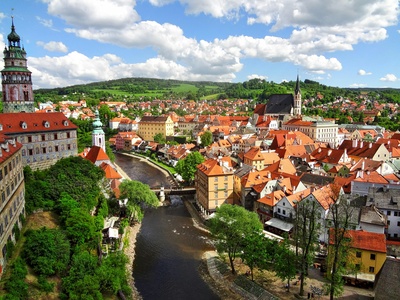
Czechia sits in central-eastern Europe and is classified by the UN geoscheme as part of Eastern Europe. Famous for Prague’s medieval architecture, it transitioned from Czechoslovakia to an independent democratic state and is a notable Central-European economy.
Hungary
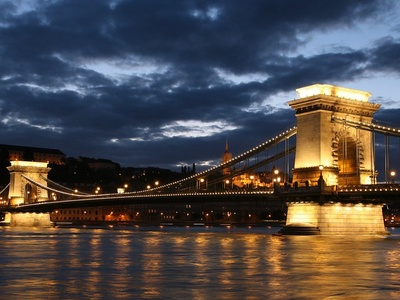
Hungary occupies the Carpathian Basin and is placed in Eastern Europe by the UN geoscheme. Budapest is renowned for its thermal baths and Danube vistas; Hungary’s Magyar language and history give it a distinct Central/Eastern European identity.
Poland
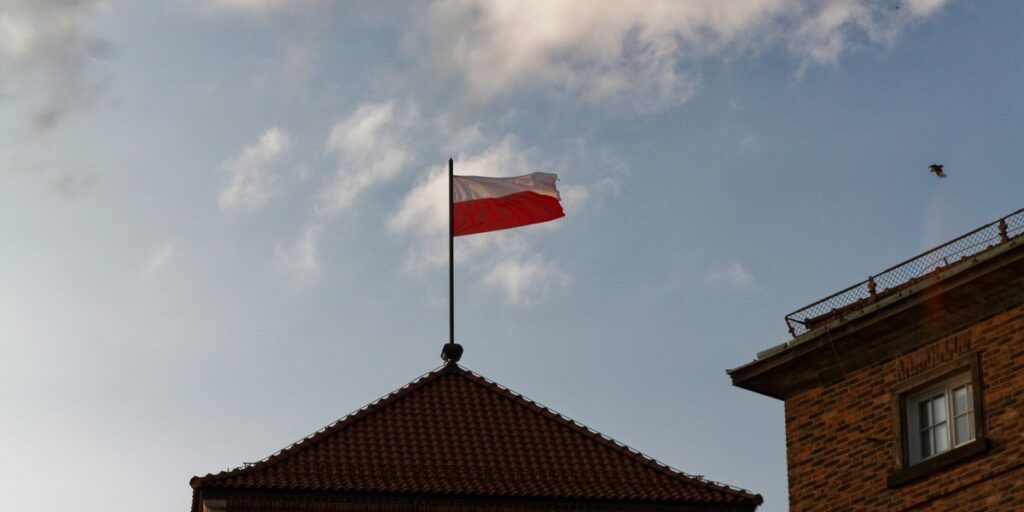
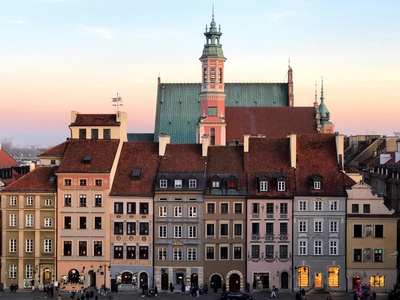
Poland lies between Germany and Belarus/Ukraine and is listed in Eastern Europe by the UN geoscheme. With a rich history from medieval kingdoms to modern EU member, Poland is a regional cultural and economic heavyweight in Eastern Europe.
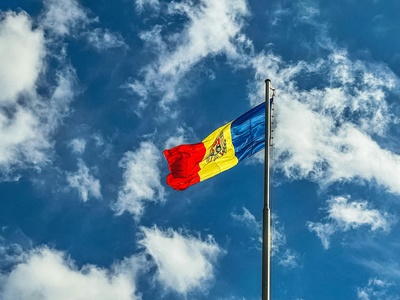
Moldova
Moldova is a small landlocked country between Romania and Ukraine; the UN geoscheme includes it in Eastern Europe. Known for extensive vineyards and a contested history with neighboring Romania, it maintains a distinct language and cultural traditions.
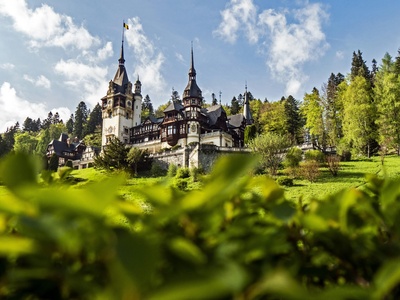
Romania
Romania sits on the Balkan and Carpathian crossroads and is included in the UN’s Eastern Europe category. Famous for Transylvania’s landscapes and medieval castles, Romania balances Eastern European traditions with EU membership and growing tech and industrial sectors.
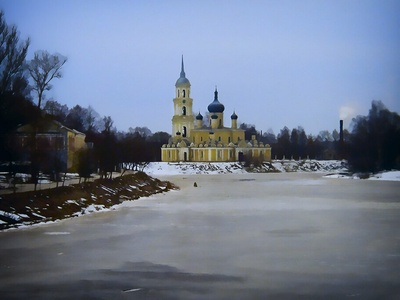
Russia
Russia spans Eastern Europe and northern Asia; the UN geoscheme counts the country within Eastern Europe for regional classification. As the largest country by area, its European part holds major cities like Moscow and deep historical influence in the region.
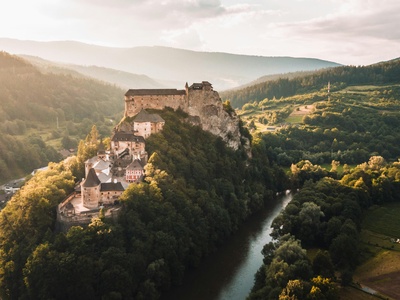
Slovakia
Slovakia in the Carpathian region is classified by the UN geoscheme as Eastern Europe. Bratislava lies near Austria and Hungary; Slovakia shares Central European cultural ties but is grouped in Eastern Europe for UN statistical purposes.
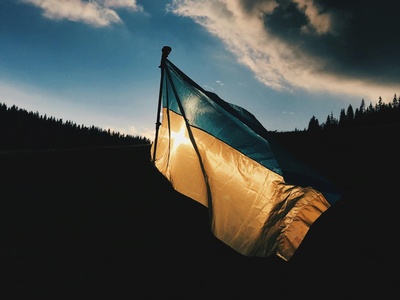
Ukraine
Ukraine stretches from Central to Eastern Europe and is listed by the UN geoscheme as Eastern Europe. Known for fertile plains, rich cultural heritage, and recent geopolitical significance, Ukraine’s position deeply influences European security and energy dynamics.