Africa’s map is a study in contrasts: sprawling deserts sit next to compact states, and long coastlines meet inland landscapes. Many of the smaller countries hold outsized cultural, political, or economic importance despite their limited land area.
There are 20 Smallest Countries in Africa by Area, ranging from Benin to Tunisia. For each country the list shows Flag,Area (km²),Capital so you can compare size and administrative centers at a glance — you’ll find below.
How is “smallest” determined for this list?
“Smallest” here refers to land area measured in square kilometers using commonly accepted national or UN figures; it ranks sovereign African countries by their total area (land and inland waters) rather than population or GDP.
Can the order change over time?
Yes — rankings can shift if official measurements are revised, borders change, or new data becomes available from censuses and geographic surveys, so periodic updates and reputable data sources are important for accuracy.
Smallest Countries in Africa by Area
| Country | Flag | Area (km²) | Capital |
|---|---|---|---|
| Seychelles | 🇸🇨 | 459 | Victoria |
| São Tomé and Príncipe | 🇸🇹 | 964 | São Tomé |
| Comoros | 🇰🇲 | 1,862 | Moroni |
| Mauritius | 🇲🇺 | 2,040 | Port Louis |
| Cabo Verde | 🇨🇻 | 4,033 | Praia |
| The Gambia | 🇬🇲 | 10,689 | Banjul |
| Eswatini | 🇸🇿 | 17,364 | Mbabane |
| Djibouti | 🇩🇯 | 23,200 | Djibouti |
| Rwanda | 🇷🇼 | 26,338 | Kigali |
| Burundi | 🇧🇮 | 27,834 | Gitega |
| Equatorial Guinea | 🇬🇶 | 28,051 | Malabo |
| Lesotho | 🇱🇸 | 30,355 | Maseru |
| Guinea-Bissau | 🇬🇼 | 36,125 | Bissau |
| Togo | 🇹🇬 | 56,785 | Lomé |
| Sierra Leone | 🇸🇱 | 71,740 | Freetown |
| Liberia | 🇱🇷 | 111,369 | Monrovia |
| Benin | 🇧🇯 | 114,763 | Porto-Novo |
| Eritrea | 🇪🇷 | 117,600 | Asmara |
| Malawi | 🇲🇼 | 118,484 | Lilongwe |
| Tunisia | 🇹🇳 | 163,610 | Tunis |
Images and Descriptions
Seychelles
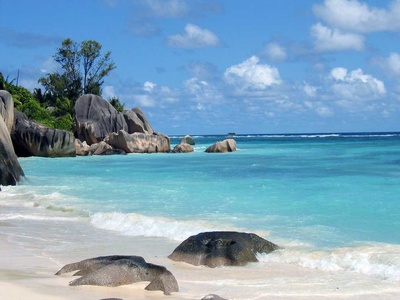
Seychelles is an Indian Ocean archipelago of 115 islands known for stunning beaches and biodiversity. Capital Victoria is on Mahé, the largest island. Notable fact: it’s Africa’s smallest sovereign country by land area and a popular luxury island getaway.

São Tomé and Príncipe
São Tomé and Príncipe is a tiny Gulf of Guinea island nation with lush volcanic landscapes. Its capital São Tomé sits on the main island. Notable fact: cocoa plantations shaped its history and it’s one of Africa’s smallest independent countries.
Comoros
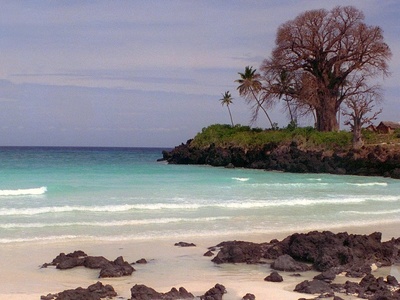
Comoros is an archipelago in the Indian Ocean between Madagascar and Mozambique, with Mount Karthala’s volcano dominating the landscape. Capital Moroni is the political and economic center. Notable fact: it’s known for diverse cultures blending African, Arab, and Malagasy influences.
Mauritius
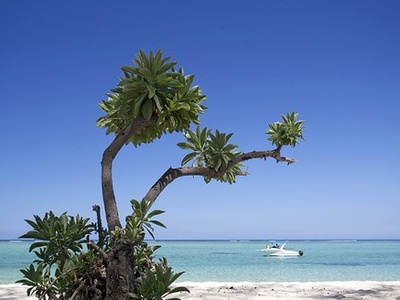
Mauritius is a volcanic island nation famed for turquoise lagoons, coral reefs, and multiethnic society. Capital Port Louis is a busy port and commerce hub. Notable fact: it developed from plantation economy to a diverse, middle-income economy driven by tourism and finance.
Cabo Verde
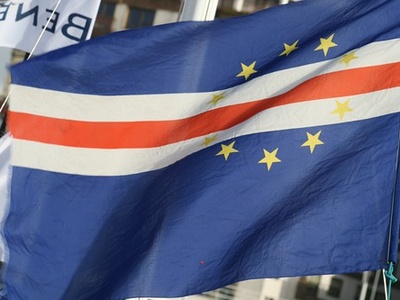
Cabo Verde is an Atlantic island nation off West Africa with a dry, volcanic landscape and strong Creole-Portuguese culture. Capital Praia on Santiago is the largest city. Notable fact: its economy relies heavily on services, remittances, and growing tourism.
The Gambia
The Gambia is a narrow West African country that follows the Gambia River inland from the Atlantic. Capital Banjul sits near the river’s mouth. Notable fact: despite its small size, it has diverse ecosystems and a history tied to riverine trade.
Eswatini
Eswatini (formerly Swaziland) is a landlocked kingdom in southern Africa known for traditional ceremonies and rugged hills. Capital Mbabane handles administration while Lobamba hosts royal and legislative events. Notable fact: it’s one of Africa’s few remaining monarchies with strong cultural traditions.
Djibouti
Djibouti sits at the Horn of Africa, controlling key Red Sea and Gulf of Aden waterways. Capital Djibouti is a strategic port city. Notable fact: its location makes it a logistic and military hub, hosting several foreign military bases.
Rwanda
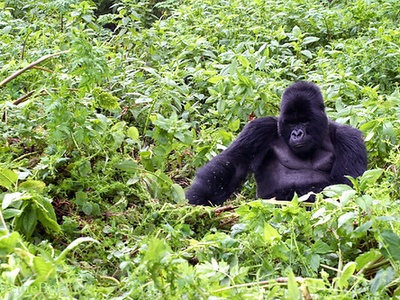
Rwanda is a densely populated, landlocked country in East Africa with rolling hills and the Volcanoes National Park. Capital Kigali is known for cleanliness and development. Notable fact: despite its small size, Rwanda has a dynamic economy and remarkable post-conflict recovery.
Burundi
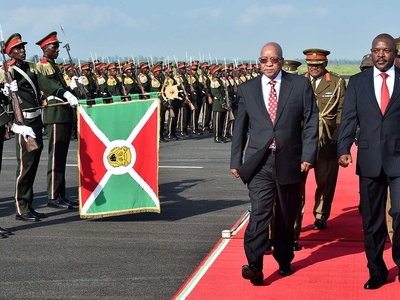
Burundi is a compact, landlocked country in the African Great Lakes region with a young, rural population. Capital Gitega is the political center. Notable fact: Lake Tanganyika on its southwest border is Africa’s deepest freshwater lake and a vital resource.
Equatorial Guinea
Equatorial Guinea includes a mainland region and island territories in the Gulf of Guinea; capital Malabo sits on Bioko Island. Notable fact: it’s one of Africa’s smallest countries by area but rich in oil, which dominates its economy and politics.
Lesotho
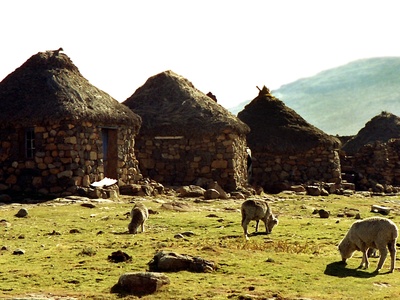
Lesotho is an independent kingdom entirely surrounded by South Africa, perched on a high plateau of mountains. Capital Maseru sits at lower elevations. Notable fact: it’s the world’s only country entirely above 1,000 meters elevation with distinct highland culture.
Guinea-Bissau
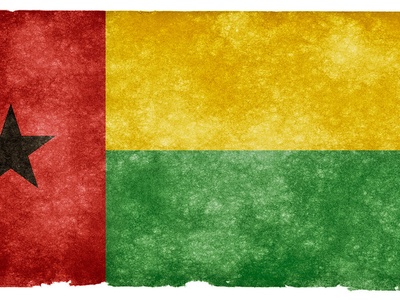
Guinea-Bissau is a small West African state with an archipelago of offshore Bijagós islands and dense mangroves. Capital Bissau blends colonial and local influences. Notable fact: it’s known for biodiversity and traditional animist practices alongside Islam and Christianity.
Togo
Togo is a narrow country on West Africa’s Gulf of Guinea coast with diverse landscapes from coastal lagoons to plateaus. Capital Lomé is a major port and cultural center. Notable fact: it has a rich tradition of voodoo and lively market culture.
Sierra Leone
Sierra Leone is a coastal West African nation with tropical beaches and a history shaped by diamond mining and civil war. Capital Freetown is a historic port city. Notable fact: its fast-recovering economy emphasizes mining, agriculture, and rebuilding communities.
Liberia
Liberia on West Africa’s Atlantic coast was founded by freed African-American settlers in the 19th century; Monrovia is named for US President James Monroe. Notable fact: it retains deep historical ties with the United States alongside diverse indigenous cultures.
Benin
Benin is a West African country where the Kingdom of Dahomey once thrived; Porto-Novo is the official capital while Cotonou hosts many government functions. Notable fact: it’s considered the birthplace of the Vodun (Voodoo) religion.
Eritrea
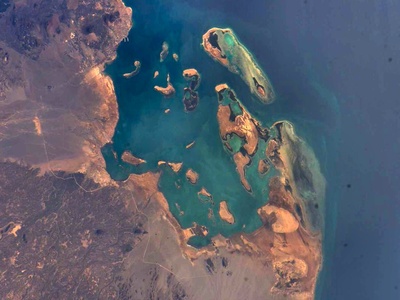
Eritrea borders the Red Sea and has a long coastline with strategic ports; Asmara’s Italian-era architecture is notable. Notable fact: after independence in 1993 it remains politically isolated with mandatory national service and a tightly controlled economy.
Malawi
Malawi, the “Warm Heart of Africa,” centers on Lake Malawi, which occupies much of its eastern border and supports fisheries and tourism. Capital Lilongwe is the administrative hub. Notable fact: the lake hosts remarkable freshwater biodiversity and endemic species.
Tunisia
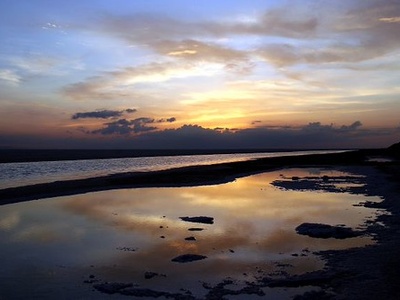
Tunisia sits at the northern tip of Africa on the Mediterranean with ancient archaeological sites like Carthage and diverse coastal landscapes. Capital Tunis blends historic medinas and modern districts. Notable fact: it led early Arab Spring movements and has a relatively strong education system.