
Austria doesn’t have one neat, tidy “indigenous languages” label the way some countries do. The short answer is: yes, Austria has autochthonous minority languages — communities with long historical roots in the country — and they’re a real part of the country’s cultural map.
The main ones recognized in Austria are Burgenland Croatian, Slovene, Hungarian, Czech, Slovak, and Romani. In some areas, Austrian Sign Language also gets discussed in minority-language and language-rights conversations, though it’s a different legal category. These languages are not the same as immigrant languages brought by more recent migration. They’re tied to communities that have lived in Austria for generations, often centuries.
Table of contents
- TLDR
- What counts as indigenous languages in Austria?
- Austria’s recognized minority languages
- Where these languages are spoken
- Legal status and everyday use
- Why they still matter
- Preservation and language rights
- Summary
TLDR
Austria’s indigenous languages are usually referred to as autochthonous minority languages. The best-known ones are Burgenland Croatian, Slovene, Hungarian, Czech, Slovak, and Romani. They’re protected under Austrian law and the European Charter for Regional or Minority Languages, but everyday use varies a lot by region. The strongest day-to-day presence is in Burgenland and parts of Carinthia and Styria.
What counts as indigenous languages in Austria?
In Austria, “indigenous” isn’t usually the official legal term. The standard term is autochthonous minority languages, meaning languages tied to communities with historic roots in the country.
That distinction matters. Austria also has plenty of other languages spoken today — Turkish, Serbian, Bosnian, Arabic, English, and many more — but those are generally considered migrant languages, not autochthonous ones.
The legal basis comes from Austria’s minority-language protections, especially the Austrian State Treaty of 1955, which laid the groundwork for rights of Slovenes and Croats, and later constitutional and administrative provisions. For the broader European context, the Council of Europe’s minority-language charter also matters.
Austria’s recognized minority languages
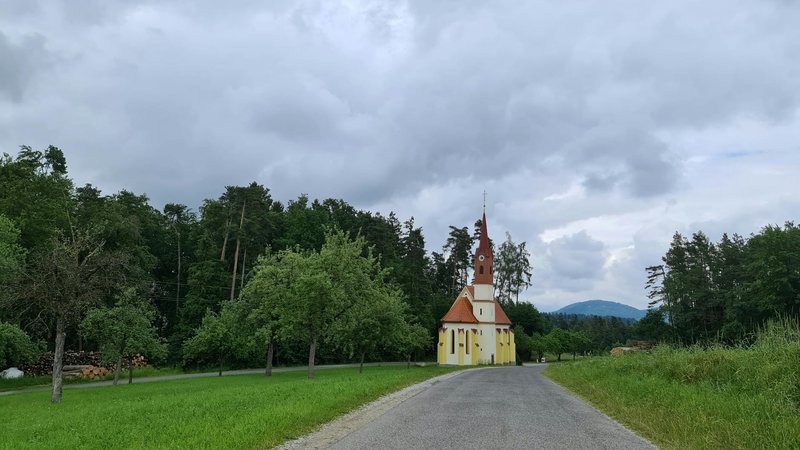
Here’s the clean version of the list.
| Language | Main regions | Notes |
|---|---|---|
| Burgenland Croatian | Burgenland | Strongest minority-language presence in Austria; used in schools, signs, media, and community life |
| Slovene | Carinthia and Styria | Especially important in southern Carinthia; linked to a long-established Slovenian-speaking population |
| Hungarian | Burgenland | Historic community, especially in the east near the Hungarian border |
| Czech | Vienna and some urban areas | Historic community, especially in the capital |
| Slovak | Vienna | Smaller historic minority, with community and cultural associations |
| Romani | Various communities | Linked to Roma communities in Austria; language vitality varies widely |
A few notes help here.
Burgenland Croatian is probably the best-known example of a living, recognized minority language in Austria. It’s not just a museum language. It still appears in schools, church life, local publications, and bilingual place-name signs in parts of Burgenland.
Slovene has a particularly important legal and political history in Carinthia. Bilingual signage there has been a long-running issue, because language rights have often been tied up with identity, regional politics, and memory. That history is not exactly boring paperwork.
Hungarian in Austria is historically rooted in Burgenland, which once belonged to the Kingdom of Hungary before the post-World War I border changes. The community is smaller today, but it remains legally recognized.
Czech and Slovak are concentrated mainly in Vienna, where older Central European migration patterns left a durable linguistic footprint. These communities are smaller than the Burgenland or Carinthian minorities, but they’re still part of Austria’s recognized language landscape. For a broader look at the Czech language landscape in its home country, see Languages Spoken in the Czech Republic: The Complete List. These communities are smaller than the Burgenland or Carinthian minorities, but they’re still part of Austria’s recognized language landscape.
Romani is also recognized, though “Romani in Austria” covers a more complex reality than a single neat community. Different Roma groups have different histories, dialects, and levels of transmission. That’s one reason speaker counts are often fuzzy.
For an official overview of Austria’s minority languages and their status, the Austrian Federal Chancellery is a useful starting point.
Where these languages are spoken
The map of Austria’s indigenous languages is pretty regional.
Burgenland
Burgenland is the country’s minority-language stronghold. Burgenland Croatian and Hungarian both have historic roots there, and you’ll see bilingual signs in some municipalities. This is the place where minority-language policy is most visible in everyday public space.
Carinthia
Carinthia is the heartland of Austrian Slovene. The language has deep roots in the south of the state, and Slovenes have historically lived there for generations. In some towns and villages, Slovene still has a public presence through schools, associations, and signage.
Styria
South Styria has a smaller Slovene presence as well. It doesn’t get as much attention as Carinthia, but it belongs in the picture.
Vienna
Vienna is the big exception to the “regional” rule. It’s home to several historic minority communities, especially Czech and Slovak speakers, plus people from many other backgrounds. The city’s language history is a Central European palimpsest — which is a fancy way of saying people have been moving in, out, and across it for a very long time.
Legal status and everyday use
Recognition is one thing. Daily life is another.
Austria’s minority languages have legal protections, but that doesn’t mean every person in those communities uses the language every day. In many cases, the language survives more strongly in:
- family life
- churches and cultural associations
- schools and kindergartens
- local media
- public signage in certain areas
That’s normal for minority languages in Europe. A language can be legally protected and still be under pressure from the dominant national language. German is, unsurprisingly, the overwhelmingly dominant language in Austria’s public life.
The legal framework also doesn’t work the same way everywhere. In some municipalities, rights are more visible and institutionalized; in others, they’re thinner on the ground. That unevenness is a big part of the story.
Why they still matter
Language isn’t just vocabulary. It carries family history, place names, religious traditions, jokes, and the kind of local memory that never fits neatly into a textbook.
Austria’s indigenous languages matter because they show that the country is not linguistically one-note. They’re evidence of older borderlands, imperial history, migration before modern nation-states, and communities that survived some very unfriendly twentieth-century politics.
They also matter because language rights are still live issues. Minority-language communities often have to push for:
- bilingual education
- signage
- teacher training
- media support
- administrative access
That’s not abstract cultural trivia. It affects whether a child can learn to read and write the language their grandparents still speak.
Preservation and language rights
Preservation efforts in Austria usually combine education, community activism, and public recognition. Schools matter a lot. So do local associations, churches, newspapers, and cultural events.
A strong legal framework helps, but it doesn’t magically keep a language alive. Transmission does that. If kids hear and use the language at home, in school, and in the community, it has a fighting chance. If not, even a recognized language can shrink fast.
The European Charter for Regional or Minority Languages is one of the key international tools supporting this kind of preservation, and Austria’s minority-language protections are often discussed in that context.
Summary
Austria does have indigenous languages, but the more precise term is autochthonous minority languages. The main recognized ones are Burgenland Croatian, Slovene, Hungarian, Czech, Slovak, and Romani. Their strongest presence is in Burgenland, Carinthia, Styria, and Vienna, where history left clear linguistic footprints.
If you’re looking at Austria through a travel, geography, or culture lens, these languages are part of what makes the country more layered than its German-language image suggests. Quietly layered, sure. But very real.