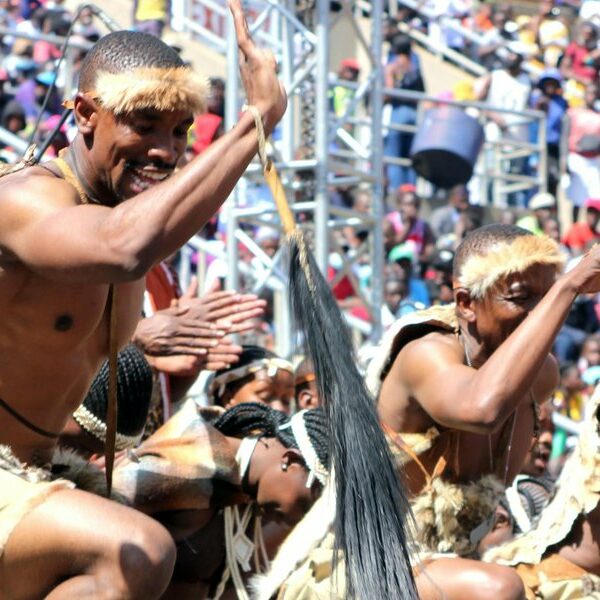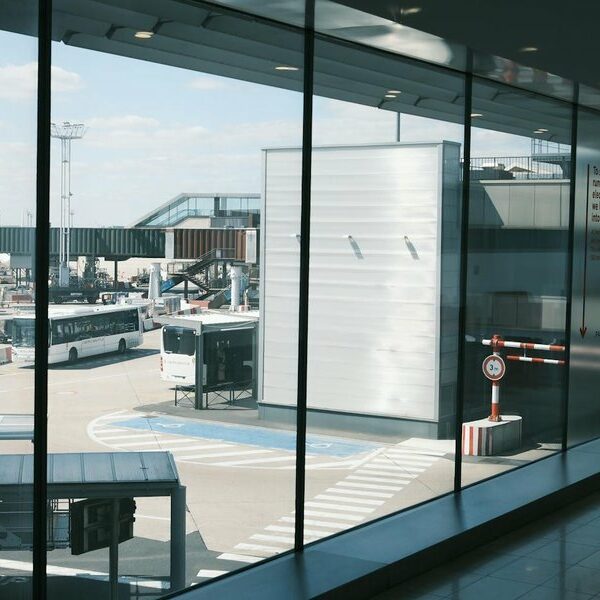
Togo is one of those places where a little French goes a very long way. You don’t need to speak it perfectly. You do need a few phrases that help you greet people properly, ask for prices, find a bathroom, and not look like a lost luggage cart.
French is the main practical language for tourists in Togo, especially in cities, hotels, taxis, markets, and government offices. In some regions you’ll also hear Ewe and Kabiyé, but for everyday travel, French is the tool you’ll actually use. If you want a wider travel-language refresher, the U.S. State Department’s country information is a useful place to start for the basics on entry and safety.
Table of contents
- TL;DR
- Quick French pronunciation notes
- Polite greetings and basics
- Getting around
- Hotels and lodging
- Restaurants and food
- Shopping and markets
- Directions and practical questions
- Medical and emergency phrases
- Useful local-language bonus phrases
- Final tips for using French in Togo
TL;DR
Use French for almost everything. Start with Bonjour, S’il vous plaît, Merci, and Parlez-vous anglais ? Then learn the money, taxi, food, and emergency phrases below. In Togo, being polite is not optional window dressing — it’s the social lubricant.
Quick French pronunciation notes
French spelling can look like a prank, but tourists only need a few basics:
- Bonjour = bon-zhoor
- Merci = mehr-see
- S’il vous plaît = seel voo pleh
- Excusez-moi = ex-kew-zay mwah
- Combien ? = kohm-byen
- Où ? = oo
If you can say these cleanly, you’re already ahead of half the tourists fumbling through a menu.
Polite greetings and basics
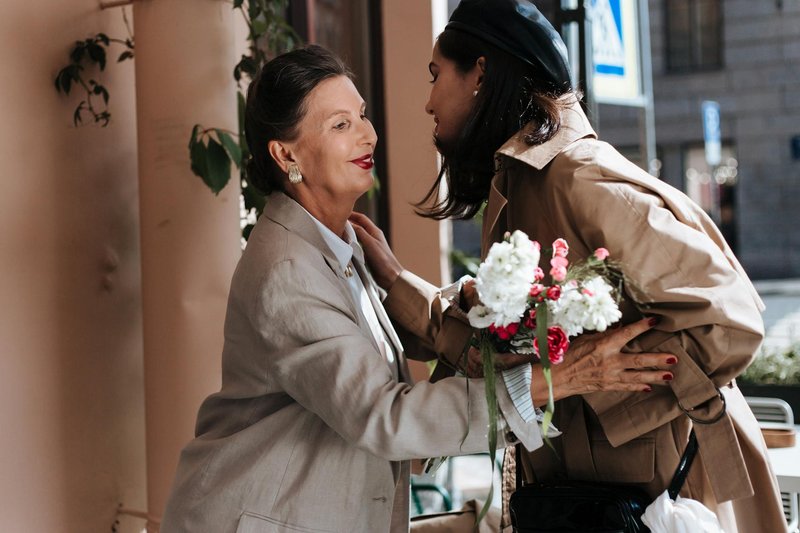
A greeting matters in Togo. Don’t launch straight into your question like a machine. Say hello first, especially when entering a shop, a taxi, or someone’s office.
| English | French |
|---|---|
| Hello / Good morning | Bonjour |
| Good evening | Bonsoir |
| Goodbye | Au revoir |
| Please | S’il vous plaît |
| Thank you | Merci |
| Thank you very much | Merci beaucoup |
| Yes | Oui |
| No | Non |
| Excuse me | Excusez-moi |
| I’m sorry | Je suis désolé(e) |
| Nice to meet you | Enchanté(e) |
| How are you? | Comment ça va ? |
| I’m fine, thank you | Ça va bien, merci |
A very useful little habit: greet first, ask second. That works in shops, hotels, and just about anywhere a human being is standing behind a counter.
Getting around
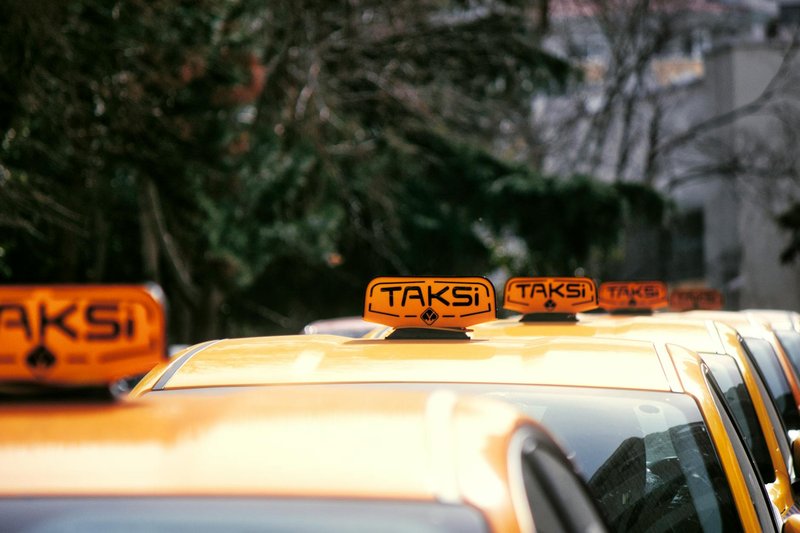
Togo travel often means taxis, moto-taxis, and negotiating with someone who knows the city better than you do. Keep these handy.
| English | French |
|---|---|
| Where is the taxi stand? | Où est la station de taxi ? |
| How much is the fare? | Combien coûte le trajet ? |
| Is this the right taxi? | Est-ce le bon taxi ? |
| Please take me to this address | S’il vous plaît, emmenez-moi à cette adresse |
| Stop here, please | Arrêtez ici, s’il vous plaît |
| I want to go to… | Je veux aller à… |
| Is this far? | C’est loin ? |
| How long does it take? | Ça prend combien de temps ? |
| I have luggage | J’ai des bagages |
| Can you call a taxi? | Pouvez-vous appeler un taxi ? |
A taxi driver may give you a price fast. You don’t have to look impressed. Just ask Combien ? and make sure you understand before getting in.
For broader travel safety context, the UK Foreign Office travel advice for Togo is a practical reference before using informal transport.
Hotels and lodging
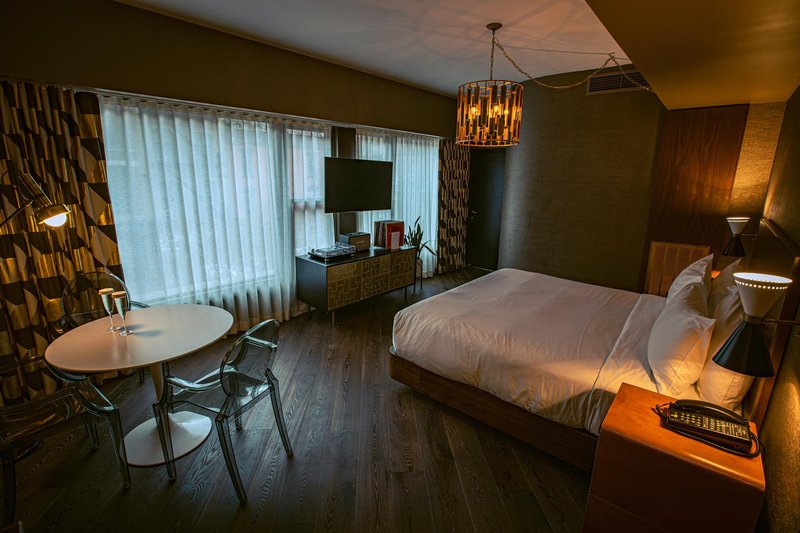
At hotels and guesthouses, simple French saves time and awkward pointing.
| English | French |
|---|---|
| I have a reservation | J’ai une réservation |
| My name is… | Je m’appelle… |
| Do you have a room available? | Avez-vous une chambre disponible ? |
| How much per night? | Combien par nuit ? |
| Does the room have air conditioning? | La chambre a-t-elle la climatisation ? |
| Does it include breakfast? | Le petit déjeuner est-il inclus ? |
| I need the key | J’ai besoin de la clé |
| The bathroom is not working | La salle de bain ne fonctionne pas |
| There is no water | Il n’y a pas d’eau |
| Can I check out now? | Puis-je partir maintenant ? |
In many places, “working” can be a very optimistic word. “No water” is one of the most useful phrases you can know.
Restaurants and food
Food is where a few phrases can save you from ordering mystery meat with confidence you do not actually possess.
| English | French |
|---|---|
| I would like… | Je voudrais… |
| What do you recommend? | Qu’est-ce que vous recommandez ? |
| What is this? | Qu’est-ce que c’est ? |
| Is it spicy? | C’est épicé ? |
| I don’t eat meat | Je ne mange pas de viande |
| I don’t eat fish | Je ne mange pas de poisson |
| I am vegetarian | Je suis végétarien(ne) |
| The bill, please | L’addition, s’il vous plaît |
| Can I pay by card? | Puis-je payer par carte ? |
| Is water included? | L’eau est-elle incluse ? |
| I’m allergic to… | Je suis allergique à… |
For everyday travel in Togo, asking Puis-je payer par carte ? is smart, but don’t assume every place will say yes. Cash still does a lot of the heavy lifting.
If you need a health reference for food and water caution while traveling, the CDC traveler guidance is more useful than random internet confidence.
Shopping and markets
Markets are where your French gets a workout. Keep it polite. Keep it simple. Nobody needs a dramatic bargaining scene.
| English | French |
|---|---|
| How much is this? | C’est combien ? |
| That’s too expensive | C’est trop cher |
| Can you lower the price? | Vous pouvez baisser le prix ? |
| I’ll take it | Je le prends |
| I don’t want it | Je n’en veux pas |
| Do you have a different color? | Avez-vous une autre couleur ? |
| Is this handmade? | C’est fait main ? |
| Can I see this one? | Puis-je voir celui-ci ? |
| I’m just looking | Je regarde seulement |
| Do you accept cash? | Vous acceptez l’argent liquide ? |
A useful market phrase in Togo is C’est combien ? It does a shocking amount of work. You can use it for fruit, fabric, souvenirs, and the occasional price that seems to have been invented on the spot.
Directions and practical questions
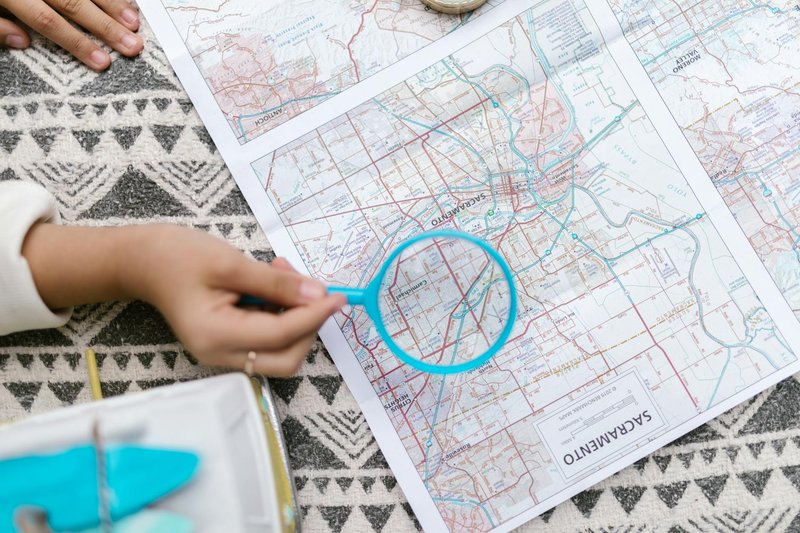
When you’re lost, be direct and polite. The goal is not perfect grammar. The goal is getting to the place with the blue gate before sunset.
| English | French |
|---|---|
| Where is…? | Où est… ? |
| How do I get to…? | Comment aller à… ? |
| Left | À gauche |
| Right | À droite |
| Straight ahead | Tout droit |
| Near | Près |
| Far | Loin |
| Next to | À côté de |
| Behind | Derrière |
| In front of | Devant |
| Can you show me on the map? | Pouvez-vous me montrer sur la carte ? |
| Is it open? | C’est ouvert ? |
| What time does it open? | À quelle heure ça ouvre ? |
If you’re asking directions, don’t ask only the first person who looks busy. Ask two people. In many places that’s the difference between “helpful” and “wildly incorrect with confidence.”
Medical and emergency phrases
These are the phrases you hope not to use. Learn them anyway.
| English | French |
|---|---|
| I need help | J’ai besoin d’aide |
| Call a doctor | Appelez un médecin |
| Call the police | Appelez la police |
| I’m sick | Je suis malade |
| I’m hurt | Je suis blessé(e) |
| I have a fever | J’ai de la fièvre |
| I have pain here | J’ai mal ici |
| I need a pharmacy | J’ai besoin d’une pharmacie |
| Where is the hospital? | Où est l’hôpital ? |
| It’s an emergency | C’est une urgence |
| I lost my passport | J’ai perdu mon passeport |
| I need help finding my embassy | J’ai besoin d’aide pour trouver mon ambassade |
For health and travel planning, the WHO travel and health resources are a sensible general reference, especially if you’re checking vaccines, malaria precautions, or other pre-trip basics.
Useful local-language bonus phrases
French gets you by, but a few local-language greetings can earn you a grin. Togo is linguistically diverse, so local phrases vary by region. Don’t try to fake fluency. Just use the basics respectfully.
In Ewe and Kabiyé, the exact spelling and pronunciation can vary by dialect and speaker, so it’s better to learn a couple of greetings from a local person once you arrive than to memorize a shaky internet list and butcher it with confidence.
If someone offers to teach you a greeting, say it back slowly. That’s usually enough to make the exchange warmer.
Final tips for using French in Togo
Use bonjour early and often. Say s’il vous plaît before every request. Ask prices clearly. Repeat numbers back if needed. If you don’t understand, say Pouvez-vous répéter ? — “Can you repeat that?” — and don’t pretend you got it when you didn’t.
The best useful phrases for tourists in Togo are the ones that keep interactions smooth: greetings, directions, transport, food, and a few emergency lines. You don’t need to be fluent. You just need to be polite, clear, and willing to try.
That gets you surprisingly far.