
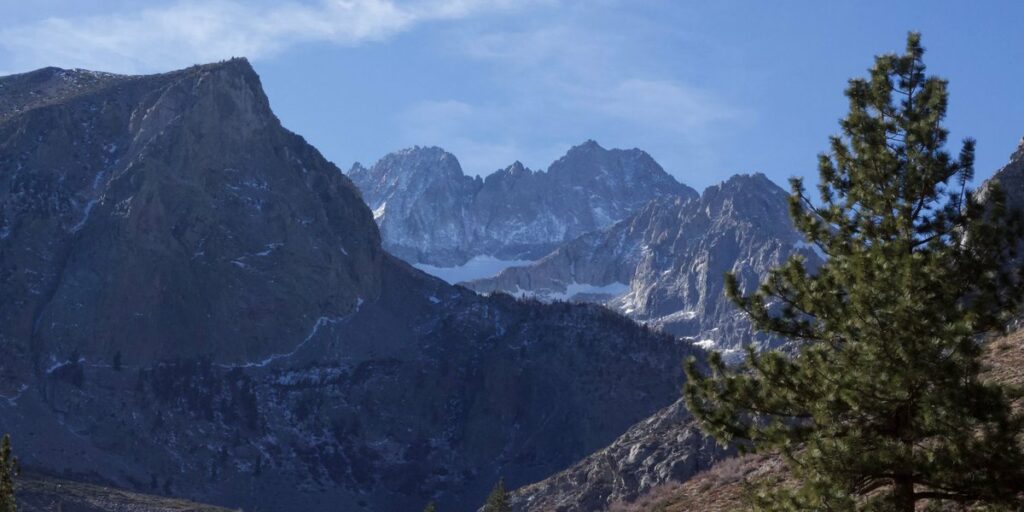
California has nine national parks — more than any other state — and they range from the lowest, hottest point in North America to a grove of trees older than the Roman Empire. You can stand in a forest of 300-foot sequoias in the morning and be in a desert basin 282 feet below sea level by the next afternoon. That spread is the whole appeal, and it’s also why most “list” articles leave you stuck. Knowing the nine parks exist doesn’t tell you how to actually string them together without driving 600 miles for a single afternoon hike.
This guide does both. You get the full roster with the practical numbers up front, a park-by-park breakdown, two loop routes that group the parks sensibly, and the reservation and fee details that quietly derail trips when people show up without them.
Table of Contents
- Quick Reference: All 9 Parks
- The Sierra Nevada Parks
- The Desert Parks (Southern California)
- The Coast & North Parks
- Two Road-Trip Routes That Actually Work
- Best Time to Visit, by Season
- Reservations, Fees & Logistics
- How Many Days Do You Need?
- Best Park For…
Quick Reference: All 9 Parks
| Park | Region | Signature feature | Best season | Entry fee (7-day vehicle) | Nearest major airport |
|---|---|---|---|---|---|
| Yosemite | Sierra Nevada | Granite cliffs, waterfalls | May–Jun, Sep | $35 | Fresno (FAT) |
| Sequoia | Sierra Nevada | Largest trees on Earth | Jun–Sep | $35 | Fresno (FAT) |
| Kings Canyon | Sierra Nevada | Deep glacial canyon | Jun–Sep | $35 (joint w/ Sequoia) | Fresno (FAT) |
| Death Valley | Mojave Desert | Lowest point in N. America | Nov–Mar | $30 | Las Vegas (LAS) |
| Joshua Tree | Colorado/Mojave Desert | Twisted trees, boulders | Oct–Apr | $30 | Palm Springs (PSP) |
| Pinnacles | Central Coast (inland) | Volcanic spires, condors | Mar–May, Oct–Nov | $30 | San Jose (SJC) |
| Channel Islands | Pacific (offshore) | Undeveloped islands | May–Oct | Free (boat fare separate) | Santa Barbara (SBA) |
| Lassen Volcanic | Southern Cascades | Active geothermal terrain | Jul–Sep | $30 | Reno (RNO) |
| Redwood | Far North Coast | Tallest trees on Earth | May–Sep | Free | Crescent City / SFO |
A few things this table tells you immediately. Three parks are free (Channel Islands, Redwood, and — note — the boat fare to the islands is not). The Sierra trio clusters tightly around Fresno. And the “best season” column refuses to line up: the desert parks peak in winter, the high-country parks peak in summer, and almost nothing overlaps. That seasonal split is the single biggest constraint on planning a multi-park trip, and we’ll come back to it.
The Sierra Nevada Parks
These three sit within a couple hours of each other along the western slope of the Sierra. They’re the high-elevation, summer parks — think granite, snowmelt waterfalls, and giant trees.
Yosemite
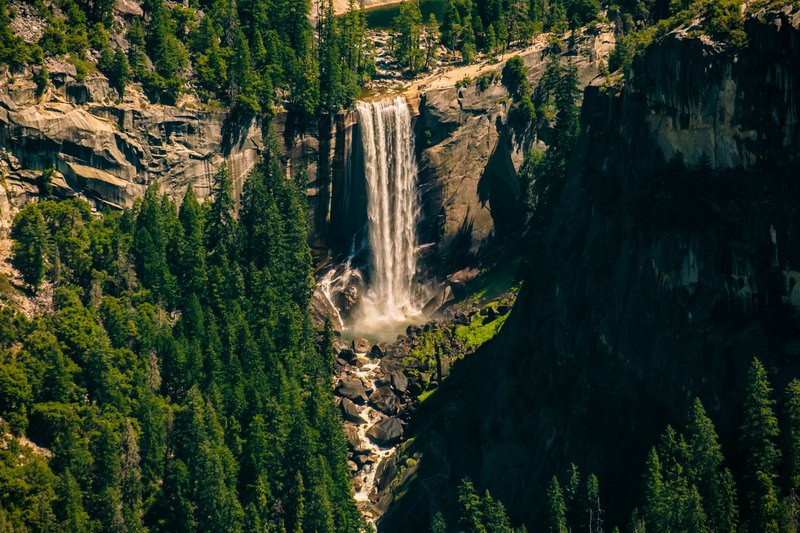
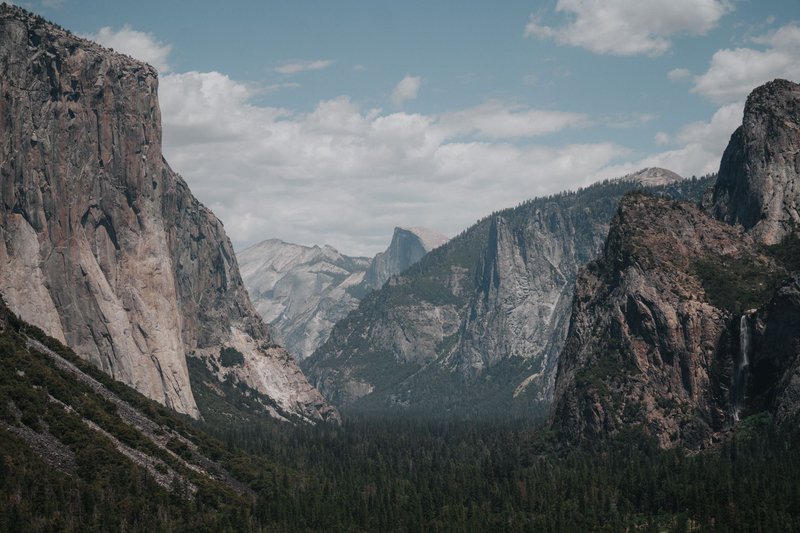
The headliner. Yosemite Valley is a seven-mile glacial trench walled in by El Capitan and Half Dome, with Yosemite Falls dropping 2,425 feet in three tiers. The catch is timing: the waterfalls run on snowmelt, so they’re roaring in May and June and frequently bone-dry by August. Show up in late summer expecting the postcard and you’ll get a rock face.
Top sight: drive up to Glacier Point for the valley-from-above view, or hike the Mist Trail to Vernal and Nevada Falls (strenuous, and you will get wet — that’s the name). Time to spend: two full days minimum, three if you want the high country around Tuolumne Meadows, which only opens once Tioga Road clears of snow, usually late May to early July. Yosemite uses a timed-entry reservation system during peak periods, so this is not a park you wing.
Sequoia
Home to the General Sherman Tree — by volume, the largest single-stem tree on Earth, roughly 275 feet tall and wide enough at the base that you can’t fit it in a normal photo. The Giant Forest packs the densest stand of these monsters, and the paved Big Trees Trail loops through it in under an hour. For a payoff with effort, climb the 350-odd steps up Moro Rock for a granite-dome view over the foothills.
Time to spend: one full day for the Giant Forest and Moro Rock. The road in (Generals Highway) is steep and winding, so RVs and trailers over 22 feet should approach from the Highway 198 side carefully.
Kings Canyon
Shares a border, an entry fee, and an operating staff with Sequoia, but the experience is different. This is canyon country — Kings Canyon is one of the deepest in North America, carved by glaciers and the Kings River. Drive the Kings Canyon Scenic Byway (open roughly May to November) down into the canyon floor at Cedar Grove, where granite walls rise on both sides and the river runs cold and fast.
Time to spend: half a day to a full day, easily combined with Sequoia. The General Grant Tree, the second-largest in the world, sits near the entrance and takes 15 minutes.
The Desert Parks (Southern California)
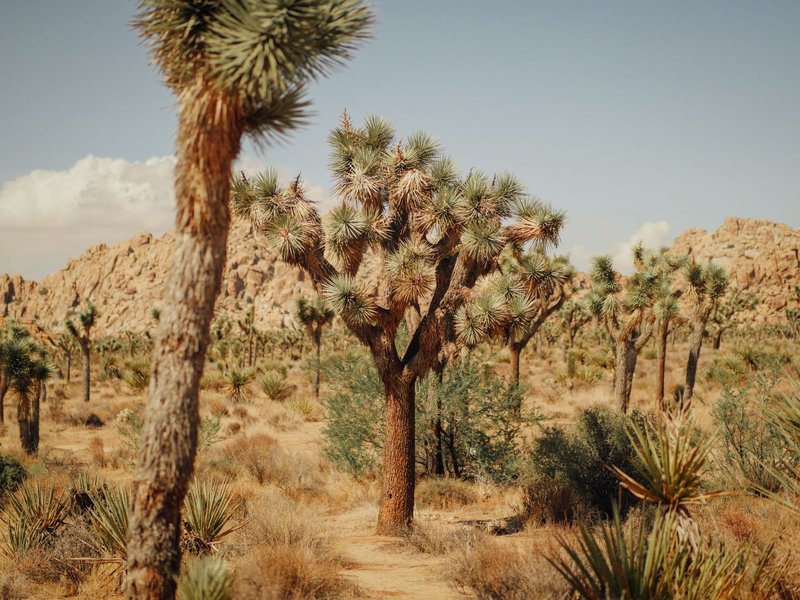
The winter parks. From November through March these are spectacular and mild; from June through September they’re genuinely dangerous, with summer highs that have killed unprepared hikers.
Death Valley
The superlatives are real: Badwater Basin sits 282 feet below sea level, the lowest point in North America, and Furnace Creek recorded 134°F in 1913 — the highest air temperature ever measured on Earth. It’s also the largest national park in the lower 48, so distances between sights are real driving distances, not strolls.
Hit Zabriskie Point at sunrise for the rippled badlands, walk out onto the salt flats at Badwater, and drive the nine-mile Artists Drive loop through mineral-streaked hills. Time to spend: a full day, two if you add the Mesquite Flat dunes and Dante’s View. Gas up before you enter — stations inside are sparse and pricey.
Joshua Tree
Where the Mojave and Colorado deserts meet, which is why the namesake trees grow on the higher western side and vanish on the lower eastern side. The park is a rock climber’s mecca — those monzogranite boulder piles at Hidden Valley and Jumbo Rocks are world-class — but you don’t need ropes to enjoy it. The one-mile Hidden Valley loop and the short scramble at Arch Rock cover the highlights.
Time to spend: one full day. Stay for dark — Joshua Tree is a certified International Dark Sky Park, and the Milky Way over the silhouetted trees is the reason a lot of people come at all.
The Coast & North Parks
The four that don’t fit the Sierra-or-desert split. They’re scattered, and most multi-park itineraries pick one or two rather than chasing all four.
Pinnacles
The newest national park (redesignated in 2013), built around the eroded remains of an ancient volcano. The draw is the talus caves — passages formed by boulders wedged in narrow canyons — and the California condors, one of the rarest birds on Earth, which were reintroduced here and now nest in the high peaks. The Bear Gulch Cave to Reservoir loop is the signature hike. Time to spend: half a day to a full day. Bring a headlamp for the caves.
Channel Islands
Five islands off the Santa Barbara coast, reachable only by boat or small plane, with no services once you land. This is the closest thing California has to wilderness you can’t drive to — sea caves you kayak into, the endemic island fox (found nowhere else), and zero crowds. The park itself is free, but the Island Packers ferry is the real cost and the real bottleneck; book it well ahead. Time to spend: a full day trip to Santa Cruz Island, or overnight camping if you want the islands to yourself after the last boat leaves.
Lassen Volcanic
All four types of volcano in the world appear in this one park, and the geothermal areas — Bumpass Hell’s boiling mud pots and steaming vents — feel like a smaller, less crowded Yellowstone. The catch is the season: the main road sits high enough that snow keeps it closed into July most years. Time to spend: one full day. Drive the park road end to end and hike the Bumpass Hell boardwalk.
Redwood
Up near the Oregon border, protecting nearly half the world’s remaining old-growth coast redwoods — the tallest trees on Earth, topping 370 feet. The Tall Trees Grove and the Lady Bird Johnson Grove deliver the cathedral feeling; the Newton B. Drury Scenic Parkway lets you drive through it. There’s also a coastline, with Roosevelt elk grazing in the meadows at Prairie Creek. Time to spend: one to two days. It’s a haul from anywhere — roughly six hours north of San Francisco — which is exactly why the groves stay quiet.
Two Road-Trip Routes That Actually Work
Trying to hit all nine in one trip means driving the length of California twice and fighting opposite seasons. Don’t. Group them. Here are the two loops that make geographic and seasonal sense.
The Southern Loop (desert + Sierra, ~700 miles). Start in Las Vegas (here is what to pack for Las Vegas) or Los Angeles, hit Death Valley, drop south to Joshua Tree, then swing up to Sequoia and Kings Canyon, finishing at Yosemite. Best run in spring or fall, when the deserts are bearable and the Sierra roads are open. Budget 7–9 days.
The Northern Loop (coast + volcanoes, ~600 miles). From San Francisco, head north up Highway 101 to Redwood, cut inland to Lassen Volcanic, and detour to Pinnacles on the way back south. Best in summer, once Lassen’s road clears. Budget 5–6 days. If you have a spare day on either end of this loop, the coves and inlets of Marin County sit right across the Golden Gate and make an easy add-on north of the city. Channel Islands tacks onto either trip as a Santa Barbara day excursion, but its boat schedule means it rarely fits cleanly into a tight loop.
The mistake to avoid: pairing a winter desert park with a summer high-country park in a single trip. Death Valley in March is perfect; Yosemite’s Tioga Road in March is buried in snow. The calendar, not the map, is what splits these itineraries.
Best Time to Visit, by Season
- Spring (Mar–May): The sweet spot for the desert parks and Sierra foothills. Death Valley wildflowers, Yosemite waterfalls at full volume, Pinnacles before the heat. High Sierra roads may still be closed.
- Summer (Jun–Sep): The only window for the high-elevation parks. Lassen and Yosemite’s Tuolumne high country open up. Stay out of Death Valley and Joshua Tree entirely. Crowds peak everywhere popular.
- Fall (Sep–Nov): Arguably the best all-around season. Crowds thin, deserts cool back down, Sierra foliage turns, and most roads stay open until the first snow.
- Winter (Dec–Feb): Prime desert season — Death Valley and Joshua Tree at their best and emptiest. Yosemite Valley stays open and gets a quiet, snow-dusted version of itself, but the high country closes.
Reservations, Fees & Logistics
This is the section the editorial guides skip, and it’s the part that actually decides whether your trip works.
The America the Beautiful pass. If you’re visiting three or more parks, the $80 annual pass pays for itself fast — individual vehicle entry runs $30–$35 per park. It covers everyone in your car and works at all 9.
Timed-entry reservations. Yosemite requires a reservation to enter during peak periods (summer weekends and holidays in recent years), released on Recreation.gov on a rolling schedule. This is the one most people get burned by — they drive up, hit the gate, and get turned away. Check the current-year rules before you go, because the system changes annually.
Lodging and camping booking windows. In-park lodging is limited and books out months ahead — Yosemite’s valley hotels and Death Valley’s Furnace Creek can fill 6+ months out for peak dates. Popular campgrounds release on Recreation.gov in a rolling window (often five months ahead) and sell out in minutes for summer weekends. If you want to sleep inside a park, that booking is the thing you plan the whole trip around, not an afterthought.
Gas and services. Death Valley and the Sierra parks have long stretches with no fuel and no cell signal. Fill the tank at the gateway town and download offline maps.
How Many Days Do You Need?
- One park, focused: 2 days for Yosemite; 1 day each for most of the others.
- The Sierra trio (Yosemite, Sequoia, Kings Canyon): 4–5 days.
- Southern Loop (4 parks): 7–9 days.
- Northern Loop (3 parks): 5–6 days.
- All nine, completionist: Realistically two separate trips in opposite seasons — roughly 14–16 driving days total. One marathon trip technically works but means seeing several parks for an afternoon each, which defeats the point.
Best Park For…
- Fewest crowds: Channel Islands — the boat ride filters out almost everyone. Lassen and Redwood are close runners-up.
- Best for families: Sequoia. Short, flat, high-payoff walks (the General Sherman loop, Big Trees Trail) and trees that genuinely impress kids without a strenuous hike.
- Most underrated: Pinnacles. Talus caves, condors overhead, and a fraction of the traffic, all within reach of the Bay Area.
- Best for first-timers: Yosemite. It’s the most-visited for a reason — the density of iconic scenery per mile is unmatched.
- Best night sky: Joshua Tree, a certified Dark Sky Park, with Death Valley right behind it.
- Best in winter: Death Valley — the one park that’s actively better in January than July.
Nine parks, two seasons, and a state long enough that geography forces the choices for you. Pick a loop, match it to the calendar, lock in the reservations early, and you’ll see more in a week than most people manage in a lifetime of meaning to. The parks aren’t going anywhere. The reservation windows, though, close fast.