TLDR
The UAE’s historical places aren’t limited to Dubai and Abu Dhabi, and they don’t stop with the sites everyone already lists. This guide covers 12 of them across all seven emirates — Bronze Age tombs, Islamic-era forts, restored heritage quarters, and two of the newest entries on the UNESCO World Heritage list, including a Sharjah site with evidence of human presence going back 210,000 years. At the end, you’ll find a 3-day route that links the northern emirates’ forts and villages into one drivable trail.
Table of Contents
- Where UAE History Actually Starts: Bronze Age Al Ain
- Dubai’s Old Town, Before the Skyline
- Sharjah: Deep Time and a Restored Heritage Quarter
- Fujairah: Forts and Mountain Wilderness
- The Northern Emirates: Ras Al Khaimah, Ajman, Umm Al Quwain
- A 3-Day Heritage Trail
Most historical places in the United Arab Emirates lists run the same seven Dubai and Abu Dhabi stops in a different order, and skip the other five emirates almost entirely. That leaves out a lot: Ras Al Khaimah has a fort that survived a naval siege, Umm Al Quwain has an Iron Age settlement most visitors have never heard of, and Sharjah just picked up a UNESCO listing that pushes the country’s human history back further than anyone assumed a decade ago. This list covers all seven emirates, grouped by era so you can see how the country’s history actually connects — not just where to point a camera.
Where UAE History Actually Starts: Bronze Age Al Ain
Before forts and trade routes, there was Al Ain — an oasis city on the border with Oman that’s been continuously settled since the Bronze Age. The UNESCO World Heritage list recognized the area’s tombs, wells, and oases in 2011, and it’s still the only cultural World Heritage inscription in the UAE outside the newer 2025 addition.
1. Jebel Hafeet Beehive Tombs
Roughly 500 stone tombs sit scattered across the lower slopes of Jebel Hafeet, dating to the Hafit period, around 2500–3000 BCE. They’re called beehive tombs for their shape: circular stone structures narrowing toward a domed top, built to hold multiple burials over generations rather than a single occupant. Most are a short, unshaded walk from the parking area near the mountain’s base — go early, because the rock holds heat straight through the afternoon.
2. Al Ain Oasis
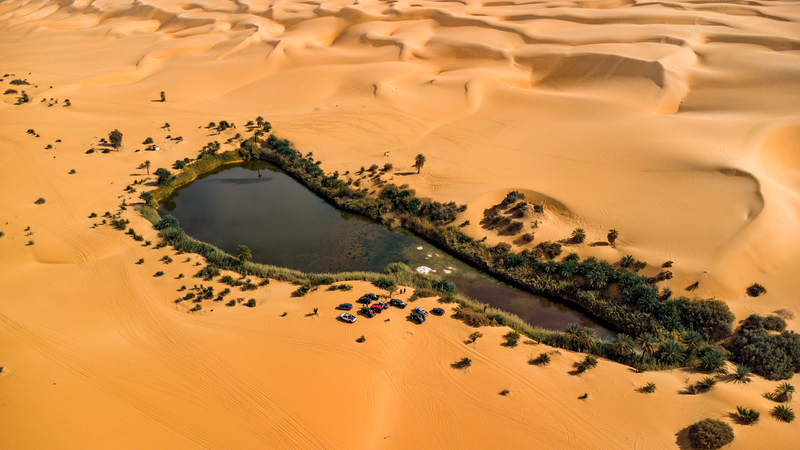
Walk into Al Ain Oasis and the temperature drops before you notice the shade. A 3,000-year-old falaj irrigation system — gravity-fed channels cut from underground aquifers — still waters more than 147,000 date palms across 1,200 hectares. The falaj network predates Roman aqueducts by centuries and is still functioning, not restored for show. Entry is free, and the Al Ain National Museum sits at the oasis edge if you want context before you walk in.
3. Al Jahili Fort
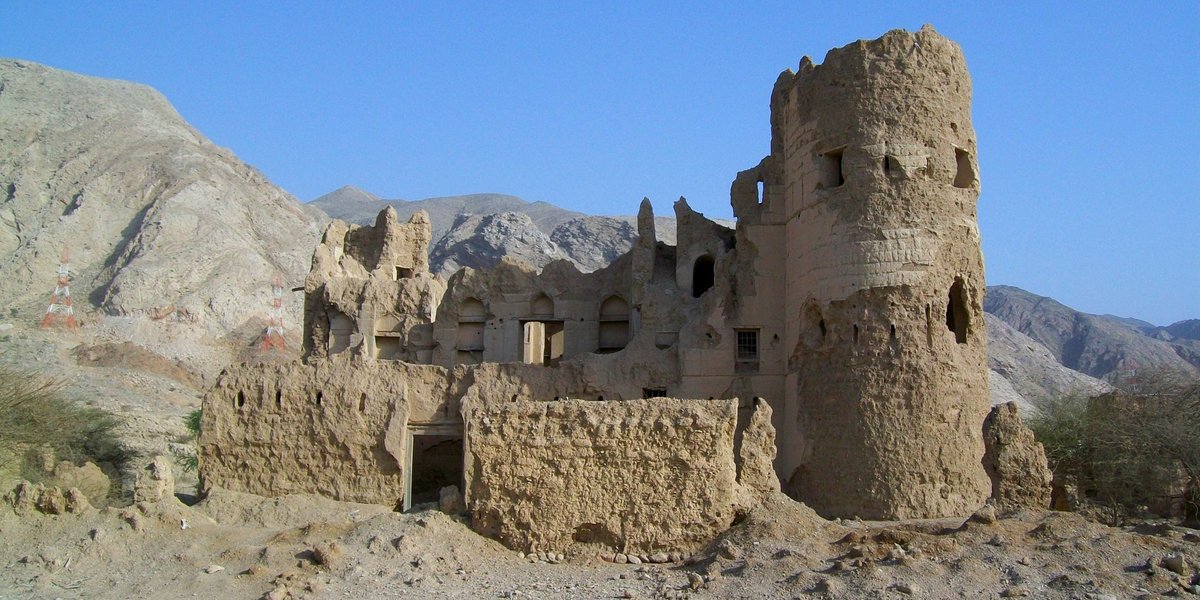
Built in 1891 to protect the oasis and house Sheikh Zayed bin Khalifa’s summer residence, Al Jahili is one of the largest forts in the country, with a distinctive round tower rising above the main structure. It later served as a base for the British Trucial Oman Scouts. Inside, a permanent exhibition covers explorer Wilfred Thesiger’s crossings of the Empty Quarter, with prints from his 1940s expeditions. Free entry, closed Mondays.
Dubai’s Old Town, Before the Skyline
Everything people associate with Dubai — the towers, the man-made islands — sits on land that was a modest pearling and trading port a century ago. The old town survives in one district, plus a fort that predates the city as most visitors know it.
4. Al Fahidi Fort
Built around 1787, Al Fahidi is the oldest surviving building in Dubai and originally guarded the approach to Dubai Creek. It’s housed the Dubai Museum since 1971, though the museum has been closed for a multi-year redevelopment — check current status before planning a visit, since reopening dates have shifted more than once. The fort’s exterior and courtyard, with an old wooden dhow and cannon still in place, remain visible from outside even when the interior is closed.
5. Al Fahidi Historic District
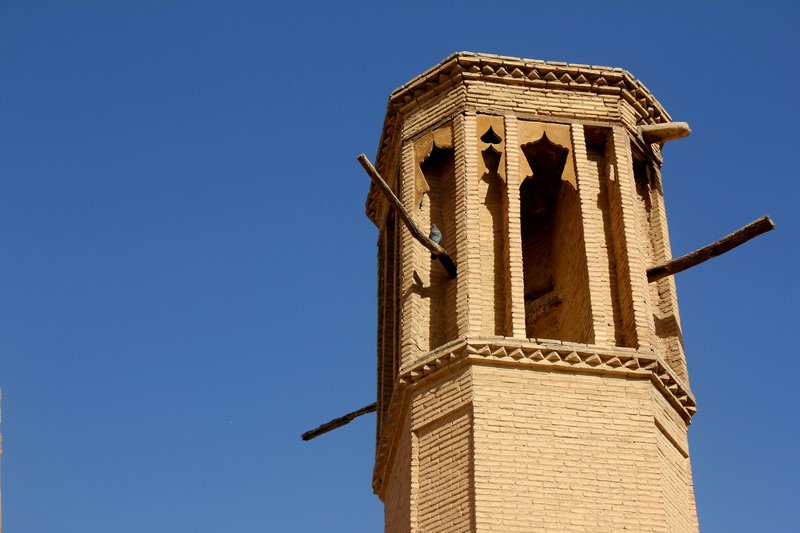
This is the wind-tower quarter — coral-stone buildings with tall barjeel towers that funneled breeze down into the rooms below, functioning as air conditioning centuries before electricity reached the Gulf. Also known by its older name, Bastakiya, the district now mixes original merchant houses with art galleries, a coffee museum, and a handful of courtyard cafés. It’s one of the only places in Dubai where you can walk a street grid laid out before the 1900s.
Sharjah: Deep Time and a Restored Heritage Quarter
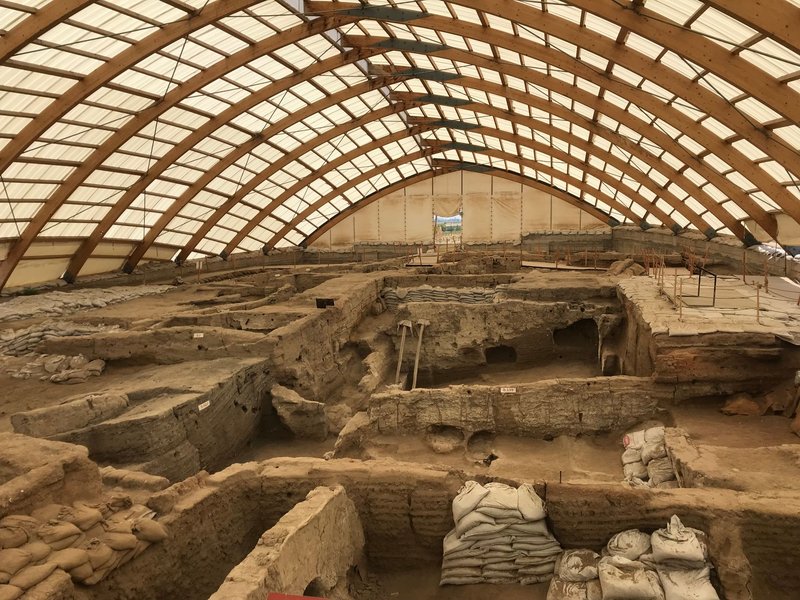
Sharjah has quietly become the UAE’s most serious heritage emirate, and 2025 gave it a headline: a new entry on the UNESCO World Heritage list that reframes how old the region’s human story actually is.
6. Faya Palaeolandscape
Archaeological layers at Jebel Faya, in the Mleiha area, show evidence of human presence stretching back roughly 210,000 years — among the earliest evidence anywhere outside Africa. The site sits along what researchers believe was a viable route out of Africa during a wetter climate period, when the Arabian interior held lakes and grassland instead of the desert it is today. Faya was inscribed as a UNESCO World Heritage Site in 2025, and it’s the reason Sharjah’s story now starts tens of thousands of years earlier than Al Ain’s.
7. Heart of Sharjah
A restoration project spanning multiple historic blocks around Sharjah’s waterfront, the Heart of Sharjah includes Al Hisn Fort, Souq Al Arsah (the oldest covered souq in the UAE), and Bait Al Naboodah, a restored merchant house with courtyard architecture typical of pre-oil Gulf trading families. Unlike some restorations elsewhere in the Gulf, the buildings here use traditional coral-stone and gypsum techniques rather than modern substitutes, which is why the walls hold a different texture and smell than newer reconstructions.
Fujairah: Forts and Mountain Wilderness
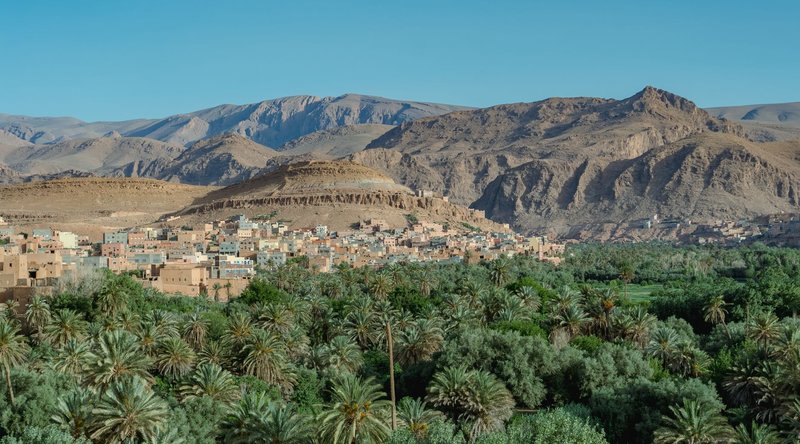
Fujairah sits on the Gulf of Oman side of the country, cut off from the rest of the UAE by the Hajar Mountains — geography that shaped a different history from the Gulf-facing emirates.
8. Fujairah Fort
Built in the 1670s, this is the oldest fort in the UAE, predating most of the others by over a century. It sits on a rocky outcrop above Fujairah’s old town, near Ain Al Madhab hot springs, and was partially damaged by British naval bombardment in 1925 before later restoration. The adjoining Fujairah Museum covers the fort’s role in regional trade routes between the interior and the Indian Ocean.
9. Wadi Wurayah National Park
Wadi Wurayah was the UAE’s first declared national park and a designated wetland under the Ramsar Convention, protecting a mountain valley with permanent waterfalls, rock pools, and the last known wild population of Arabian tahr in the country — a goat-like mountain mammal tracked by the IUCN Red List as endangered. In 2026, the site’s cultural and ecological landscape earned a new UNESCO recognition, adding a historical dimension to what most visitors previously treated as a hiking destination: rock art and old grazing settlements scattered through the valley point to human use of the wadi going back centuries. Permits are required and visitor numbers are capped, so book ahead through the Fujairah tourism authority.
The Northern Emirates: Ras Al Khaimah, Ajman, Umm Al Quwain
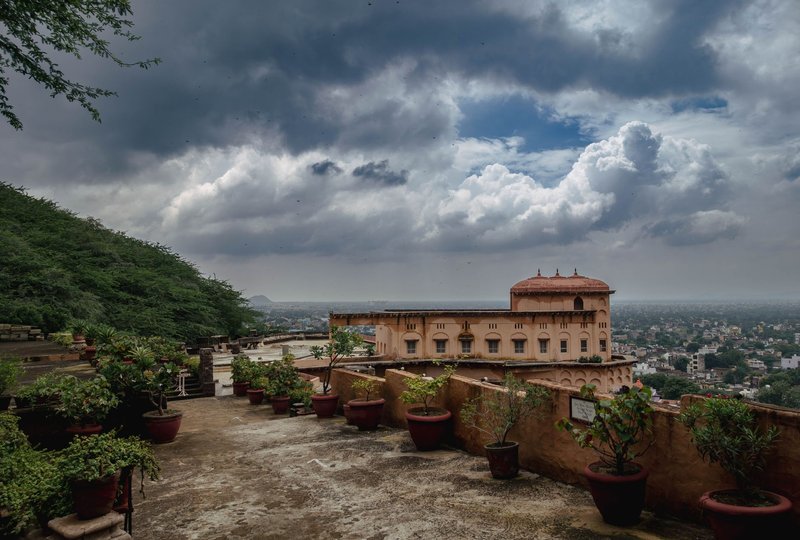
These three get the least coverage of any UAE emirates, which is strange, because between them they hold the country’s only hilltop fort, its most intact old fort-turned-museum, and an Iron Age settlement most competing lists skip entirely.
10. Dhayah Fort
The only fort in the UAE built on a natural hill rather than flat ground, Dhayah Fort in Ras Al Khaimah is best known for one event: in 1819, it was the site of the last stand of Qawasim forces against a combined British-Omani naval assault, part of Britain’s campaign against Gulf shipping it labeled piracy. The climb to the top is steep and shadeless but short, and the view over the Dhayah lagoon and date plantations below explains why the position held out as long as it did.
11. Ajman Fort and National Museum
Built around 1775 as the ruling family’s residence, Ajman Fort now houses the Ajman National Museum, one of the better-preserved fort interiors in the country. Reconstructed rooms show a traditional wind-tower house, a wooden dhow, and displays on the pearling economy that sustained Ajman before oil. It’s smaller and quieter than the Dubai or Sharjah museums, which makes the exhibits easier to actually read rather than shuffle past.
12. Umm Al Quwain Fort and Al Dour
The old UAQ fort, now the Umm Al Quwain National Museum, sits on the emirate’s lagoon and covers the region’s pearling and fishing history. A few kilometers away, the Al Dour archaeological site holds the remains of an Iron Age and pre-Islamic settlement, including a temple structure and burial sites dating back roughly 2,300 years — one of the least-visited serious archaeological sites in the country, largely because almost nothing has been written about it in English-language travel content.
A 3-Day Heritage Trail
Rather than treat these as scattered day trips, they link geographically into a route that starts in the interior and works north along the coast.
Day 1 — Al Ain. Start at Jebel Hafeet’s tombs in the cool of the morning, then Al Ain Oasis, then Al Jahili Fort in the afternoon once the museum reopens from its midday closure. Stay in Al Ain rather than driving back to Abu Dhabi city; it saves close to two hours of driving the next morning.
Day 2 — Sharjah. Drive north to Mleiha to see the Faya Palaeolandscape area and its visitor center, then continue into Sharjah city for the Heart of Sharjah quarter in the late afternoon, when the light through the wind towers is better for photos and the heat has broken. Overnight in Sharjah.
Day 3 — The northern emirates. Head north through Ajman (fort and museum, an hour is enough), Umm Al Quwain (fort plus Al Dour if you have an extra hour), and finish at Dhayah Fort in Ras Al Khaimah before sunset. It’s a full driving day, but none of the individual stops takes more than 90 minutes, and the roads between them are fast, well-signed highway.
Skip Fujairah on this route unless you’re adding a fourth day — Wadi Wurayah’s permit system and the mountain crossing from Ras Al Khaimah make it worth treating as its own trip rather than a rushed add-on.