Contents
- TLDR
- The numbers at a glance
- The Taino: the first Jamaicans
- Afro-Jamaicans: Coromantee, Igbo and the Maroons
- Indo-Jamaicans
- Chinese Jamaicans
- Europeans, Jews and the Lebanese and Syrians
- Why the statistics don’t match
- The diaspora
- FAQ
TLDR
Jamaica’s ethnic groups break down like this: about 92% Black (Afro-Jamaican), 6% mixed, under 1% East Indian, and roughly 0.2% each for White and Chinese, according to the 2011 census. The national motto, “Out of Many, One People,” describes it accurately. Nearly every group arrived by force, contract or flight, and each left something specific on the island: jerk seasoning, curry goat, the corner “Chiney shop,” Rastafari, patois grammar.
The numbers at a glance
Jamaica has about 2.8 million people. The 2011 census, the most recent full ethnic breakdown from the Statistical Institute of Jamaica, gives these figures:
| Group | Share of population |
|---|---|
| Black (Afro-Jamaican) | 92.1% |
| Mixed | 6.1% |
| East Indian | 0.7% |
| White | 0.2% |
| Chinese | 0.2% |
| Other | under 1% |
The CIA World Factbook reports the same pattern. Those percentages hide a lot of history. Self-identification in Jamaica is fluid, and a large number of people who tick “Black” have Indian, Chinese, Syrian or European ancestors a few generations back.
The Taino: the first Jamaicans
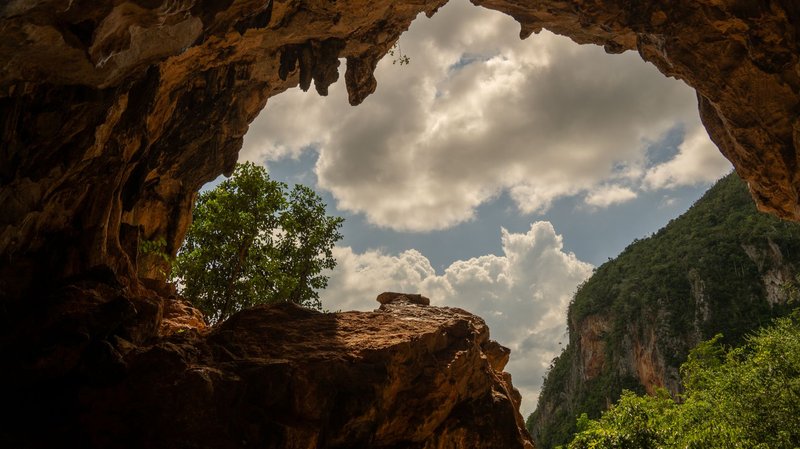
The Taino, an Arawakan-speaking people, reached Jamaica from South America around 600 CE. They called the island Xaymaca, “land of wood and water,” which became Jamaica. When Columbus landed in 1494, tens of thousands lived in villages along the coast.
Spanish colonists who settled from 1509 destroyed the population within a few decades through forced labor, violence and disease. No distinct Taino community survives as a recognized group. But the legacy is concrete. Words like hammock, barbecue, hurricane and canoe passed through Taino into English. Cassava, bammy flatbread and the slow-smoking technique behind jerk all trace back to them. Archaeological sites such as White Marl near Spanish Town still hold their pottery and burial remains.
Afro-Jamaicans: Coromantee, Igbo and the Maroons
Afro-Jamaicans are about nine in ten Jamaicans, and their ancestors came overwhelmingly through the British slave trade after England seized the island from Spain in 1655. Jamaica became one of the richest and most brutal sugar colonies in the Atlantic world. Enslavement ended in stages, with emancipation in 1834 and full freedom after the apprenticeship system ended in 1838.
Two African origins stand out. The Coromantee (also spelled Kromanti) were Akan speakers from the Gold Coast, now Ghana, and were feared by planters for organizing revolts, including Tacky’s War in 1760. The Igbo came from the Bight of Biafra in what is now southeastern Nigeria, and they left a mark on Jamaican speech. Words such as “unu” (you, plural) come from Igbo, and Akan gave Jamaica day names like Cuffy and Quashie and the spider trickster Anansi.
The Maroons
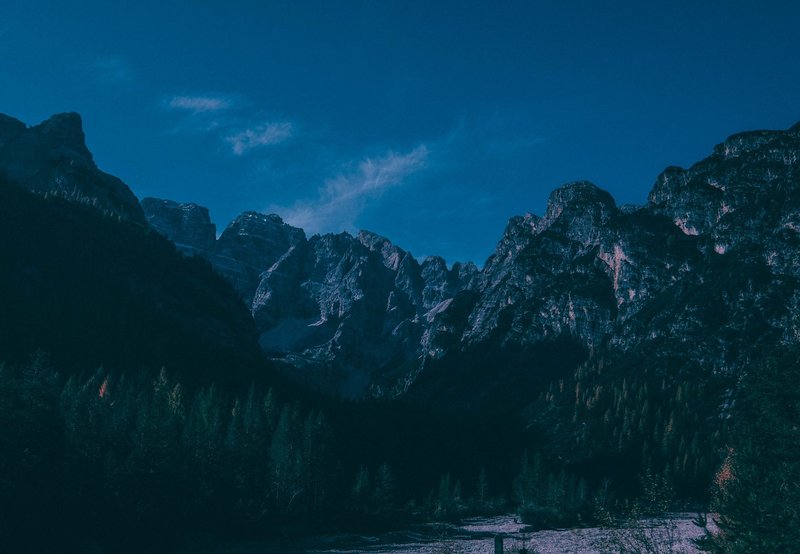
Maroons descend from Africans who escaped plantations, first during the 1655 English invasion and then continuously after. They built free communities in the Cockpit Country and the Blue Mountains. After decades of warfare, the British signed treaties in 1739 and 1740 that gave them land and autonomy. Accompong Town in St. Elizabeth, named for the leader Kojo’s brother, still holds an annual celebration each January 6. Nanny of the Maroons, who led the Windward community, is a national hero. UNESCO recognizes the Blue and John Crow Mountains as a World Heritage site partly because of this Maroon cultural landscape.
Lasting influence
African heritage runs through almost everything. Ackee came from West Africa. Jamaican patois keeps West African grammar over an English vocabulary. Revival, Pocomania and the Rastafari movement, which began in Kingston in the 1930s, blend African spiritual practice with Christian imagery. Reggae and its offshoots grew from this same ground.
Indo-Jamaicans
After emancipation, planters needed cheap labor. Between 1845 and 1917, roughly 36,000 indentured workers came from India, mostly from the northern states. Contracts promised a return passage, but many stayed. About 0.7% of Jamaicans identify as East Indian today, though Indian ancestry among the mixed population is far more common.
You can taste their influence on any menu. Curry goat is the island’s celebration dish, served at weddings and funerals. Roti, curried chicken and the word “dhal” are everyday vocabulary. Ganja, the Hindi word for cannabis, entered Jamaica with these workers. Hindu and Muslim traditions arrived too, including the Muharram procession known as Hosay, though it faded in Jamaica over the 20th century.
Chinese Jamaicans
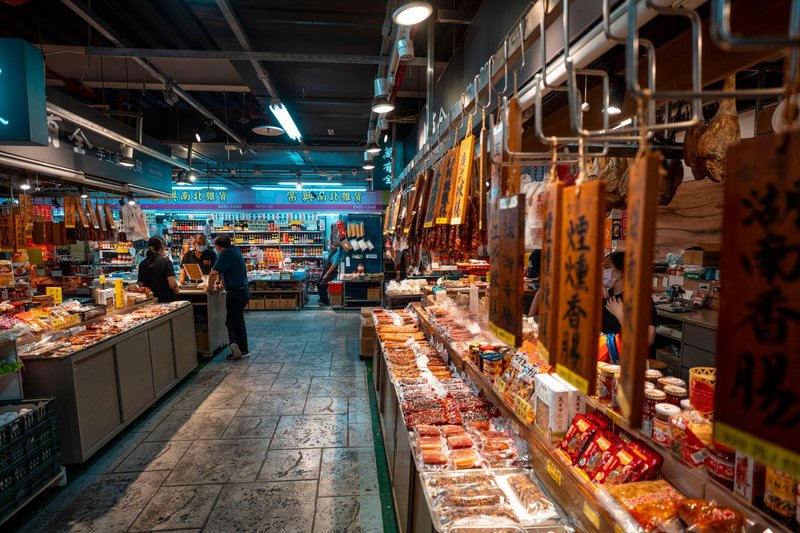
Chinese workers began arriving in 1854 as indentured laborers, and a larger wave of voluntary migrants from Guangdong followed in the early 1900s. Many left plantations quickly and opened small shops. By the mid-20th century the “Chiney shop” was a fixture in nearly every Jamaican town, selling rice, saltfish and rum on credit.
Chinese Jamaicans account for roughly 0.2% of the population, but the community is influential in business and public life. Jamaicans of Chinese and Afro-Chinese descent include the music producer Vincent “Randy” Chin, founder of VP Records, now a major reggae label. Chinese-Jamaican cooking is its own thing: fried rice with jerk chicken, and the sweet-and-sour dishes served at Kingston’s Chinese restaurants.
Europeans, Jews and the Lebanese and Syrians
Most top results stop at the big four. The smaller communities are worth knowing, because their surnames and trades are everywhere.
British and Irish. The planter class and colonial administrators were English, Scottish and Irish. Surnames like Campbell, McKenzie and Grant are widely held by Black Jamaicans today, inherited from owners, overseers or later admiration.
Germans. About 1,000 German migrants arrived in the 1830s to settle in the hills of Westmoreland. The village of Seaford Town still carries German family names such as Schloss, Eldemire and Reid. The experiment was meant to build a white laboring class and mostly failed because of fever and poor land.
Portuguese. Workers from Madeira came in the 1840s to serve as shopkeepers and bakers. Their descendants moved into retail and wholesale, and several leading business families trace back to them.
Sephardic Jews. Jews fleeing the Iberian inquisitions settled in Jamaica from the 1500s onward. By the 1700s, Kingston had one of the largest Jewish populations in the English-speaking Caribbean. Today the Shaare Shalom synagogue in Kingston has a sand floor, a nod to the secret worship of ancestors. Surnames like DaCosta, Lindo and DeSouza are common across the island.
Lebanese and Syrian. Traders from the Ottoman Levant started arriving in the 1890s. They worked as peddlers, then storekeepers, and eventually became prominent in retail, manufacturing and politics. Jamaican Lebanese families now run some of the island’s biggest companies, and the community has produced a prime minister, Edward Seaga, who was of Lebanese descent.
Why the statistics don’t match
You will see different numbers online. The 2011 census records 92.1% Black and 6.1% mixed. A University of the West Indies survey widely cited elsewhere gives about 76.3% Afro-Jamaican and 15.1% mixed.
The gap comes from how the question is asked. The census lets people choose a single label. A survey that explains and prompts for ancestry captures more people who say “mixed.” Jamaica has no official ethnicity-based policy, and a long tradition of “brown” and “black” identities tied to class and color rather than strict bloodlines. Other Caribbean nations face similar challenges with ethnic census data. Both numbers are valid. They are measuring different things.
The diaspora
An estimated three million people of Jamaican descent live outside the island, roughly equal to the population back home. The first big wave went to the United Kingdom after the Second World War. The arrival of the ship Empire Windrush in 1948 became the symbol of the postwar Caribbean migration, and the BBC has documented the later scandal over Windrush-generation Britons being denied their legal status. Large communities also formed in New York, Miami, Toronto and Birmingham, England. In Britain, Caribbean-British culture is inseparable from the Jamaican influence on grime, dub and jerk food.
FAQ
What is the largest ethnic group in Jamaica? Afro-Jamaicans, at about 92% of the population in the 2011 census.
What does “Out of Many, One People” mean? It is Jamaica’s national motto, adopted at independence in 1962. It describes a nation formed from Africans, Indians, Chinese, Europeans, Middle Easterners and others who share one identity.
Who were the original inhabitants of Jamaica? The Taino, who arrived from South America about 1,400 years ago and called the island Xaymaca.
Who are the Jamaican Maroons? Descendants of enslaved Africans who escaped and formed self-governing communities. Accompong Town and the Moore Town settlements still exist.
Are there still Indigenous people in Jamaica? No distinct Taino community is officially recognized, though some Jamaicans trace partial Taino ancestry, and efforts to revive the heritage continue.
How many people of Chinese descent live in Jamaica? About 0.2% of the population by the 2011 census, with a larger number of mixed Chinese-Jamaican ancestry.