TLDR
Uruguay has three UNESCO World Heritage Sites, and all three are cultural. Colonia del Sacramento was inscribed in 1995, the Fray Bentos Industrial Landscape in 2015, and the Church of Atlántida by Eladio Dieste in 2021. None is a hard trip from Montevideo. The church is a one-hour bus ride, Colonia is about two and a half hours, and Fray Bentos is the long one at roughly four.
Contents
- The three sites at a glance
- Colonia del Sacramento (1995)
- Fray Bentos Industrial Landscape (2015)
- Church of Atlántida by Eladio Dieste (2021)
- A route that links all three
- Uruguay’s tentative list
- FAQ
The three sites at a glance
Most lists you’ll find online stop at two sites, because they predate the 2021 listing. The current count is three.
| Site | Inscribed | Department | Distance from Montevideo |
|---|---|---|---|
| Historic Quarter of Colonia del Sacramento | 1995 | Colonia | about 175 km west |
| Fray Bentos Industrial Landscape | 2015 | Río Negro | about 300 km northwest |
| Church of Atlántida (Eladio Dieste) | 2021 | Canelones | about 45 km east |
Uruguay has no natural World Heritage Sites. The country’s listings are about what people built, and each one is a different kind of building: a fortified colonial town, a meat-processing complex and a brick church.
Colonia del Sacramento (1995)
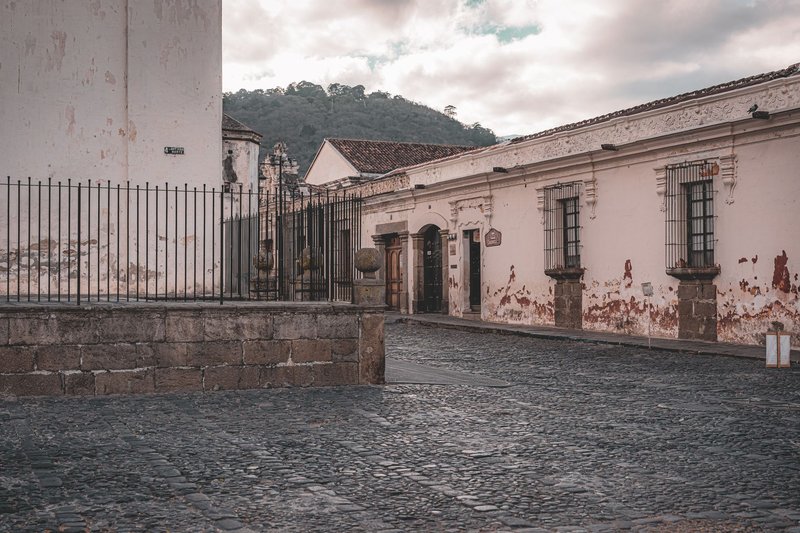
Portugal founded Colonia in 1680 as a smuggling-friendly outpost directly across the Río de la Plata from Buenos Aires, which was Spanish. Spain and Portugal fought over the place for roughly a century, and the town changed hands several times. That tug-of-war is why the Historic Quarter looks the way it does: a Portuguese street layout with Spanish buildings grafted on, plus later additions from both sides.
UNESCO listed it under criterion (iv), as an outstanding example of a fortified colonial settlement that blends Portuguese, Spanish and post-colonial styles. The whole quarter is small enough to walk end to end in 20 minutes, which is part of its charm and part of its problem on a busy weekend.
What you actually see: the Portón de Campo, the reconstructed town gate with its drawbridge; the Calle de los Suspiros, a cobbled lane lined with low tiled-roof houses; and the 1857 lighthouse, which you can climb for a view over the old rooftops and the estuary. Walking the streets costs nothing. A handful of small museums charge a modest fee, usually bundled into one ticket, so check the current price at the tourist office near the gate.
Getting there is easy. Buses from Montevideo’s Tres Cruces terminal take about two and a half hours. From Buenos Aires, a ferry crosses in roughly an hour, which makes Colonia the most common way visitors enter Uruguay. Day-trippers arrive mid-morning and leave by late afternoon. Stay one night and you get the quarter at sunrise and after dark, when the crowds are gone and the streets are lit by old street lamps.
Plan on a half day at minimum, or a full day with the museums and a walk along the river.
Fray Bentos Industrial Landscape (2015)
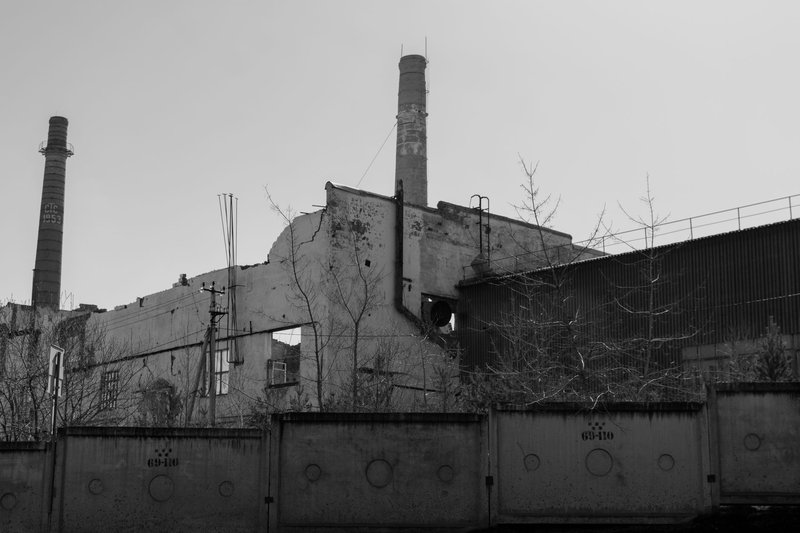
Fray Bentos is the least visited of the three and the most unusual. The site is a former meat-extract and canning complex on the Río Uruguay, and it explains a good chunk of how the 19th-century world fed itself.
The Liebig Extract of Meat Company opened here in 1865 to turn Uruguayan cattle into concentrated beef extract for the European market. In 1924 the British Anglo company took over and expanded into corned beef and frozen meat. The brand name “Fray Bentos” still turns up on tins of pie and corned beef in British supermarkets. The plant shut down in 1979. UNESCO listed the complex under criteria (ii) and (iv), as an outstanding example of the global meat-processing industry and the migration and trade networks that came with it.
The buildings were left remarkably intact. The Museo de la Revolución Industrial now occupies the site and runs guided visits through the slaughterhouse floor, the cold stores, the offices and the workers’ quarters. You see the machinery in place, and the bigger-than-life scale of an operation that once employed thousands. Tours are the standard way in, so confirm hours and booking before you go, as schedules change by season.
Getting there takes some planning. Direct buses run from Montevideo’s Tres Cruces terminal and take around four hours. By car it is about the same, a long drive across flat farmland. The town itself is quiet. Give the site two to three hours, then spend the rest of the day on the riverfront. Fray Bentos works best as an overnight stop rather than a rushed day trip.
Church of Atlántida by Eladio Dieste (2021)
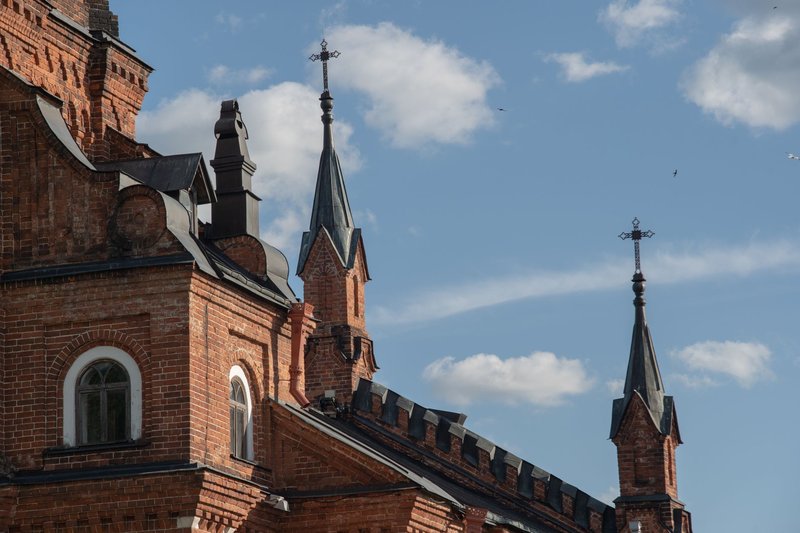
The newest listing is the one that surprises people. The Church of Cristo Obrero y Nuestra Señora de Lourdes sits in Atlántida, a beach town on the Canelones coast. It looks like nothing else you’ve seen: a long, rippling brick nave with walls that curve in and out like fabric.
Engineer Eladio Dieste (1917-2000) designed it and built it between 1958 and 1960. His specialty was reinforced brick. By shaping thin brick shells into curves, he got structures that are light, cheap and very strong, spanning wide spaces with almost no visible support. The church’s undulating walls are not decoration. The curves are what hold the roof up. Dieste’s work earned wide recognition in engineering and architecture circles, and the UNESCO listing covers the church as the most complete expression of his approach.
Inside, light enters through the gaps in the wavy wall and falls across a plain brick interior. It is a working parish church, so be quiet and check service times before you visit. Entry is free.
Atlántida is about 45 km from Montevideo, a bus ride of roughly an hour from Tres Cruces. That makes it the easiest of the three to fit in. Allow 30 to 60 minutes at the church, then walk to the beach. Visit in summer if you want the town at its liveliest, or in the off-season for an empty church and a calm shoreline.
A route that links all three
You don’t need a car, and you don’t need to fit everything into a single trip. Montevideo makes the best base because all three sites are reachable by bus.
- Day 1, Atlántida. Morning bus out, church, lunch by the beach, bus back. This is a half-day trip.
- Day 2, Colonia. Bus west in the morning, an afternoon in the Historic Quarter, and an overnight stay if you can.
- Day 3, Fray Bentos. Colonia to Fray Bentos is about 270 km, roughly three hours by car. By bus, the simplest path usually runs back through Montevideo or a connection along the coast, so build in extra time. Take the guided tour and stay the night.
Pair the trip with the shoulder seasons, spring (September to November) or autumn (March to May). Summer brings heat and crowds to Colonia, and winter can be cold and damp, though that makes little difference at the Atlántida church or the Fray Bentos tour.
Uruguay’s tentative list
Uruguay has additional places on its tentative list, the shortlist of sites a country intends to nominate in the future. A tentative listing is not a protection or a guarantee of inscription. Nominations take years and many never make it. UNESCO publishes the current entries on its page for Uruguay, which is the source to trust, since the list changes.
FAQ
How many World Heritage Sites does Uruguay have? Three: Colonia del Sacramento (1995), the Fray Bentos Industrial Landscape (2015) and the Church of Atlántida by Eladio Dieste (2021).
Are any of them natural sites? No. All three are cultural.
Which one should I visit if I only have a day? Colonia del Sacramento. It is the most visited, the easiest to reach and the most walkable.
Can I visit them without a car? Yes. All three are served by buses from Montevideo’s Tres Cruces terminal, and Colonia also has ferry links from Buenos Aires.
Is entry free? Walking the Colonia streets and visiting the Atlántida church costs nothing. Museums in Colonia and the guided tours at Fray Bentos charge fees, so check current prices.