Table of Contents
- TLDR: The Safest Cities in Uganda
- How We Ranked Them
- The 10 Safest Cities in Uganda, Ranked
- Comparison Table
- Safest Neighborhoods in Kampala
- Transport and Night Safety
- Emergency Numbers and Current Conditions
TLDR: The Safest Cities in Uganda
Fort Portal, Mbale and Entebbe are the safest cities in Uganda for most visitors. Fort Portal is small, hilly, and built around tourism to Kibale Forest. Mbale is a university and market town where most trouble is a pickpocket at the bus park. Entebbe is quiet, green, and sits next to the airport.
Kampala is the city most visitors can’t avoid, and it ranks last here. That isn’t because it’s dangerous in the way headlines suggest. It has the most phone snatching, the worst traffic, and the most scams, simply because it has the most of everything. Stay in Kololo, Nakasero or Muyenga and it’s manageable.
Violent crime against tourists is rare across the country. Petty theft, road accidents and night travel are what actually hurt people.
How We Ranked Them
Most “safest places in Uganda” lists rank towns by vibe. We scored each city on six things:
- Petty crime: pickpocketing, bag and phone snatching, and theft from vehicles.
- Violent and night-time crime: muggings, and how risky it is to walk after dark.
- Road safety: traffic density, boda-boda (motorcycle taxi) use, and the quality of the roads in and out.
- Policing and tourism infrastructure: visible police, tourist-oriented hotels, and how easy it is to get help.
- Scams: taxi overcharging, fake guides, and romance or advance-fee fraud.
- Women’s and solo traveler safety: harassment levels and how comfortable it is to move around alone in daylight.
Smaller cities score well because there is less crowd cover for thieves and fewer cars to hit you. Border towns lose points for proximity to unstable areas. Check your government’s current advice before you go; the US State Department’s Uganda advisory and the UK government’s Uganda travel advice both update regularly.
The 10 Safest Cities in Uganda, Ranked
1. Fort Portal
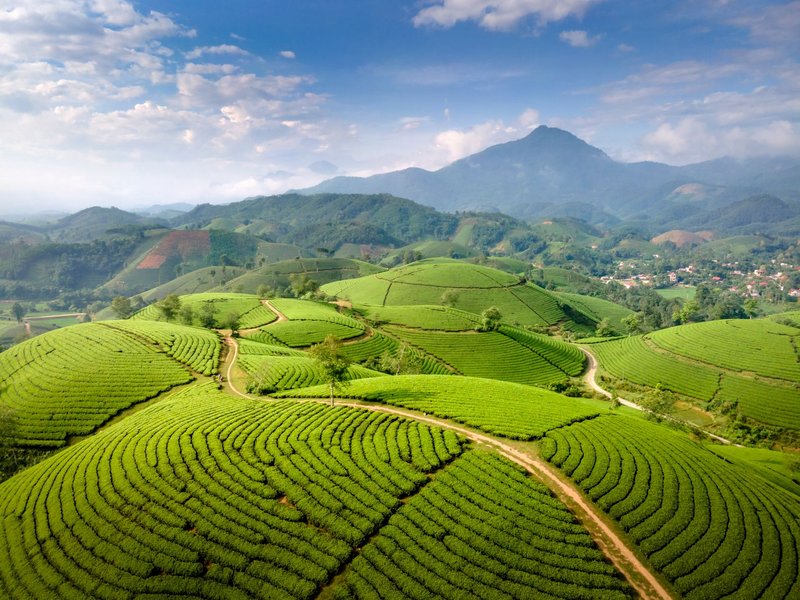
Fort Portal sits in western Uganda among tea estates and crater lakes, and it has the lowest tourist-facing crime of any city on this list. The center is compact enough to walk in daylight, and the Toro Kingdom’s palace and its hilltop setting keep the main streets busy with locals rather than hustlers.
Safest area to stay: the hotels around Kabarole and the roads leading up toward the Mountain of the Moon area, or the lodges near the crater lakes if you have a car. Real risks: boda-boda accidents on the steep roads, and the occasional bag lift in the central market. Use a driver for Kibale chimpanzee treks rather than a random motorbike.
Best for: solo women, families, first-time visitors.
2. Mbale
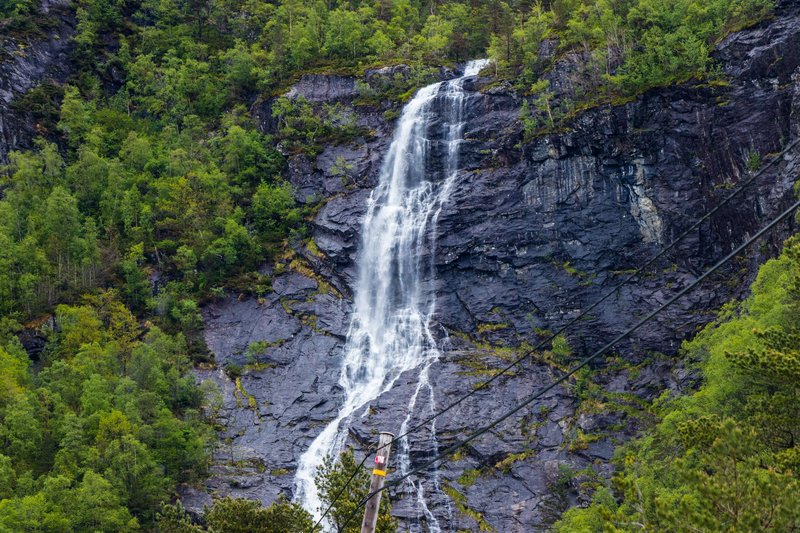
Mbale lies at the foot of Mount Elgon and works as the base for Sipi Falls and the Wanale Ridge hikes. It’s a working city with a university, a busy market, and very little in the way of a tourist scam industry. Locals tend to be curious rather than commercial.
Safest area to stay: the Wanale side of town, or the lodges toward Sipi if you want to be out of the center. Real risks: pickpockets in the central market and around the bus parks, and slippery trails on Elgon in the rains. Hire a Uganda Wildlife Authority-registered guide for the mountain.
Best for: backpackers, hikers, anyone who wants a real Ugandan town.
3. Entebbe
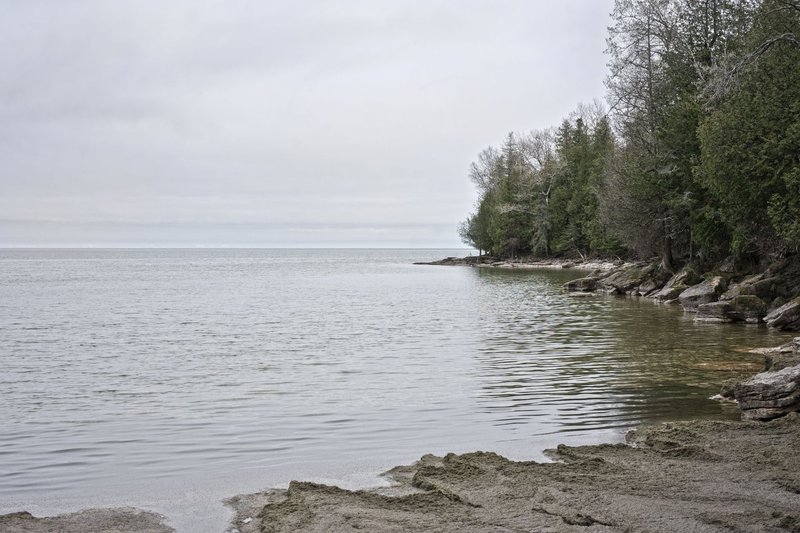
Entebbe is where most flights land, and it feels nothing like Kampala 40 kilometers up the road. The peninsula on Lake Victoria is leafy and low-density, with the Botanical Gardens, the Uganda Wildlife Education Centre, and a long lakeside stretch of guesthouses.
Safest area to stay: the lakeside neighborhoods and Kitoro, near the gardens. Real risks: unlicensed airport taxis charging triple, and a few dark stretches at night where you shouldn’t walk alone. Book a hotel pickup or use a ride-hailing app from the arrivals area.
Best for: arrival and departure nights, short stopovers, families with small kids.
4. Jinja
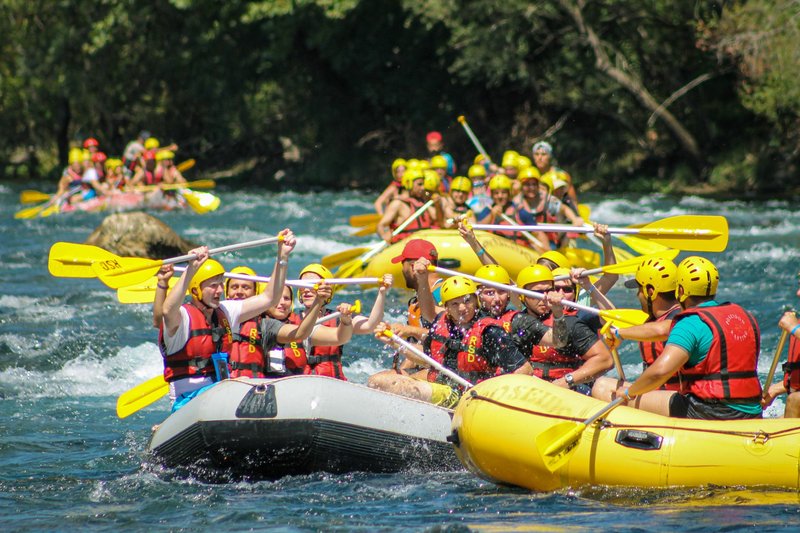
Jinja is the adventure capital, with white-water rafting on the Nile at the source and a long list of backpacker hostels. Tourists are everywhere, which has two effects: police and hotels know how to deal with visitors, and a few touts know how to target them.
Safest area to stay: the hostels and lodges around Bujagali and along the river, or the quieter residential streets near the town’s colonial-era center. Real risks: bag theft from unattended items on the river, boda-boda riders who quote one price and demand another, and some night-time muggings on poorly lit side streets. Take a vehicle after dark, even for short distances.
Best for: backpackers, adventure travelers, solo travelers who want company.
5. Mbarara
Mbarara is the largest city in the southwest and the home of Ankole long-horned cattle. It’s a commercial and university town more than a tourist one, and most visitors pass through on the way to Lake Mburo National Park or on to Kabale and Bwindi.
Safest area to stay: the hotels near the town center and the ones along the main Masaka-Mbarara highway, which see regular business travelers. Real risks: traffic on the highway, and the usual market pickpockets. Cross the roads carefully; the heavy trucks between Kampala and the border don’t brake for pedestrians.
Best for: overland travelers heading to the gorilla parks.
6. Kabale
Kabale is the cold, hilly gateway to Lake Bunyonyi and Bwindi’s southern sector. It’s small, calm and used to trekkers. Most trouble here is the weather: roads turn slick, and landslides can close routes in the rainy seasons.
Safest area to stay: the lodges on the road to Lake Bunyonyi, which are walled and run by long-established operators. Real risks: road conditions, hustlers selling “special tours” near the bus stage, and the temperature drop after dark. Prepay your trek and your transfer through a recognized company.
Best for: gorilla trekkers, lake-side relaxing.
7. Gulu
Gulu is the largest city in the north, and it has spent two decades rebuilding after the Lord’s Resistance Army conflict ended in the area. Today it’s a busy commercial hub with banks, NGOs, and a lively nightlife strip. Visitor numbers are low, so you’ll stand out.
Safest area to stay: the hotels near the town center that cater to NGO and business travelers. Real risks: night-time theft, road safety on the long highway from Kampala, and unexploded debris well off the beaten path. Stay on main roads and ask locals before heading into rural areas.
Best for: travelers heading to Murchison Falls from the north, or those curious about Acholi culture.
8. Arua
Arua is the main city of the West Nile region, and it sits close to the borders with the Democratic Republic of the Congo and South Sudan. Within the city, daily life is calm. It loses ground on the ranking because of its location, the long road trip to reach it, and the refugee movements and security situation in the border districts, which can change quickly.
Safest area to stay: the central hotels used by aid workers and officials. Real risks: road travel, and anything near the borders. Check current advice before going, and don’t travel to border districts without local guidance.
Best for: experienced travelers with a reason to be in the northwest.
9. Tororo
Tororo is best known for the volcanic plug that rises behind town and for sitting near the Kenyan border at Malaba. The town itself is low-key. Its challenges come from being a transit town: trucks, long-distance buses, and a steady flow of people passing through.
Safest area to stay: the hotels near the town center, and avoid the border area at night. Real risks: pickpockets and bag thieves at the bus parks and border crossing, and fast-talking money changers. Use the official forex counters.
Best for: border-crossers and day-trippers climbing Tororo Rock.
10. Kampala
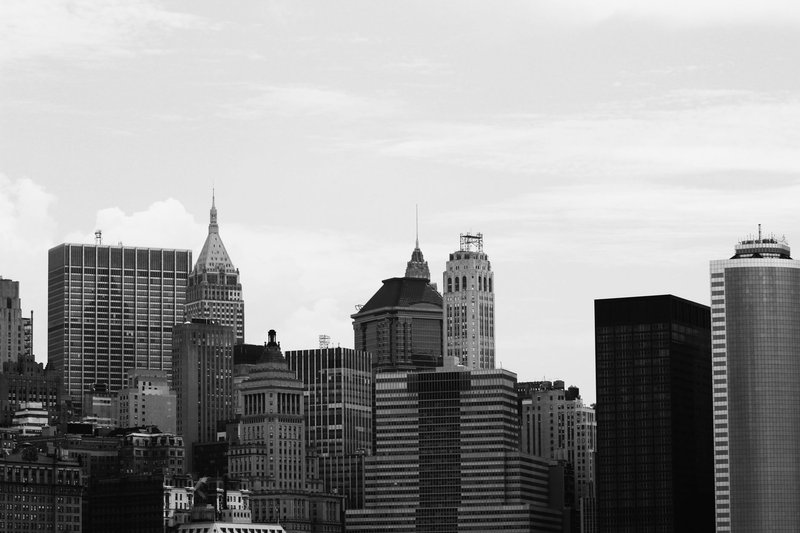
Kampala is Uganda’s capital, a city of seven hills, around two million people by day (more if you count the metro area), and the country’s highest concentration of petty crime. Phone snatching from boda-boda riders, bag grabs through open taxi windows, and fake-police or fake-ticket scams are the usual complaints. Violent crime against tourists is uncommon, but the combination of traffic chaos and opportunists gives it the lowest score here. Choose your neighborhood well and it’s perfectly doable.
Safest area to stay: see the next section. Real risks: snatch theft, boda-boda accidents, night-time muggings in poorly lit areas, and romance scams run through dating apps.
Best for: anyone who needs the museums, restaurants, embassies or the airport connection.
Comparison Table
| Rank | City | Region | Main risk | Night walking | Solo women |
|---|---|---|---|---|---|
| 1 | Fort Portal | West | Boda-boda accidents | Avoid unlit roads | Good |
| 2 | Mbale | East | Market pickpockets | Avoid | Good |
| 3 | Entebbe | Central | Airport taxi overcharging | Avoid outside lit areas | Good |
| 4 | Jinja | East | Bag theft, night muggings | Take a vehicle | Good with care |
| 5 | Mbarara | Southwest | Highway traffic | Avoid | Good |
| 6 | Kabale | Southwest | Roads, landslides | Avoid | Good |
| 7 | Gulu | North | Night theft, road safety | Take a vehicle | Fair |
| 8 | Arua | Northwest | Border-area instability | Avoid | Fair |
| 9 | Tororo | East | Transit-town theft | Avoid | Fair |
| 10 | Kampala | Central | Snatch theft, scams, traffic | Take a vehicle | Fair, neighborhood-dependent |
Safest Neighborhoods in Kampala
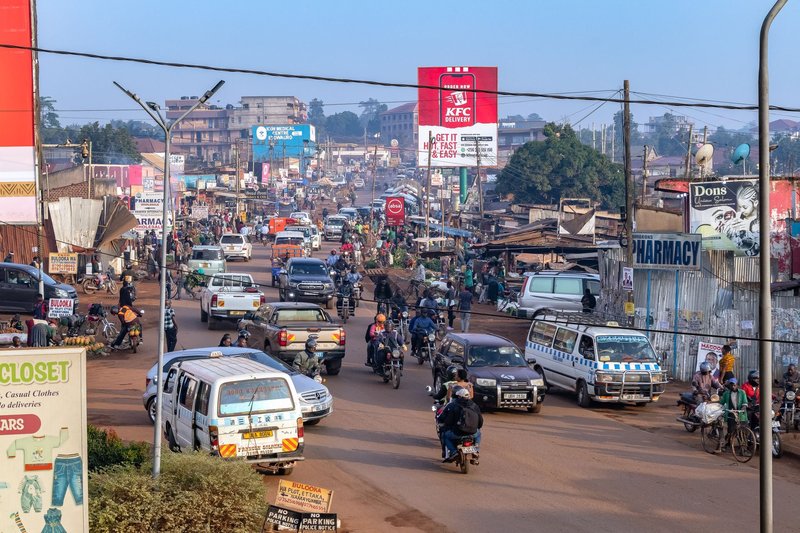
Where you sleep matters more in Kampala than in any other Ugandan city.
Kololo. The diplomatic and expat heartland. Embassies, security guards at nearly every gate, and plenty of restaurants. Take a ride home after dark, but it’s the most comfortable base for a first visit.
Nakasero. Next door to Kololo, with a quieter, leafier feel, a good market, and a number of established hotels. Streets are well lit near the main roads.
Muyenga. Known as “Tank Hill” after the water tank on the summit. A hillside residential area with views, popular with expats and long-stay visitors, and a good place to rent an apartment. The roads in and out are steep and busy at rush hour.
Bugolobi and Ntinda. Residential, middle-class, and less tourist-oriented. Both have supermarkets, cafes and a calmer pace, with longer rides into the center.
Areas to be careful in. The Old Taxi Park and the Kikuubo trading streets in downtown are crowded and ideal for pickpockets, so go during the day with a minimum of valuables. Kisenyi and Katwe aren’t places for tourists to wander, especially after dark. If you want to see a market, go with a local guide.
Transport and Night Safety
- Skip boda-bodas for long rides and don’t ride without a helmet. Road crashes are the main danger for travelers in Uganda. If you do ride, insist on a helmet and keep your phone out of sight.
- Use ride-hailing in Kampala and Entebbe. Uber, Bolt and SafeBoda show you the price and the driver’s details up front, and they cut the overcharging.
- Take vehicles at night. Even for short distances. Unlit streets are where most muggings happen.
- Avoid long-distance night drives. Highways have unlit trucks, wandering livestock and potholes. Plan to arrive before dark.
- Phone snatching: don’t walk with your phone in hand near the road, and keep windows up in slow traffic.
- Romance scams: be skeptical of anyone who moves fast online and asks for money for a ticket, a visa, or a family emergency.
- LGBTQ travelers: Uganda’s 2023 Anti-Homosexuality Act carries severe penalties. Be discreet and read your government’s advice.
- Health: malaria is present throughout the country. Check the CDC’s Uganda traveler page for vaccines and prophylaxis before you leave.
Emergency Numbers and Current Conditions
- Police: 999 or 112
- Ambulance: 911 does not work in Uganda. Call 999 or 112 first, and ask your hotel or lodge for the nearest private clinic. In Kampala, private hospitals usually respond faster than public ones.
- Tourist police: ask your hotel for the local contact. Uganda has a tourism police unit that deals with visitors’ complaints.
Conditions change. Uganda held a presidential election in January 2026, and political events can bring heavier security and protests, especially in Kampala. Armed attacks have occurred in the past, including bombings in Kampala in 2021 and an attack near the Congo border in 2023, so check your government’s advice for your travel dates and stay away from large crowds during unrest.
For most visitors, though, Uganda’s biggest risks are the ones you can plan for: pick a sensible base, travel in daylight, use apps and trusted drivers, and keep your phone in your pocket. Do that, and Fort Portal, Mbale, Entebbe and the rest are places where the main thing you’ll worry about is the road.