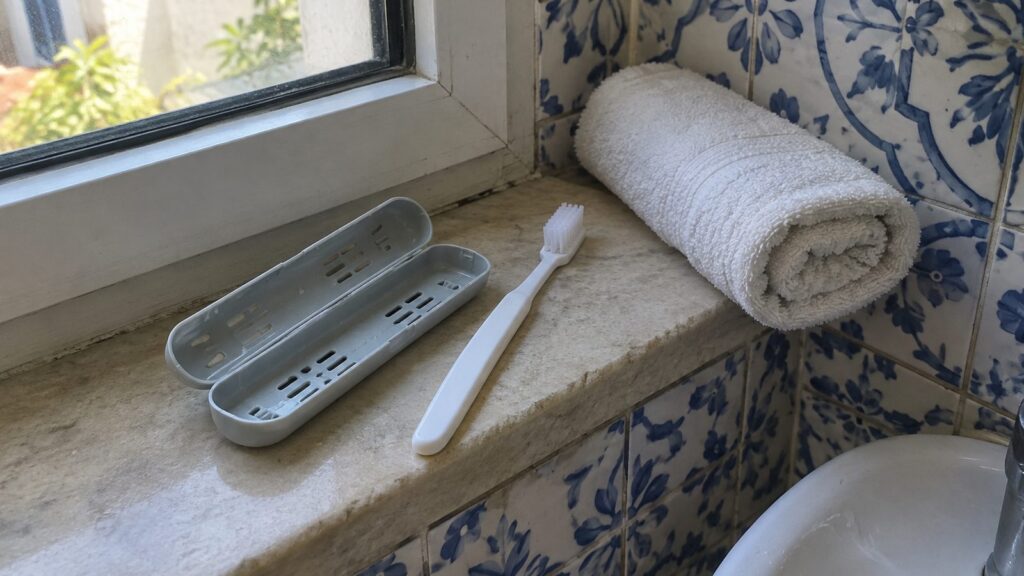
Most people pack a toothbrush rinsed, still wet, snapped into a sealed tube and left there until the next night. The ADA advises against exactly that: a moist brush in a closed container. The best travel toothbrush case lets the brush breathe in transit, which means a vented hard case for a manual brush or a zip case cut for the handle and charger if you brush electric. Once you arrive, the brush comes out to dry in open air.
Best travel toothbrush case: the short list
- Manual brush, vented: Oralphi Aluminum Case, a metal tube with side vents and a drain hole.
- Manual brush, leak-proof: RADIUS Snap-Lock Case, one piece of plastic with a snap lid.
- A family of four: Mulbozy 4-Pack, vented cases in four colors.
- Brush and toothpaste in one container: Topavatop 2-in-1 case, whose lid doubles as a rinse cup.
- Smallest option: Steripod clip-on cover for the head only, or a GUM folding brush that needs no case.
- Sonicare ProtectiveClean: caseling Sonicare case, foam-cut for the handle and charger.
- Oral-B Pro or iO: hard EVA electric case with straps and a cord pocket.
- Any electric brush: ProCase universal case.
- Travel toothbrush holder for the bathroom: LEVERLOC suction holder for hotel tile, or a magnetic holder for cruise cabin walls.
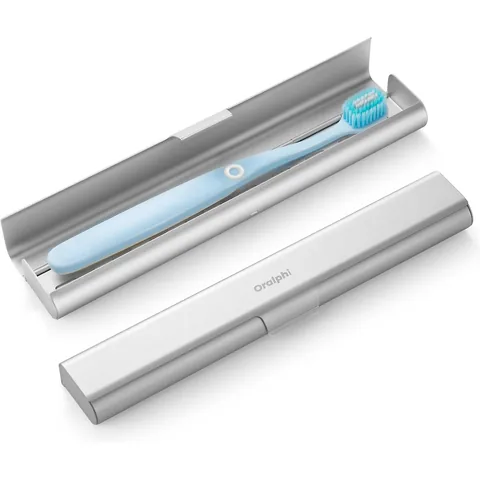 Oralphi Aluminum CaseBudgetCheck price on Amazon
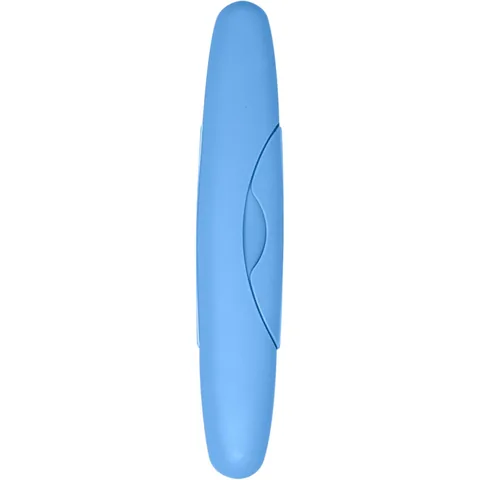 RADIUS Snap-Lock CaseBudgetCheck price on Amazon
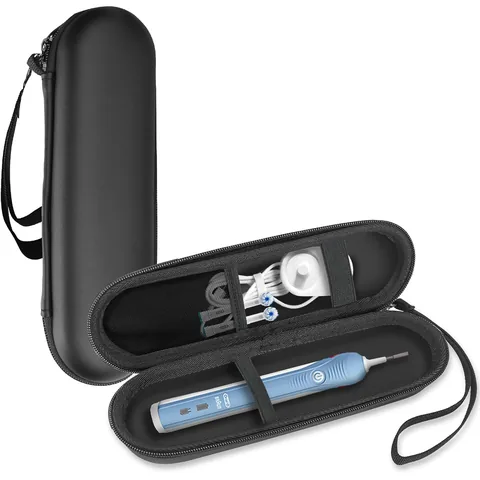 ProCase Electric Brush CaseMid-rangeCheck price on Amazon
Vented or sealed: what dentists and studies say about toothbrush cases
The American Dental Association and the CDC give the same advice. Rinse the brush, store it upright and let it air dry. Don’t routinely cover it or keep it in a closed container, because a moist, closed space suits bacteria better than open air. The ADA adds that brushes sharing a holder should not touch.
The research behind that advice is mostly about humidity. A 1984 lab study found bacteria on brushes died off much faster in circulating air than in closed containers over 24 to 72 hours. A 2012 review of 10 studies concluded that closed storage containers generally raised bacterial load or survival time. A 2023 update covering 15 more studies named the humidity trapped by a plastic cover as one factor in contamination.
The evidence is not one-sided. A recent study of 36 students found lidded brushes kept inside a bathroom with a toilet carried *Enterococcus faecalis* less often than uncovered ones (2 of 9 against 5 of 9). A study of 40 brushes used for a month also found capped brushes less contaminated. Both used small groups, and none of these studies found that a contaminated brush made anyone ill. The CDC notes that no published research has shown that.
For travel, those findings point to one routine:
- In transit, a case is worth it. A bare brush in a toiletry bag rubs against a razor, a hairbrush and whatever leaked from the shampoo.
- Before closing the case, shake the brush and let it dry as long as you can. Both Philips and Oral-B tell owners to dry the brush and head before storing them in the travel case.
- At the destination, take the brush out. Stand it upright in a glass or a holder, away from the toilet, and keep the case open beside it.
- Pick vents for long trips. A travel toothbrush case with ventilation lets some air through on days when you pack straight after brushing.
In March 2026, walking the Rota Vicentina coast path in Portugal, I packed my brush wet into a sealed tube before every early start. By the third guesthouse, in Odeceixe, the tube smelled musty when I opened it. For the rest of the walk it spent each night open on the windowsill, and the smell did not come back.
Sources: ADA toothbrush care, CDC toothbrush handling FAQ (archived), Frazelle and Munro review, 2023 updated review, lidded brush study.
Best travel toothbrush case for a manual brush
A manual brush case needs three things: a length that fits your brush (most standard brushes run 7 to 7.8 inches), a closure that stays shut in a packed bag and vent holes if you often pack the brush damp.
Oralphi Aluminum Case: vented metal that won’t crack
The Oralphi case is an 8.3 x 1.3 x 0.7 in tube of aluminum alloy with ventilation holes along the sides and a drainage hole at the bottom, so water runs out instead of pooling under the bristles. Metal won’t split when a suitcase gets sat on, which thin plastic tubes sometimes do. It is not made for electric brushes. Aluminum dents under a hard knock but keeps protecting the brush.
Oralphi Aluminum CaseBudget
A metal tube that will not crack under a packed suitcase, with ventilation holes and a drainage hole so the brush can dry in transit. Manual brushes only.
- 8.3 x 1.3 x 0.7 in aluminum alloy; listing says it is not for electric brushes
- Ventilation holes along the sides plus a drainage hole at the bottom
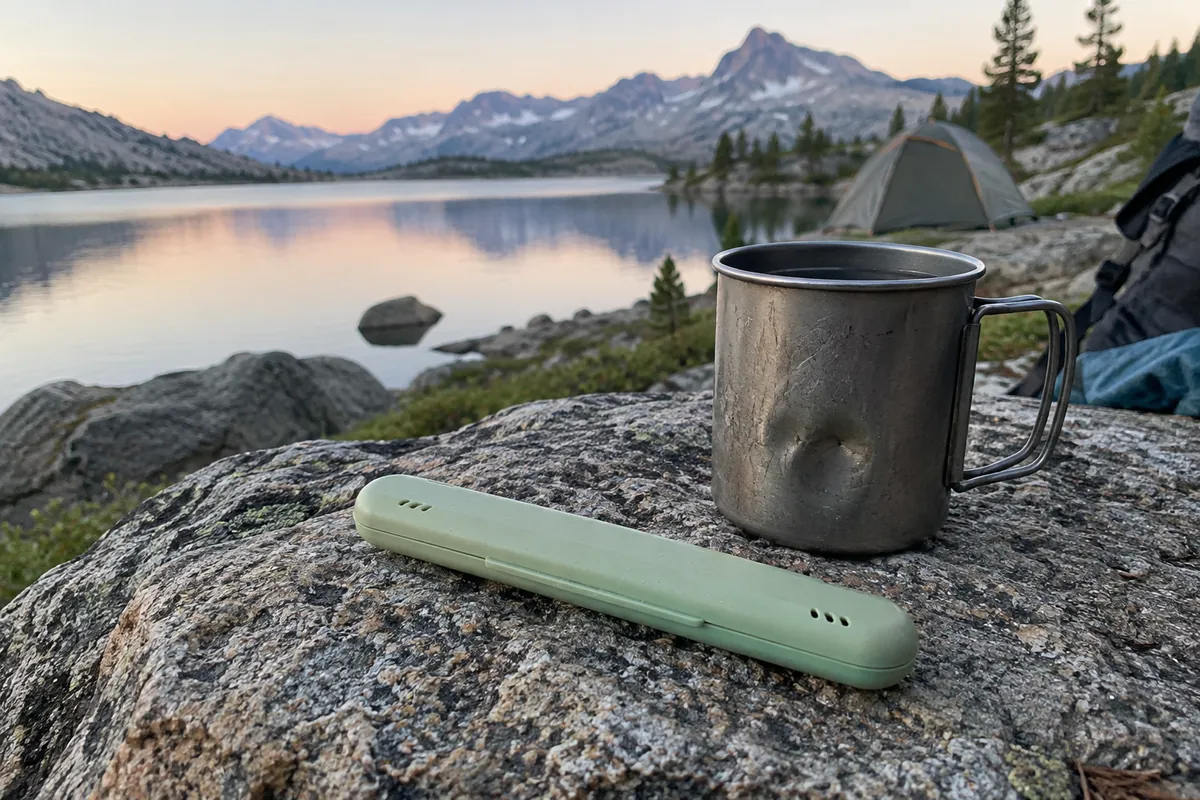
RADIUS Snap-Lock Case: sealed, for a dry brush
The RADIUS case is a single piece of BPA-free plastic, half of it recycled, with a living hinge and a snap lock. At 8.25 in long it takes a standard brush. It has no vents, which makes it the right case for a brush that has had time to dry and the wrong one for packing straight after brushing. Buy the standard-brush version unless you use one of RADIUS’s own oversized brushes.
RADIUS Snap-Lock CaseBudget
A one-piece hard case with a snap lock and a living hinge that won't pop open in a crammed toiletry bag. It has no vents, so dry the brush before closing it.
- Snap-lock lid with a living hinge; 8.25 in long, made from one seamless piece of plastic
- BPA-free plastic that is 50% recycled; the standard-brush version is the one to buy
Mulbozy 4-Pack: one color per person
The Mulbozy set gives four vented cases, each 7.9 x 1.2 x 0.8 in, in pink, blue, beige and green. Assign a color per person and nobody grabs the wrong brush from a shared hotel sink, which also follows the ADA advice to keep brushes from touching. The four weigh 3.9 oz together.
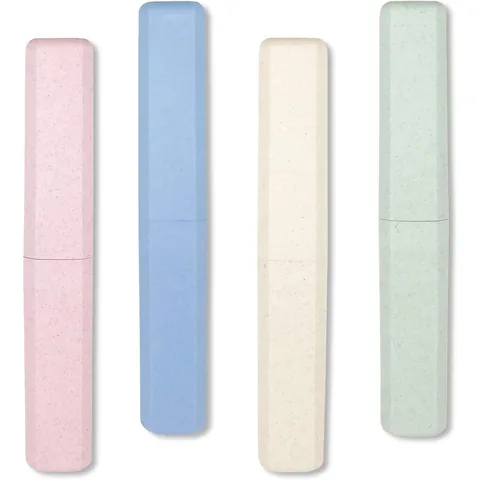
Mulbozy 4-Pack CasesBudget
Four vented cases in different colors, so each person in the family has their own. Color-coding stops brush mix-ups, and a lost one is easy to replace.
- Four cases (pink, blue, beige, green), each 7.9 x 1.2 x 0.8 in; fits brushes up to 7.8 in long
- Double ventilation holes; made from PP and wheat straw with a frosted texture
Travel toothbrush and toothpaste case in one
The Topavatop case is a 7.87 in tall tube, 2.71 in wide, that holds a brush, a travel tube of toothpaste, a comb and a small towel. Its top half comes off and works as a rinse cup, and the case stands up by itself on a sink or a campground shelf. That makes it the best travel toothbrush container for hostels, gym lockers and campsites where a cup and a clean shelf are not given. It is not listed as vented, so leave the lid off overnight.
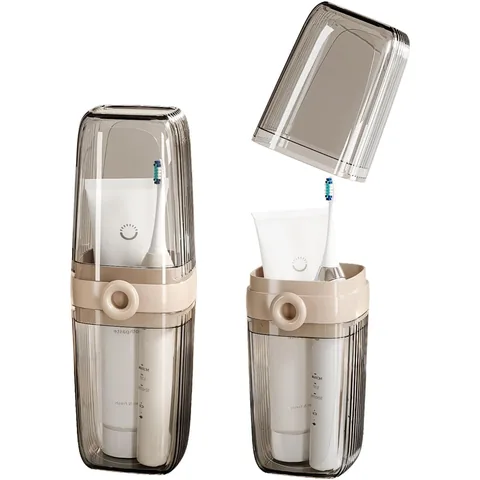
Topavatop Case + Rinse CupBudget
Holds the brush, a travel toothpaste and a comb in one tube, and the top half doubles as a rinse cup for hostels, campsites and gym lockers.
- 2.71 x 2.71 x 7.87 in food-safe PP and PET; fits a brush, toothpaste, small towel and comb
- Top half works as a rinse cup; freestanding on a sink or shelf
Toothpaste in a carry-on falls under the TSA liquids rule: 3.4 oz (100 ml) or less per container, packed in the quart-size bag. Larger tubes go in checked luggage. Toothpaste tablets skip the decanting entirely. The TSA rule covers liquids, aerosols, gels, creams and pastes, and a tablet is none of those. The Humble Co. tablets come 60 to a cardboard pack, contain fluoride and work by chewing one, then brushing with a wet brush.
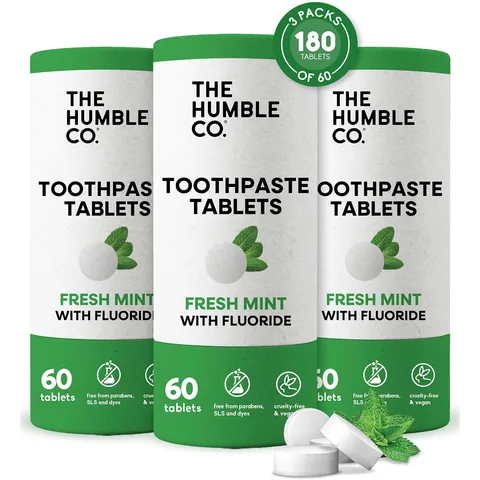
Humble Co. Toothpaste TabletsMid-range
Solid tablets replace the tube, so there is no paste to decant into a 3.4 oz bottle for the security line. Chew one, wet the brush, brush.
- Three cardboard packs of 60 mint tablets (180 total) with fluoride
- Plastic-free cardboard packs; no tube to squeeze, decant or leak
Sources: TSA toothpaste, TSA liquids rule.
Toothbrush covers and folding brushes: the smallest options
A full case is not the only way to protect a brush. On r/HerOneBag, one traveler’s dentist insisted on an electric brush for trips, and the replies said to skip a hard case: a zip pouch or a Steripod head cover saves space. The same thread suggests packing a spare manual brush and floss as a backup for the day a battery runs flat.
Steripod clip-on cover: for the head only
A toothbrush cover for travel is the lightest protection there is. The Steripod snaps over the bristles and leaves the handle bare, so it adds almost nothing to a toiletry bag. It fits most manual brushes and many electric heads. Its scented insert lasts about three months, per the listing, so swap the cover when you swap the brush. Let the bristles dry before clipping it on.
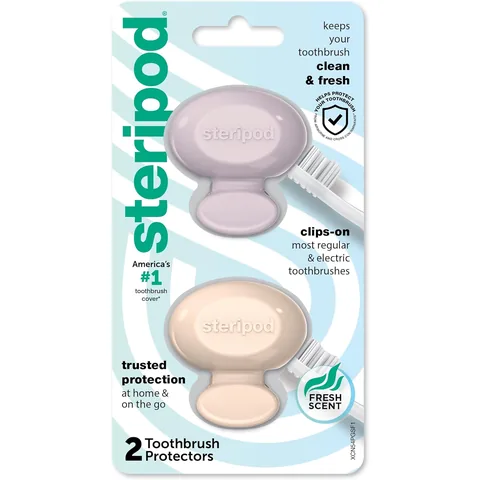
Steripod Clip-On CoverBudget
Clips over the bristles only, so it adds almost nothing to a toiletry bag. The listing says it fits most manual heads and many electric ones.
- Two clip-on covers per pack; fits most manual brushes and many electric heads
- BPA-free plastic with a scented insert that listing says lasts about 3 months
GUM folding brush: no case to pack
The GUM folding brush tucks its bristles inside a tri-fold handle. Closed, it is about the size of a pen, with a built-in tongue scraper. It suits a weekend carry-on, a backpack day bag or a night on a train where a full toiletry kit stays in the luggage rack.
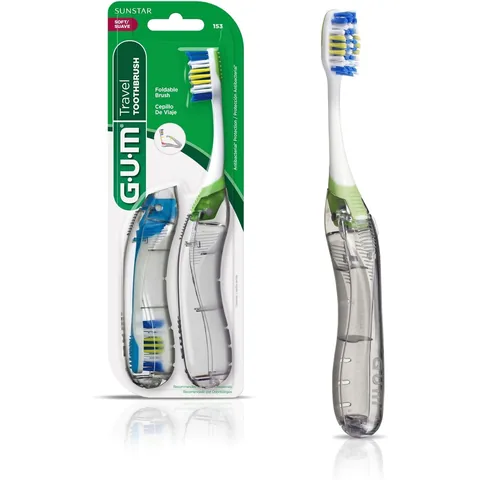
GUM Folding Travel ToothbrushMid-range
The brush folds into its own handle, so for a weekend carry-on there is no case to buy, pack or lose. Spare one for the work bag or glove box.
- Tri-fold handle with the bristles tucked inside; soft bristles, compact head
- Built-in tongue scraper; two brushes per pack
Best electric toothbrush travel case
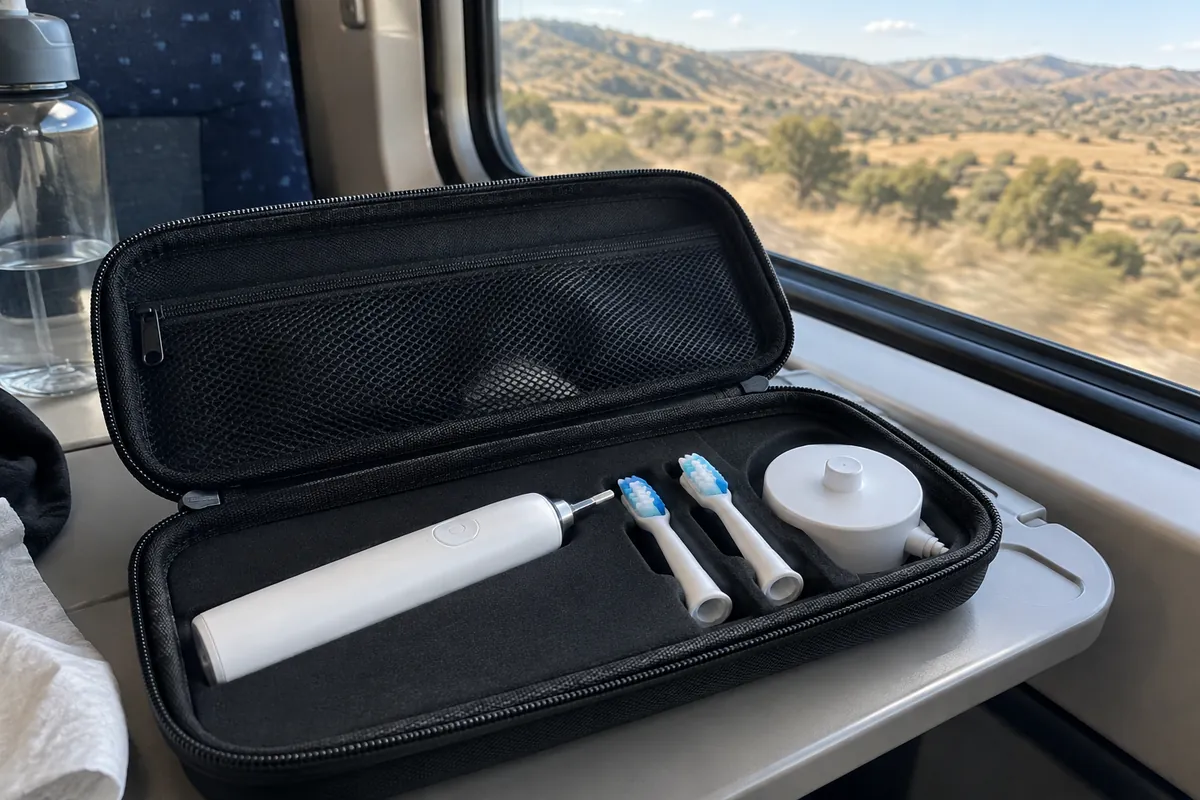
An electric brush needs more room than a manual one. The handle is thicker, and a trip longer than two weeks means bringing the charger and spare heads. An electric toothbrush travel case should hold all three in separate straps or cutouts so the handle can’t knock the heads.
The other job is keeping the brush off. In January 2020, on a Milan to New York flight, my electric brush switched itself on in the overhead bin, pressed by a shoe, and buzzed through the descent. It now travels in a hard case where nothing presses the button.
That matters for the battery rules too. TSA allows an electric toothbrush in carry-on and checked bags and recommends carrying devices with lithium batteries in the cabin. The FAA says that a device with a lithium battery packed in checked luggage must be completely powered off and protected from being switched on. A shaped hard case does the second part.
Sources: TSA electric toothbrush, FAA PackSafe: devices with batteries.
caseling case for Sonicare ProtectiveClean
The caseling case is cut for the Sonicare ProtectiveClean 5100, 5300 and 6100 handle plus their standard round charging base. It is an EVA hard shell of 11.5 x 3.5 x 2.5 in with a zipper, a wrist strap and a half-mesh pocket for spare heads or floss. Check your model number on the handle base before buying. A DiamondClean or 9000-series handle needs a different case.
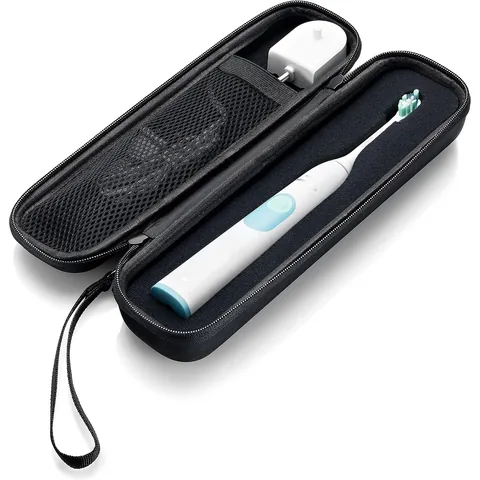
caseling Sonicare CaseMid-range
Foam-cut for Sonicare ProtectiveClean 5100, 5300 and 6100, so the handle and its standard charger base sit still in a checked bag or a carry-on.
- EVA hard shell, 11.5 x 3.5 x 2.5 in, zipper closure and wrist strap
- Foam cutout for the handle and charging base; half-mesh pocket for heads, floss or travel paste
Hard case for Oral-B Pro and iO
This case is listed for Oral-B Pro 1000 through 9600, Smart series and iO handles, and for Sonicare 4100-series brushes. It is a hard EVA shell of 8.7 x 2.9 x 2.36 in with elastic straps for the handle and a head, and a mesh pocket for the cord and a small toothpaste. It comes without a brush.
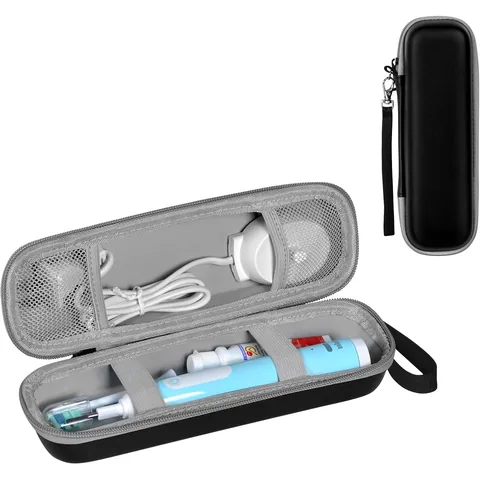
Oral-B Pro Travel CaseMid-range
Listed for Oral-B Pro and Smart series, iO and many Sonicare handles, with elastic straps and a mesh pocket for spare heads and the cord.
- Hard EVA and PU shell, 8.7 x 2.9 x 2.36 in, zipper; elastic straps hold handle and head
- Mesh pocket for cords, brush heads and toothpaste; handle and brush not included
ProCase universal case: most electric brushes
The ProCase is a zip case in EVA and faux leather, listed for Oral-B, Philips and other electric brushes, with an elastic strap to hold the handle and a mesh pocket for heads and the charger. It is the one to buy for a household with several brands, or for a less common brush that has no case made for it.
ProCase Electric Brush CaseMid-range
A zip case for most Oral-B, Philips and other electric handles, with a mesh pocket for spare heads and the charger. Slim enough for a toiletry bag.
- EVA and faux-leather shell with elastic strap and hand strap; listed size 8.6 x 2.7 x 2.5 in
- Fits Oral-B, Philips and other electric models; mesh pocket for accessories
Sonicare and Oral-B travel cases from the brand
Philips and Oral-B make their own travel cases, but most of them come in the box with mid- and high-end brushes. Oral-B says its iO Series 9 ships with a Power2Go charging travel case. Some iO 4 to iO 7 bundles include a basic case, and the iO 2 and iO 3 usually come without one. The simplest route to an official Sonicare travel case or Oral-B travel case is a brush that includes one.
Philips Sonicare 5950 with case
The Sonicare 5950 comes with two brush heads, a USB-A charging stand and the Philips travel case. The listing gives up to 21 days per charge, which covers most trips without the stand. There is no wall adapter in the box, so the stand charges from a laptop, a power bank or a USB plug you already carry.
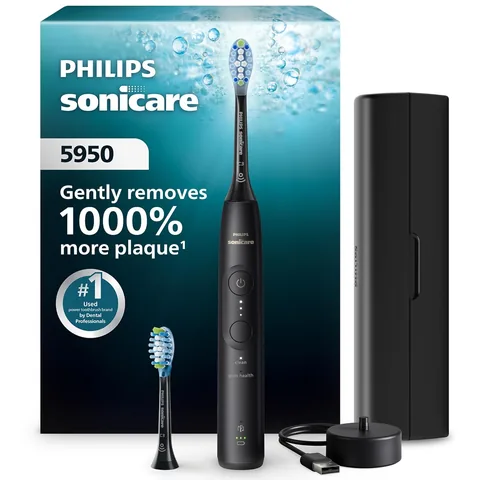
Philips Sonicare 5950Premium
If you are buying a new brush anyway: the Philips travel case and USB charging stand come in the box, and the listing says one charge covers up to 21 days.
- Includes handle, 2 brush heads, USB-A charging stand and the official travel case
- Power adapter not included; charge the stand from a laptop or power bank port
Oral-B iO Series 5 with case
The iO Series 5 bundle includes a brush head, the charger and an Oral-B travel case, so there is no third-party fit to check. Oral-B says its rechargeable brushes hold a charge for up to two weeks of regular use and recommends packing the brush in your carry-on so it isn’t lost with a delayed bag.
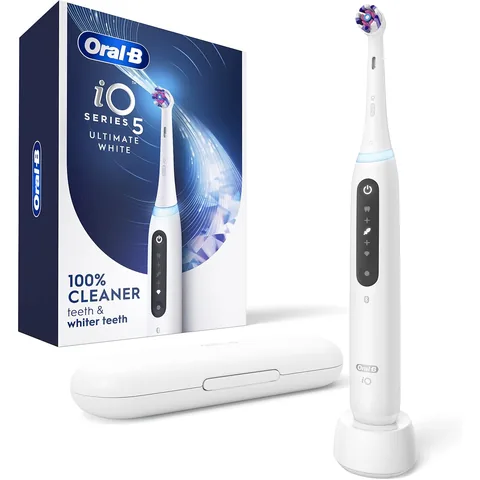
Oral-B iO Series 5Premium
The official Oral-B route for iO owners: the travel case and charger come with the brush, so there is no third-party fit to check.
- Includes handle, 1 brush head, charger and Oral-B travel case
- Rechargeable; model iO G5.1A6.1K
Charging travel cases
A charging travel case charges the brush inside the case, so the separate charger can stay home:
- Oral-B iO charging travel case: runs on 100 to 240 V mains through the supplied power supply. Oral-B says a full charge takes about 6 hours in the case against 3 on the standard charger.
- Sonicare CP0557 (DiamondClean): 23.3 x 7.3 x 5.2 cm, charges by USB-A with the cable included, and fits the DiamondClean Smart 9400 and the Sonicare 7100 Power Flosser bundle.
- Sonicare CP2171: charges by USB-A but ships without the cable, and fits listed 5300, 5500, 6100, 6500 and 7100 models.
Neither brand lists a battery inside these cases. They charge from a cable, so they are chargers, not power banks. Clean both brands’ cases with a damp cloth only. Philips says never to put its case in a dishwasher.
On r/onebag, Sonicare owners often skip the bulky case on short trips and pack only the brush head with the plastic cap that comes with replacement heads. Owners in the same threads report two to four weeks from a full charge. The makers promise less (up to two weeks for Oral-B, 21 days for the Sonicare 5950), so pack the charger for trips past two weeks.
Sources: Oral-B on travel brushing, Oral-B iO lineup, Philips CP0557, Philips CP2171, Reddit r/onebag thread.
Best travel toothbrush holder for hotel bathrooms and cruise cabins
Once you arrive, the case’s job is done and the brush needs a dry, upright spot away from the toilet. Small hotel bathrooms, hostel washrooms and cruise cabins rarely have one. A travel toothbrush holder solves that without taking counter space.
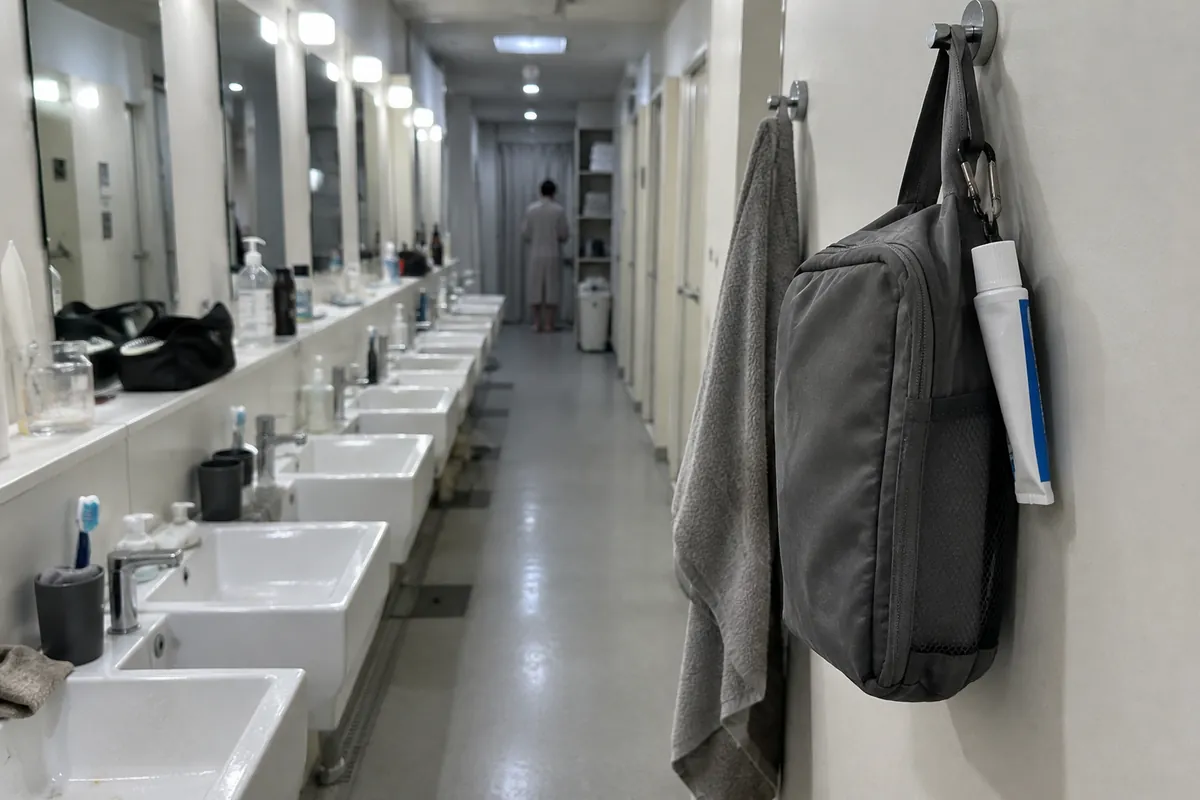
In October 2022 I spent a night in an Osaka capsule hotel whose washroom had a long row of sinks and not one shelf. My brush stood upright in its open case, tucked into the side pocket of the toiletry bag on a wall hook, the only dry spot in the room.
LEVERLOC suction holder: for hotel tile and glass
The LEVERLOC holder grips smooth tile, glass or a mirror with a locking suction cup, with no drilling or adhesive, and comes off clean at checkout. The body is hollow with drainage holes in the bottom, so water drips out instead of collecting around the bristles. It measures 3.66 x 3.15 x 7.64 in. Suction cups don’t hold on textured tile or painted plaster.
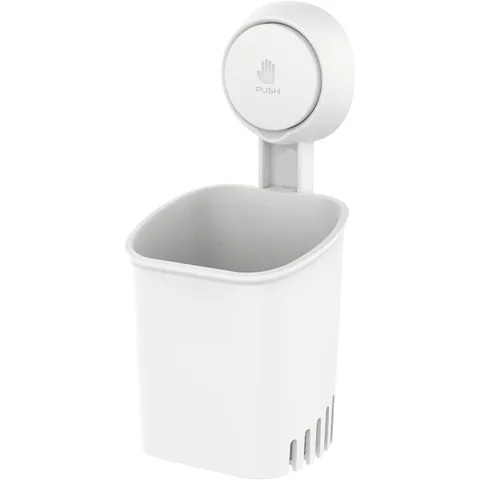
LEVERLOC Suction HolderMid-range
Sticks to hotel tile or glass with no drilling and keeps your brush off a shared counter. Peel-off, so it leaves no mark when you check out.
- Locking suction cup, no tools or glue; listing says it holds up to 11 lbs
- Hollow body with drainage holes at the bottom; 3.66 x 3.15 x 7.64 in
Magnetic holder for cruise cabins
Cabin walls on many cruise ships are steel, which is why magnetic hooks show up on so many cruise packing lists. This holder snaps onto a magnetic surface with two removable dividers that make three slots, enough for two brushes and a toothpaste. Test a fridge magnet on the bathroom wall before relying on it, because some cabin bathrooms are panelled in plastic. The cruise packing list has the rest of the cabin kit.
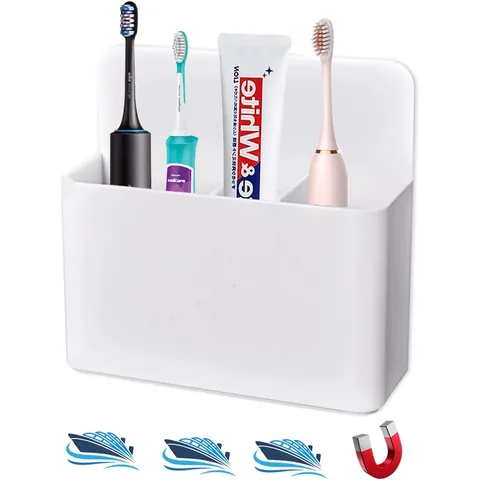
Magnetic Cruise HolderBudget
Many cruise cabin walls are magnetic, so this snaps on and holds brushes and paste off the tiny counter. It needs a magnetic surface; test one before sailing.
- Magnetic backing for steel surfaces; 4.5 x 1.5 x 5 in
- Two removable dividers give three slots; also holds paste and a comb
How to clean a travel toothbrush case
Plastic and aluminum cases get a film of toothpaste and water inside after a week or two of use. Clean them after every trip:
1. Open the case fully and rinse it under hot tap water. 2. Wash the inside with a drop of dish soap and a bottle brush or an old toothbrush. Pay attention to the hinge and the vent holes. 3. Rinse and leave it open on a towel until it is completely dry before packing it away.
Check the listing before putting a case in the dishwasher, because thin plastic can warp. Branded electric cases are different. Philips and Oral-B both say to wipe their travel cases with a damp cloth only, and Philips warns against alcohol, vinegar, bleach and household cleaners, which can discolor them. A toiletry bag with a hook keeps the clean case and brush off a wet counter. Our travel makeup bag guide covers hanging toiletry bags as well as makeup bags.
Travel toothbrush case checklist
Before you buy
- Case length fits your brush (most standard brushes are 7 to 7.8 in)
- Vent holes if you often pack the brush damp
- Electric case listed for your exact handle model
- One color per person for a family trip
Packing day
- Shake the brush and let it dry before closing the case
- Toothpaste of 3.4 oz or less in the liquids bag, or tablets
- Electric brush charged and packed in the carry-on
- Charger only for trips longer than two weeks
- Spare manual brush as a backup
At the destination
- Brush out of the case, upright, away from the toilet
- Case left open to dry overnight
- Case washed and dried after the trip
Travel toothbrush case FAQ
Is an aluminum, plastic or silicone toothbrush case better?
Aluminum is the toughest: it won't crack under a packed suitcase, though it can dent. Hard plastic is lighter, and a one-piece plastic case with a snap lid seals best against leaks. Silicone covers are soft and squash flat, so they protect bristles from dirt but not from being crushed. For a brush that lives in a checked bag, pick aluminum or thick plastic with vents.
Are UV toothbrush sanitizer cases worth it?
For most travelers, no. The CDC says ultraviolet devices are not needed to disinfect a toothbrush and may damage it. The FDA classes UV toothbrush sanitizers as Class I devices exempt from premarket review, which is not a test of how well they work. Lab studies show UV lowers bacteria counts, but a study of 210 dental students found a UV device gave the smallest reduction of six methods tested.
How often should you replace a travel toothbrush case?
Replace a case when it cracks, the lid stops locking or it keeps a stain or smell after washing. A vented plastic case cleaned after each trip lasts years. The brush inside wears out much sooner: the ADA says to replace a toothbrush every three to four months, and Philips and Oral-B say every three months for their brush heads.