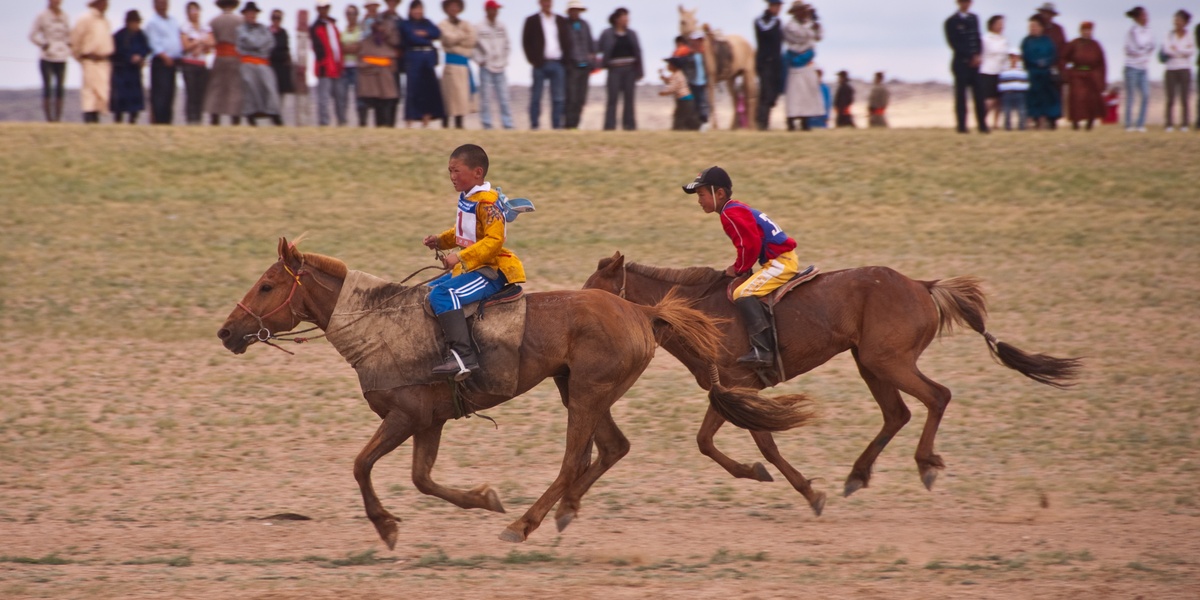
Imagine the Mongolian steppe as a wind-whipped launchpad: in the 13th century Genghis Khan rode out to knit together an empire that stretched from the Pacific to the Caspian, and four hundred years later Roy Chapman Andrews and his team uncovered dinosaur eggs in the red cliffs at Bayan Zag in 1923. Those two images — mounted riders and fossil-strewn desert — capture why this country still feels like a place made for exploration.
With about 1.56 million km² of land and roughly 3.3 million people, Mongolia offers real remoteness; the Gobi itself covers around 1.3 million km². If you’re compiling a list of adventurous things to do in Mongolia, this piece lays out eight specific experiences grouped into three practical categories: Wilderness & Trekking, Cultural & Nomadic, and Extreme & Unique Expeditions. Read on for routes, practical tips, and the seasons that matter — starting with the wide-open landscapes where most journeys begin.
Wilderness & Trekking Adventures
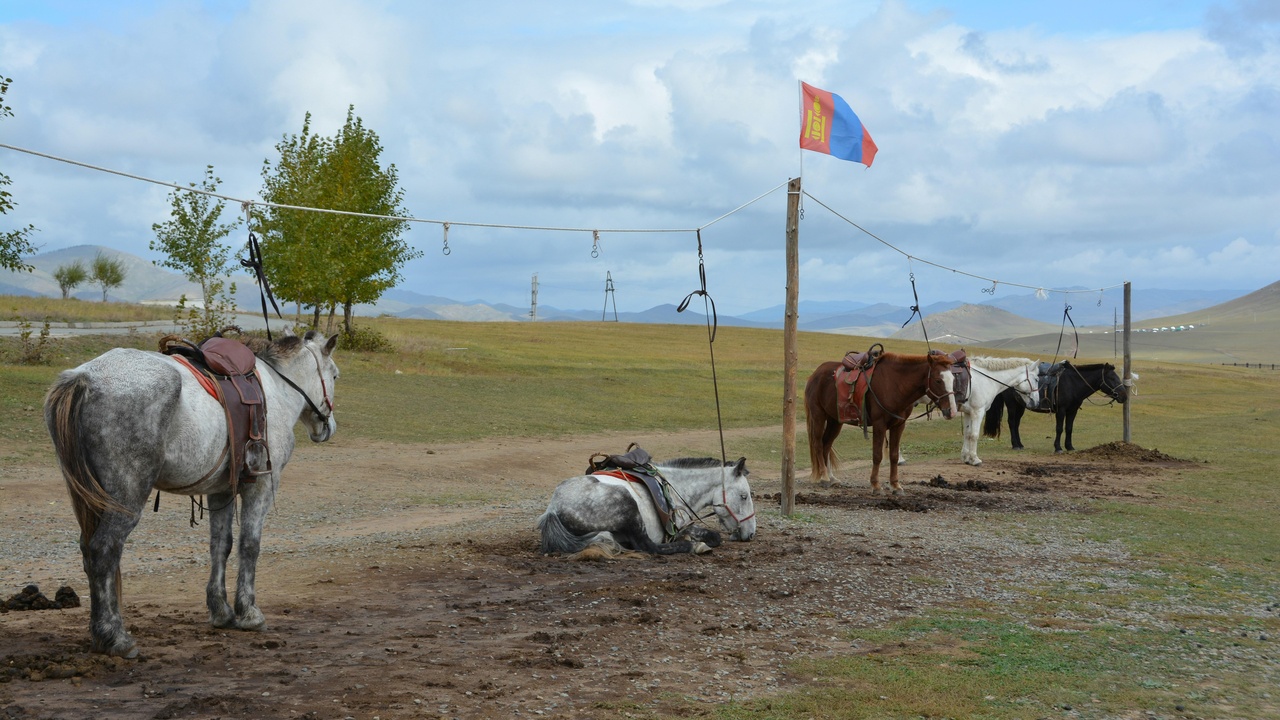
The steppe, mountains, and desert each demand different gear and stamina, but all reward you with uncommon solitude and sweeping views. Trips here range from single-day rides to multi-day expeditions and generally require basic fitness plus a local guide for routes away from settlements.
The Altai’s highest point, Khüiten, rises to about 4,374 m, while the Gobi’s scale (roughly 1.3 million km²) gives you a sense of how quickly services disappear. Weather and safety considerations shift by season, so plan accordingly.
1. Horseback riding across the Mongolian steppe
Horseback riding is the most authentic way to cross the steppe: Mongolia is famously horse-rich, with roughly 30 million horses roaming the country. Riders tap into a living equestrian culture rather than visiting a museum of the past.
Options suit all skill levels — day rides from ger camps outside Ulaanbaatar introduce river crossings and short loops, while extended 5–10 day treks (offered by operators such as Nomadic Expeditions and family-run guides) move between camps and overnight in gers. Expect multi-day averages of about 20–30 km per day on paced treks.
Bring basic tack familiarity, ride in late spring through early autumn for the best conditions, and be honest about your fitness. Weather can change fast; a stout waterproof and layered clothing make a big difference.
2. Multi-day trekking in the Altai Mountains
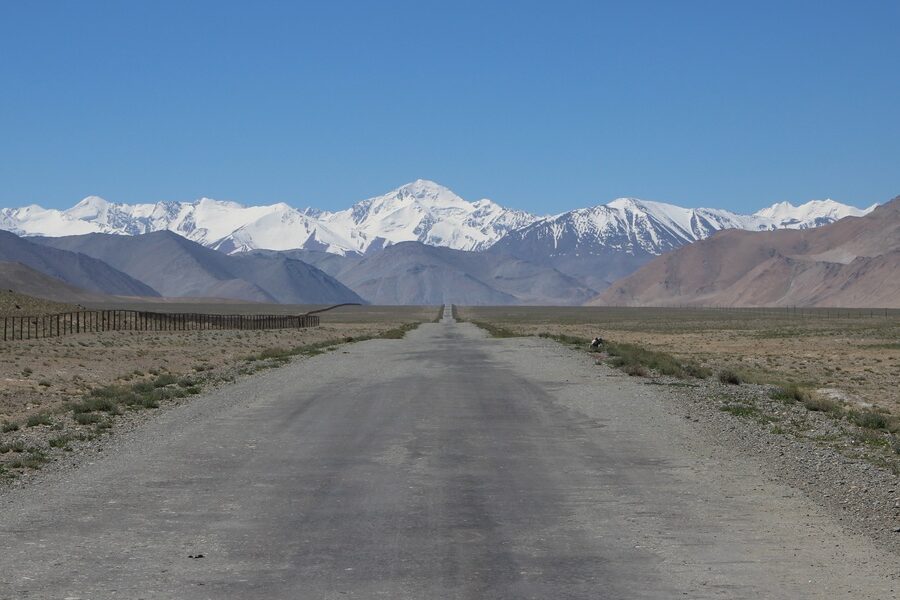
The Altai offers jagged peaks, glaciers, and clear alpine lakes — a sharp contrast to the flat steppe. Treks here can climb toward glacial valleys with Khüiten Peak (about 4,374 m) on the horizon.
These routes suit fit hikers with layered gear and some high-altitude experience because river fording and altitude are common. Typical guided itineraries run 7–12 days from Khovd or Bayan-Ölgii provinces, often using pack horses or porters for heavy loads.
Wildlife sightings — argali sheep, ibex, and the rare snow leopard — are possible in remote pockets, though sightings are uncommon and should be treated as a bonus. Best months: June through September. Arrange permits and a trusted guide in advance and pack for rapid weather shifts.
3. Gobi Desert camel trek and dinosaur-site exploration
The Gobi combines sweeping desert scenery with a real paleontological legacy — the Flaming Cliffs at Bayan Zag are where Roy Chapman Andrews and his team found dinosaur eggs in 1923. That history gives desert travel an extra sense of discovery.
Multi-day camel treks (usually 3–5 days) launched from Dalanzadgad let you reach remote canyons, the Khongoryn Els sand sea for dune walks and sandboarding, plus fossil-rich outcrops. Itineraries alternate between ger camps and rougher field camping, with daily moves calibrated to camel pace.
Expect big temperature swings — hot daytime sun and chilly nights — so travel between April and October for the most comfortable conditions. Bring sun protection, layered sleep systems, and a willingness to embrace simple comforts.
Cultural & Nomadic Experiences
Contact with living nomadic traditions is active and often hands-on: learning archery on horseback, helping milk mares, or joining seasonal festivals brings real exchange rather than passive observation. The biggest event of the year is Naadam, held every July, and it’s a focal point for sport and ceremony.
These cultural adventures tend to be timed to seasonal rhythms and frequently double as meaningful stays with families and communities. Below are three ways to immerse yourself.
4. Stay with a nomadic family — ger life and herding skills
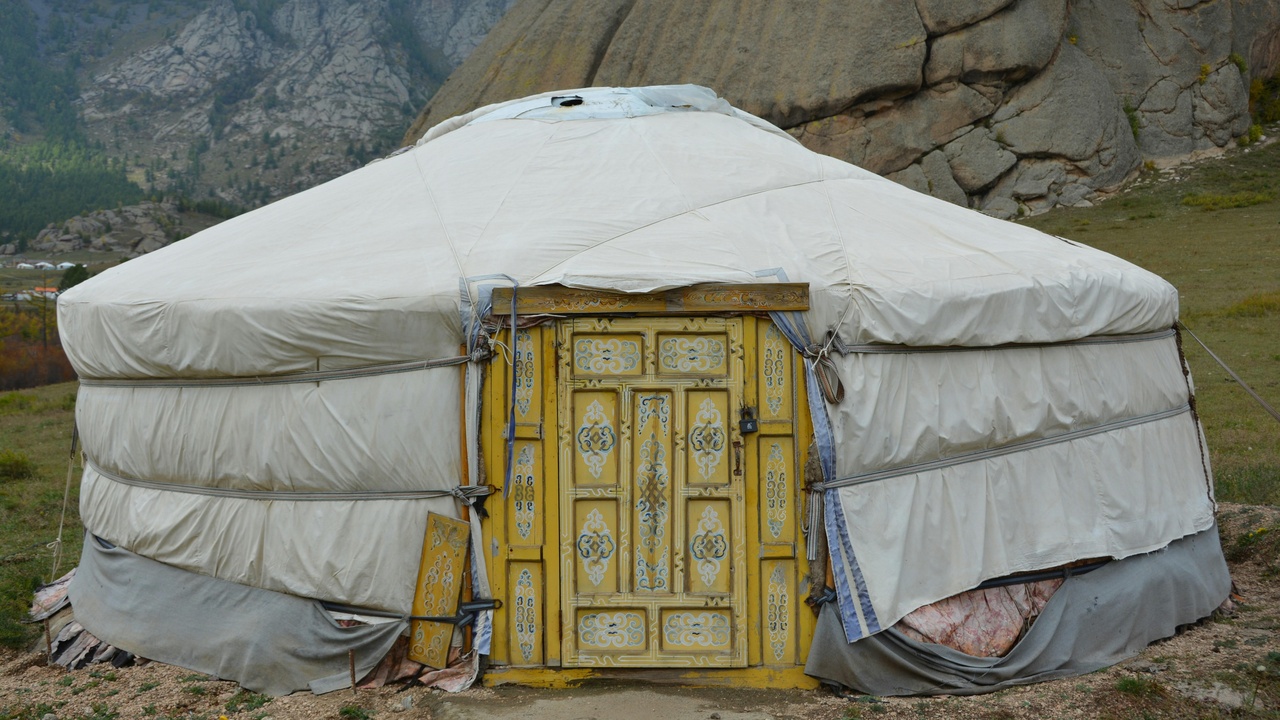
Sleeping in a ger with a herding family is as authentic as travel gets: daily life revolves around moving camps, tending animals, milking, and making dairy products like airag (fermented mare’s milk). Hosts often welcome participation in these routines.
Overnight stays of one to three nights near Khustain Nuruu or across central provinces are common through community-based tourism operators connecting from Ulaanbaatar. Costs and amenities vary; some homestays are basic while others provide comfortable gers and cooked meals.
Bring small, practical gifts (school supplies, tea, simple tools) and observe etiquette: accept the offered seat, offer thanks to elders, and ask before photographing intimate moments. Participating respectfully turns a visit into a memorable cultural exchange.
5. Watch and learn eagle hunting with Kazakh falconers
The sight of golden eagles perched on a falconer’s gloved arm is unforgettable; this tradition lives largely in Bayan-Ölgii province among ethnic Kazakhs. Demonstrations show training techniques and the bond between bird and handler.
Visitors can join half-day visits or longer cultural programs that include camp stays and riding. The active hunting season runs roughly November through March, and the Golden Eagle Festival in October brings together many falconers for public displays.
Respect animal welfare and local rules: handlers typically allow supervised glove time for photos but insist on safety protocols. Small-group visits arranged through vetted local guides give the best access and context.
6. Take part in Naadam festival — wrestling, horse racing, and archery
Naadam is Mongolia’s national festival held every July, a mix of sport, ceremony, and communal pageantry. The “three games” — wrestling, horse racing, and archery — dominate, with provincial events offering a closer, more intimate feel than the capital’s big stadium ceremonies.
Horse races in rural areas can be long-distance affairs with young jockeys covering 15–30 km or more between checkpoints. If you plan to attend, book early for Ulaanbaatar events and aim for provincial Naadams if you want crowd-free viewing and interaction.
Observe seating protocols in stadiums, follow local routing for vendors and participants, and carry cash for small purchases. A provincial Naadam often rewards visitors with personal stories and a lively local atmosphere.
Extreme & Unique Expeditions
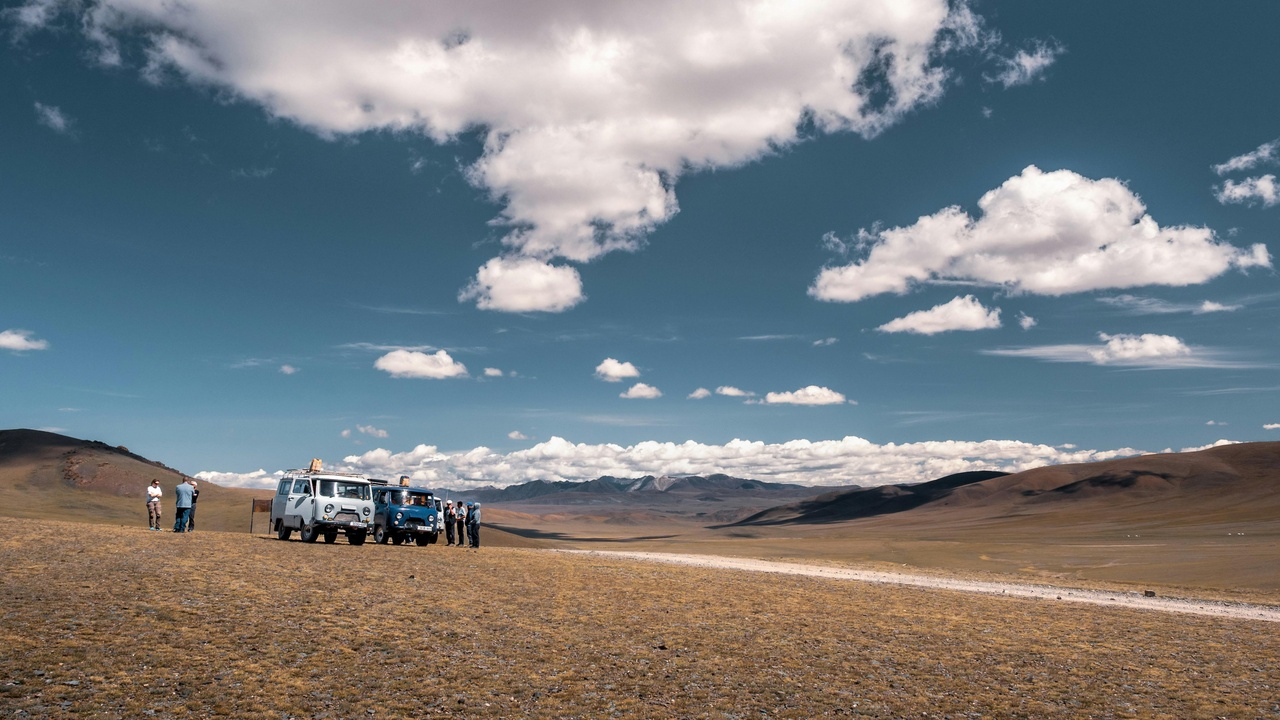
This category suits travelers after high adrenaline or seasonally extreme travel: overland 4×4 runs into remote country, winter survival experiences, and Lake Khuvsgul adventures on ice. Lake Khuvsgul is one of Mongolia’s deepest, oldest freshwater lakes and holds roughly 70% of the country’s fresh water, underscoring its ecological significance.
Specialized gear, experienced guides, and reliable vehicles are mandatory for many of these trips, and seasonality will determine what’s safe and possible. Two of the most distinctive options follow.
7. Off-road 4×4 expeditions to remote landmarks
There’s a particular thrill in navigating Mongolia’s tracks in a rugged 4×4: distances between fuel and food can stretch into the hundreds of kilometers, so preparation matters. Overland trips let you reach geological sites like Tsagaan Suvarga (the White Stupa), the Yol Valley, and remote rock art panels.
Itineraries range from 3 to 10 days with operators such as G Adventures or local outfitters; common vehicles include Toyota Land Cruisers and UAZ models. Make sure your party carries spare parts, extra fuel, and satellite communications on extended routes.
Permits, vehicle insurance, and experienced drivers reduce risk. Independent travelers sometimes join convoys or hire local drivers who know which tracks survive seasonal rain and which become impassable.
8. Winter adventure on Lake Khuvsgul — ice-fishing, dog sledding, and survival trips
In winter the highland stillness over a frozen lake is profound. Lake Khuvsgul’s northern setting near the Russian border makes it a hub for ice-fishing, dog-sled rides, and short winter survival courses run by local guides and conservation groups.
Packages typically run December through March and include guided ice-fishing, overnight winter gers, or dog-sled excursions. Temperatures can drop to −30°C, so professional guides insist on insulated clothing, reliable stoves, and satellite phones for safety.
Respect northern communities and reindeer-herding groups when visiting. These trips are unforgettable but demand proper gear and a willingness to accept very basic conditions at times.
Summary
- Mongolia’s scale — 1.56 million km² and vast regions like the Gobi — makes remoteness a core part of the experience.
- Hands-on cultural stays (gers, eagle hunting, Naadam in July) deliver authenticity and meaningful exchange.
- Seasonality governs what’s possible: spring–autumn for most treks, October for eagle festivals, and December–March for Lake Khuvsgul winter trips.
- Plan logistics with reputable local guides or trusted operators (examples: Nomadic Expeditions, G Adventures) and carry safety gear for remote travel.
For anyone planning adventurous things to do in Mongolia, start booking guides early, check seasonal windows, and travel with respect for the people and places you visit.