Antigua and Barbuda is a two-island nation in the eastern Caribbean whose people reflect centuries of migration, colonial history, and island communities. The islands’ social fabric shows up in festivals, dialects, and neighborhood ties as much as in statistics.
There are 8 Antigua and Barbuda Ethnic Groups, ranging from Afro-Antiguans and Barbudans to White. For each group the table lists Population % (%),Population (number),Origins and locations (max 15 words), and you’ll find below.
How current are the population figures for these ethnic groups?
Population figures usually come from the most recent national census and follow-up estimates; on small islands numbers change slowly but migration and natural growth can shift shares between censuses, so check the Antigua and Barbuda Statistics Division or recent government releases for the latest updates.
Can people identify with more than one ethnic group in Antigua and Barbuda?
Yes—many residents have mixed ancestry and cultural identity can be fluid; how mixed backgrounds are recorded depends on census questions and self-identification, so the table gives the commonly reported categories rather than a full picture of personal heritage.
Antigua and Barbuda Ethnic Groups
| Ethnic group | Population % (%) | Population (number) | Origins and locations (max 15 words) |
|---|---|---|---|
| Afro-Antiguans and Barbudans | 91.10% | 78,585 | African ancestry; across Antigua and Barbuda, urban and rural |
| Mixed | 3.70% | 3,188 | Mixed African/European and other ancestry; towns and villages nationwide |
| White | 1.30% | 1,122 | European descent (mainly British); urban centers and tourist areas |
| East Indian | 1.10% | 949 | South Asian ancestry; mainly Antigua towns and small businesses |
| Syrian/Lebanese | 1.00% | 863 | Middle Eastern origin; concentrated in St. John’s and trade centers |
| Hispanic/Latino | 1.30% | 1,122 | Latin American/Caribbean origin; urban areas, agriculture and services |
| Amerindian/Indigenous | 0.30% | 259 | Carib/Arawak heritage; few, mostly urban and heritage groups |
| Other/Not Stated | 0.20% | 173 | Various small-origin groups or unspecified; locations vary, often St. John’s |
Images and Descriptions
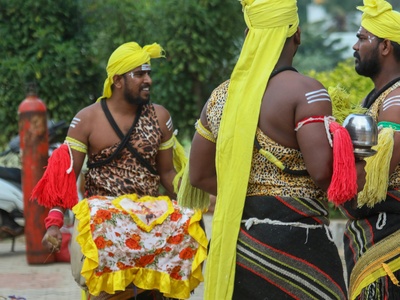
Afro-Antiguans and Barbudans
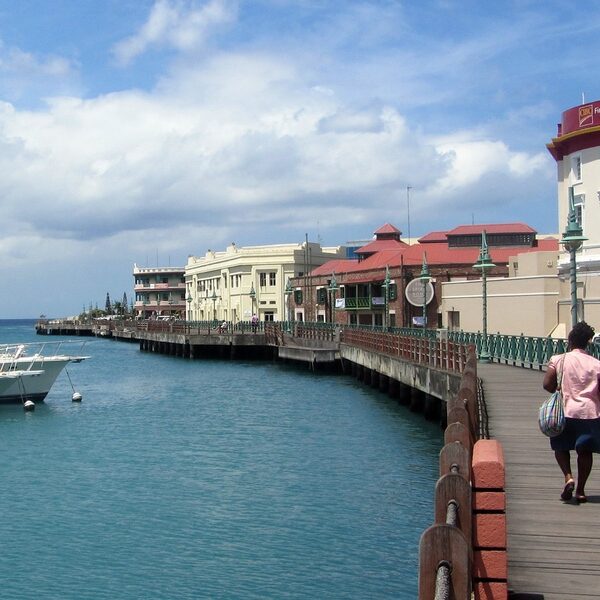
Descendants of enslaved Africans who form the majority; cultural heart of the nation with strong ties to Creole traditions, music, festivals, and Anglican/Protestant Christianity. Predominantly English-speaking and concentrated across Antigua and Barbuda urban and rural communities.
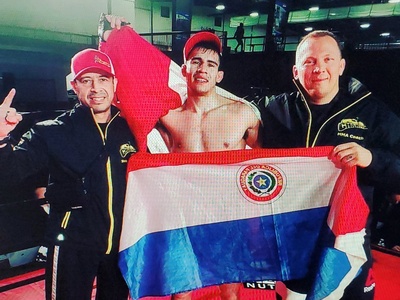
Mixed
People of mixed African and European or other ancestry; identity varies widely. Speak English; found in towns and villages. Their mixed heritage shapes family, cuisine, and cultural practices; they bridge Afro-European traditions and often identify with national Creole culture.

White
Residents of European descent, including British and other Europeans, often linked to older colonial families and recent expatriates; primarily English-speaking and concentrated in urban centers and tourist areas. Small community with diverse occupations including business, government, and tourism.
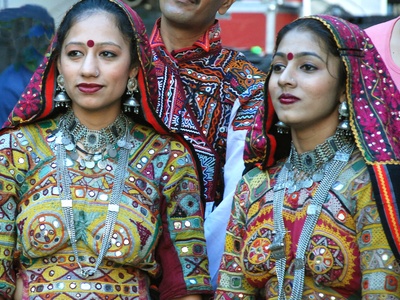
East Indian
Descendants of indentured labourers and later migrants from the Indian subcontinent; speak English and some retain South Asian cultural practices. Present mainly in Antigua’s towns, they contribute to commerce, food traditions, and small business ownership.
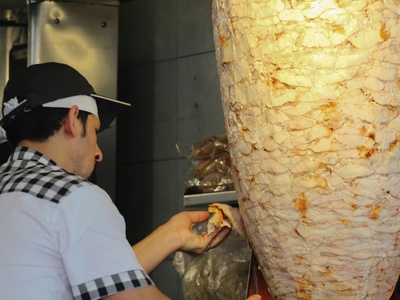
Syrian/Lebanese
Small community descended from Syrian and Lebanese migrants who arrived in late 19th and 20th centuries; mainly traders and shopkeepers. English-speaking, often bilingual; concentrated in St. John’s and trade centers, contributing to commerce and family-owned businesses.
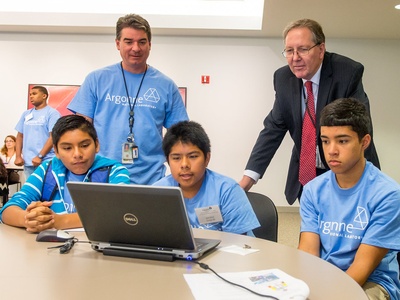
Hispanic/Latino
People from Latin America and neighbouring islands, including Spanish-speaking migrants and descendants. Found in urban areas and agricultural sectors; many work in construction, services and tourism. They add linguistic and cultural diversity, often bilingual in Spanish and English.
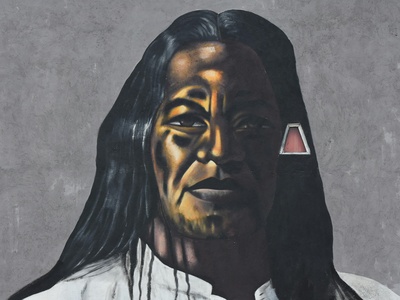
Amerindian/Indigenous
Small number of people identifying as Carib/Arawak descendants or Indigenous heritage; mostly urban residents who may trace ancestral ties regionally. Cultural visibility is limited but part of historical narratives and heritage preservation efforts.
Other/Not Stated
Includes small groups (Chinese, other African nationalities, mixed small communities) and those who did not specify ethnicity on census forms; locations vary. This aggregated category captures diverse, low-frequency resident backgrounds.