
Most Japanese phrase lists for travelers are built the same way: alphabetical-ish, textbook romaji, zero context for when you’d actually use any of it. You end up memorizing “sumimasen” without knowing it does triple duty as sorry, excuse me, and how you flag down a waiter.
This one is organized by what’s actually happening to you — landing at Narita, checking into a ryokan, panicking over a menu with no pictures. Pronunciation is written the way it sounds to an English speaker’s ear, not standard romanization, because standard romanization is part of the problem: it tells you “watashi” and you say every syllable with equal weight, when a Japanese speaker compresses it. Say these out loud, roughly, and you’ll be understood. Nobody is grading your accent.
Table of Contents
- Before You Land: How This Actually Works
- Arrival and Transit
- Hotel Check-In
- Eating and Restaurants
- Shopping
- Emergencies and Safety
- Numbers, Fast
- The Etiquette Nobody Explains
- Your Pocket Cheat Sheet
- FAQ
Before You Land: How This Actually Works
Japanese has almost none of English’s consonant clusters — no “str” or “ksh” sounds jammed together — which is why “sutorii” is how Japanese renders “story.” That same flattening happens in reverse when you read romaji: it looks like it should sound choppy and foreign, but most syllables land soft and even, like a metronome.
Two structural things will save you more embarrassment than any vocabulary list:
Politeness level is baked into the grammar, not just the tone. The “-masu” ending you’ll see constantly (arigatou gozaimasu, onegaishimasu) is the default polite register for talking to strangers, staff, and anyone older than you. Drop it and you sound like you’re talking to a close friend — fine at an izakaya with new buddies, jarring at a hotel front desk.
“Sumimasen” is the most useful word in this entire guide. It means sorry, excuse me, and “hey, can I get your attention” depending on context. Learn this one word and you can start almost any interaction correctly.
Arrival and Transit
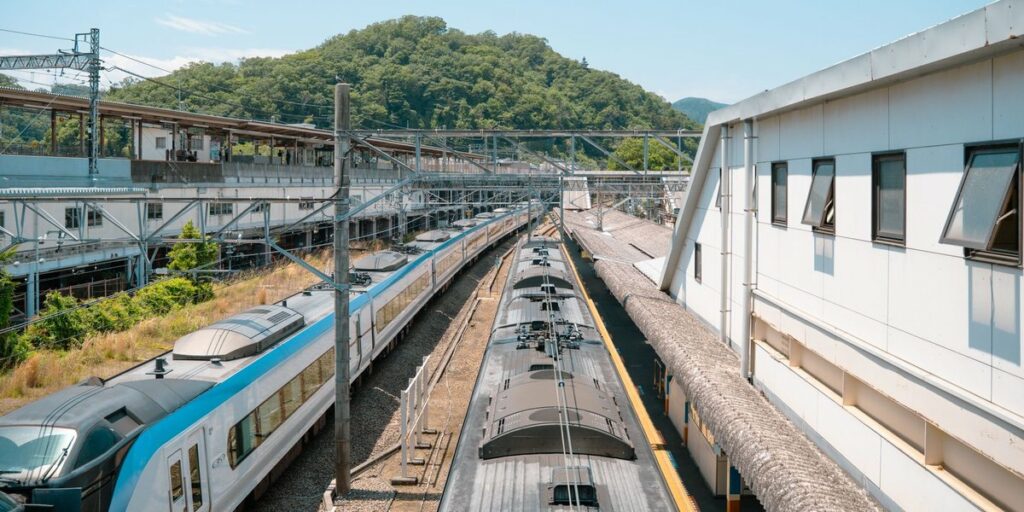
Airports and train stations move fast, and station staff deal with lost tourists constantly — this is where phrasebook English actually gets used the most.
| English | Romaji | Say it like |
|---|---|---|
| Excuse me / Sorry | Sumimasen | soo-mee-mah-sen |
| Where is [X]? | [X] wa doko desu ka? | wah DOH-koh dess kah |
| Which platform is this? | Nan-ban sen desu ka? | nahn-bahn sen dess kah |
| Does this train go to [X]? | Kono densha wa [X] ni ikimasu ka? | koh-noh DEN-shah wah ee-kee-mahs kah |
| A ticket to [X], please | [X] made no kippu o onegaishimasu | mah-deh noh KEEP-poo oh oh-neh-gai-shee-mahs |
| Transfer / connection | Norikae | noh-ree-kah-eh |
| Do you speak English? | Eigo o hanasemasu ka? | AY-goh oh hah-nah-seh-mahs kah |
| I don’t understand | Wakarimasen | wah-kah-ree-mah-sen |
A quirk worth knowing before you get to a station: Japanese train announcements and signage are heavily bilingual in major cities, so you’ll lean on reading far more than speaking. Where these phrases actually earn their keep is with a station attendant when the ticket machine won’t cooperate — point at your destination on a map or phone screen while you say it, and you’ll get pointed in the right direction fast.
Hotel Check-In
| English | Romaji | Say it like |
|---|---|---|
| I have a reservation | Yoyaku shite imasu | yoh-yah-koo shteh ee-mahs |
| Check-in, please | Chekku-in onegaishimasu | CHECK-koo-in oh-neh-gai-shee-mahs |
| Is breakfast included? | Chōshoku wa tsuite imasu ka? | choh-shoh-koo wah tsoo-ee-teh ee-mahs kah |
| Could I get another key? | Kagi o mou hitotsu moraemasu ka? | KAH-gee oh moh hee-toh-tsoo moh-rah-eh-mahs kah |
| What time is checkout? | Chekku-auto wa nanji desu ka? | CHECK-koo-ow-toh wah nahn-jee dess kah |
| Could you call a taxi? | Takushii o yonde moraemasu ka? | tah-KOO-shee oh yohn-deh moh-rah-eh-mahs kah |
Business hotel staff in cities almost always handle basic English fine. Ryokan (traditional inns) and smaller family-run guesthouses outside the major tourist corridors are where these phrases matter — and where the owner is often visibly relieved that you tried instead of just holding up a phone screen.
Eating and Restaurants
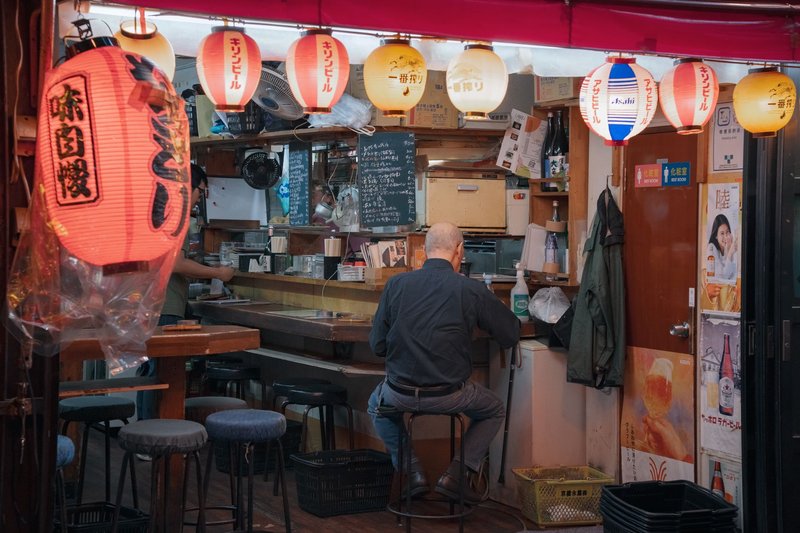
This is where most of the anxiety lives, and it’s also where the payoff is biggest. A few phrases here open up the small counter-seat places that don’t have English menus — usually the best food in the neighborhood.
| English | Romaji | Say it like |
|---|---|---|
| Table for two | Futari desu | foo-tah-ree dess |
| Menu, please | Menyuu o onegaishimasu | MEN-yoo oh oh-neh-gai-shee-mahs |
| I’ll have this (pointing) | Kore o kudasai | KOH-reh oh koo-dah-sai |
| I’m allergic to [X] | [X] no arerugii ga arimasu | ah-reh-roo-GHEE gah ah-ree-mahs |
| No [X], please | [X] nuki de onegaishimasu | noo-kee deh oh-neh-gai-shee-mahs |
| Delicious | Oishii | oy-SHEE |
| Check, please | Okaikei onegaishimasu | oh-kai-keh oh-neh-gai-shee-mahs |
| Is this seat taken? | Koko, aitemasu ka? | koh-koh eye-teh-mahs kah |
Two things that trip up first-timers every time: many smaller restaurants are cash-only, and tipping isn’t part of the culture at all — leaving money on the table is more likely to confuse staff than delight them. If you want to understand why service in Japan runs the way it does without a tipping incentive, the concept of omotenashi is a genuinely different framework for hospitality than what most Western travelers are used to, and it explains a lot of what will otherwise feel like inexplicable generosity from strangers.
Shopping
| English | Romaji | Say it like |
|---|---|---|
| How much is this? | Kore wa ikura desu ka? | koh-reh wah ee-koo-rah dess kah |
| Do you take credit cards? | Kurejitto kaado wa tsukaemasu ka? | koo-reh-JEE-toh kah-doh wah tsoo-kai-eh-mahs kah |
| Just looking, thanks | Miteiru dake desu | mee-teh-roo dah-keh dess |
| Can I try this on? | Shichaku dekimasu ka? | shee-CHAH-koo deh-kee-mahs kah |
| Tax-free, please | Menzei de onegaishimasu | men-zay deh oh-neh-gai-shee-mahs |
Department stores and drugstores in tourist areas process tax-free purchases at a dedicated counter, and staff there are used to walking foreigners through it — you mostly need your passport and the phrase above to get pointed the right way.
Emergencies and Safety
Hopefully you never need this table. Learn it anyway before you go, not while something’s happening.
| English | Romaji | Say it like |
|---|---|---|
| Help! | Tasukete! | tah-SKEH-teh |
| Please call an ambulance | Kyuukyuusha o yonde kudasai | kyoo-KYOO-shah oh yohn-deh koo-dah-sai |
| I’m lost | Michi ni mayoimashita | mee-chee nee mah-yoy-mah-shta |
| Where’s the police box? | Kouban wa doko desu ka? | koh-bahn wah DOH-koh dess kah |
| Hospital | Byouin | byoh-in |
| I don’t feel well | Guai ga warui desu | goo-eye gah wah-roo-ee dess |
Japan uses a single nationwide emergency number, 119, for fire and ambulance, and 110 for police — both are staffed by operators who can often route you to English-language support. It’s worth checking current country-specific safety and health guidance before you travel, since local advisories get updated more often than any phrasebook.
Numbers, Fast
You’ll use numbers constantly — prices, headcounts, times — more than almost anything else on this page.
| Number | Romaji | Say it like |
|---|---|---|
| 1 | Ichi | EE-chee |
| 2 | Ni | nee |
| 3 | San | sahn |
| 4 | Yon | yohn |
| 5 | Go | goh |
| 6 | Roku | roh-koo |
| 7 | Nana | nah-nah |
| 8 | Hachi | HAH-chee |
| 9 | Kyuu | kyoo |
| 10 | Juu | joo |
Two counting quirks worth knowing: 4 has two readings (yon and shi) and people avoid “shi” in some contexts because it sounds like the word for death — stick with “yon” and you’re safe everywhere. And when a restaurant asks how many people, “futari” (two) and “hitori” (one) are their own separate words, not “ichi-nin” and “ni-nin,” which trips up almost every beginner at least once.
The Etiquette Nobody Explains
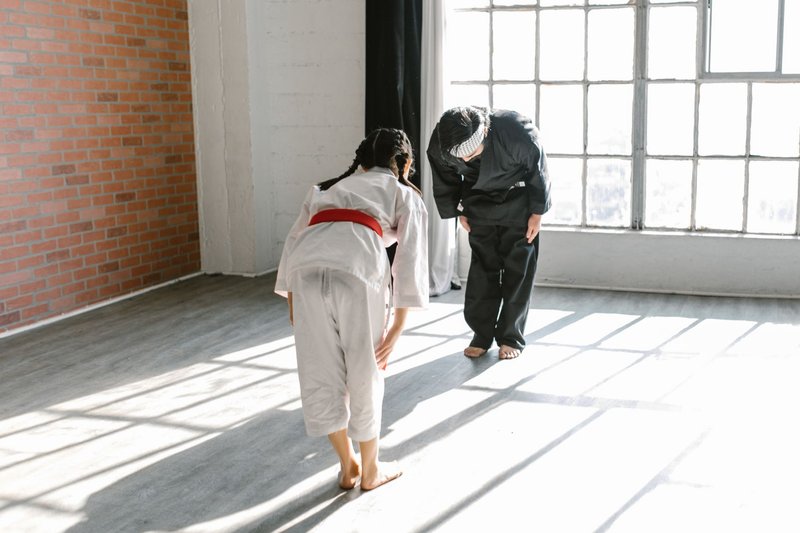
Phrases are half the equation. Register and body language carry the other half, and this is the part most guides skip entirely.
The bow scales with the situation, not the person. A small nod works for a convenience store clerk. A deeper bow suits a formal thank-you. Tourists over-rotate on this constantly — nobody expects you to bow like a business executive, and a slight nod plus eye contact reads as sincere, not stiff.
Match politeness to the setting, not the person’s age. Use the “-masu” polite forms with any staff member, stranger, or official, regardless of whether they look younger than you. Casual speech is for people you already know.
Quiet is the default in public. Trains, in particular — phone calls are considered rude, and most people ride in near silence. This isn’t coldness; it’s a shared agreement about shared space.
Shoes come off more places than you’d expect — not just homes, but many ryokan, some restaurants with tatami seating, and certain traditional shops. Look for a step-up genkan entryway and a shoe rack; that’s your cue.
If you want the deeper version of all this before you land, Japan’s national tourism board publishes a straightforward etiquette guide that covers situational nuance this list doesn’t have room for.
Your Pocket Cheat Sheet
Screenshot this section. It’s the eight phrases that cover the most ground when you only have room in your head for a handful.
- Sumimasen (soo-mee-mah-sen) — excuse me / sorry / hey
- Arigatou gozaimasu (ah-ree-gah-toh go-zai-mahs) — thank you
- Eigo o hanasemasu ka? (AY-goh oh hah-nah-seh-mahs kah) — do you speak English?
- Wakarimasen (wah-kah-ree-mah-sen) — I don’t understand
- [X] wa doko desu ka? — where is [X]?
- Kore o kudasai (KOH-reh oh koo-dah-sai) — I’ll have this / this one
- Ikura desu ka? (ee-koo-rah dess kah) — how much is it?
- Tasukete! (tah-SKEH-teh) — help!
FAQ
Will people be annoyed if I mispronounce something? No. Attempting Japanese, even badly, is read as effort and almost always gets a warmer response than switching straight to English. Worst case, someone gently corrects you or switches to English themselves — nobody’s keeping score.
Should I just use a translation app instead? Use both. A translation app’s camera function is genuinely excellent for reading paper menus and signage in real time — carry it as backup, not a crutch. But saying even a handful of these phrases out loud gets you a different quality of interaction than pointing a phone at someone, especially in smaller restaurants and shops.
Is standard textbook romaji actually wrong? Not wrong, exactly — it’s a transliteration system, not a pronunciation guide, and it assumes you already know how Japanese vowels and consonants behave. That assumption is what causes most tourists to over-enunciate and sound stilted. The phonetic spellings here are built to be read cold by an English speaker with no background.
Do I need to learn hiragana or kanji before the trip? No. You can travel through Japan entirely on romanized phrases and app-based reading. Learning the kana is worthwhile if you’re staying long-term or coming back regularly, but it’s not a prerequisite for a good trip.
What’s the single most useful phrase in this whole list? Sumimasen, without close competition. It starts almost every interaction you’ll have.