Here’s the short version: Bangladesh has exactly one bay, and it’s a giant. The Bay of Bengal is the largest bay on Earth, and the entire 580-kilometer southern coastline of Bangladesh sits on it. So if you typed “bays in Bangladesh” expecting a list of a dozen named inlets like you’d find on a rugged fjord coast, the geography has a different answer for you.
But that single answer opens up into something more interesting. The Bay of Bengal’s edge in Bangladesh isn’t one flat line of water. It’s the world’s longest natural sea beach, a string of offshore islands, the largest river delta on the planet, and a coral island near the Myanmar border. The “plural” you were looking for lives in the coves, beaches, and estuary mouths along that shore.
Table of Contents
- How many bays does Bangladesh have?
- Bay of Bengal: the facts
- Cox’s Bazar: the longest beach
- Kuakata: where you see both sunrise and sunset
- St. Martin’s Island and Sonadia
- The Sundarbans estuaries
- The working coast: Chittagong and Mongla
- Best time to visit the coast
- FAQ
How many bays does Bangladesh have?
One. The Bay of Bengal. Every coastal district in Bangladesh — Cox’s Bazar, Chattogram (Chittagong), Barguna, Patuakhali, Khulna, Satkhira — fronts the same body of water. There are no separate, formally named secondary bays the way you’d find along, say, the coast of Croatia or Maine.
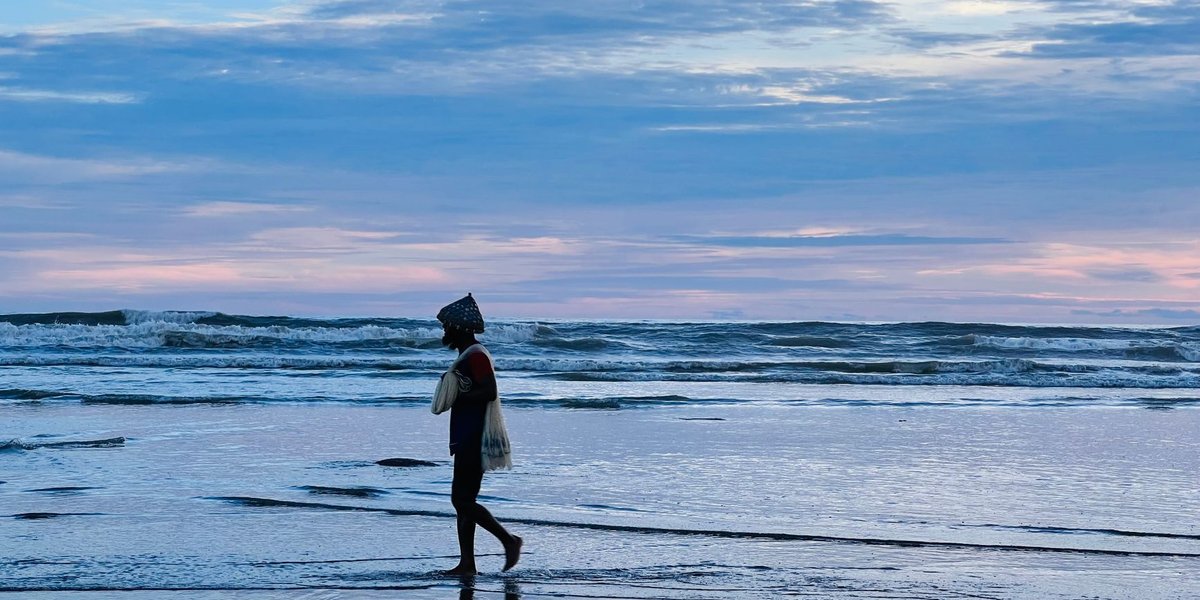
What Bangladesh has instead is variety within that one bay. The coastline bends and breaks into beaches, river mouths, mudflats, and islands. Locals and travelers talk about these places by name — Cox’s Bazar, Kuakata, Sonadia, St. Martin’s — and functionally they behave like distinct coastal destinations even though they all share the Bay of Bengal as their water. So the rest of this guide treats them that way: one bay, many shores worth knowing.
Bay of Bengal: the facts
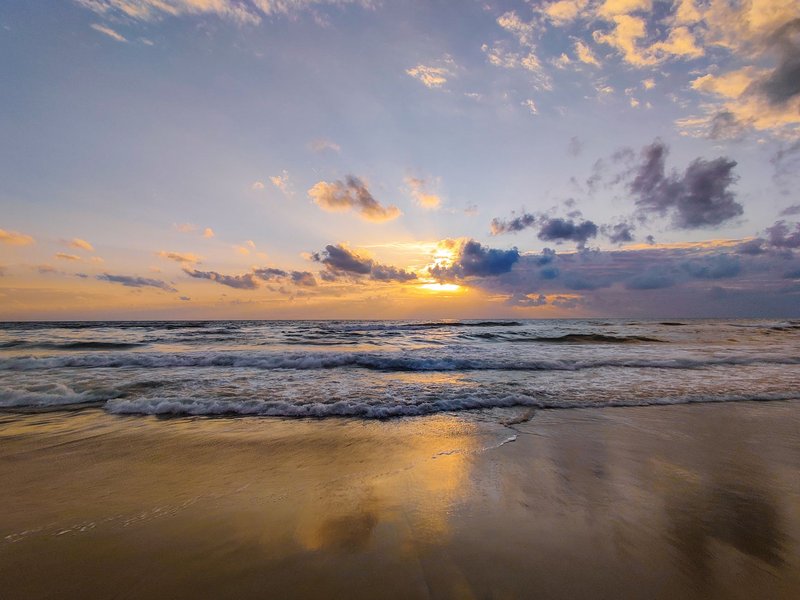
The Bay of Bengal is a northeastern arm of the Indian Ocean, and the numbers are worth pinning down because they get fuzzy in a lot of travel writing.
- Size: roughly 2.17 million square kilometers, which makes it the largest bay in the world by area, according to Britannica’s geography entry.
- Shape: a rough triangle. India sits to the west, Bangladesh and a sliver of the eastern Himalayas to the north, and Myanmar plus the Andaman Islands to the east.
- Maximum depth: over 4,500 meters in its deepest reaches, though the Bangladeshi shelf is shallow and gentle.
- The rivers: the Ganges, Brahmaputra, and Meghna empty into it, building the world’s largest delta and dumping enormous loads of silt that keep the northern bay shallow and brown.
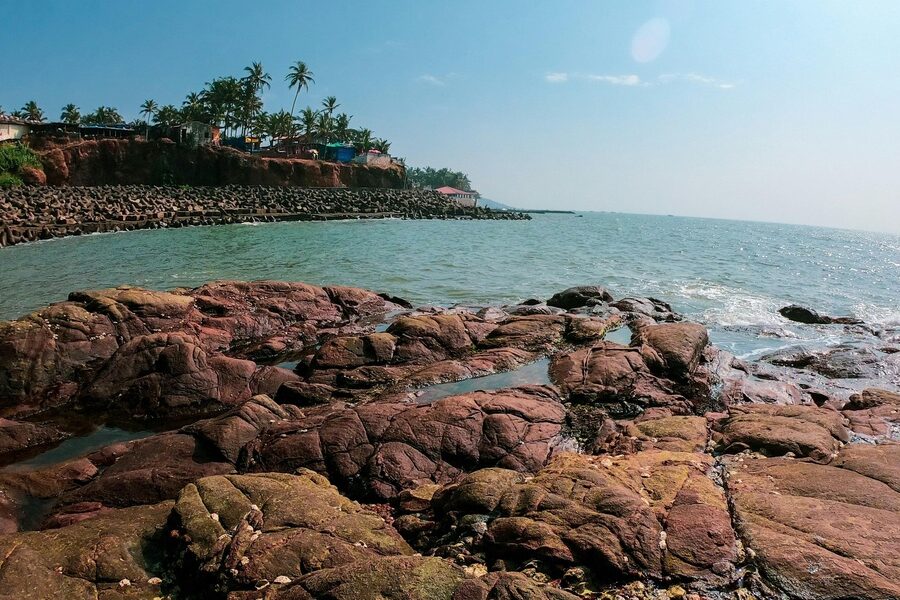
That last point matters for what you actually see. The water off Bangladesh isn’t the postcard turquoise of the Maldives — those same nutrient-rich rivers that feed one of the planet’s great fisheries also cloud the water near shore. You trade clarity for life: the bay supports hilsa fishing fleets, mangrove tigers, and one of the most productive coastal ecosystems anywhere.
The bay is also Bangladesh’s economic front door. After a 2014 UN tribunal settled the maritime boundary with Myanmar, and a 2012 ruling did the same, Bangladesh gained sovereign rights over roughly 118,000 square kilometers of sea — territory that’s now central to fishing, gas exploration, and shipping. You can read the International Tribunal for the Law of the Sea ruling summary if you want the legal detail.
Cox’s Bazar: the longest beach
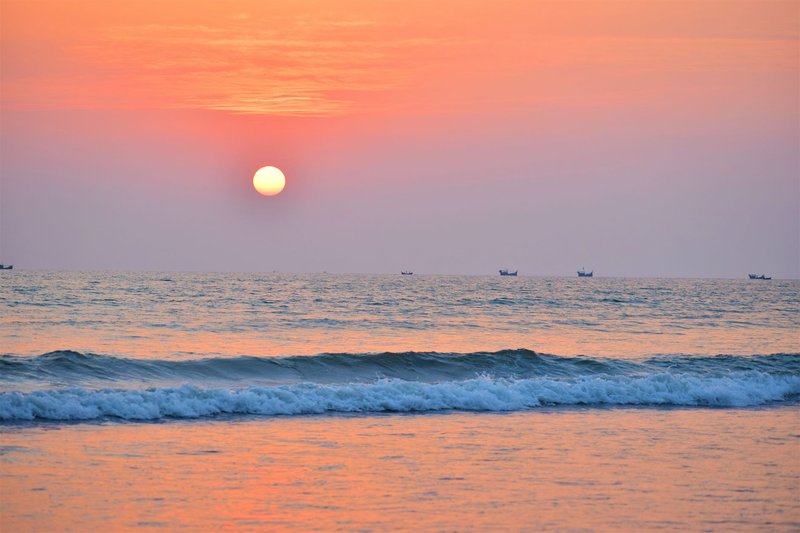
If you visit one stretch of the Bay of Bengal in Bangladesh, it’s this one. Cox’s Bazar runs about 120 kilometers of unbroken sandy beach, regularly cited as the world’s longest natural sea beach. It’s on the southeastern coast, near the Myanmar border, and it’s the country’s flagship domestic holiday spot — think Bengali families, honeymooners, and weekend crowds from Dhaka, not international backpackers.
The main beach zone splits into named points: Laboni is the central, busiest one, closest to the hotel strip. Head south to Himchari for low cliffs and a waterfall that runs in monsoon season, then on to Inani Beach, where flat coral-rock shelves break up the sand at low tide. The sunsets here are the genuine draw — the beach faces west-southwest, so the sun drops straight into the bay.
A practical note: the sand is hard-packed enough that locals drive and ride along it, and the water is gentle and shallow far out. It’s a wading-and-strolling beach, not a surf beach. Bring sun cover; shade is scarce once you leave the hotel umbrellas.
Kuakata: where you see both sunrise and sunset
Kuakata’s whole identity is one geographic quirk: it’s one of the few beaches anywhere where you can watch both the sunrise and the sunset over the water from the same stretch of sand. That works because the beach sits on a south-facing spit of the Barguna–Patuakhali coast, with open bay to the southeast and southwest. Locals call it Sagar Kanya, “daughter of the sea.”
It’s quieter and less developed than Cox’s Bazar, about 18 kilometers of beach with a more end-of-the-road feel. The hinterland is interesting in its own right — there’s a Rakhine Buddhist community here with a century-old temple, a legacy of migration from Myanmar’s Arakan coast. At low tide you can reach nearby spots like Fatrar Char, a forested island, and Gangamati’s reserve forest.
Kuakata is a longer haul to reach than Cox’s Bazar, but the Padma Bridge, opened in 2022, cut the drive from Dhaka dramatically by removing a ferry crossing. That’s quietly turning it into the next major coastal destination.
St. Martin’s Island and Sonadia
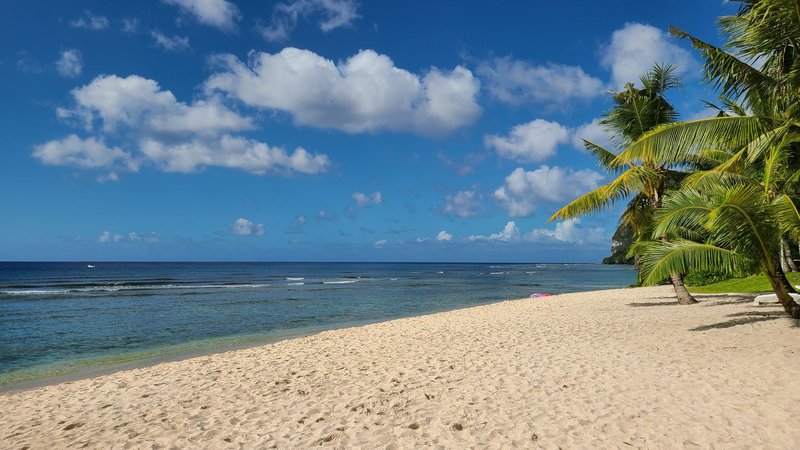
The bay’s offshore islands are where the water finally turns clear.
St. Martin’s Island (Narikel Jinjira, “coconut island”) is Bangladesh’s only coral island, a small coral-fringed dot about 9 kilometers off the southern tip near Myanmar. This is the closest the country gets to classic tropical-island water — clear enough for snorkeling around the coral patches, with turtles nesting on the beaches. It’s reached by boat from Teknaf, and access is increasingly restricted to protect a fragile ecosystem that’s taken a beating from day-tripper crowds, so check current rules before planning a trip.
Sonadia Island sits just off Cox’s Bazar and goes the other direction — a low, undeveloped island of mangroves, mudflats, and dunes that’s a critical stopover for migratory shorebirds. It’s an Ecologically Critical Area, prized by birders for the spoon-billed sandpiper, one of the world’s rarest birds. There’s no resort scene here; it’s a place for quiet boat trips and wildlife, not nightlife.
The Sundarbans estuaries
The western end of Bangladesh’s coast doesn’t have beaches at all — it has the Sundarbans, the largest mangrove forest on Earth, where the Ganges delta dissolves into a maze of tidal channels, creeks, and estuary mouths emptying into the bay. This is the closest thing to the “many inlets” the plural query implies: hundreds of named channels and river mouths braiding through the mangroves.
It’s a UNESCO World Heritage Site and the last stronghold of the Bengal tiger in a coastal mangrove habitat — the UNESCO listing covers the ecology in detail. You explore it by boat, not on foot. Tides rule everything here; the forest floods and drains twice a day, and the brackish water where river meets sea defines the whole ecosystem. Spotted deer, saltwater crocodiles, and dolphins share the channels with the tigers.
For most travelers the Sundarbans is a multi-day boat expedition out of Khulna or Mongla, not a beach day. But it’s the most dramatic example of how the Bay of Bengal meets Bangladesh — not as a single shoreline, but as a frayed, living edge.
The working coast: Chittagong and Mongla
Not all of the bay’s shore is for tourists. Two ports anchor Bangladesh’s maritime economy. Chittagong (Chattogram), on the Karnaphuli River near the bay, is the country’s largest and busiest seaport, handling the bulk of its international trade. Mongla, near the Sundarbans, is the second-largest and the gateway for shipping in the southwest.
These aren’t sightseeing destinations, but they explain why the Bay of Bengal matters to Bangladesh beyond beaches. A nation of 170 million people with one coastline runs almost all its seaborne trade through these two gates. Chittagong is also the jumping-off point for the Chittagong Hill Tracts inland and the coastal road south to Cox’s Bazar.
Best time to visit the coast
Timing the Bangladeshi coast is mostly about avoiding two things: the monsoon and the cyclones.
- November to March (dry, cool season): the clear winner. Comfortable temperatures, calm seas, low rain. This is when Cox’s Bazar and Kuakata are at their best, and the only sensible window for St. Martin’s boat trips.
- April to May (pre-monsoon): hot and humid, with the first cyclone risk building in the bay. The Bay of Bengal is one of the most cyclone-prone basins in the world, and spring is one of its two dangerous seasons.
- June to September (monsoon): heavy rain, rough water, and frequent closures of island boat services. Himchari’s waterfall runs, but the beach experience suffers.
- October to November (post-monsoon): the second cyclone window. Watch forecasts closely.
If you’re building a coastal itinerary, anchor it in the December–February sweet spot and keep an eye on the Bangladesh Meteorological Department warnings during shoulder months.
FAQ
How many bays are in Bangladesh? One: the Bay of Bengal. It’s the only bay bordering Bangladesh, and the entire southern coast sits on it. There are no separate formally named bays, though the coast includes many distinct beaches, islands, and estuaries.
Is the Bay of Bengal the largest bay in the world? Yes. At roughly 2.17 million square kilometers, it’s the largest bay on Earth by area.
Which countries border the Bay of Bengal? Bangladesh, India, Sri Lanka, and Myanmar, plus India’s Andaman and Nicobar Islands on the eastern edge.
What’s the best beach in Bangladesh? Cox’s Bazar is the most famous — the world’s longest natural sea beach at about 120 kilometers. Kuakata is the quieter alternative, and St. Martin’s Island has the clearest water.
Can you swim in the Bay of Bengal in Bangladesh? Yes, at beaches like Cox’s Bazar and Kuakata, but the northern bay water is silty and brown from the rivers, not clear blue. Watch for currents, and check seasonal cyclone warnings before you go.