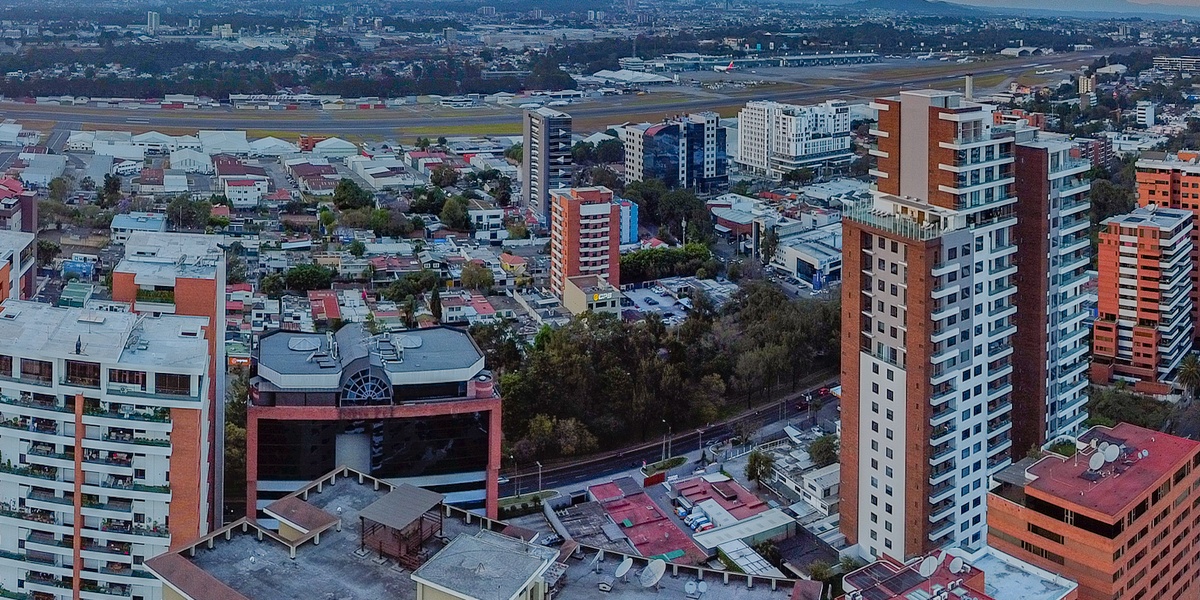
Guatemala City was established as the nation’s capital in 1776 after a devastating earthquake damaged Antigua, and that origin still shapes the city’s layered architecture and museums. The metro area holds roughly 3 million people, making it the political and cultural heart of the country and a useful gateway to Maya sites, volcanic landscapes and coffee country. I remember my first stroll through the Centro Histórico and how the mix of plazas, murals and modern cafes hooked me instantly. Guatemala City mixes colonial history, vibrant markets, world-class museums, strong coffee culture and adventurous day trips—here are seven standout ways to experience the city like a local and a curious traveler.
Culture & Museums
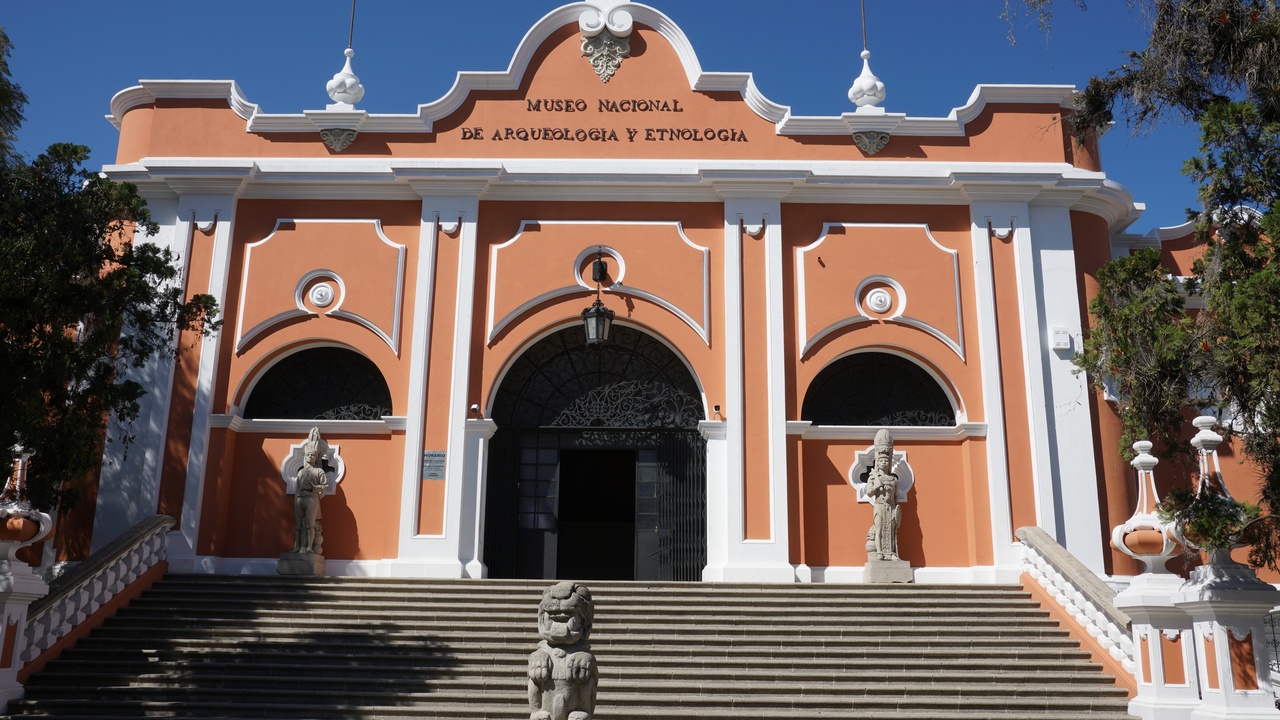
Guatemala City is the country’s cultural hub, with museums, restored colonial buildings and a growing contemporary-art scene that help tell the story of the nation. Many institutions house pre-Columbian and colonial collections that illuminate Maya civilization and the Spanish-era influence that followed the 1776 founding of the capital. Hands-on experiences—guided walks, short audio tours and museum labels—make context immediate, and most cultural sites sit in Centro Histórico or Zone 10 with typical opening hours in the morning through late afternoon.
- Centro Histórico: Palacio Nacional and Plaza Mayor
- Museo Nacional de Arqueología y Etnología
- Museo Popol Vuh and Museo Ixchel (texts and textile collections)
1. Walk the Historic Centro: Palacio Nacional & Plaza Mayor
The Centro Histórico is the city’s historical heart and a perfect first stop for visitors. The Palacio Nacional’s neoclassical facade and the Catedral Metropolitana frame Plaza Mayor, all of them photo-ready landmarks that reflect 19th- and early 20th-century civic ambitions.
Follow a short walking route that starts at Plaza Mayor, circles the cathedral, then crosses into pedestrian streets where vendors sell snacks and coffee. Mornings and late afternoons offer the best light for photos; stay on main plazas after dark and join a guided walking tour when you can for mural and architectural context.
Inside the Palacio look for official murals and carved wood details, and stand on the north side of Plaza Mayor for a skyline shot that captures both colonial facades and distant city hills.
2. See Guatemala’s past at the National Museum of Archaeology and Ethnology
The Museo Nacional de Arqueología y Etnología is the premier place in the capital to view Maya artifacts. Exhibits include ceramics, carved stone stelae fragments, jade objects and funerary goods recovered from sites around the country.
These collections help visitors connect what they see in the museums with visits to Tikal, Quiriguá and other archaeological parks. Audio guides and well-labeled displays make a 1.5–2 hour visit both efficient and illuminating for travelers short on time.
3. Visit Museo Popol Vuh and Museo Ixchel (Maya art & textiles)
Museo Popol Vuh, on the Universidad Francisco Marroquín campus, pairs pre-Columbian objects with colonial-era religious art that highlights cultural continuity. Nearby Museo Ixchel focuses on textiles and weaving traditions, showing backstrap-loom examples and regional patterns.
Allow about 60–90 minutes for a focused visit, read the explanatory labels about weaving techniques, and consider purchasing a small woven souvenir from a museum shop to support artisans who keep these traditions alive.
Markets & Food
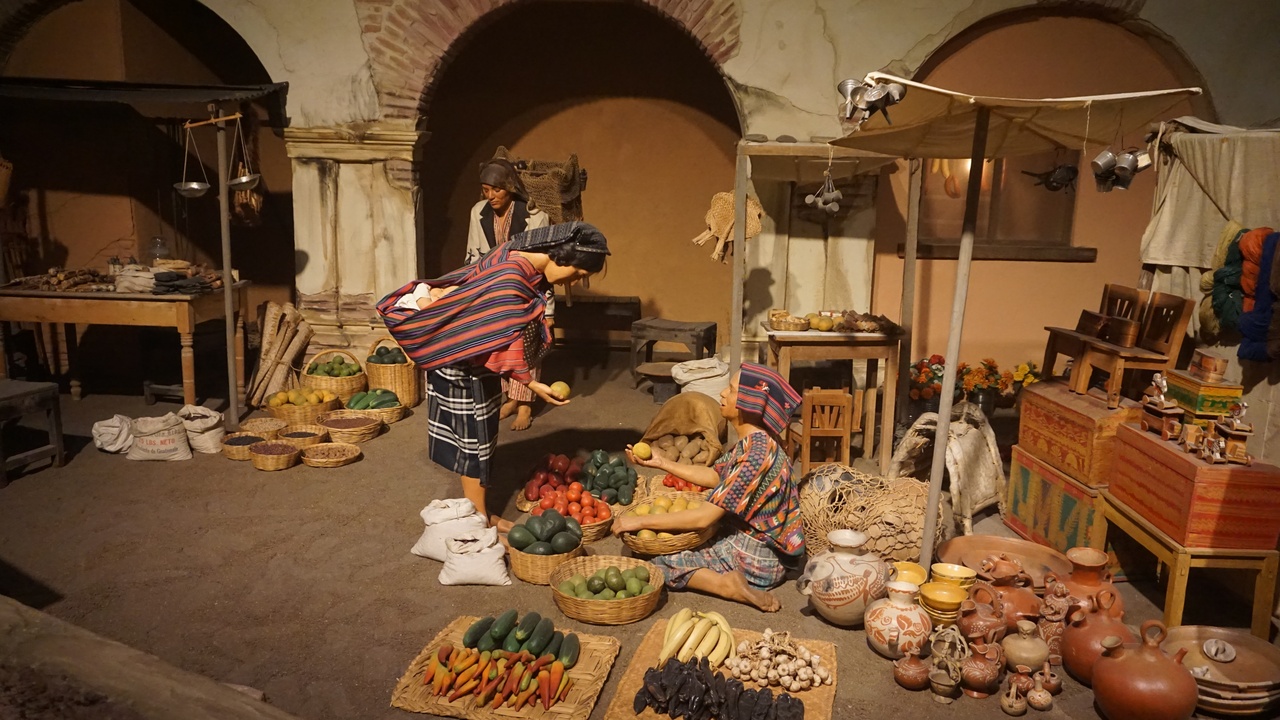
Markets and restaurants are central to daily life in the capital: colorful stalls show traditional handicrafts while restaurants and coffee shops reveal contemporary Guatemalan cuisine. Zona Viva (Zone 10) is the city’s dining and nightlife hub, whereas Mercado Central and the Mercado de Artesanías are prime places to watch commerce and taste street snacks.
Bring cash, bargain politely, and sample local dishes such as pepián, kak’ik and chuchitos to connect with regional flavors. Market hours are typically morning to early afternoon; carry small bills and keep valuables secure in crowded aisles.
4. Haggle and browse at Mercado Central and Mercado de Artesanías
These markets are the best places to buy handicrafts and sample street food. Stalls commonly sell carved wood, handwoven textiles, jade pendants (often replicas), and fresh produce.
Arrive in the morning for the best selection, carry small bills for quick purchases, and be prepared to haggle gently. Choose busy stalls and keep your bag in front for safety.
Look for compact souvenirs like a handwoven belt or a small jade pendant that travel easily, and try market snacks such as tamales or a street-style pepián to taste local ingredients.
5. Eat and socialize in Zona Viva (Zona 10)
Zona Viva is popular with both visitors and residents for its rooftop bars, contemporary restaurants and late-night spots. Menus range from traditional stews to modern fusion dishes that reinterpret Guatemalan ingredients.
Reserve ahead on busy weekend nights and stick to central corridors after dark for safety. Try coffee-based desserts and local stews like pepián at mid-range restaurants, or enjoy skyline views from a rooftop bar after dinner.
To spot authentic textiles in shopping areas, look for fine backstrap-loom patterns and ask vendors about regional origins; small, labeled purchases help support artisan communities.
To sample cool things to do in guatemala city, pair a morning at Mercado Central with an afternoon coffee tasting in Zona 10 for a full culinary loop.
Parks, Nature & Day Trips
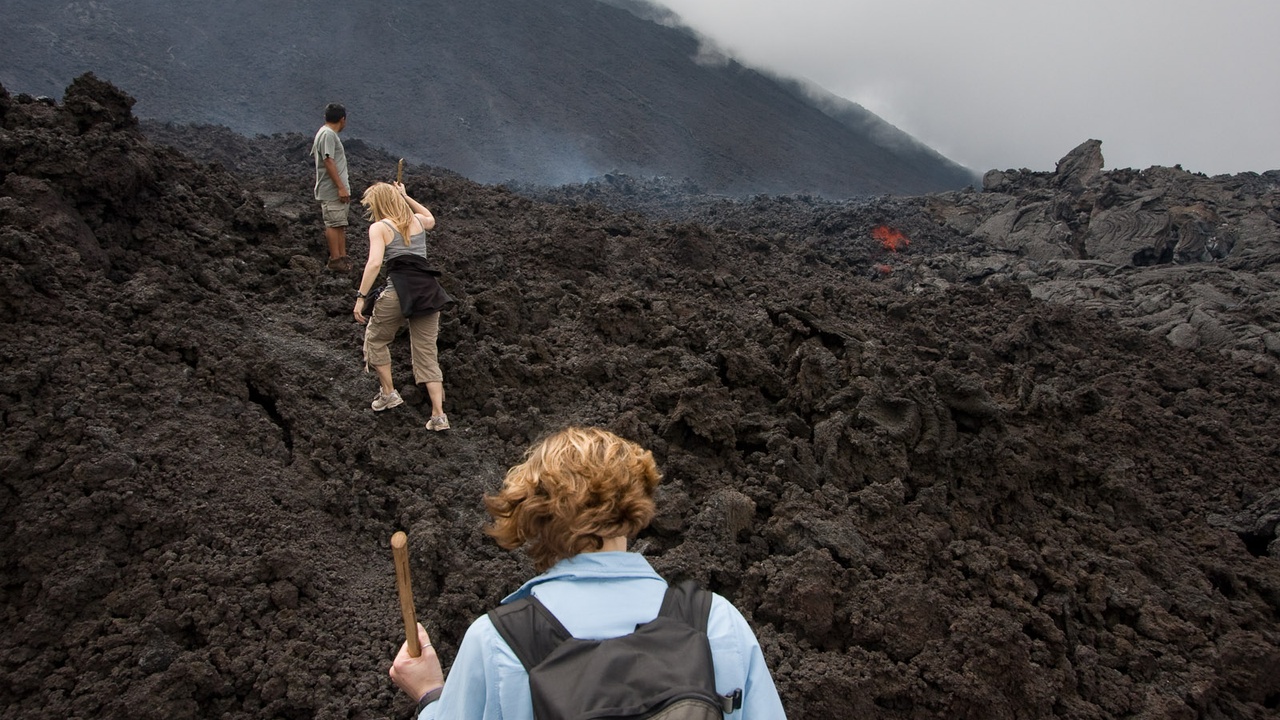
Guatemala City doubles as a launch point for nature experiences within one to two hours of the center. Visitors can choose gentle urban green spaces or more adventurous day trips to nearby volcanoes and coffee fincas.
Pacaya Volcano is the most accessible active volcano from the city (about 1–1.5 hours away); elevation near the summit is roughly 2,552 meters. Guided tours are recommended for both safety and local interpretation, and basic gear—sturdy shoes, water, and a light jacket—makes the hike comfortable.
- Urban green options like La Aurora Zoo and Botanical Gardens
- Accessible active-volcano day trips to Pacaya (guided)
- Combine nature stops with coffee finca visits or Antigua
6. Visit La Aurora Zoo & the Botanical Gardens
La Aurora Zoo and the adjacent botanical gardens offer a family-friendly contrast to downtown touring. Redesigned habitats, interpretive signage and small trails make this an easy nature stop within the city.
Plan for about 1–2 hours, buy tickets at the gate, bring sunscreen and pair the visit with coffee or lunch in nearby Zone 13 for a relaxed half-day outing.
7. Take a day trip to Pacaya Volcano (guided hike)
Pacaya is a memorable outdoor adventure and the most accessible active volcano from Guatemala City. Typical travel time is 1–1.5 hours, and guided hikes last a half to full day depending on the route.
Use licensed guides, wear sturdy shoes, carry water and a light jacket, and avoid approaches to fresh lava without professional supervision. This is an ideal half-day excursion for travelers short on time and it pairs well with a stop in Antigua (about 45 km from Pacaya) or a visit to a nearby coffee finca.
Summary
Quick takeaways to plan your visit and prioritize experiences in Guatemala City.
- Variety: blend museums and colonial Centro stops with markets, coffee and a nature day trip.
- Timing and tours: pick morning museum or market visits and book volcano or coffee tours in advance.
- If you have one day: Centro Histórico + Mercado Central + Zona Viva dinner.
- If you have two days: add Pacaya volcano or a coffee finca visit to your itinerary.
- Use markets to support artisan communities and choose guided outings for safety on outdoor trips—then pick one of these cool things to do in guatemala city and plan it this week.