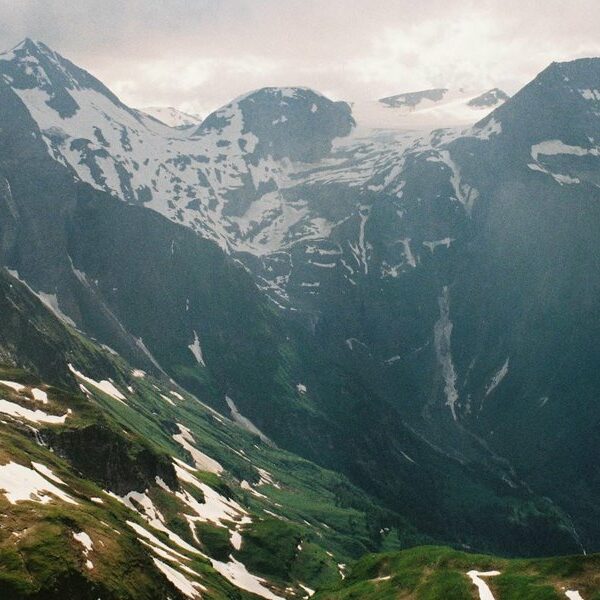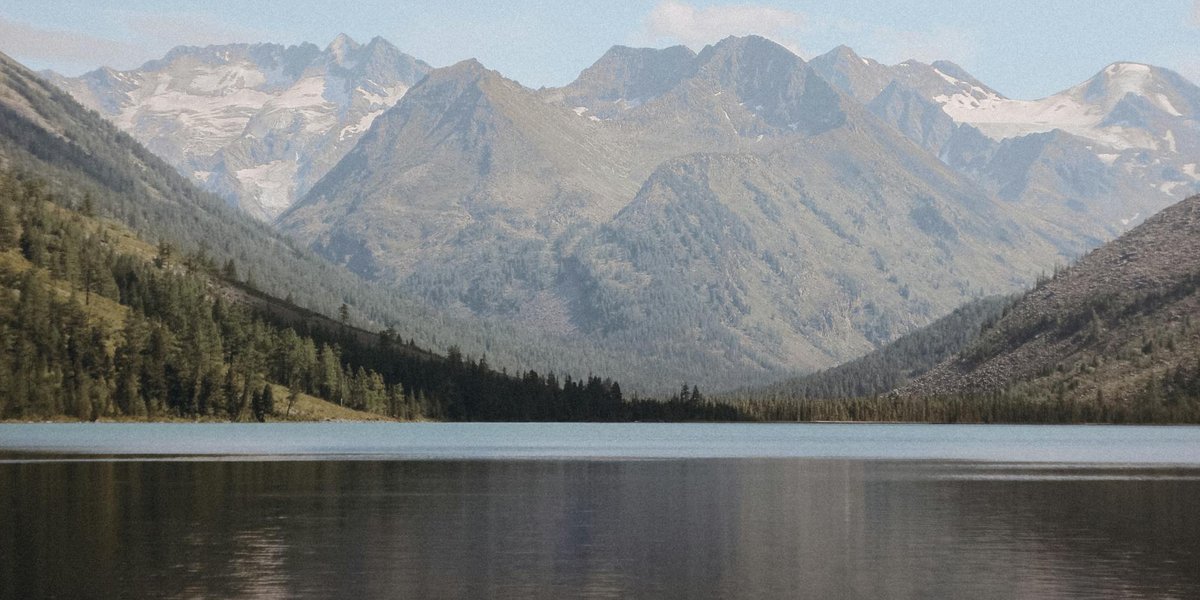
Lesotho is one of those countries where the landscape does most of the talking. It’s high, rugged, and full of rivers and dams, but lakes in Lesotho are a little trickier than the name suggests. True natural lakes are scarce. Most of the water bodies people refer to as “lakes” are reservoirs created by dams, which are a huge part of the country’s water system.
That matters, because if you’re searching for lakes in Lesotho, you’re probably looking for one of three things:
- a list of actual lakes,
- the biggest bodies of water in the country, or
- the difference between a lake and a dam in Lesotho.
This guide covers all three.
TL;DR
Lesotho has very few natural lakes. The country’s most important “lakes” are mostly reservoirs, especially the water bodies created by major dam projects in the Lesotho Highlands Water Project. If you want the clearest answer, think of Lesotho as a highland country shaped more by rivers, dams, and mountain catchments than by large natural lakes.
Table of contents
- Why lakes in Lesotho are uncommon
- Natural lakes in Lesotho
- Major reservoirs and dams often called lakes
- Why these water bodies matter
- Quick comparison table
- Travel and geography notes
- Summary
Why lakes in Lesotho are uncommon
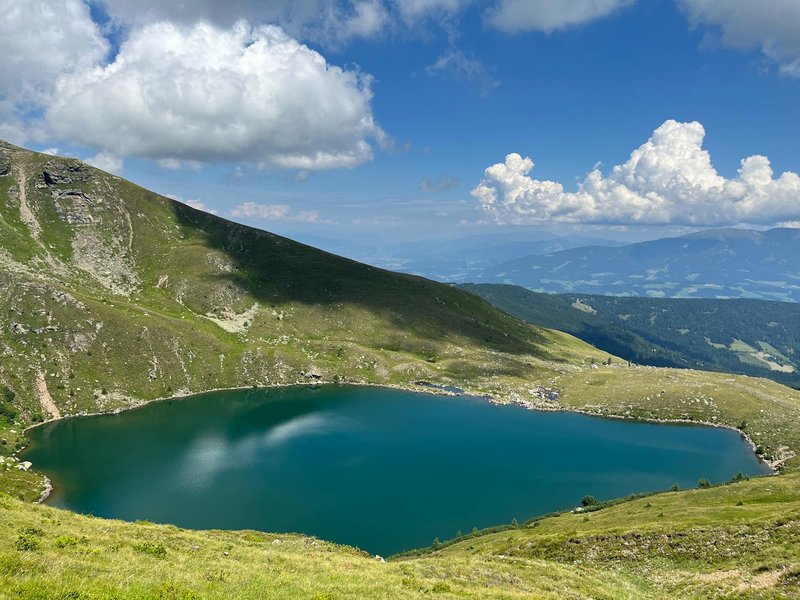
Lesotho sits almost entirely above 1,400 meters, and much of the country is mountainous. That sounds like the kind of place that should be dotted with alpine lakes, but geography doesn’t always cooperate. The terrain is steep, drainage is active, and rivers cut through the landscape rather than settling into large basins.
That’s why Lesotho has a lot of flowing water and only a small number of standing water bodies. The country is better known for its headwaters and dam reservoirs than for classic natural lakes.
A useful reference point is the Lesotho Highlands Water Project, which transformed how water is stored and moved across the country. The dams created as part of that system are the most prominent “lake-like” features many visitors and map users notice.
Natural lakes in Lesotho
There aren’t many well-known natural lakes in Lesotho, and that’s the honest answer most lists skip over. Depending on how strictly you define a lake, some small wetlands, mountain pools, or seasonal water bodies may appear in local references, but they are not major geographic features on the scale of the country’s dams.
For travelers and general readers, the key point is simple: Lesotho does not have a long list of large natural lakes. If you’re expecting something like Malawi or a lake district, that’s not what this country offers.
What it does offer is something more unusual — water in a dramatic highland setting, usually framed by cliffs, valleys, and reservoirs rather than open lowland basins.
Major reservoirs and dams often called lakes
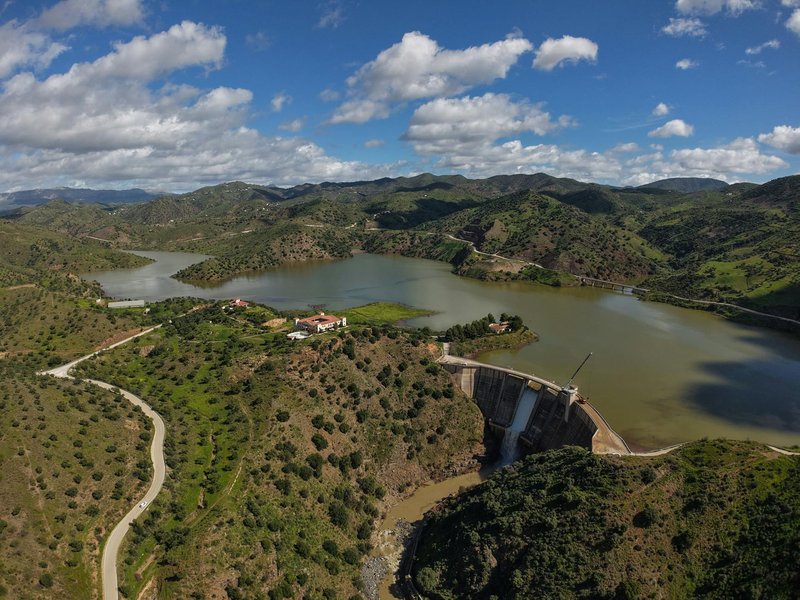
These are the bodies of water most people are usually after when they search for lakes in Lesotho.
Katse Dam Reservoir
Katse is the best-known water body in Lesotho and the centerpiece of the Lesotho Highlands Water Project. The dam itself is famous, but the reservoir is what gives the area its lake-like appearance. It sits deep in the Maloti Mountains and is one of the most photographed water features in the country.
Katse is not a natural lake. It’s a reservoir, and a major one.
Mohale Dam Reservoir
Mohale is another key reservoir in the highlands, also tied to the Lesotho Highlands Water Project. It’s less famous than Katse, but it plays an important role in water storage and transfer. In terms of scale and significance, it belongs near the top of any list of major “lakes” in Lesotho.
Metolong Dam Reservoir
Metolong lies closer to Maseru than the mountain reservoirs, and it’s important for domestic water supply. It doesn’t have the dramatic alpine setting of Katse, but it’s still a major standing water body in the country and often comes up in discussions of Lesotho’s water infrastructure.
Ntsokoane Dam
This is another reservoir that appears in discussions of Lesotho’s dam systems and water supply. It’s not a headline tourist stop, but it matters geographically and hydrologically.
Polihali Reservoir
Polihali is part of the next phase of the Lesotho Highlands Water Project and is expected to become one of the country’s most significant water bodies. It’s not the old-school postcard “lake” people might imagine, but it matters a lot for the future of water transfer in the region.
Why these water bodies matter
Lesotho’s reservoirs are not just engineering projects. They’re part of how the country manages water in a landscape that is both high and dry in the wrong places. The country supplies water to South Africa through major transfer schemes, and those reservoirs are central to that system.
They also matter environmentally. Water storage changes local ecosystems, affects settlements, and shapes road access in remote highland areas. In practical terms, a reservoir in Lesotho can be more important than a natural lake would be in a flatter country, because water here is scarce, precious, and tied closely to elevation.
If you want a broader geographic lens, the country’s water system is tied to regional hydrology in ways described by Britannica’s Lesotho overview and the broader context of the World Bank’s work on Lesotho water infrastructure.
Quick comparison table
| Water body | Type | Location | Why it matters |
|---|---|---|---|
| Katse Dam Reservoir | Artificial reservoir | Maloti Mountains | Largest and best-known reservoir |
| Mohale Dam Reservoir | Artificial reservoir | Highlands | Key storage and transfer site |
| Metolong Dam Reservoir | Artificial reservoir | Near Maseru | Important for water supply |
| Ntsokoane Dam | Artificial reservoir | Lesotho | Part of national water infrastructure |
| Polihali Reservoir | Artificial reservoir | Highlands | Major future water project site |
Travel and geography notes
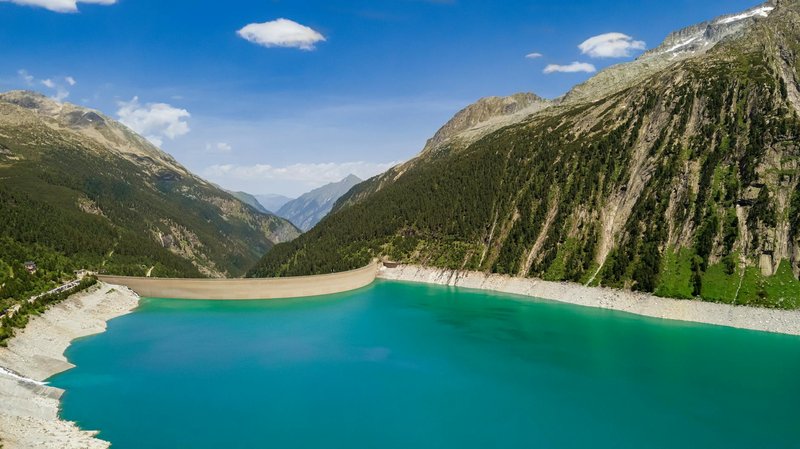
If you’re visiting Lesotho, the lakes-and-dams question changes a little depending on your goal.
For sightseeing, Katse is the standout. The setting is the attraction: steep mountain slopes, big water, and the sense that the reservoir is carved into the landscape rather than sitting on top of it. Mohale is also worth knowing about, especially if you’re following the Highlands Water Project route.
For geography students, Lesotho is a great example of how water bodies can be human-made and still become central to a country’s identity. The reservoirs are now part of the map in the same way a natural lake would be, and in some cases they matter more.
For planners, the practical thing to remember is that these are remote highland sites. Roads can be slow, weather can shift quickly, and distances are not always what they look like on a map. A reservoir in Lesotho can be beautiful, but it is not usually a casual roadside stop.
Summary
The short answer to lakes in Lesotho is this: the country has very few major natural lakes, and most of the water bodies people look for are actually reservoirs created by dams. Katse, Mohale, Metolong, Ntsokoane, and Polihali are the names that matter most if you want the real geographic picture.
So yes, Lesotho has lakes — sort of. More accurately, it has a landscape shaped by mountain water, engineering, and reservoirs that do the work of lakes without quite being lakes at all.