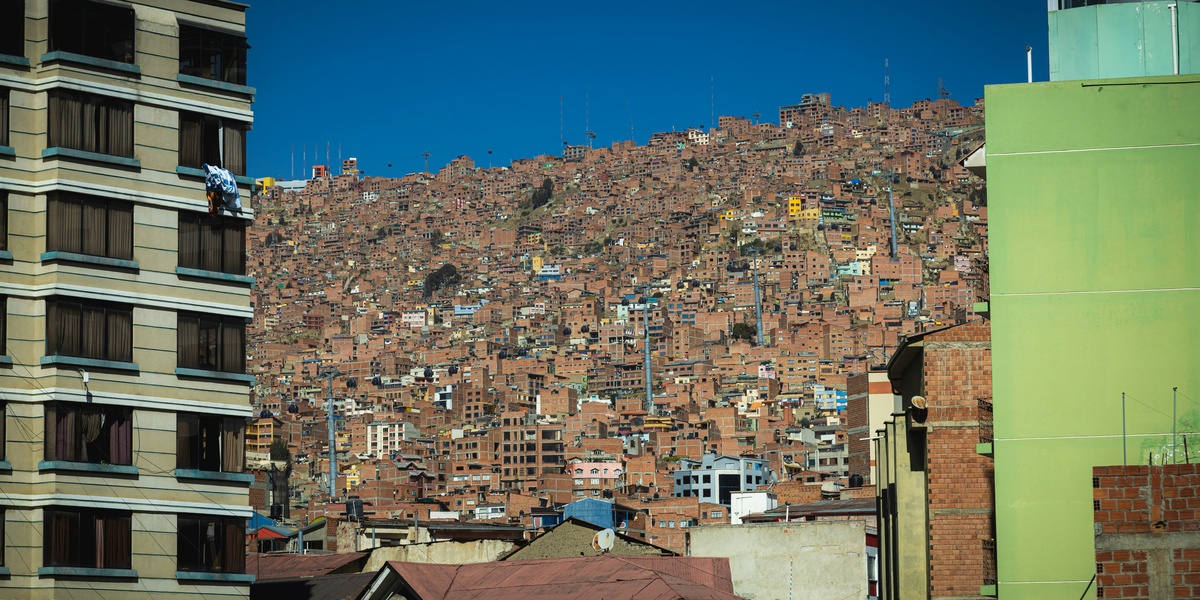
South America has wide economic contrasts shaped by history, natural resources, and policy choices. Looking at the countries with the lowest incomes helps clarify migration patterns, development needs, and where targeted aid or investment can have the biggest impact.
There are 3 Poorest South American Countries, ranging from Bolivia to Venezuela. For each country you’ll find below the Flag, GDP per capita (PPP, US$), Poverty rate (%) organized in a simple list so you can compare their situations at a glance — you’ll find below the full list and data.
How is “poorest” defined in this list?
The ranking uses a combination of GDP per capita (PPP) and poverty rate to reflect both average income and the share of people living in poverty; data are drawn from recent public sources but can be affected by reporting methods, informal economies, and revisions.
How often can these positions change between countries like Bolivia and Venezuela?
Positions can shift noticeably over a few years because of commodity price swings, political instability, exchange-rate changes, and policy reforms, so check the date on each data point in the list below for the latest picture.
Poorest South American Countries
| Country | Flag | GDP per capita (PPP, US$) | Poverty rate (%) |
|---|---|---|---|
| Bolivia | 🇧🇴 | 8,900 | 32.0% |
| Paraguay | 🇵🇾 | 8,500 | 26.0% |
| Venezuela | 🇻🇪 | 10,500 | 80.0% |
Images and Descriptions
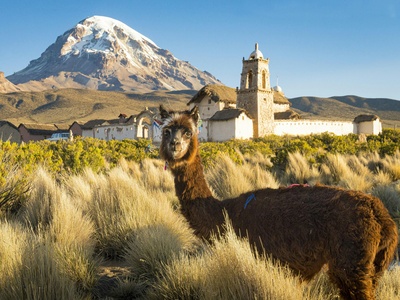
Bolivia
Bolivia is a landlocked Andean nation with one of South America’s lowest GDPs per capita (PPP). Poverty stems from high informality, rural isolation, limited industrial diversification, and dependence on commodity exports; recent social programs and gas revenues have modestly lowered poverty.
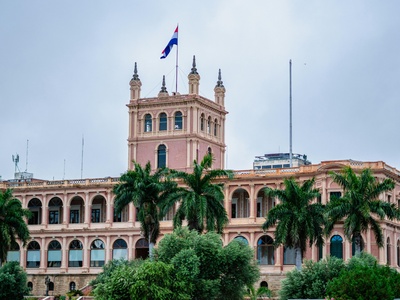
Paraguay
Paraguay is a landlocked country in the Río de la Plata basin with low PPP income and significant poverty. Agricultural dependence, informal labor markets, and limited public services drive deprivation, though steady growth and remittances have eased poverty in recent years.
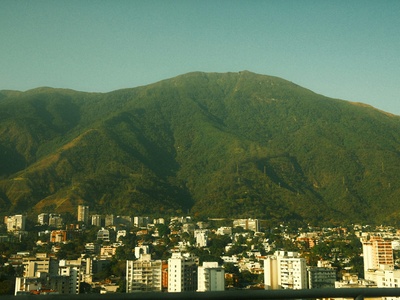
Venezuela
Venezuela faces very high poverty amid economic collapse, hyperinflation, and public-service breakdowns. Heavy oil dependence, political instability, and mass migration fueled a steep welfare decline; household surveys show extremely elevated poverty, but official macro statistics are unreliable and highly contested.