Libya’s landscape is dominated by desert, but its network of wadis, coastal streams and engineered supply routes has long influenced where people live, farm and trade. Understanding these channels helps explain settlement patterns from the Mediterranean coast to inland oases.
There are 20 Rivers in Libya, ranging from Great Man-Made River to Wadi ash-Shati. Data are organized as Type,Location (region; coordinates),Key facts (length km; seasonal status; meaning/notes) so you can compare natural wadis, intermittent streams and major engineered systems — you’ll find below.
Are any of these rivers permanent year-round watercourses?
Most Libyan rivers are seasonal wadis that flow briefly after rain; true perennial rivers are rare to nonexistent except for man-made systems like the Great Man-Made River, which supplies water continuously from aquifers via pipelines rather than natural surface flow.
How should I read the entries to compare importance or use?
Look first at Type (natural wadi vs. engineered), then Location (region; coordinates) to see geographic context, and finally Key facts (length km; seasonal status; meaning/notes) for practical info on flow reliability, historical use and local names.
Rivers in Libya
| Name | Type | Location (region; coordinates) | Key facts (length km; seasonal status; meaning/notes) |
|---|---|---|---|
| Great Man-Made River | Man-made watercourse | Libya-wide; 28.0, 17.0 | 4,000 km; World’s largest irrigation project, piping fossil water from southern aquifers. |
| Wadi Derna | Seasonal (wadi) | Cyrenaica; 32.76, 22.64 | 50 km; Site of catastrophic dam collapses and devastating floods in September 2023. |
| Wadi Kaam | Seasonal (wadi) | Tripolitania; 32.65, 14.12 | 60 km; Flows near the ancient Roman city of Leptis Magna, site of Roman dams. |
| Wadi Majenine | Seasonal (wadi) | Tripolitania; 32.7, 13.3 | 85 km; Known for causing flash floods in Tripoli; has dams for flood control. |
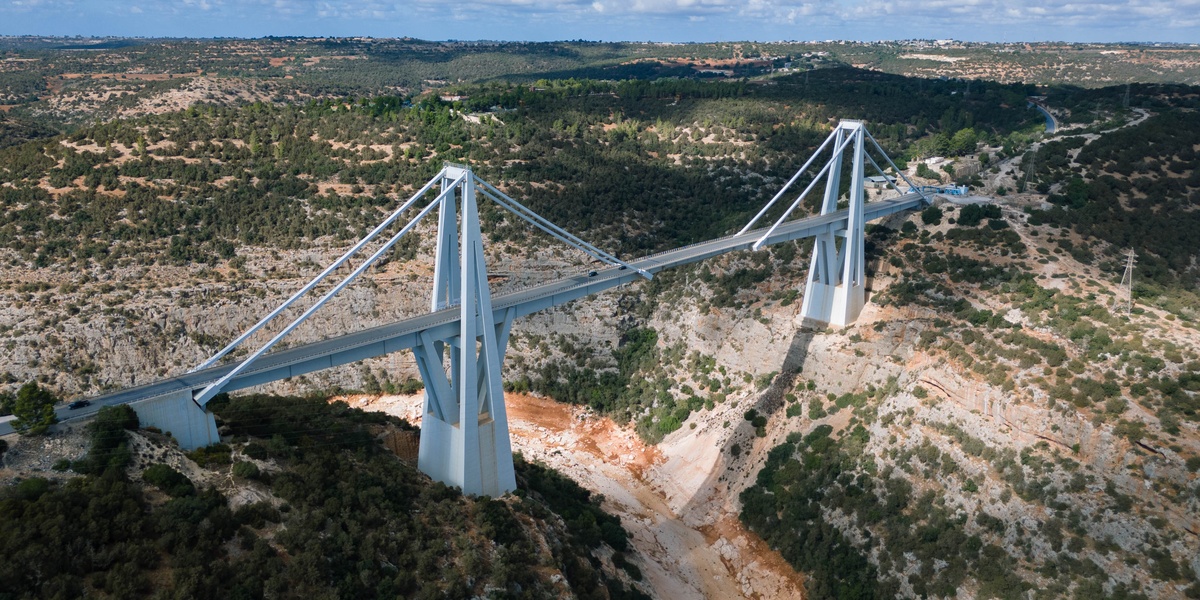
| Wadi al-Kuf | Seasonal (wadi) | Cyrenaica; 32.69, 21.68 | 160 km; Crossed by the famous Wadi al-Kuf Bridge in the Jebel Akhdar mountains. |
| Wadi Sofeggin | Seasonal (wadi) | Tripolitania; 31.6, 14.6 | 480 km; One of Libya’s largest endorheic (inland draining) wadi systems. |
| Wadi Tanezzuft | Seasonal (wadi) | Fezzan; 25.5, 10.5 | 400 km; Major wadi on the Algerian border, part of an ancient paleoriver system. |
| Wadi al-Ajal | Seasonal (wadi) | Fezzan; 26.5, 13.0 | 220 km; A long valley with oases, home to the ancient Garamantian civilization. |
| Wadi ash-Shati | Seasonal (wadi) | Fezzan; 27.5, 14.3 | 180 km; “Valley of the Beach,” a significant east-west depression containing numerous oases. |
| Wadi Zamzam | Seasonal (wadi) | Tripolitania; 31.0, 15.2 | 350 km; A major tributary flowing into the vast Wadi Sofeggin system. |
| Wadi Bey al-Kabir | Seasonal (wadi) | Tripolitania; 32.2, 14.8 | 200 km; Large wadi system that is also a major tributary to Wadi Sofeggin. |
| Wadi Ghan | Seasonal (wadi) | Tripolitania; 32.3, 13.2 | 75 km; Rises in the Jebel Nafusa and is controlled by the large Wadi Ghan Dam. |
| Wadi Jarif | Seasonal (wadi) | Sirte Basin; 30.8, 17.5 | 150 km; Drains a large area of the central desert plain towards the Gulf of Sidra. |
| Wadi Tilal | Seasonal (wadi) | Sirte Basin; 30.5, 18.0 | 120 km; Major wadi system in central Libya flowing north to the Mediterranean coast. |
| Wadi al-Qattarah | Seasonal (wadi) | Cyrenaica; 32.1, 20.3 | 45 km; Flows near Benghazi and has a dam for water supply and flood control. |
| Wadi Barjuj | Seasonal (wadi) | Fezzan; 28.5, 17.2 | 180 km; A significant wadi draining the Haruj volcanic field in central Libya. |
| Wadi Hasawnah | Seasonal (wadi) | Fezzan; 28.0, 14.0 | 130 km; An important wadi system in the mountainous Jabal as Sawda’ region. |
| Wadi Ninay | Seasonal (wadi) | Tripolitania; 31.8, 14.0 | 90 km; A tributary of the Sofeggin-Zamzam system, originating in the western mountains. |
| Wadi al-Hira | Seasonal (wadi) | Tripolitania; 32.5, 13.0 | 65 km; Located in the Jafara Plain west of Tripoli, important for local agriculture. |
| Wadi al-Athrun | Seasonal (wadi) | Cyrenaica; 32.9, 22.3 | 30 km; A coastal wadi in the Jebel Akhdar known for its archaeological sites. |
Images and Descriptions
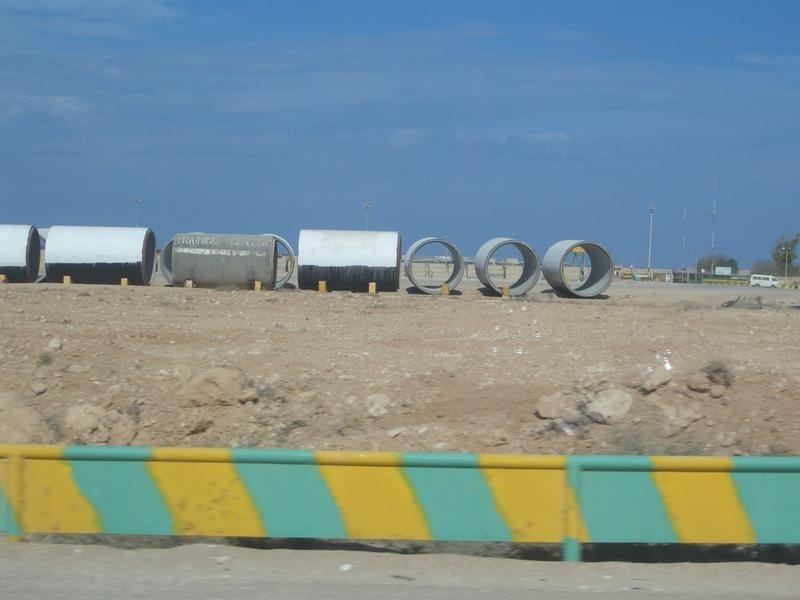
Great Man-Made River
Name for Libya’s huge water network of pipelines and aqueducts. It is not a natural river. It pumps ancient groundwater from southern aquifers to coastal cities. It supplies drinking water and irrigation across Libya. Include it because it is the country’s main continuous water source.
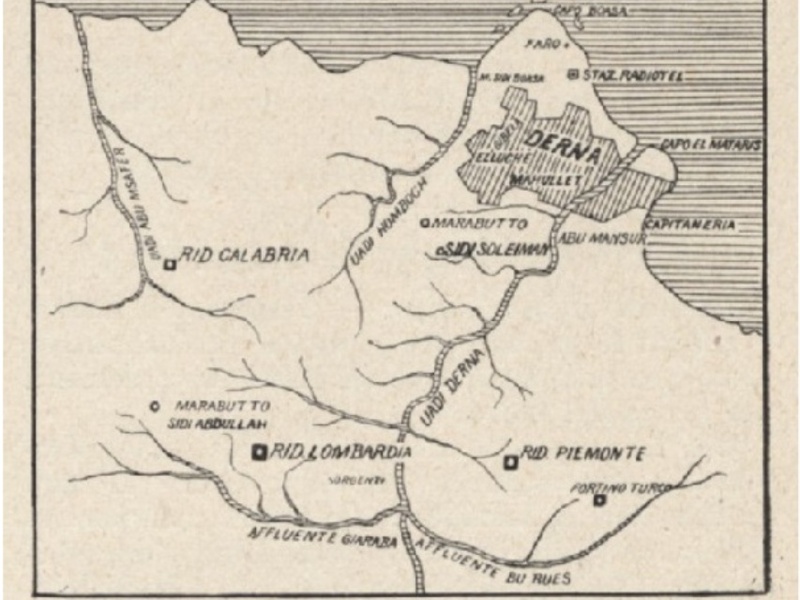
Wadi Derna
Seasonal wadi in eastern Libya that drains toward the Mediterranean at the city of Derna. It stays dry much of the year and carries heavy floods after rain. It shaped local settlements and coastal plains. Include it as one of the best-known Libyan wadis.
Wadi Kaam
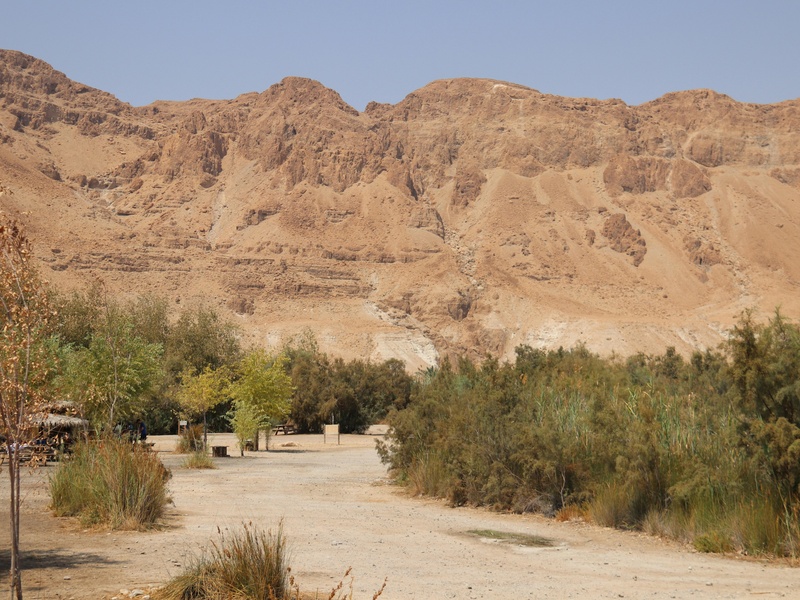
Seasonal wadi in Libya. It forms a dry riverbed most of the year and flows briefly after storms. It supports local grazing and fills temporary pools. Treat it as a typical ephemeral watercourse in Libya’s landscape.

Wadi Majenine
Seasonal wadi in Libya. It runs only during rainy periods and otherwise remains a dry channel. It collects runoff from nearby hills and sends water to low-lying areas. Note its role in local flash-flood events and seasonal agriculture.
Wadi al-Kuf
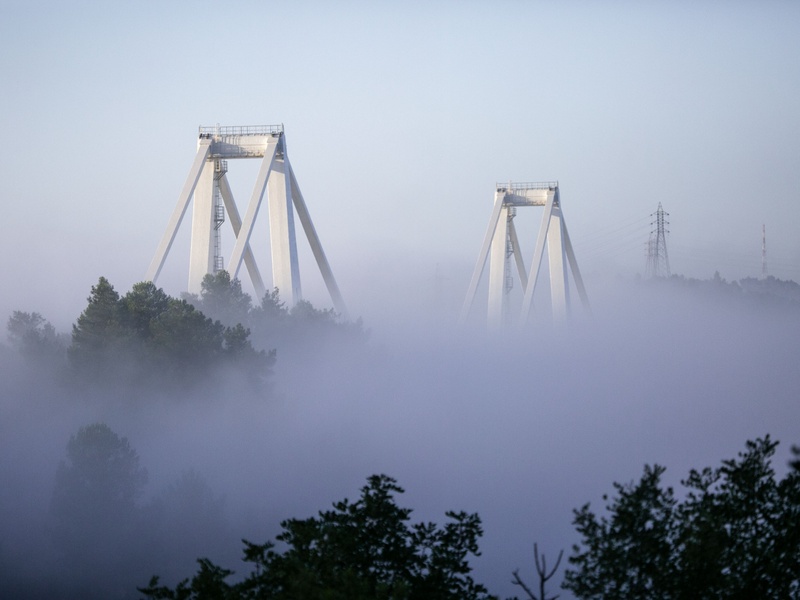
Seasonal wadi in eastern Libya (Cyrenaica). It drains nearby uplands and runs toward lower ground after rains. It lies near rugged terrain and supports small oases and agriculture when it flows. Include it as a regional eastern wadi.
Wadi Sofeggin
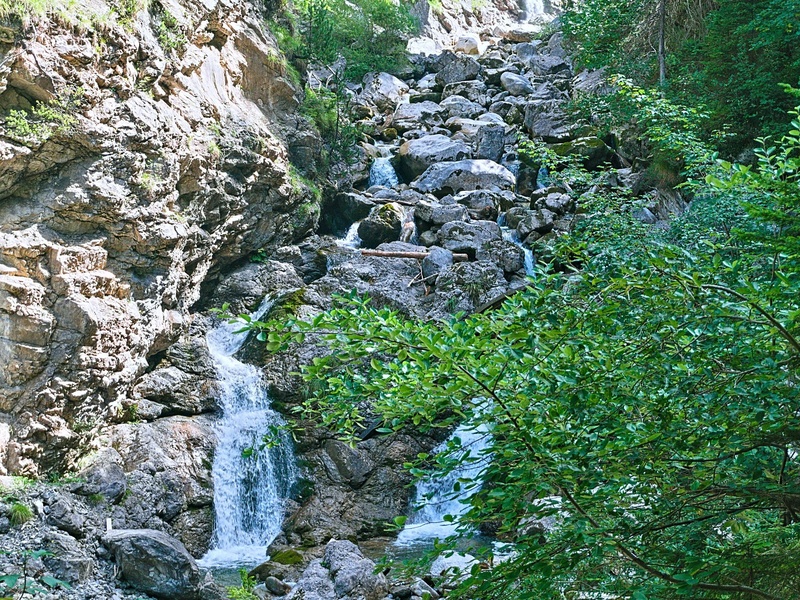
Seasonal wadi in Libya. It forms an intermittent channel that carries stormwater and debris downslope. It supports short-lived wetlands and recharges shallow groundwater when active. Note its local importance for grazing and seasonal farming.
Wadi Tanezzuft
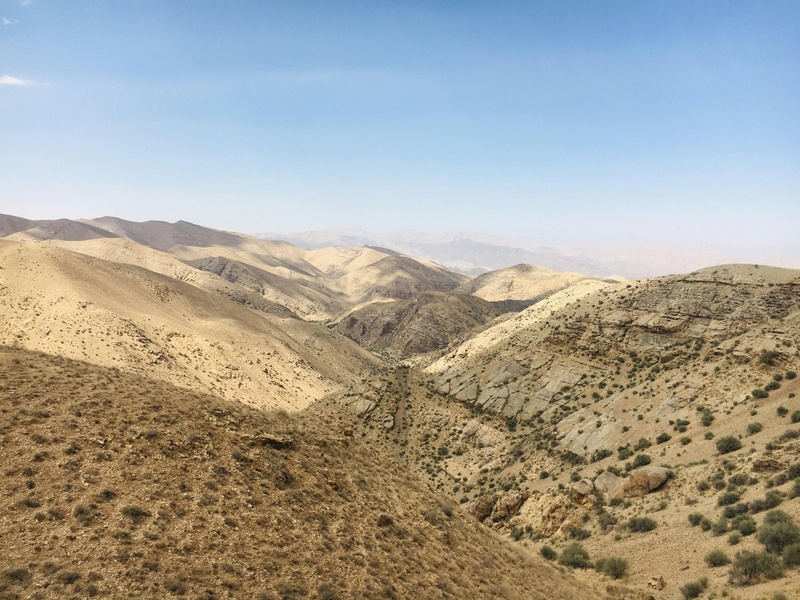
Seasonal wadi in southwestern Libya (Fezzan). It channels rare desert rains toward basins and oases. It influences caravan routes and local settlement patterns. Include it as a representative Fezzan waterway.
Wadi al-Ajal
Seasonal wadi in Libya. It stays dry most of the year and carries water only after heavy rainfall. It shapes local drainage and can create temporary ponds. Use it to show the common ephemeral nature of Libyan waterways.
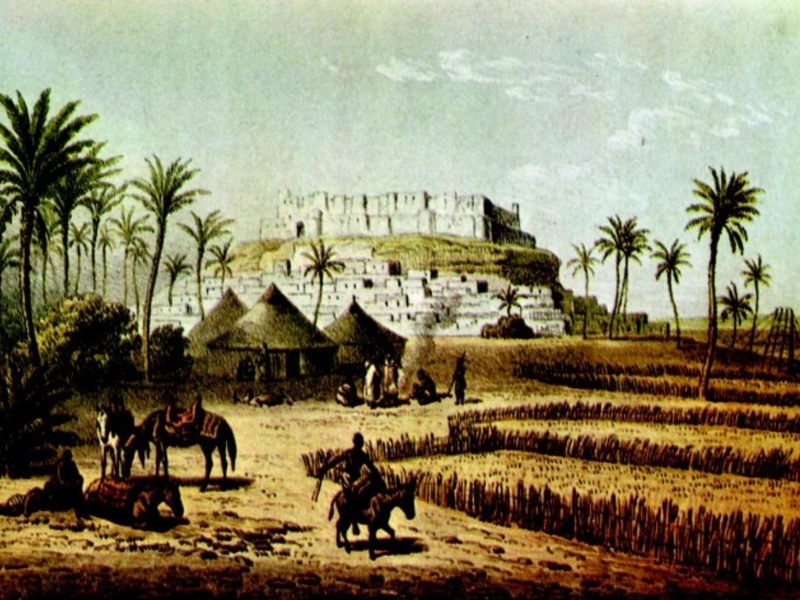
Wadi ash-Shati
Seasonal wadi in the Fezzan region of Libya. It drains parts of the central-southern plateau and supplies temporary water to oases after rains. It has local historical importance for nomadic routes and settlements. Include it for southern coverage.
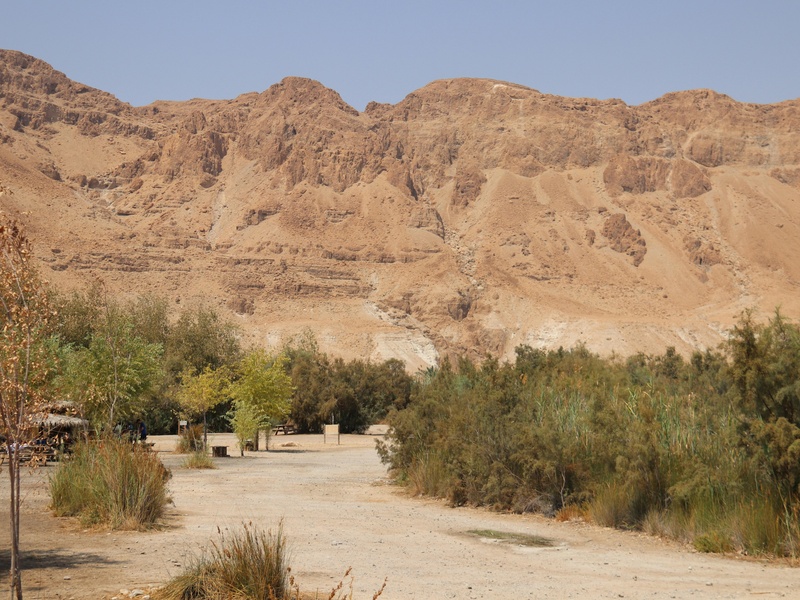
Wadi Zamzam
Seasonal wadi in Libya. It forms an intermittent channel that flows after storms and then dries. It often ends in seasonal wetlands or sabkhas. Note the name similarity to other places; treat it as a local ephemeral stream.
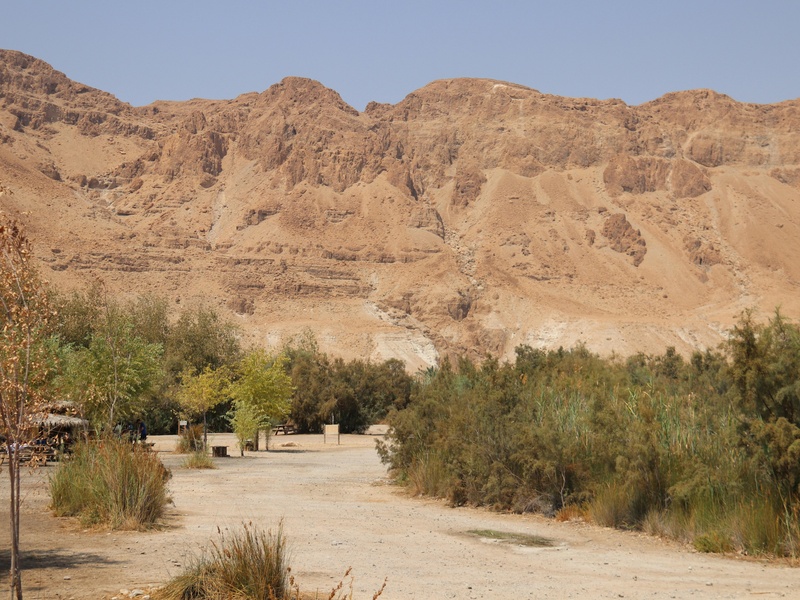
Wadi Bey al-Kabir
Seasonal wadi in Libya. Its name means ‘great bey’ and indicates a larger dry channel compared with nearby wadis. It flows only in wet periods and helps recharge local soils and shallow aquifers. Include it as an example of larger ephemeral channels.
Wadi Ghan
Seasonal wadi in Libya. It carries episodic floodwater during the rainy season and remains dry otherwise. It helps shape the local landscape and supports brief agricultural activity after rains. Use it to illustrate typical wadi behavior.
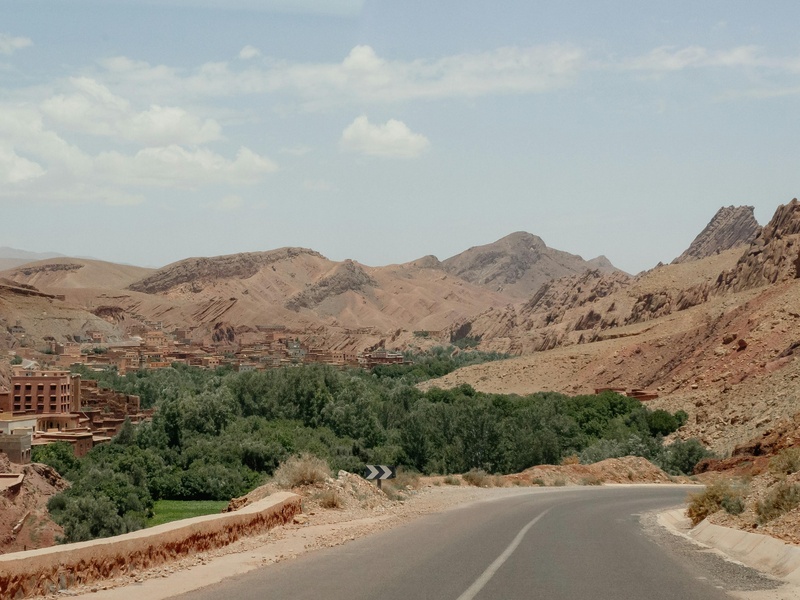
Wadi Jarif
Seasonal wadi in Libya. It forms a narrow, dry river course that activates with heavy rain. It provides temporary water for animals and plants. Note its role in local drainage and flood events.
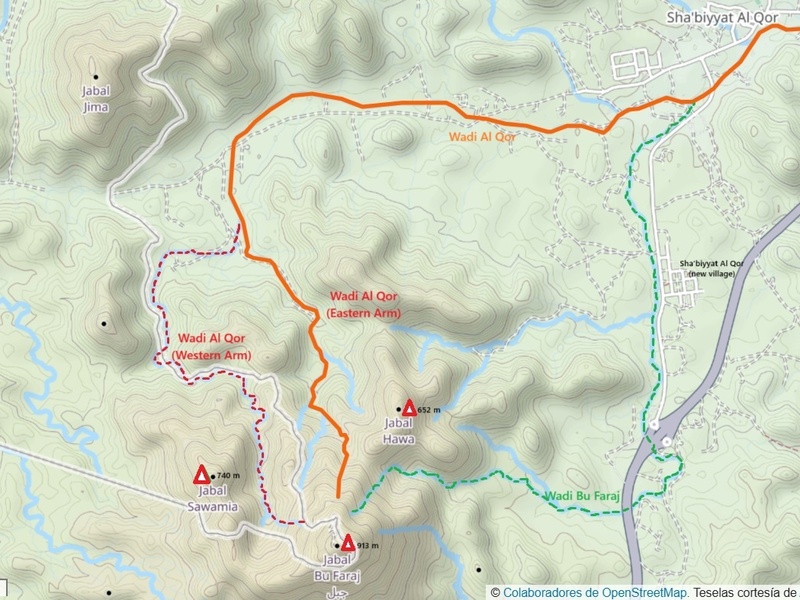
Wadi Tilal
Seasonal wadi in Libya. It produces brief streams after storms and then reverts to a dry bed. It contributes to groundwater recharge and to short-term watering spots. Include it as another example of Libya’s ephemeral waterways.
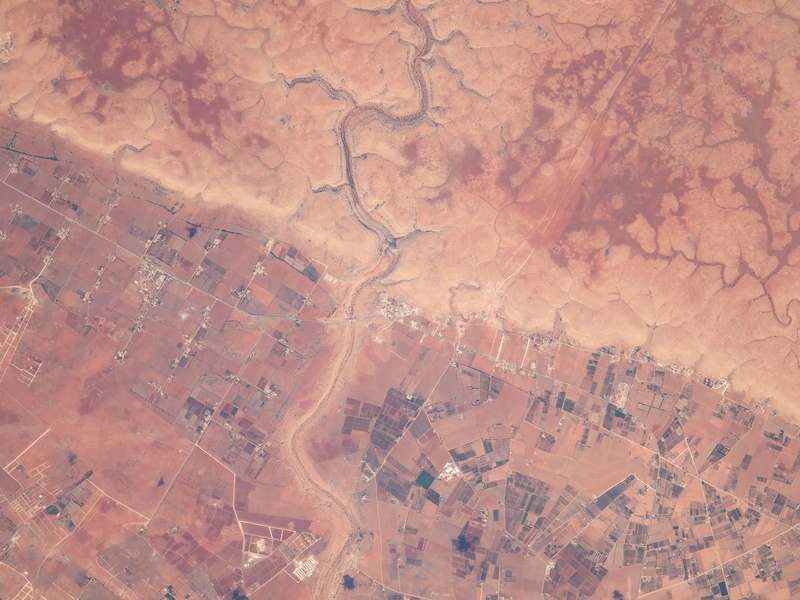
Wadi al-Qattarah
Seasonal wadi in Libya. It channels runoff during rare rainstorms and shapes adjacent plains and basins. It supports temporary cultivation and grazing when active. Mention it to show the variety of named wadis across the country.
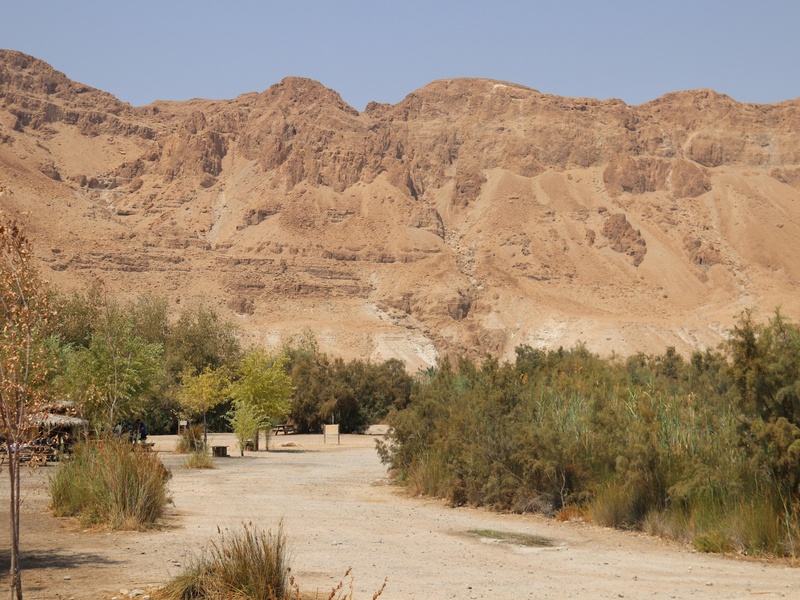
Wadi Barjuj
Seasonal wadi in Libya. It remains dry most of the year and floods episodically. It helps funnel rainwater into local depressions and supports seasonal plant growth. Include it as part of the national list of wadis.
Wadi Hasawnah
Seasonal wadi in Libya. It carries short-lived flows after heavy rains and otherwise forms a dry channel. It plays a local role in water capture and temporary watering sites. Use it to reflect typical desert drainage features.
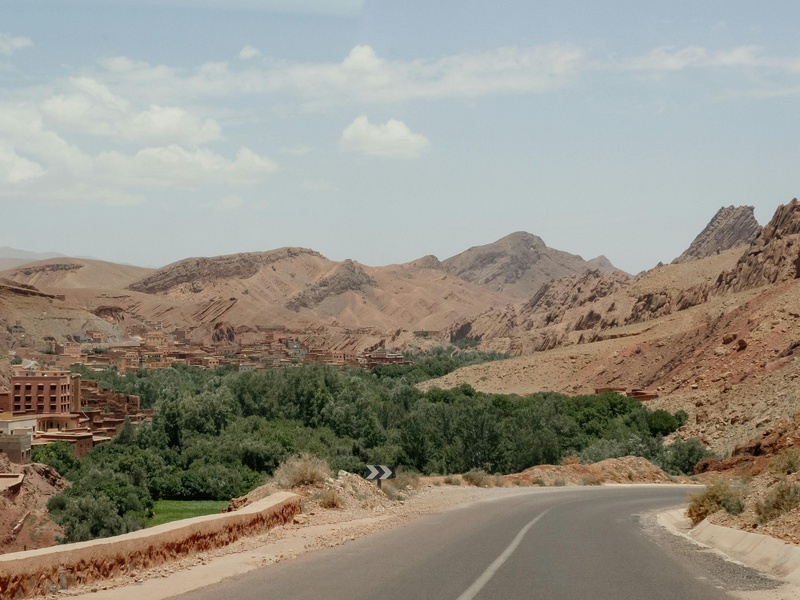
Wadi Ninay
Seasonal wadi in Libya. It flows only with significant rainfall and then dries. It guides runoff into basins or coastal plains depending on its course. Include it to complete regional coverage of ephemeral streams.
Wadi al-Hira
Seasonal wadi in Libya. It produces intermittent flows that support small-scale agriculture after rains. It usually ends in a seasonal marsh or dry depression. Note its local importance for water collection and grazing.
Wadi al-Athrun
Seasonal wadi in Libya. It forms an ephemeral channel that activates in wet weather and stays dry otherwise. It contributes to local groundwater recharge and occasionally causes flash floods. Include it as part of Libya’s network of wadis.