Table of contents
- TLDR
- How I’m ranking the safest cities in Senegal
- 1. Dakar
- 2. Saly
- 3. Saint-Louis
- 4. Gorée Island
- 5. Ziguinchor
- 6. Toubab Dialaw
- 7. Thiès
- Safer neighborhoods vs. areas to be cautious with
- A few practical Senegal safety tips
TLDR
The safest cities in Senegal for most visitors are usually the places with decent tourism infrastructure, steady foot traffic, and lower exposure to the kinds of petty crime that target newcomers. That points to Dakar, Saly, Saint-Louis, and Gorée Island first, with Ziguinchor, Toubab Dialaw, and Thiès also worth a look depending on what you’re after.
No city is “safe” everywhere, all the time. The real trick in Senegal is choosing the right neighborhood, watching your routine after dark, and not wandering around with your phone out like you’re in a music video.
How I’m ranking the safest cities in Senegal
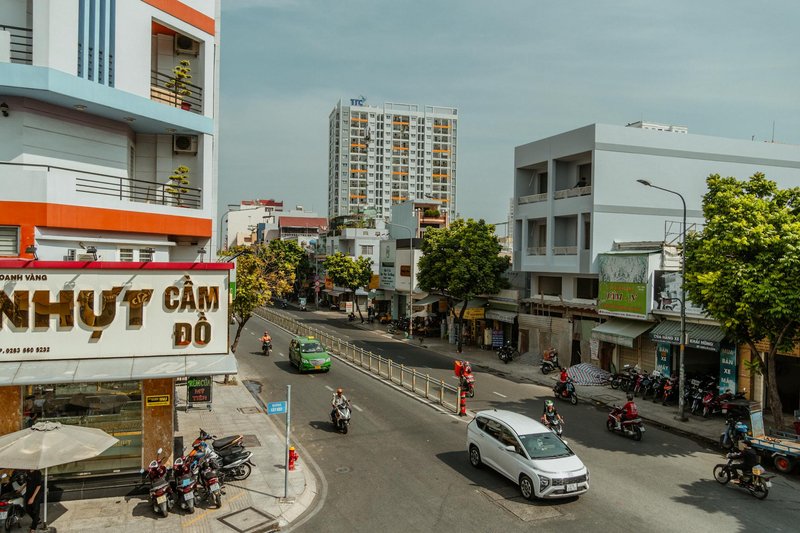
This isn’t a crime-stat spreadsheet ranking. Those are hard to compare cleanly city to city, and they usually miss the stuff travelers actually care about: petty theft, transport hassle, scam pressure, and whether a place feels organized enough that you’re not improvising every step.
I’m looking at a few practical factors:
- visible tourism and expat infrastructure
- general walkability in the main districts
- how exposed visitors are to petty crime
- transport options and nighttime movement
- neighborhood-level variation, because one “safe” city can still have rough pockets
For a broader official view on travel risk, the UK government’s Senegal travel advice and the U.S. State Department’s Senegal advisory are worth checking before you go.
1. Dakar
Dakar is the big one. It’s Senegal’s capital, busiest city, and the place most travelers, expats, and business visitors end up passing through. That scale cuts both ways: you get the best services in the country, but also the most opportunities for petty theft, traffic chaos, and the occasional overconfident taxi negotiation.
For safety, Dakar works best if you stay in the more established areas and keep your expectations grounded. Almadies, Plateau, Mermoz, and parts of Fann are generally more comfortable for visitors than the more congested, less predictable parts of the city. You’re not going to mistake Dakar for a sleepy beach town. It’s a real city, with real-city issues.
Why it still makes this list:
- strong hotel and restaurant infrastructure
- better access to private transport
- plenty of police presence in key zones
- most traveler-friendly services in the country
Best for: first-time visitors, expats, business travelers, and anyone who wants the most practical base in Senegal.
Main caution: phone snatching, bag theft, and late-night movement in less busy areas. Keep your guard up around markets and transport hubs.
2. Saly
Saly is one of the easiest places in Senegal for tourists who want low-stress logistics. It’s a resort town on the Petite Côte, built around beaches, hotels, and vacation rentals. That doesn’t make it immune to theft, but it does mean the whole place is organized around visitors, which usually lowers the friction level.
It’s one of the safest cities in Senegal for tourists because the main zones are compact, well-known, and relatively easy to navigate. If you’re comparing it to a giant capital, that matters. There’s less reason to wander far, fewer moving parts, and plenty of businesses used to dealing with foreigners.
Why it stands out:
- tourist-oriented layout
- easier beach-and-hotel routine
- fewer urban hassles than Dakar
- good choice for families and short stays
Best for: beach holidays, families, and travelers who want Senegal without the city grind.
Main caution: don’t let the resort feel fool you. Petty theft still happens, especially around beaches, parking areas, and quiet stretches after dark.
3. Saint-Louis
Saint-Louis has a slower, more elegant feel than Dakar. The old colonial core on the island is one of the most distinctive urban areas in West Africa, and that tourist footprint helps keep the central areas fairly manageable. It’s not a bubble, though. Once you step outside the main visitor zones, the city feels more ordinary and less curated.
This is the sort of place where safety is tied to routine. Stick to the well-trafficked parts of the historic center, use normal nighttime caution, and you’ll usually have an easier experience than you would in a sprawling capital. Saint-Louis also rewards people who like to walk, which is more than you can say for many cities in the region.
What makes it appealing:
- compact historic center
- strong cultural tourism
- slower pace than Dakar
- easier to understand on foot
Best for: culture-focused travelers, photographers, students, and anyone who likes cities with a sense of place.
Main caution: less-polished outskirts, irregular street lighting in some areas, and the usual need to avoid isolated streets late at night.
4. Gorée Island
Gorée Island is tiny, heavily visited, and much easier to manage than mainland urban areas. It’s one of the most tourist-friendly places in Senegal, partly because there’s nowhere to get lost in the first place. The island’s historic significance also means a steady flow of visitors, guides, and local businesses that depend on tourism.
That doesn’t mean “no crime, ever.” It means the environment is controlled enough that risk is lower than in a big, busy city. If your goal is to spend a day or two somewhere calm, walkable, and culturally rich, Gorée is one of the safest-feeling destinations in Senegal.
Why it’s so straightforward:
- very small and walkable
- strong tourist presence
- limited traffic
- easy to navigate without a car
Best for: day-trippers, history buffs, and visitors who want a low-stress stop near Dakar.
Main caution: ferry timing, crowded visitor areas, and basic common sense around valuables. Small places still have opportunists.
5. Ziguinchor
Ziguinchor is the main city in Casamance, and it often feels calmer than Dakar simply because it’s less hectic. The atmosphere is more relaxed, the pace is slower, and the city is easier to approach if you prefer somewhere less intense. It also serves as a useful gateway for travelers heading deeper into southern Senegal.
Safety here is more about neighborhood choice and awareness than raw danger. The central areas are generally fine during normal hours, but you still want to keep nighttime movement sensible and avoid isolated stretches. The city’s appeal is partly that it doesn’t feel like it’s always in a rush.
Why it’s a solid option:
- less chaotic than the capital
- relaxed urban feel
- useful base for Casamance travel
- fewer hard-edged city hassles
Best for: travelers exploring southern Senegal, longer-term visitors, and people who prefer slower cities.
Main caution: limited infrastructure compared with Dakar, so don’t assume every ride, route, or service will be seamless.
6. Toubab Dialaw
Toubab Dialaw is more village than city, but it keeps showing up in safety conversations because it’s a popular creative and beach destination with a relatively mellow vibe. It’s close enough to Dakar for weekend trips, but far enough away to feel less frenetic.
The main draw here is that life is simple. Fewer crowds, fewer moving parts, less reason for the kind of opportunistic crime that thrives in packed urban settings. That said, the tradeoff is also fewer services, so you need to plan better if you’re staying overnight.
Why it belongs on the list:
- small, low-key coastal setting
- popular with artists and retreat travelers
- less traffic and fewer crowds
- relaxed pace compared with major cities
Best for: retreat travelers, creatives, and people who want a quiet base near the coast.
Main caution: basic infrastructure is thinner, so don’t expect city-level convenience or instant backup if you need something.
7. Thiès
Thiès doesn’t get the same tourist buzz as Dakar or Saint-Louis, but it can be a practical, relatively manageable city for visitors and expats who want a less expensive, less frantic environment. It’s a transport and administrative hub, so it has urban energy without quite the same pressure cooker feel as the capital.
The safety question here is mostly about normal city awareness. The central areas are usually fine in daylight, but you should still pay attention to crowded transport zones and avoid showing off valuables. Thiès is not a place that rewards sloppy habits.
Why it’s worth considering:
- less chaotic than Dakar
- good transit connections
- practical for everyday living
- lower profile than major tourist centers
Best for: longer stays, budget-conscious travelers, and people who want a functional city rather than a resort or heritage site.
Main caution: transport areas can be busy and a bit rough around the edges, especially during peak movement times.
Safer neighborhoods vs. areas to be cautious with
Even in the safest cities in Senegal, the neighborhood matters more than the city name on the sign.
Generally more comfortable:
- established hotel districts
- central, well-lit commercial areas
- places with steady foot traffic
- neighborhoods locals recommend for foreigners and business visitors
Use extra caution:
- isolated streets after dark
- poorly lit beachfront stretches
- crowded markets where pickpocketing is easy
- transport hubs, especially if you look distracted
In Dakar, for example, the experience in Almadies is not the same as the experience in a crowded, unfamiliar outer area. In Saint-Louis, the historic center feels different from the outskirts. Same country. Very different risk profile.
A few practical Senegal safety tips
A lot of travel safety in Senegal comes down to habits, not heroic luck.
- Keep your phone and wallet out of sight in crowded places.
- Use reputable taxis or ride arrangements when possible.
- Don’t walk alone in unfamiliar areas after dark.
- Ask your hotel, host, or guide which streets to avoid.
- Dress in a way that doesn’t advertise wealth or tourist status.
- Keep copies of important documents somewhere separate from the originals.
If you want a benchmark for general traveler precautions, the CDC travel health advice is a decent starting point for the health side, while local guidance and your accommodation staff usually give the best on-the-ground advice for safety.
Senegal is not a place where you need to move like you’re under siege. It is a place where common sense pays dividends. A lot of them.
Final thoughts
The safest cities in Senegal aren’t necessarily the quietest ones. They’re the places where visitors can move around with reasonable confidence, get help when they need it, and avoid the worst of the petty crime that tends to catch out distracted travelers.
For most people, Dakar, Saly, Saint-Louis, and Gorée Island are the strongest starting points. If you want a slower or more local feel, Ziguinchor, Toubab Dialaw, and Thiès each offer a different version of “safe enough” — with the usual caveat that neighborhood-level judgment matters more than any neat ranking.
If you want, I can also turn this into a “Safest Places to Live in Senegal” version or add a city-by-city comparison table.