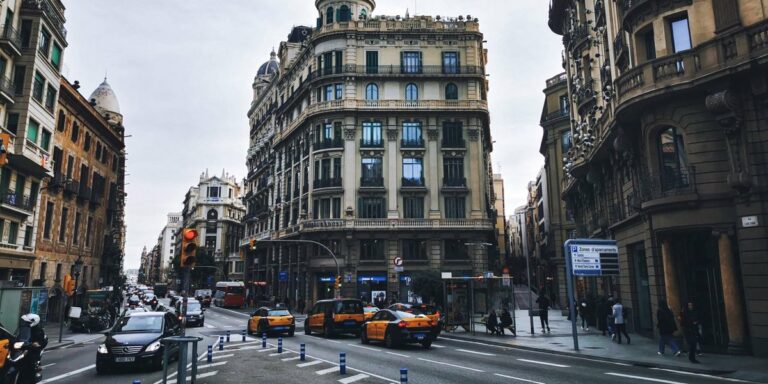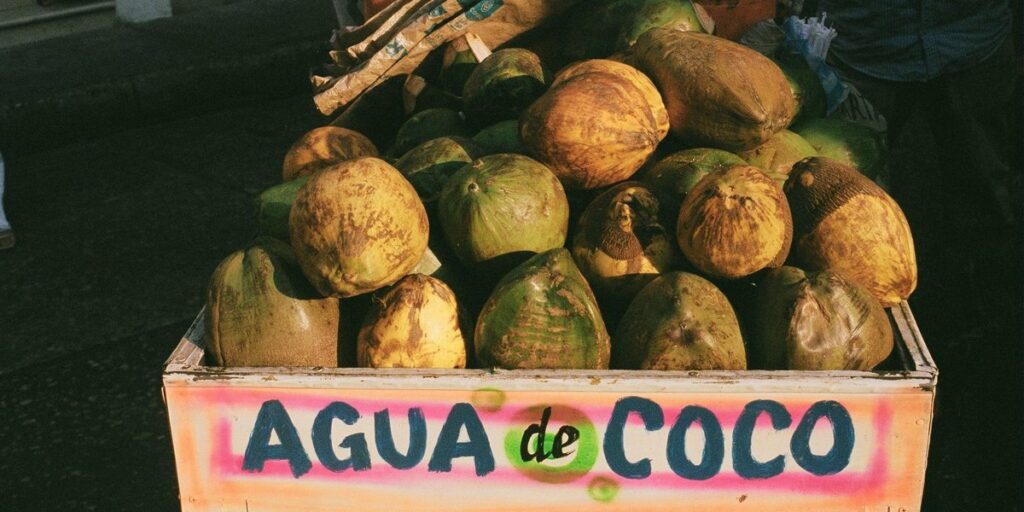
Ask someone in Castries what language they speak at home, and English isn’t always the first answer. It’s Kwéyòl — sometimes written Kweyol, sometimes called Patois — a French-based Creole that around 95% of Saint Lucians understand or speak to some degree, even though English is the only official language on the books.
That gap between the official language and the lived one is the whole story of Saint Lucia’s linguistic identity. Here’s what’s actually going on, where it came from, and how to tell the difference between “textbook French” and what you’ll hear on a minibus in Gros Islet.
Table of Contents
- What Kwéyòl Actually Is
- Where the Language Comes From
- How Saint Lucian Kwéyòl Differs From Its Neighbors
- English and Kwéyòl: Who Uses What, and Where
- Code-Switching Is the Norm, Not the Exception
- Keeping Kwéyòl Alive
- A Few Phrases Worth Learning
- The Short Version
What Kwéyòl Actually Is
Saint Lucian Kwéyòl is a French-lexifier Creole — meaning most of its vocabulary traces back to French, but its grammar doesn’t behave like French at all. “Bonjou,” “mèsi,” and “wi” will look familiar to anyone who took high school French. Try to parse a full sentence with French grammar rules, though, and you’ll hit a wall fast: Kwéyòl doesn’t conjugate verbs the way French does. Instead, it uses small standalone particles placed before the verb to mark tense — “ka” for the present, “té” for the past, “ké” for the future. It’s a different grammatical engine wearing French-derived words.
It’s also not a written-first language in daily life. Kwéyòl developed as a spoken language among enslaved Africans on French colonial plantations, and for most of its history it existed without a standardized spelling system. That’s changing — a French-influenced orthography is now taught in schools and used in official materials — but plenty of Saint Lucians who speak it fluently never learned to write it.
Where the Language Comes From
The bones of Kwéyòl come from three sources layered on top of each other. French supplied most of the vocabulary, arriving with settlers and missionaries in the 1600s and 1700s, back when Saint Lucia changed hands between the French and British so often it earned the nickname “the Helen of the West Indies” for how fought-over it was. West African languages — brought by enslaved people from regions including modern-day Benin, Nigeria, and the Congo basin — shaped the grammar: the verb-particle system, sentence rhythm, and a lot of the phonology come from those languages, not from French. And there’s a thinner Carib and Arawak layer underneath both — a scattering of place names and words for local plants, animals, and foods that predate European contact entirely.
The result isn’t “broken French.” Linguists classify it as its own language, with consistent internal rules that a French speaker can’t simply intuit their way through.
How Saint Lucian Kwéyòl Differs From Its Neighbors
Saint Lucia isn’t unique in speaking a French-based Creole — Martinique, Dominica, Guadeloupe, and Haiti all have their own varieties, collectively part of the Antillean Creole family. Saint Lucian and Dominican Kwéyòl are close enough to be mutually intelligible, which tracks: both islands sit between French Martinique and Guadeloupe and passed through similar colonial hands. Martinican and Guadeloupean Creole share the same backbone but drift in vocabulary and accent, shaped by continuous contact with metropolitan France long after Saint Lucia became a British colony.
Haitian Creole is the outlier of the group — mutually intelligible with the others at a basic level, but developed on a larger, more isolated population, which pushed it further from the others linguistically and gave it the most robust literary and media tradition of any French-based Creole in the world.
English and Kwéyòl: Who Uses What, and Where
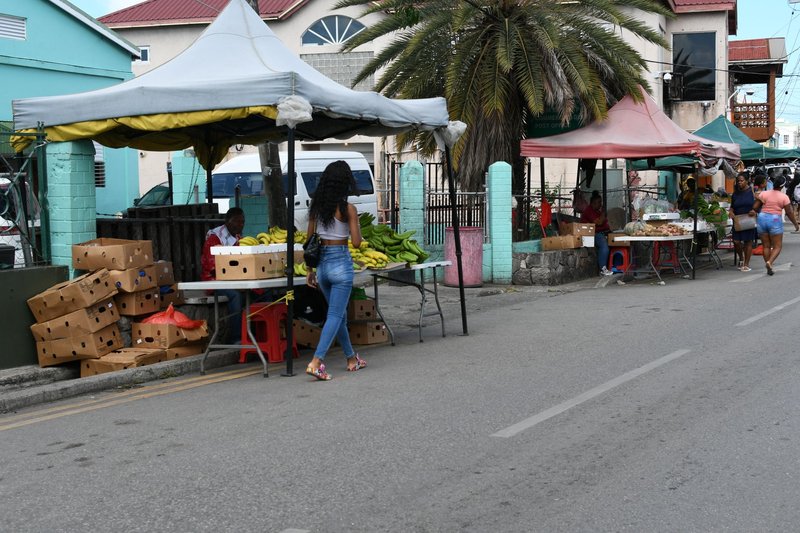
Saint Lucia became a British colony for good in 1814, and English has been the language of government, courts, and formal education ever since — which is why it’s the sole official language today, despite not being the majority home language. Walk into a bank, a government office, or a classroom, and you’ll hear English. Walk into a rum shop, a family kitchen, or a fish fry in Anse La Raye, and Kwéyòl takes over.
Tourism sits in the middle. Hotel staff and tour guides will speak English with visitors as a matter of course, but the moment two Saint Lucians are talking to each other nearby, don’t be surprised if the conversation switches languages mid-sentence.
Code-Switching Is the Norm, Not the Exception
This is the part most explainers skip: Saint Lucians don’t pick one language and stick to it. Code-switching — moving between English and Kwéyòl within the same conversation, sometimes the same sentence — is just how people talk. A radio DJ might open a segment in English and pivot to Kwéyòl for a joke that lands harder in the language it was written for. A parent might scold a kid in Kwéyòl and then switch to English to explain the same point to a visiting relative.
There’s also a social dimension. English still carries more weight in formal or professional settings, a holdover from the colonial era when Kwéyòl was actively discouraged in schools. That’s shifted a lot in the past few decades, but the instinct to reach for English at the bank counter and Kwéyòl at the kitchen table hasn’t fully gone away.
Keeping Kwéyòl Alive
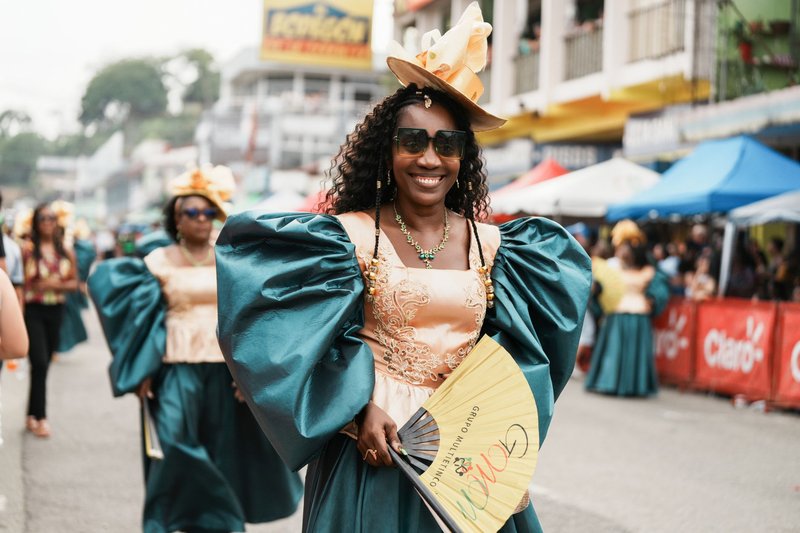
Saint Lucia takes Creole preservation seriously enough to give it a national holiday. Jounen Kwéyòl — Creole Heritage Day — falls on the last Sunday of October, capping a month of celebrations across the island, with the biggest street festivals in towns like Gros Islet, Dennery, and Micoud. People dress in the traditional madras plaid, cook Creole dishes, and the language itself gets center stage in music and storytelling.
That local effort connects to a bigger regional push. UNESCO marks February 21st as International Mother Language Day, part of a global campaign recognizing that languages like Kwéyòl — spoken by millions across the Caribbean but historically sidelined in favor of colonial languages — are worth actively protecting, not just tolerating. Saint Lucia’s own government has folded Creole heritage into its official cultural calendar, a formal nod to a language that spent generations being treated as lesser than English in classrooms.
A Few Phrases Worth Learning
You won’t need Kwéyòl to get by as a visitor — English covers every practical situation. But dropping a greeting in the local language tends to get a genuine smile instead of the polite tourist-facing one. A few to try, with rough pronunciation:
- Bonjou (bohn-ZHOO) — Hello / Good morning
- Bon apwémidi (bohn ah-pweh-mee-DEE) — Good afternoon
- Sa ka fèt? (sah kah FET) — What’s up? / How’s it going?
- Mwen la, wi (mwen lah WEE) — I’m good / I’m here, doing fine
- Mèsi (meh-SEE) — Thank you
- Padon (pah-DOHN) — Excuse me / Sorry
Say “Sa ka fèt?” to a vendor at Castries Market instead of “How are you?” and watch the conversation change register — that’s code-switching working in your favor for once.
The Short Version
Saint Lucia runs on two languages, not one. English handles the official business; Kwéyòl, a French-rooted Creole shaped as much by West African grammar as by French vocabulary, is what the island actually sounds like once you’re past the hotel lobby. According to the CIA World Factbook’s entry on Saint Lucia, English remains the sole official language even as Kwéyòl continues as the everyday tongue for the large majority of the population — a split that’s less a quirk of history than the whole point of it. Learn a phrase or two, catch Jounen Kwéyòl if your trip lines up with late October, and you’ll hear the island in a register most visitors never notice is there.