Table of Contents
- TL;DR
- What language should you expect in Liberia?
- Useful phrases for tourists in Liberia
- Getting around
- Food, markets, and hotels
- Emergencies and safety
- A few cultural etiquette tips
TL;DR
English is Liberia’s official language, so you can get a lot done with plain English. Still, a few local-style greetings and polite phrases go a long way, especially in markets, with drivers, and in more informal settings.
The real win here isn’t memorizing a giant phrasebook. It’s learning how Liberians tend to greet, ask, and soften requests. Say hello first, keep things respectful, and don’t rush straight into the ask. That’s the rhythm.
What language should you expect in Liberia?
Liberia is unusual in West Africa because English is the official language and widely used in government, schools, media, hotels, and business. That means most travelers can function without learning a second language from scratch.
You’ll also hear Liberian English and a range of local languages depending on where you are, including Kpelle, Bassa, Grebo, Kru, Vai, and others. In everyday conversation, people may switch between formal English and more local phrasing. A phrase that sounds a little different to your ear is usually just normal Liberian speech, not confusion.
If you want a quick outside reference on the country’s language landscape, the CIA World Factbook and Britannica’s Liberia overview both give useful background.
Useful phrases for tourists in Liberia
Here are the phrases that matter most on the ground.
Greetings and polite basics
Start here. In Liberia, a greeting before a request is the difference between sounding normal and sounding like a walking customer complaint.
| English phrase | What to say | When to use it |
|---|---|---|
| Hello | Hello / Hi | Any time, any place |
| Good morning | Good morning | Early in the day |
| Good afternoon | Good afternoon | Midday through late afternoon |
| Good evening | Good evening | Later in the day |
| How are you? | How are you? / How you doing? | Friendly opening |
| I’m fine, thank you. | I’m fine, thank you. | Standard reply |
| Please | Please | Before requests |
| Thank you | Thank you / Thanks | After help or service |
| Excuse me | Excuse me | To get attention or pass by |
| Sorry | Sorry | If you bump into someone or make a mistake |
A few simple Liberian-style habits help more than fancy vocabulary:
- greet first
- smile
- keep your tone calm
- don’t launch straight into bargaining
Helpful phrases people may use around you
You may hear everyday Liberian English like:
- How far? — a casual hello, roughly “How’s it going?”
- You good? — another informal greeting
- I dey — “I’m here” or “I’m okay,” depending on context
- No wahala — “No problem”
You don’t need to force these into every conversation. Use them lightly. Overdoing local slang as a visitor can feel a bit try-hard. Nobody wants that guy.
Getting around
Transport is where a few simple phrases save time and confusion.
Taxi and car hire phrases
| English phrase | What to say |
|---|---|
| How much is the fare? | How much is the fare? |
| Can you take me to this place? | Can you take me to this place? |
| I want to go to… | I want to go to… |
| Stop here, please. | Stop here, please. |
| Do you know this location? | Do you know this location? |
| Is this the right road? | Is this the right road? |
| I need a ride to the airport. | I need a ride to the airport. |
If you’re taking a taxi, confirm the price before getting in. That’s not rude; it’s survival-level normal.
Directions
| English phrase | What to say |
|---|---|
| Where is…? | Where is…? |
| Left | Left |
| Right | Right |
| Straight ahead | Straight ahead |
| Near / far | Near / far |
| Here | Here |
| There | There |
Useful example:
- Where is the hotel?
- Please take me straight ahead, then left.
If someone gives directions quickly, ask them to repeat. Liberian roads and place names can be surprisingly vague to outsiders, especially outside central Monrovia.
Food, markets, and hotels
This is where being polite pays off fastest.
Ordering food and asking for items
| English phrase | What to say |
|---|---|
| I would like… | I would like… |
| What do you recommend? | What do you recommend? |
| Can I see the menu? | Can I see the menu? |
| I don’t eat spicy food. | I don’t eat spicy food. |
| No pepper, please. | No pepper, please. |
| Water, please. | Water, please. |
| The bill, please. | The bill, please. |
At a market or small restaurant, it helps to be direct without being abrupt. “Please” and “thank you” do a lot of work.
Shopping phrases
| English phrase | What to say |
|---|---|
| How much does this cost? | How much does this cost? |
| Too expensive | Too expensive |
| Can you lower the price? | Can you lower the price? |
| I’ll take it | I’ll take it |
| I don’t want it, thank you | I don’t want it, thank you |
If you’re bargaining, keep it friendly. The goal is a fair price, not a tiny personal victory in public.
Hotel and lodging phrases
| English phrase | What to say |
|---|---|
| I have a reservation | I have a reservation |
| My name is… | My name is… |
| Where is my room? | Where is my room? |
| Is there Wi-Fi? | Is there Wi-Fi? |
| Is breakfast included? | Is breakfast included? |
| Can I have the key? | Can I have the key? |
| I need help with my room | I need help with my room |
If your accommodation is outside a major city, ask about power cuts, water supply, and backup options. That’s not pessimism. That’s just travel in the region being travel in the region.
Emergencies and safety
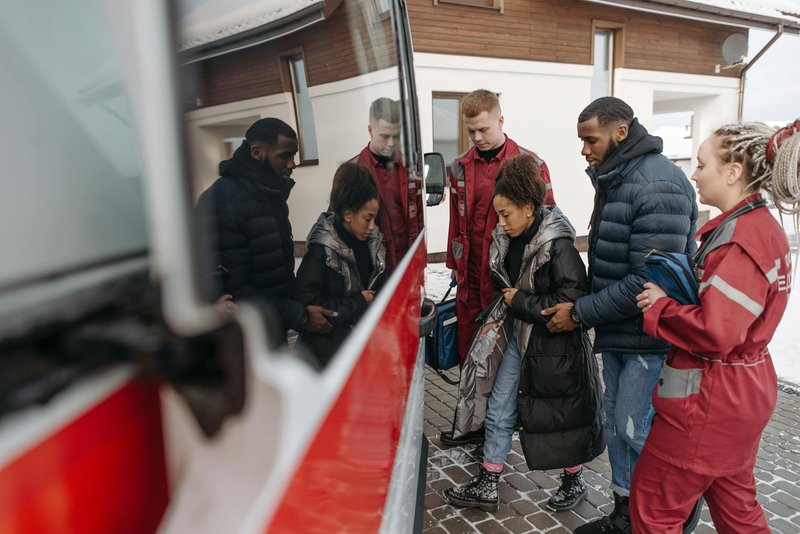
You hope not to use these. Still worth knowing.
| English phrase | What to say |
|---|---|
| Help! | Help! |
| Call the police | Call the police |
| Call a doctor | Call a doctor |
| I am sick | I am sick |
| I need a hospital | I need a hospital |
| I lost my passport | I lost my passport |
| I was robbed | I was robbed |
| Where is the embassy? | Where is the embassy? |
For health and entry guidance, the CDC travel recommendations are worth checking before you go, especially for vaccines and malaria prevention.
If you need emergency help, speak clearly and keep it simple. Panic makes every sentence worse. Short words win.
A few cultural etiquette tips
Liberia is friendly, but not casual in the sloppy, throw-anything-at-the-wall sense. The basics matter.
- Greet before you ask. Even a short hello changes the tone.
- Use respectful language with older people. “Please” and “thank you” are not optional decoration.
- Don’t rush. A bit of patience goes a long way in conversation and service.
- Dress modestly in more traditional or rural settings. It signals respect.
- Listen for the local rhythm. Liberian English can sound fast and informal; that’s normal.
If you’re dealing with people in markets, taxis, or small shops, a few words plus a calm manner beats perfect grammar every time.
Useful phrases for tourists in Liberia, remembered the right way
You do not need a giant phrasebook for Liberia. English will take you far, and the local layer mostly comes down to greetings, courtesy, and a few practical lines for taxis, food, lodging, and emergencies.
Learn the basics, keep your requests polite, and greet first. That’s the real survival kit.