Antarctica’s research stations are among the world’s most unusual communities: seasonal hubs of science and logistics where populations swell in summer and shrink for the long winter. Life at these outposts is shaped by supply schedules, research projects, and extreme weather rather than municipal services.
There are 10 Largest Cities in Antarctica by Population, ranging from Amundsen–Scott South Pole Station to Zhongshan Station. For each entry you’ll find below the basic details organized as Country,Summer population (people),Winter population (people), so you can compare how staffing changes with the seasons — you’ll find below.
How are population figures for Antarctic stations counted?
Population counts usually reflect on-site personnel assigned during a given season: permanent overwintering staff for winter numbers and additional researchers/technicians for summer peaks. Numbers come from national program reports and station logs; short-term visitors or passing ship crews are generally excluded.
Do these ‘cities’ function like ordinary towns and can civilians live there?
No — Antarctic stations are operational research facilities, not municipalities. They lack civilian governance, long-term resident communities, or typical services; access is restricted by national programs and environmental treaties, and stays require affiliation with a research or support operation.
Largest Cities in Antarctica by Population
| Station | Country | Summer population (people) | Winter population (people) |
|---|---|---|---|
| McMurdo Station | United States | 1,000 | 250 |
| Amundsen–Scott South Pole Station | United States | 150 | 40 |
| Rothera Research Station | United Kingdom | 130 | 22 |
| Casey Station | Australia | 120 | 16 |
| Davis Station | Australia | 120 | 18 |
| Neumayer III | Germany | 60 | 9 |
| Zhongshan Station | China | 60 | 30 |
| Halley VI Research Station | United Kingdom | 40 | 11 |
| Palmer Station | United States | 40 | 4 |
| Mawson Station | Australia | 45 | 12 |
Images and Descriptions
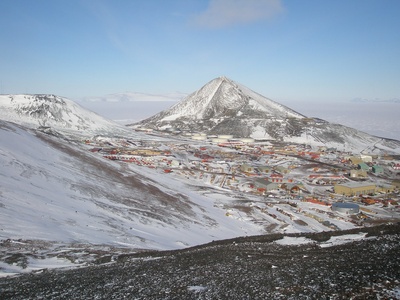
McMurdo Station
Largest Antarctic station on Ross Island (77.85°S), fully operational year-round. McMurdo is the U.S. logistics hub supporting science across the continent; notable for its airfield, harbor, and large summer surge of personnel (USAP; COMNAP).
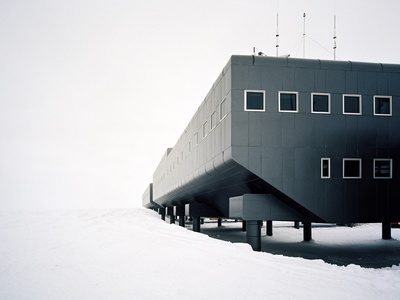
Amundsen–Scott South Pole Station
Situated at the geographic South Pole (90°S), this year-round U.S. research station supports astronomy, atmospheric and glaciology research. Summers host seasonal staff for heavy projects; winters are small, isolated “winter‑over” teams (USAP).
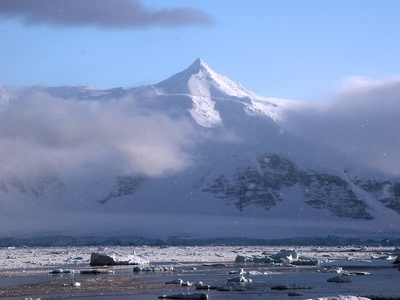
Rothera Research Station
BAS station on Adelaide Island (67.57°S), operational year-round with a large summer workforce and aviation support. Rothera is the UK’s main Antarctic research and logistics hub, noted for biology and glaciology programs (BAS).

Casey Station
Australian Antarctic Division base in the Windmill Islands region (66.28°S), active year-round. Casey supports broad scientific programs and experiences a substantial summer boost tied to fieldwork and logistics (AAD).
Davis Station
Located in the Vestfold Hills (68.58°S), Davis is an AAD year-round research base with strong programs in atmospheric science, biology and geoscience; population rises markedly in summer for field campaigns (AAD).
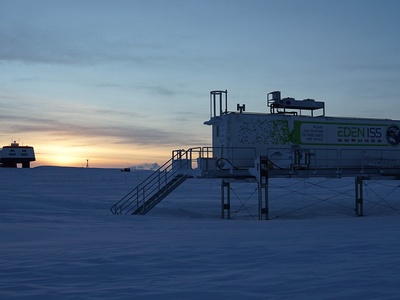
Neumayer III
Alfred Wegener Institute’s permanent base on the Ekström Ice Shelf (70.65°S). Neumayer III is a modern, year-round German research station notable for meteorology, geophysics and long-term climate monitoring (AWI).
Zhongshan Station
China’s year-round base in Prydz Bay (69.40°S), Zhongshan supports glaciology, meteorology and biology; it hosts larger summer teams for fieldwork and logistics across East Antarctica (China Antarctic Program).
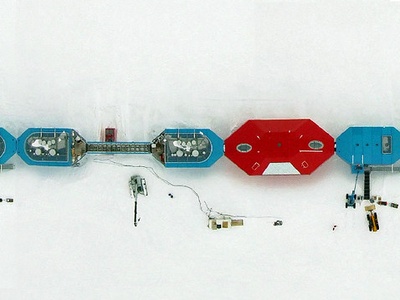
Halley VI Research Station
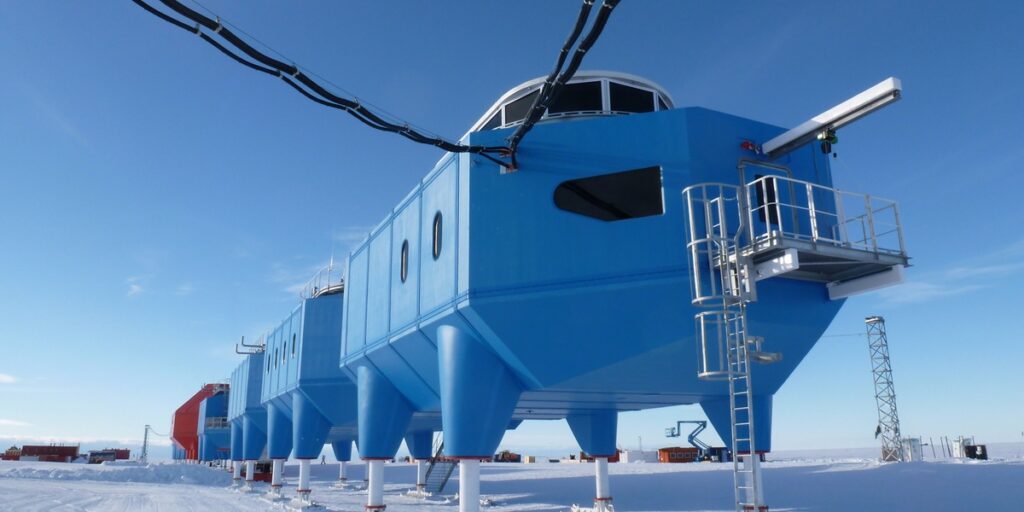
BAS modular, movable station on the Brunt Ice Shelf (75.58°S), designed for long-term atmospheric and space‑weather science. Halley’s population spikes in summer for instrument deployment and logistics (BAS).
Palmer Station
U.S. research station on Anvers Island, off the Antarctic Peninsula (64.77°S). Palmer focuses on marine biology and oceanography with a small wintering crew and a larger summer research season (USAP).
Mawson Station
One of Australia’s oldest year-round bases in Holme Bay (67.60°S). Mawson supports geoscience and atmospheric research with a modest winter crew and larger summer teams conducting fieldwork (AAD)