Chile’s varied geography and layered history show up in unexpected places: wooden island churches, mining towns frozen in time, and landscapes that hold both natural and cultural value. Walking these sites gives a sense of how communities, industry, and nature shaped modern Chile.
There are 6 World Heritage Sites in Chile, ranging from Churches of Chiloé to Sewell Mining Town. For each site I list Location,Inscription year (YYYY),Type so you can quickly compare where and when they were recognized and what kind of heritage they represent; you’ll find below.
What should I know before visiting Churches of Chiloé or Sewell Mining Town?
Both places have conservation rules and seasonal access considerations: Churches of Chiloé are active parish sites with variable ferry schedules and limited visitor facilities, while Sewell is at high elevation with restricted access and guided-tour requirements to protect its structures—check local transport, opening times, and any permit or tour bookings in advance.
How can I find authoritative background on why each site was inscribed?
Start with the UNESCO World Heritage entries for each site (they explain the criteria and significance), then consult local museums or municipal pages for historical context and visitor information—these sources together give both the official reasons and practical local perspective.
World Heritage Sites in Chile
| Name | Location | Inscription year (YYYY) | Type |
|---|---|---|---|
| Rapa Nui National Park | Valparaíso Region / Hanga Roa | 1995 | Cultural |
| Churches of Chiloé | Los Lagos Region / Castro | 2000 | Cultural |
| Historic Quarter of the Seaport of Valparaíso | Valparaíso Region / Valparaíso | 2003 | Cultural |
| Humberstone and Santa Laura Saltpeter Works | Tarapacá Region / Iquique | 2005 | Cultural |
| Sewell Mining Town | O’Higgins Region / Sewell (near Rancagua) | 2006 | Cultural |
| Qhapaq Ñan (Andean Road System) | Multiple northern regions (Arica y Parinacota; Tarapacá; Antofagasta) / various sites | 2014 | Cultural |
Images and Descriptions
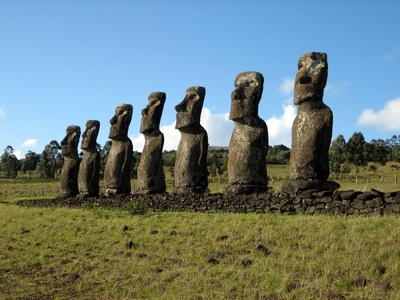
Rapa Nui National Park
Rapa Nui National Park protects Easter Island’s monumental moai statues, ceremonial platforms and rich archaeological landscape. Inscribed for its exceptional prehistoric Polynesian stone carving, ritual landscapes and enduring cultural traditions on a remote Pacific island.
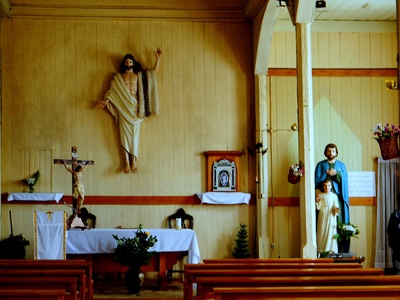
Churches of Chiloé
Sixteen wooden churches across the Chiloé Archipelago (Los Lagos Region) blend indigenous and European carpentry, joinery and religious traditions. Inscribed for outstanding vernacular timber architecture and living, community-based religious practices that shaped island identity.
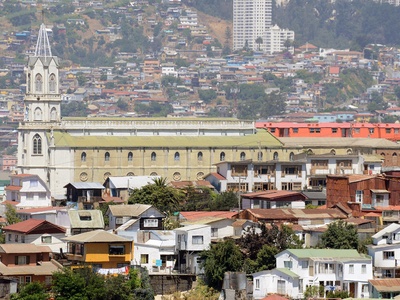
Historic Quarter of the Seaport of Valparaíso
Valparaíso’s historic port quarter features a layered urban landscape of colorful hillside housing, funiculars and 19th-century port architecture. Inscribed for its outstanding urban ensemble reflecting maritime commerce history and a distinctive adaptable city form.
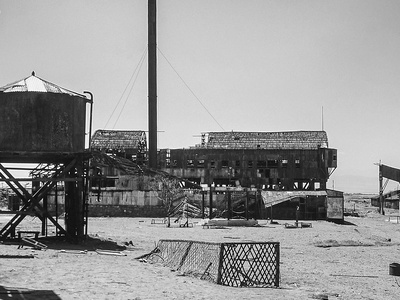
Humberstone and Santa Laura Saltpeter Works
Two deserted nitrate mining towns in the Atacama Desert near Iquique (Tarapacá) illustrate the industrial-scale saltpeter boom of the late 19th and early 20th centuries. Inscribed for well-preserved industrial architecture and the social history of labor migration.

Sewell Mining Town
Sewell, an early 20th-century company mining town in the Andes, was built for copper miners of El Teniente. Inscribed for its exceptional example of industrial community planning, housing, infrastructure and social welfare architecture tied to mining history.
Qhapaq Ñan (Andean Road System)
Qhapaq Ñan is a vast pre-Hispanic Andean road network crossing six countries, with segments in northern Chile. Inscribed for its engineering, administrative and cultural role in integrating Andean civilizations and supporting exchange across diverse landscapes.