Coastal bays shape local weather, shipping routes and marine habitats, and some of them plunge far deeper than their shoreline suggests. Knowing which bays are the deepest helps sailors, scientists and curious travelers understand circulation, habitat zones and charting needs along very different coasts.
There are 9 Deepest Bays in the World, ranging from Bay of Biscay to Trondheimsfjord. For each entry you’ll find below the data organized with columns: Max depth (m),Location (country / region),Coordinates (lat lon), so you can compare depths, places and exact positions—see the full list you’ll find below.
How is a bay’s maximum depth determined and how reliable are the numbers?
Max depth is normally measured by hydrographic surveys using echo sounders and multibeam sonar that map the seafloor, and published values come from national hydrographic offices or peer-reviewed bathymetry; keep in mind measurements can vary slightly with new surveys, tidal corrections, or differences in survey resolution.
Do deeper bays have noticeable effects on marine life or navigation?
Yes—greater depth changes water column structure and can create deep-water habitats, influence currents and stratification, and affect navigation by allowing larger drafts and requiring accurate charts for underwater features and slopes.
Deepest Bays in the World
| Name | Max depth (m) | Location (country / region) | Coordinates (lat lon) |
|---|---|---|---|
| Bay of Biscay | 4,500 m | France / Spain (Northeast Atlantic) | 45.00,-2.00 |
| Gulf of California | 3,000 m | Mexico (Sea of Cortez) | 27.50,-112.00 |
| Suruga Bay | 2,500 m | Japan (Shizuoka Prefecture, Pacific Ocean) | 35.05,138.55 |
| Scoresby Sund | 1,450 m | Greenland (East Greenland Sea) | 70.50,-21.95 |
| Sognefjord | 1,308 m | Norway (Vestland county, North Sea / Norwegian Sea) | 61.15,6.10 |
| Hardangerfjord | 860 m | Norway (Vestland county, North Sea / Norwegian Sea) | 60.37,6.00 |
| Trondheimsfjord | 617 m | Norway (Trøndelag county, Norwegian Sea) | 63.42,10.40 |
| Milford Sound (Piopiotahi) | 423 m | New Zealand (Fiordland, Tasman Sea) | -44.62,167.93 |
| Doubtful Sound (Patea) | 421 m | New Zealand (Fiordland, Tasman Sea) | -45.13,167.03 |
Images and Descriptions

Bay of Biscay
Huge open gulf off western France and northern Spain reaching about 4,500 m. Noted for powerful storms, strong currents and rich fisheries, it’s one of the deepest coastal embayments adjoining the Atlantic continental margin.
Gulf of California
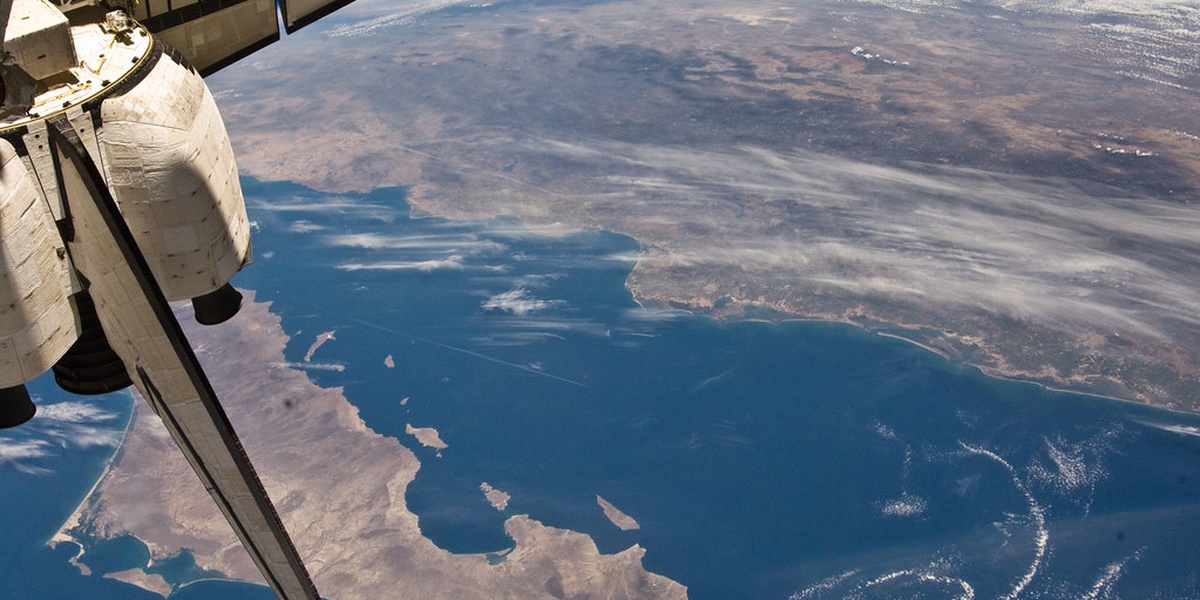
The Sea of Cortez (Gulf of California) is a narrow oceanic gulf between Baja California and mainland Mexico with basins to about 3,000 m. Famous for high marine biodiversity and dramatic tectonic rift-controlled bathymetry.
Suruga Bay
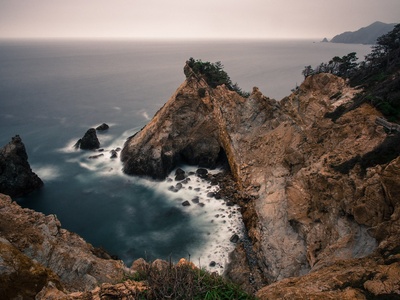
Suruga Bay on Honshu’s Pacific coast plunges to roughly 2,500 m near the offshore Suruga Trough. It’s Japan’s deepest bay, famed for steep submarine slopes, deep-sea fauna, and proximity to Mount Fuji.
Scoresby Sund
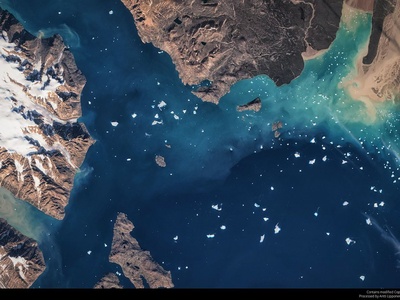
Scoresby Sund is an immense East Greenland fjord system with deep troughs reaching about 1,450 m. It’s the world’s largest fjord complex by length and showcases towering cliffs, glaciers and cold-water marine ecosystems.
Sognefjord
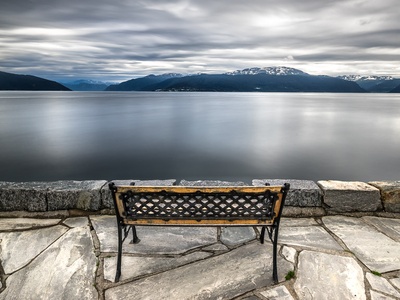
Sognefjord is Norway’s longest and deepest fjord with a maximum depth near 1,308 m. Carved by glaciers, it features steep walls, deep basins and classic fjord scenery beloved by visitors and scientists alike.
Hardangerfjord
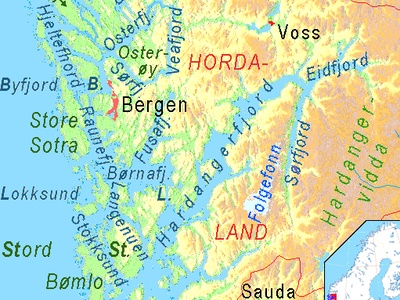
Hardangerfjord plunges to about 860 m and is famed for fruit orchards along its shores, glacially carved landscapes, waterfalls and cultural heritage. Its deep waters influence local climate and marine life.
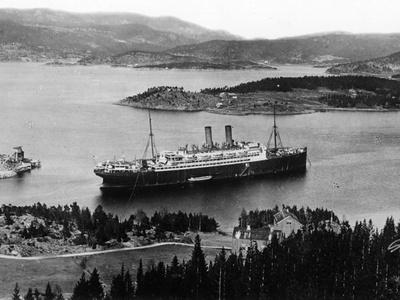
Trondheimsfjord
Trondheimsfjord, central Norway’s large inlet, reaches roughly 617 m depth in places. It’s a key maritime corridor with rich fisheries, fjord towns and varied coastal habitats along a mix of shallow shelves and deep basins.
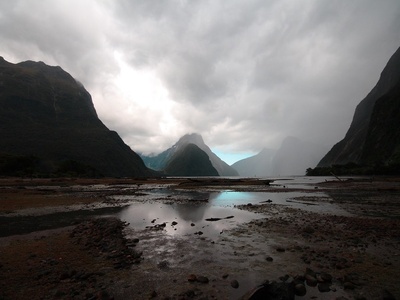
Milford Sound (Piopiotahi)
Milford Sound is an iconic Fiordland inlet plunging to about 423 m. Renowned for sheer cliffs, cascading waterfalls and glacially carved scenery, it’s a top natural attraction and a studied example of fjord geomorphology.
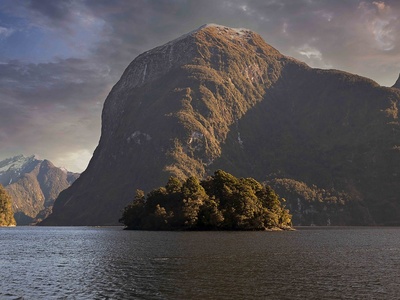
Doubtful Sound (Patea)
Doubtful Sound reaches roughly 421 m and is celebrated for its remote, tranquil waters, rainforest-clad mountains and unique dark, low-salinity surface layer supporting unusual marine communities and deep basins.