Burkina Faso sits at the center of a diverse West African landscape, where languages, customs and regional ties shape local life from markets to festivals. Understanding the country’s ethnic mosaic helps make sense of its politics, music and migration patterns.
There are 27 Burkina Faso Ethnic Groups, ranging from Birifor to Zarma (minor traders). For each, you’ll find below Population %,Region(s),Main language(s) — organized so you can quickly compare size, geography and primary tongue; you’ll find below.
Which groups make up the largest shares of the population?
The Mossi are the largest single group, historically concentrated in the central plateau and urban centers; other sizeable groups include the Fulani (Peul/Peulh), Gourmantché, Bobo, Senufo and Lobi. Relative shares can vary by source, so the list below helps you see approximate percentages alongside regions and languages.
How reliable are these ethnic group listings and where does the data come from?
Lists and percentages typically come from national censuses, demographic surveys and ethnographic studies; classifications and counts can differ by year and methodology, so use the table below as a comparative snapshot rather than a definitive census.
Burkina Faso Ethnic Groups
| Name | Population % | Region(s) | Main language(s) |
|---|---|---|---|
| Mossi | 40.0% | Central plateau around Ouagadougou and central regions | Moore (Mossi) |
| Fulani (Peul/Fulbe) | 9.0% | Scattered: Sahel, north, central savanna and pastoral zones | Fulfulde (Peul) |
| Gourmantché (Gurma) | 5.7% | Eastern provinces (Est region) near Niger and Benin borders | Gourmanchéma (Gurma) |
| Senufo | 6.5% | Southwest: Cascades and Hauts-Bassins regions | Senufo languages (various) |
| Bissa | 3.2% | Central-southern provinces around Boussouma and Dano | Bissa (Bisa) |
| Bobo | 2.8% | Southwest near Bobo-Dioulasso, Houet and Tuy provinces | Bobo languages (Bobo) and Dioula |
| Lobi | 2.4% | Southwest near Cascades and Comoe regions | Lobi (Lobi languages) |
| Dagara | 3.2% | West: Hauts-Bassins and Sud-Ouest regions near Ghana | Dagara (Dagaare/Dagbani dialects) |
| Gurunsi | 7.0% | North-central and southeastern areas (Gourma zone) | Gurunsi languages (Kasem, others) |
| Samo (Samo/Nuni cluster) | 2.0% | Central-southern provinces around Centre-Sud and South-West | Samo languages (Samo/Nuni) |
| Sissala | 1.9% | Far west, Sourou and Boucle du Mouhoun regions | Sissala languages |
| Kassena | 1.6% | Southwest border areas near Ghana (Popo region) | Kassena (Kasem) |
| Nuna (Nuni) | 1.5% | Central-west provinces, part of Gurunsi cluster | Nuni (Nuna) languages |
| Birifor | 1.0% | Southwest and west near Cascades and Comoé regions | Birifor languages |
| Dioula (Jula) | 2.3% | Urban centers and trading towns, west and southwest | Dioula (Jula) and Bambara |
| Kurumba | 0.8% | Western and central provinces near Mouhoun river | Kurumba languages |
| Toma (Lobiri)/Lobi-related | 0.9% | Southwest near Comoé province | Lobiri (Toma) |
| Gurma (Gurma cluster) | unknown | Eastern borderlands and pockets across the Sahel | Gurma languages |
| Bobo Fing | 0.7% | Around Bobo-Dioulasso and surrounding western districts | Bobo languages |
| Twa (Batwa)/Pygmy groups | unknown | Sparse forest pockets in southwest (very small communities) | Various local pygmy languages/neighboring tongues |
| Dogon (minor communities) | unknown | Small pockets near western border with Mali | Dogon languages (various) |
| Koulango (Koulango/Sebba) | unknown | Scattered in the west and southwest | Koulango languages |
| Lebou/Urban immigrant groups | unknown | Major cities like Ouagadougou and Bobo-Dioulasso | Various languages (Wolof, Arabic, Hausa) |
| Gurma-Fulani mixed communities | unknown | Eastern and central transitional zones | Gourmanchéma, Fulfulde |
| Koulpelogo (small Gurma subgroup) | unknown | Eastern-central provinces | Koulpelogo languages (Gourmantché variant) |
| Zarma (minor traders) | unknown | Urban centers and border towns | Zarma (Djerma) |
| Kabye/Kabré (Kabré subgroup) | unknown | Central and southern provinces | Kabré (Kabye dialects) |
Images and Descriptions

Mossi
The Mossi are Burkina Faso’s largest group, historically organized into kingdoms. Predominantly farmers and cattle herders, they practice Islam and traditional beliefs, are politically influential, and are well known for skilled pottery, weaving and rich oral histories and festivals.
Fulani (Peul/Fulbe)
The Fulani are traditionally pastoralists and cattle-herders, many leading semi-nomadic lifestyles. Present across the north and central savanna, they speak Fulfulde, practice Islam widely, maintain strong cattle-based culture and distinct music and social codes.
Gourmantché (Gurma)
The Gourmantché people live mainly in the east, practicing mixed farming and cattle rearing. Known for colorful masks, initiation rites, and strong ancestor-veneration traditions, many Gourmantché are Muslim or hold syncretic beliefs blending Islam and local customs.
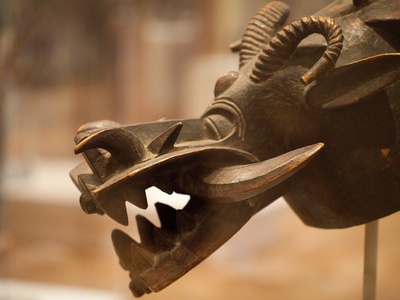
Senufo
Senufo communities are agriculturists and artisans in the southwest, famed for distinctive carving, drumming and initiation societies. Their complex social systems include secret societies, age-grade rituals, and strong traditions of sculpture and ceremonial performance.
Bissa
The Bissa are primarily farmers, noted for millet cultivation and gold panning in some areas. They speak Bissa, live in clustered villages, and practice a mix of Islam and indigenous religions; they are known for pottery and communal agricultural festivals.
Bobo
Bobo people are agriculturalists and traders around Bobo-Dioulasso, known for striking mask traditions and lively festivals. Their arts—especially woodcarving and masked dances—play central roles in initiation and community ceremonies.
Lobi
The Lobi are small-scale farmers and ironworkers in the southwest, famous for fortified compounds, spirit shrines and carved guardian figures. They practice ancestor veneration and maintain distinctive clan-based social structures and ritual specialists.
Dagara
The Dagara are farmers and traders concentrated near the Ghanaian border, speaking Dagara languages. Known for matrilineal elements in parts, large communal festivals, and a mix of Christianity, Islam and indigenous spiritual systems.
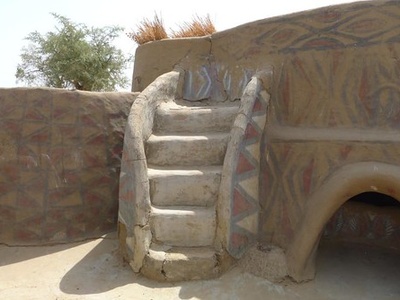
Gurunsi
Gurunsi denotes a cluster of related groups across central Burkina Faso, known for decorated earth architecture, carved doors and vibrant festivals. Predominantly agricultural, they maintain diverse traditions, local chiefs, and a mix of Islam and ancestral practices.
Samo (Samo/Nuni cluster)
The Samo are subsistence farmers and millet growers found in central-south areas. They keep strong village-based kinship networks, rich oral traditions, and craft practices; many practice traditional religion while some have adopted Islam or Christianity.
Sissala
Sissala communities are agriculturalists in the far west, growing millet, sorghum and yams. They are known for masked dances, funerary rites, and community age-grade systems; local chiefs play key roles in dispute resolution and land management.
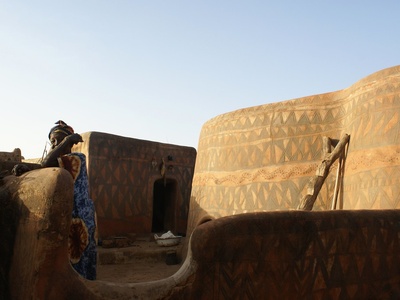
Kassena
The Kassena are famous for distinctive fortified compounds and mural-decorated houses in the far southwest. Farmers and artisans, they maintain strong traditional leadership, ancestral veneration, and colorful initiation and harvest ceremonies.
Nuna (Nuni)
The Nuna people are agriculturalists known for rich textile and pottery traditions, intricate masks, and public ceremonies tied to the agricultural calendar. They combine local belief systems with some Islamic or Christian influences depending on locality.
Birifor
The Birifor are small-scale farmers and hunters known for community cohesion and distinctive ritual specialists. Their arts include carving and masking traditions used in initiation ceremonies; many practice local religions with growing Christian influences.
Dioula (Jula)
Dioula speakers are influential traders and townspeople across western Burkina. Historically merchant communities linked by commerce to Ivory Coast and Mali, they are multilingual, Muslim-majority, and central to regional market networks and urban life.
Kurumba
Kurumba groups are small, traditionally shifting cultivators and forest dwellers in the west-central savanna. Their communities preserve local myths, small-scale ironworking crafts, and ritual specialists; many practice syncretic religions combining Islam, Christianity, and indigenous rites.
Toma (Lobiri)/Lobi-related
Toma communities (closely related to Lobi) are known for agricultural skill, tall wooden figures guarding homes, and initiation rites. Their societies emphasize kinship, age grades, and a rich craft tradition including pottery and weaving.
Gurma (Gurma cluster)
The Gurma or “Gurma cluster” describes related groups in eastern Burkina who are farmers and traders. They maintain strong cultural ties to neighboring Niger and Benin, with blended Islamic and local ritual practices and notable musical traditions.
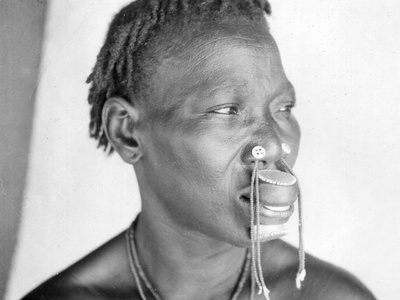
Bobo Fing
The Bobo Fing (“white Bobo”) are a variation of Bobo peoples, engaged in farming and known for elaborate masks and initiation ceremonies. Their art and masked dances are central to seasonal festivals and community identity.
Twa (Batwa)/Pygmy groups
Very small Batwa (Twa) communities live in isolated forest zones of the southwest. Traditionally hunter-gatherers, many have sedentarized and face economic marginalization; they retain unique knowledge of forests and distinct ritual customs.
Dogon (minor communities)
Small Dogon communities live near the Mali border, bringing well-known cliff-side cultural traditions into Burkina. They maintain complex cosmologies, masked dances and cliff-side architectural styles where settled, though most Dogon remain in Mali.
Koulango (Koulango/Sebba)
Koulango groups are agrarian communities often engaged in mixed farming and local trade. They share cultural traits with neighboring Mande peoples and maintain localized ritual practices, artisanry, and market participation across border regions.
Lebou/Urban immigrant groups
Urban immigrant communities such as Lebou, Hausa, Wolof and others are resident in cities, working in commerce and services. Though diverse, these groups contribute to urban culture, markets, cuisine, and multilingual trade networks.
Gurma-Fulani mixed communities
In several border and transitional zones, mixed Gourma–Fulani communities combine farming and herding livelihoods. These groups showcase syncretic cultural practices, intermarriage patterns, and bilingualism—reflecting adaptive strategies across savanna and semi-arid landscapes.
Koulpelogo (small Gurma subgroup)
Koulpelogo are a smaller Gourma subgroup in eastern-central Burkina, practicing millet farming and cattle rearing. They preserve localized ritual specialists, harvest festivals and strong clan identities while participating in regional markets and Islamic networks.
Zarma (minor traders)
Small Zarma trader communities—originally from Niger—are present in border towns and cities, active in commerce. They bring Nigerien trading networks and cuisines, speak Zarma and French, and often practice Islam while integrating into urban economies.
Kabye/Kabré (Kabré subgroup)
Kabré (sometimes grouped with Kabye) are agriculturalists with strong village institutions, known for terraced farming in hilly zones. They maintain durable craft traditions, seasonal ritual cycles, and local chieftaincies guiding land use and ceremonies.