Across the globe, stark differences in income and access to basic services shape everyday life for millions. Understanding which countries sit at the bottom of global wealth charts helps explain patterns of migration, aid, and development priorities.
There are 20 Poorest Countries in the World, ranging from Afghanistan to Yemen. For each, the table shows Flag,GDP per capita (PPP, $),Poverty rate (%); you’ll find below.
How is “poorest” defined for this list?
This list uses common economic indicators—mainly GDP per capita adjusted for purchasing power parity and national poverty rates—so it captures both average income and the share of people living in poverty; different sources and years can affect exact positions.
Can this ranking change over time and why?
Yes — rankings shift with economic growth, conflict, commodity prices, population changes, and data revisions, so check the date and source of figures when comparing countries and look for updated tables you’ll find below.
Poorest Countries in the World
| Country | Flag | GDP per capita (PPP, $) | Poverty rate (%) |
|---|---|---|---|
| Burundi | 🇧🇮 | 900 | 74% (2014) |
| South Sudan | 🇸🇸 | 1,200 | 82% (2016) |
| Malawi | 🇲🇼 | 1,600 | 51% (2019) |
| Mozambique | 🇲🇿 | 1,800 | 46% (2014) |
| Central African Republic | 🇨🇫 | 1,700 | 71% (2020) |
| Democratic Republic of the Congo | 🇨🇩 | 1,900 | 73% (2018) |
| Niger | 🇳🇪 | 2,200 | 40% (2014) |
| Madagascar | 🇲🇬 | 2,100 | 75% (2012) |
| Sierra Leone | 🇸🇱 | 2,300 | 56% (2018) |
| Liberia | 🇱🇷 | 1,900 | 51% (2016) |
| Chad | 🇹🇩 | 2,400 | 42% (2011) |
| Afghanistan | 🇦🇫 | 2,100 | 54% (2016) |
| Guinea-Bissau | 🇬🇼 | 1,900 | 69% (2016) |
| Burkina Faso | 🇧🇫 | 2,300 | 40% (2014) |
| Haiti | 🇭🇹 | 3,200 | 60% (2012) |
| Comoros | 🇰🇲 | 3,000 | 39% (2014) |
| Yemen | 🇾🇪 | 3,000 | 50% (2014) |
| Togo | 🇹🇬 | 3,200 | 55% (2015) |
| Benin | 🇧🇯 | 3,600 | 40% (2015) |
| Gambia | 🇬🇲 | 3,000 | 48% (2015) |
Images and Descriptions
Burundi
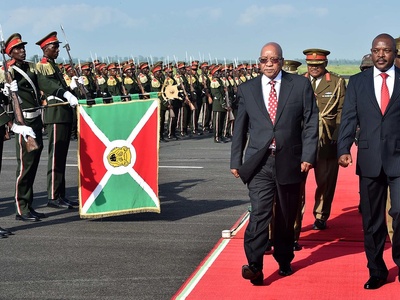
A very low-income economy with limited arable land, weak institutions, and recurring political instability. Heavy reliance on subsistence agriculture and aid keeps incomes low; official data are dated and living standards vary across rural areas.

South Sudan
Chronic conflict, weak public services, and oil-reliant but poorly governed economy drive extreme poverty. Displacement, infrastructure collapse, and fragile institutions make recovery difficult; data quality is uneven due to instability.
Malawi
Landlocked and densely populated, Malawi depends on smallholder agriculture vulnerable to climate shocks. Low productivity, limited industry, and high population growth constrain incomes despite steady development efforts and donor support.

Mozambique
Natural-resource wealth is overshadowed by poor infrastructure, post-conflict recovery challenges, and regional inequality. Gas discoveries offer future potential, but poverty remains widespread and data may not capture recent shocks.
Central African Republic
Long-term conflict, weak governance, and limited infrastructure have devastated the economy. Subsistence farming and informal trade dominate; insecurity and donor dependence persist, making poverty widespread and data collection difficult.
Democratic Republic of the Congo
Vast mineral wealth contrasts with deep poverty due to conflict, weak governance, and infrastructure gaps. Resource extraction has not translated into broad-based development; rural poverty and displacement are major issues.
Niger
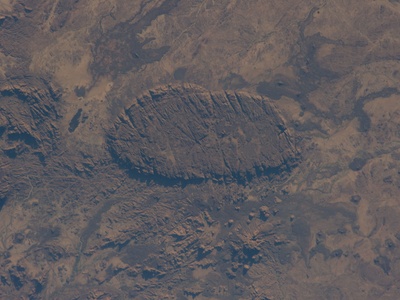
Large population growth, recurrent droughts, and dependence on subsistence agriculture limit living standards. Security challenges in the Sahel and weak public services constrain economic diversification and poverty reduction.
Madagascar
Isolation, poor infrastructure, and dependence on rain-fed agriculture keep many in poverty. Biodiversity and tourism potential exist, but frequent cyclones, political instability, and weak governance hinder broad improvements.
Sierra Leone
Post-conflict recovery and Ebola-era setbacks left weak infrastructure and health systems. Mining and agriculture are important, but limited jobs, high youth unemployment, and regional disparities sustain high poverty rates.
Liberia
Recovering from civil war and Ebola, Liberia faces limited infrastructure, weak public institutions, and reliance on commodities. Rural poverty is widespread; governance and investment needs slow faster poverty reduction.
Chad
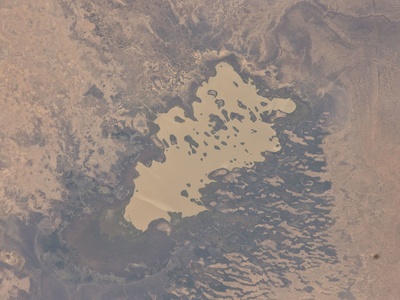
Oil revenues exist but are unevenly distributed across a sparsely populated country with weak infrastructure and recurrent droughts. Security concerns and governance challenges limit public service delivery and economic opportunities.
Afghanistan
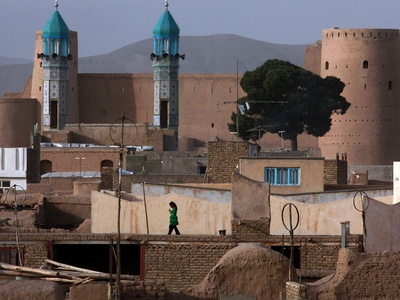
Decades of conflict, reduced foreign aid, and governance collapse have decimated livelihoods. Agriculture and informal economy dominate; recent political changes make data and recovery prospects uncertain.
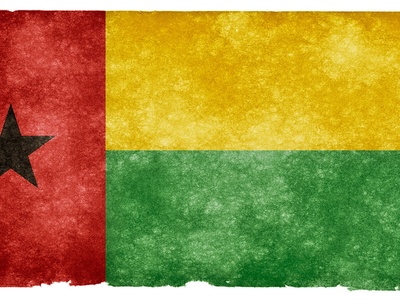
Guinea-Bissau
Political instability, weak institutions, and reliance on cashew exports constrain development. Limited infrastructure and frequent governance disruptions keep incomes low and make poverty persistent.
Burkina Faso
Landlocked and largely agrarian, Burkina Faso suffers from Sahelian insecurity, droughts, and limited industrialization. Growing conflict has worsened poverty and displaced communities, slowing progress made in past decades.
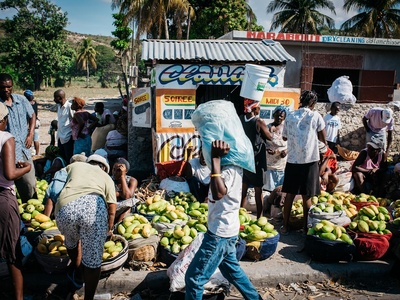
Haiti
Frequent natural disasters, political instability, and weak institutions hamper development on a densely populated island. Remittances and informal activity support many households but widespread poverty and infrastructure gaps persist.
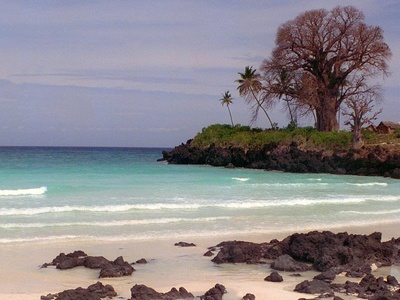
Comoros
Small island economy reliant on vanilla, cloves, and remittances. Limited land, frequent external shocks, and governance issues limit growth and service delivery, keeping many households near or below the poverty line.
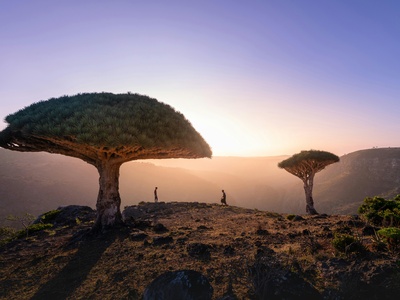
Yemen
Ongoing conflict has devastated public services, markets, and livelihoods. Pre-war economic weaknesses combined with prolonged war, displacement, and humanitarian crises leave high poverty and uncertain data quality.
Togo
Agriculture and informal trade dominate an economy with limited industrial base. Political fragility and infrastructure gaps constrain growth and job creation, contributing to persistent rural poverty and inequality.
Benin
Stable West African country with cotton exports and growing services, but many work in low-productivity agriculture. Infrastructure and education shortfalls limit upward mobility for large rural populations.
Gambia
Small economy centered on tourism, agriculture, and remittances. Vulnerable to external shocks and with limited industrial diversification; public services and rural incomes lag behind urban areas, producing widespread poverty.