Europe contains several very small countries whose borders, cultures, and institutions are surprisingly distinct despite limited territory. Observing them side by side highlights how population, administration, and national identity work at a compact scale.
There are 9 Smallest Countries in Europe by Population, ranging from Andorra to Vatican City. For each entry the data are organized under Flag,Population (year),Capital — details you’ll find below.
How recent are the population figures used here?
The table uses the most recent official estimates or census numbers available for each country, and the year is shown next to every population figure so you can see how current the data are and check national statistical offices for later updates.
Do very small populations change how these countries operate internationally?
Smaller populations often mean different domestic priorities and limited diplomatic staffing, but many microstates maintain outsized roles through niche economies, strategic diplomacy, or special arrangements with larger neighbors, so population size affects but doesn’t wholly determine international influence.
Smallest Countries in Europe by Population
| Name | Flag | Population (year) | Capital |
|---|---|---|---|
| Vatican City | 🇻🇦 | 801 (2023) | Vatican City |
| San Marino | 🇸🇲 | 34,000 (2023) | San Marino |
| Monaco | 🇲🇨 | 39,242 (2023) | Monaco |
| Liechtenstein | 🇱🇮 | 39,137 (2023) | Vaduz |
| Andorra | 🇦🇩 | 77,543 (2023) | Andorra la Vella |
| Iceland | 🇮🇸 | 376,248 (2023) | Reykjavik |
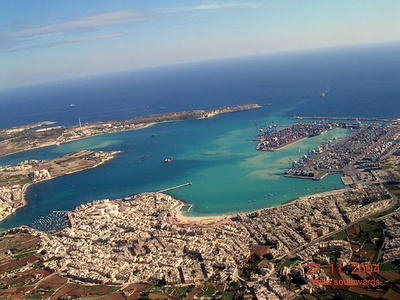
| Malta | 🇲🇹 | 516,100 (2023) | Valletta |
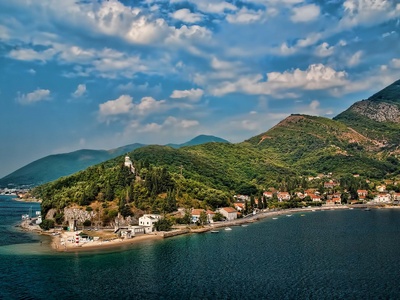
| Montenegro | 🇲🇪 | 616,024 (2023) | Podgorica |
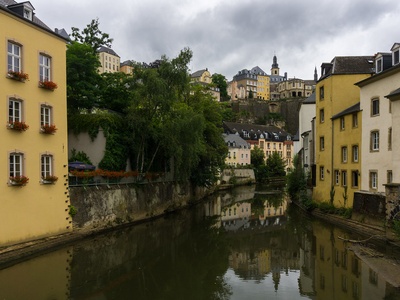
| Luxembourg | 🇱🇺 | 645,397 (2023) | Luxembourg |
Images and Descriptions
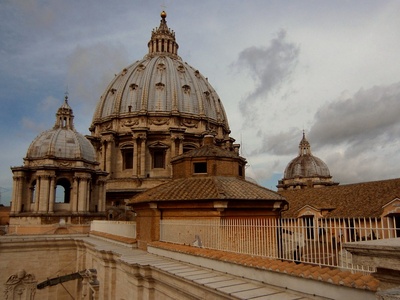
Vatican City
Enclave within Rome, Italy; the world’s smallest sovereign state by area and population. Population is tiny because it’s primarily a religious and administrative center for the Holy See with few permanent residents. Notable as the Pope’s residence and home to St. Peter’s Basilica.

San Marino
Landlocked microstate entirely surrounded by Italy on the northeastern Apennines. Its small population reflects a tiny territory and long-standing city-state governance. Notable for being one of the world’s oldest republics (traditionally founded in AD 301) and for well-preserved medieval fortresses.
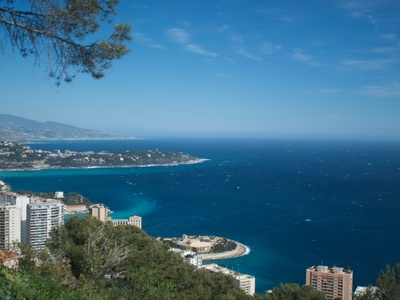
Monaco
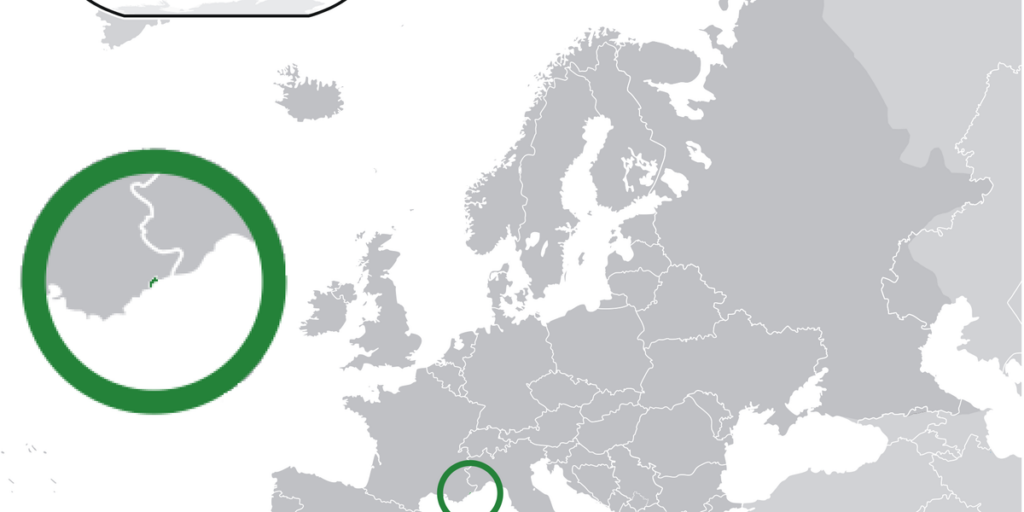
On the French Riviera, Monaco is a densely populated city-state with tiny territory; population is limited by just two square kilometers but high density. Notable for luxury tourism, the famous Monte Carlo casino and the annual Formula 1 Monaco Grand Prix.
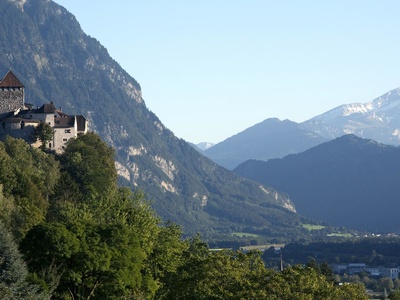
Liechtenstein
An Alpine principality wedged between Switzerland and Austria; small population because of limited mountainous land and small area. Notable for a high standard of living, a strong financial and industrial sector, and being one of the world’s few doubly landlocked countries.
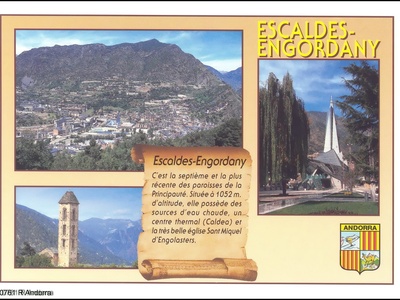
Andorra
Pyrenean microstate between France and Spain with a small population tied to its compact, mountainous territory. Economy relies on tourism, retail and banking. Notable for ski resorts, duty-free shopping, and its unusual co-prince heads of state system.

Iceland
North Atlantic island nation with low population due to remote location and rugged terrain; most people live in the Reykjavik area. Notable for dramatic volcanic landscapes, geothermal energy, glaciers, strong social indicators and high per-capita quality of life.
Malta
Archipelago south of Sicily with a compact land area limiting population size and high urban density. Notable for a layered history (Phoenicians, Romans, Knights of St. John), strategic Mediterranean location, and widespread use of both Maltese and English.
Montenegro
Small Balkan country on the Adriatic coast and inland mountains; population remains modest after recent independence and due to emigration trends. Notable for the scenic Bay of Kotor, Durmitor National Park, and growing tourism along its coastline.
Luxembourg
Small landlocked state between Belgium, France and Germany with limited population but large economic influence. Notable for multilingualism, a major financial sector, EU institutions presence, high GDP per capita and a diverse expatriate expatriate community.