Germany’s cities are hubs of history, industry and culture, each with its own pace and profile. From the fast-moving streets of Berlin to quieter post-industrial centers, urban populations shape regional economies, transport needs and housing markets across the country.
There are 20 Largest Cities in Germany by Population, ranging from Berlin to Wuppertal. For each city the list shows Country,Population (2023),Rank so you can quickly compare size and position — you’ll find below.
How recent and reliable is the population data?
The figures are based on official 2023 estimates and municipal registers where available; they reflect the latest published counts but can differ slightly from provisional updates or different statistical methods, so check local statistical offices for the most granular breakdowns.
Do these numbers refer to city limits or the wider metropolitan area?
The list uses administrative city populations (city limits) rather than metropolitan or commuter-area estimates, which means it shows the population within each city’s official boundaries rather than the broader metro population.
Largest Cities in Germany by Population
| City | Country | Population (2023) | Rank |
|---|---|---|---|
| Berlin | Germany | 3,769,495 | 1 |
| Hamburg | Germany | 1,852,478 | 2 |
| Munich | Germany | 1,558,395 | 3 |
| Cologne | Germany | 1,087,863 | 4 |
| Frankfurt | Germany | 806,456 | 5 |
| Stuttgart | Germany | 635,911 | 6 |
| Düsseldorf | Germany | 621,877 | 7 |
| Leipzig | Germany | 609,180 | 8 |
| Dortmund | Germany | 588,250 | 9 |
| Essen | Germany | 583,620 | 10 |
| Bremen | Germany | 567,559 | 11 |
| Dresden | Germany | 556,780 | 12 |
| Hanover | Germany | 548,087 | 13 |
| Nuremberg | Germany | 518,365 | 14 |
| Duisburg | Germany | 493,792 | 15 |
| Bochum | Germany | 364,920 | 16 |
| Wuppertal | Germany | 354,382 | 17 |
| Bielefeld | Germany | 333,786 | 18 |
| Bonn | Germany | 331,885 | 19 |
| Münster | Germany | 315,293 | 20 |
Images and Descriptions
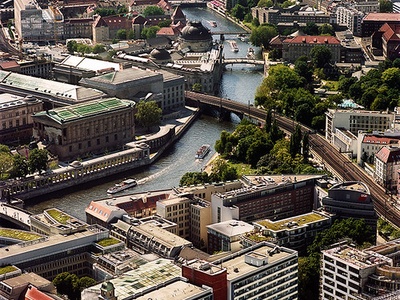
Berlin
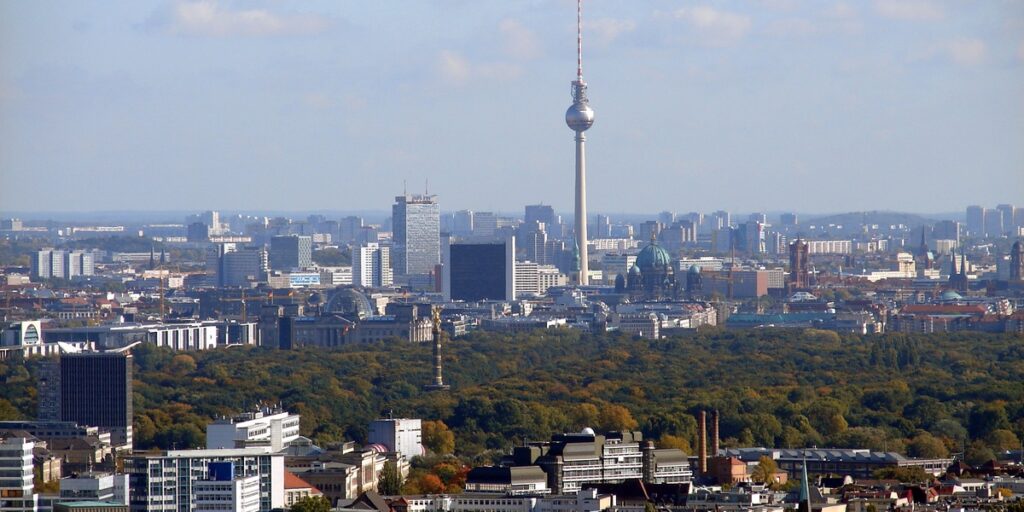
Berlin is a city-state in northeastern Germany and the national capital, famed for its layered history, vibrant arts and nightlife, and landmarks like the Brandenburg Gate and Museum Island; it’s the country’s political, cultural and largest population center.
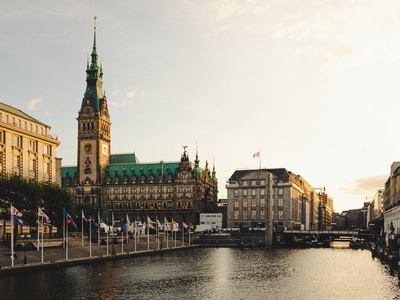
Hamburg
Hamburg is a major northern port city in the state of Hamburg, known for its large harbor, the Elbphilharmonie concert hall, lively Reeperbahn district, and extensive waterways; it’s Germany’s second-largest city and an important trade and media hub.
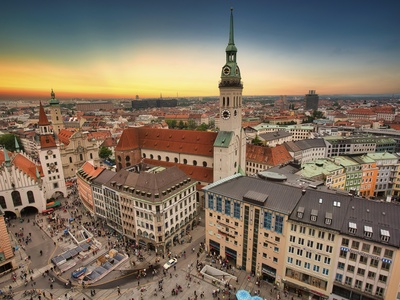
Munich
Munich (München) is Bavaria’s capital in southern Germany, celebrated for its beer gardens, Oktoberfest, and high-tech and finance industries; it blends historic architecture with modern wealth and is a major center for culture, research and economic activity.
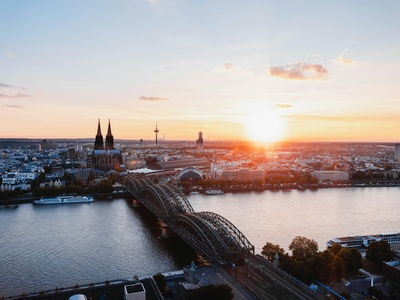
Cologne
Cologne (Köln) is the largest city in North Rhine-Westphalia on the Rhine, famous for its UNESCO-listed Gothic cathedral, Roman history, vibrant carnival, and strong media and trade fair presence; it’s a cultural and commercial hub in western Germany.
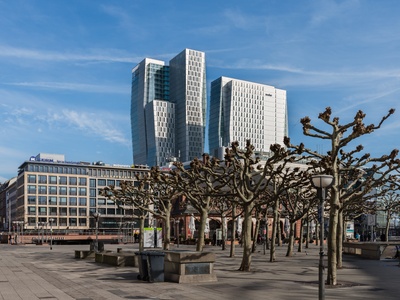
Frankfurt
Frankfurt am Main in Hesse is Germany’s financial capital, home to the European Central Bank and a major airport; its modern skyline, international trade fairs and central location make it a global business and transport hub.
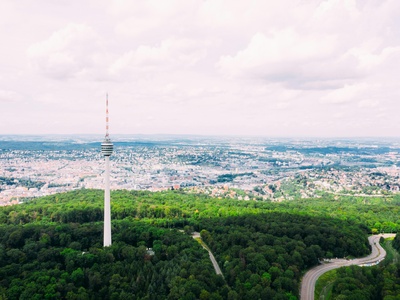
Stuttgart
Stuttgart is the capital of Baden-Württemberg in southwest Germany, known as an automotive center (Mercedes-Benz and Porsche), with green hills, vineyards, and a strong manufacturing and research base; it’s culturally rich with museums and festivals.
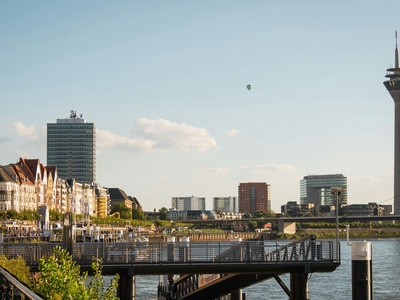
Düsseldorf
Düsseldorf, capital of North Rhine-Westphalia, is a fashion and trade fair city on the Rhine, noted for its Altstadt nightlife, riverside promenades, and a strong finance and advertising sector; it’s also known for contemporary art and commerce.
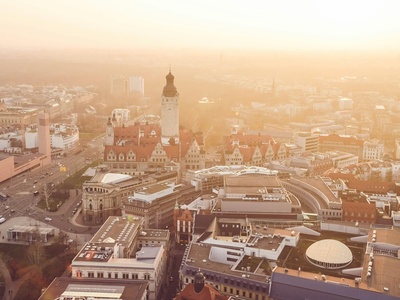
Leipzig
Leipzig in Saxony has grown into a cultural and economic center with a strong music heritage (Bach), rising creative industries, and a revitalized downtown; it’s one of Germany’s fastest-growing cities in recent years.
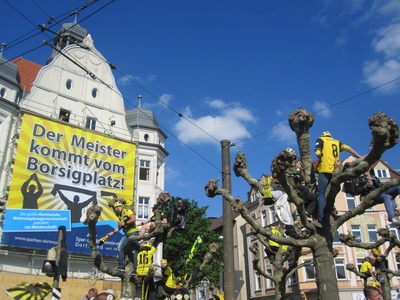
Dortmund
Dortmund in North Rhine-Westphalia is historically an industrial and coal-mining city that has reinvented itself with technology, services and football passion (Borussia Dortmund); it’s a key node in the Rhine-Ruhr region’s economy.

Essen
Essen, located in the Ruhr area of North Rhine-Westphalia, transitioned from heavy industry to services and culture, hosting the former industrial complex Zollverein (UNESCO) and major corporations; it plays a central role in regional economic transformation.
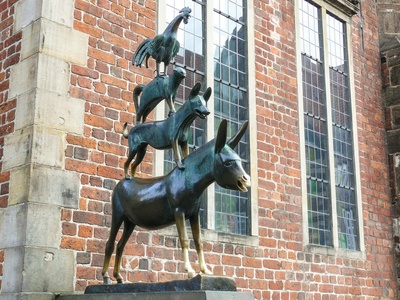
Bremen
Bremen, a city-state in northwest Germany, is a historic Hanseatic port on the Weser River known for the Bremen Town Musicians statue, maritime commerce, aerospace and manufacturing industries, and an independent civic identity.
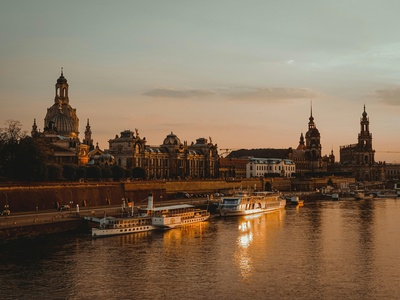
Dresden
Dresden, capital of Saxony on the Elbe River, is renowned for its rebuilt baroque architecture like the Frauenkirche, rich cultural institutions, and art collections; it’s a major cultural and scientific center in eastern Germany.
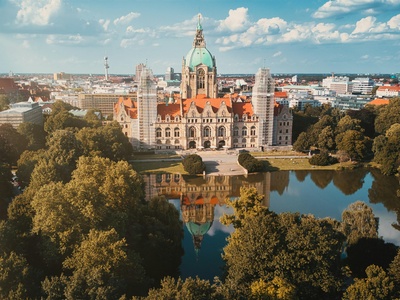
Hanover
Hanover (Hannover), capital of Lower Saxony in northern Germany, is recognized for its large trade fairs (CeBIT historically), green spaces, and engineering and logistics industries; it serves as an administrative and commercial regional hub.
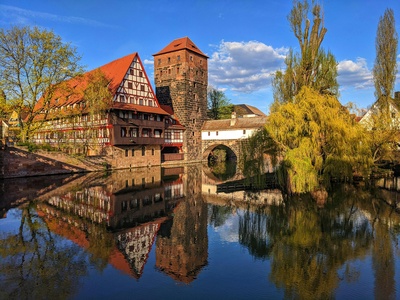
Nuremberg
Nuremberg (Nürnberg) in Bavaria is a historically significant city with medieval architecture, a famous Christmas market, and strong manufacturing and tech sectors; its cultural heritage and transport links make it an important regional center.
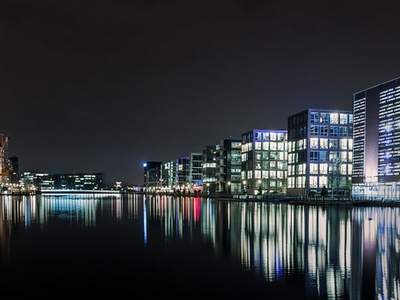
Duisburg
Duisburg in North Rhine-Westphalia sits at the Rhine and Ruhr confluence and hosts one of the world’s largest inland ports; historically industrial, it remains important for logistics, steel production and river transport infrastructure.
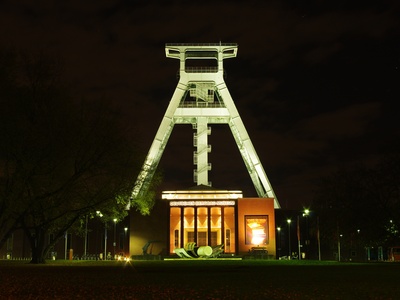
Bochum
Bochum in the Ruhr area of North Rhine-Westphalia transformed from a coal-and-steel town into a service and cultural city with universities, theaters and a lively music scene; it’s part of the densely populated Rhine-Ruhr metropolitan area.
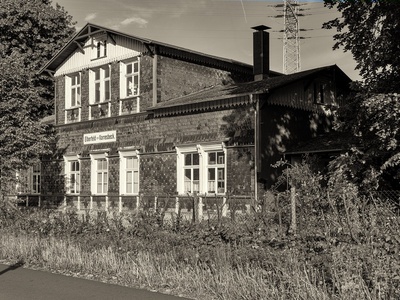
Wuppertal
Wuppertal in North Rhine-Westphalia is known for its unique suspended monorail (Schwebebahn), steep valleys and textile-industrial heritage; it’s a mid-sized city with cultural institutions, parks and a distinct local identity within the Ruhr region.
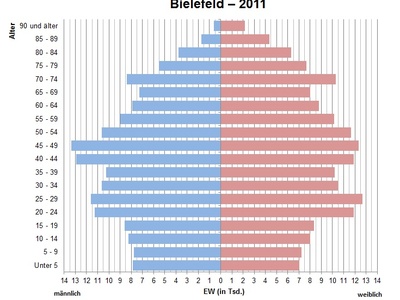
Bielefeld
Bielefeld in North Rhine-Westphalia blends industrial history with a growing services sector; known for its university, Sparrenburg Castle and mid-sized manufacturing firms, the city anchors a regional hinterland in northeastern NRW.
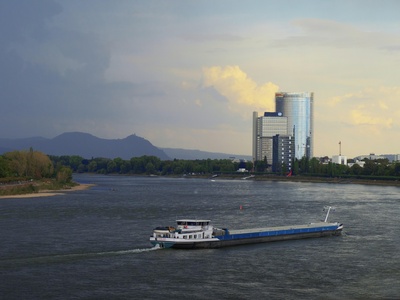
Bonn
Bonn, on the Rhine in North Rhine-Westphalia, is a former capital of West Germany and now hosts UN offices, international institutions, and cultural sites like Beethoven’s birthplace; it combines history with a strong research and diplomatic presence.
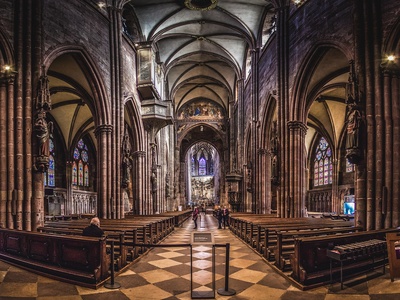
Münster
Münster in North Rhine-Westphalia is famed for its university, bike-friendly streets, and well-preserved medieval old town; historically a center of the Peace of Westphalia, it’s now known for education, culture, and quality of life.