Nunavut’s parks cover vast Arctic terrain where glaciers, fjords and tundra meet a sparse human presence; they protect important wildlife habitat and places long used by Inuit communities. Visiting here means planning for remoteness, seasonal travel windows, and a very different pace from southern parks.
There are 5 National Parks in Nunavut, ranging from Auyuittuq, Ukkusiksalik. For each park we’ll list Location (nearest community),Area (km2),Access & highlights so you can compare size, how to get there and what to expect — you’ll find below.
How do I get to these remote parks?
Most access is by air to nearby communities, then by boat, charter floatplane or guided expedition; there are virtually no road links. Plan flights well in advance, check seasonal schedules, arrange local guides or outfitters for backcountry logistics, and expect limited services once you arrive.
What practical precautions should I take before going?
Prepare for Arctic weather, short travel seasons and wildlife encounters (polar bears in some areas): carry proper cold-weather gear, know bear-safety protocols, bring extra supplies, register plans with authorities, and consider hiring experienced guides for navigation and safety.
National Parks in Nunavut
| Name | Location (nearest community) | Area (km2) | Access & highlights |
|---|---|---|---|
| Auyuittuq | Pangnirtung | 19,089 | Access by air to Pangnirtung; famed Akshayuk Pass, glaciers, fjords (Parks Canada) |
| Sirmilik | Pond Inlet | 22,200 | Reach via Pond Inlet or Arctic Bay; bird cliffs, polynyas, glaciers (Parks Canada) |
| Quttinirpaaq | Grise Fiord | 37,775 | Fly from Resolute/Grise Fiord; high Arctic landscapes, ice caps (Parks Canada) |
| Ukkusiksalik | Naujaat (Repulse Bay) | 20,885 | Access by air to Naujaat; Wager Bay wildlife, polar bears, cultural sites (Parks Canada) |
| Qausuittuq | Resolute | 1,409 | Fly to Resolute; remote Arctic plateau, muskox sightings (Parks Canada) |
Images and Descriptions

Auyuittuq
Auyuittuq National Park sits on Baffin Island near the community of Pangnirtung. It protects steep fjords, glaciers, and high granite peaks like Mount Thor and Mount Asgard. Access is by charter boat or small plane from Pangnirtung and requires careful planning and Parks Canada backcountry registration. Highlights include long alpine hikes, ice-capped valleys, and dramatic rock faces. Best travel time is late June to early September when trails and camps are most accessible. Include because it is a classic Arctic trekking park and a major destination in Nunavut.
Sirmilik
Sirmilik National Park lies on northern Baffin Island and Bylot Island near Pond Inlet. It protects coastal cliffs, glaciers, and rich seabird colonies. Access is by boat or charter flight from Pond Inlet and is seasonal. Highlights include birdwatching, marine wildlife, and dramatic iceberg and fjord scenery. Best season is July to September for boat tours and shore visits. Parks Canada issues permits and provides visitor information for safe travel.
Quttinirpaaq
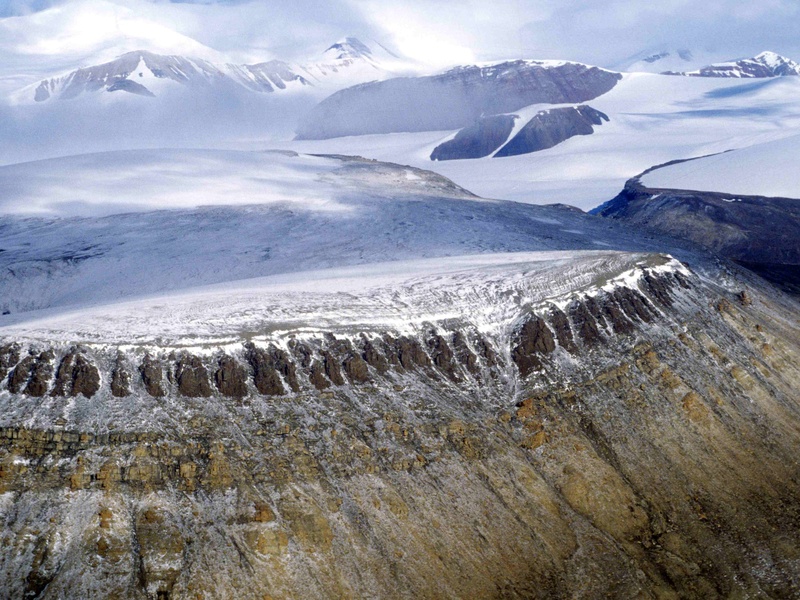
Quttinirpaaq National Park occupies the high Arctic of northern Ellesmere Island. It is one of Canada’s most northerly and remote parks. Common access is by charter flight from Resolute Bay to the park’s airstrips. The park protects ice caps, polar deserts, and deep fjords such as Tanquary Fiord. Travel requires careful logistics, cold-weather gear, and Parks Canada permission. Best season is the short Arctic summer in July and August. Include because it represents extreme high-Arctic landscapes and wildlife.
Ukkusiksalik
Ukkusiksalik National Park protects tundra, coastal shoreline, and a long inland bay on western Hudson Bay. Regional communities such as Naujaat (Repulse Bay) serve as access points by charter plane or boat. The park holds important marine and shore habitats, archaeological sites, and species like seals and migratory birds. Access is seasonal and requires planning and Parks Canada permits. Best time to visit is the ice-free summer months for boat travel, wildlife viewing, and cultural sites.
Qausuittuq
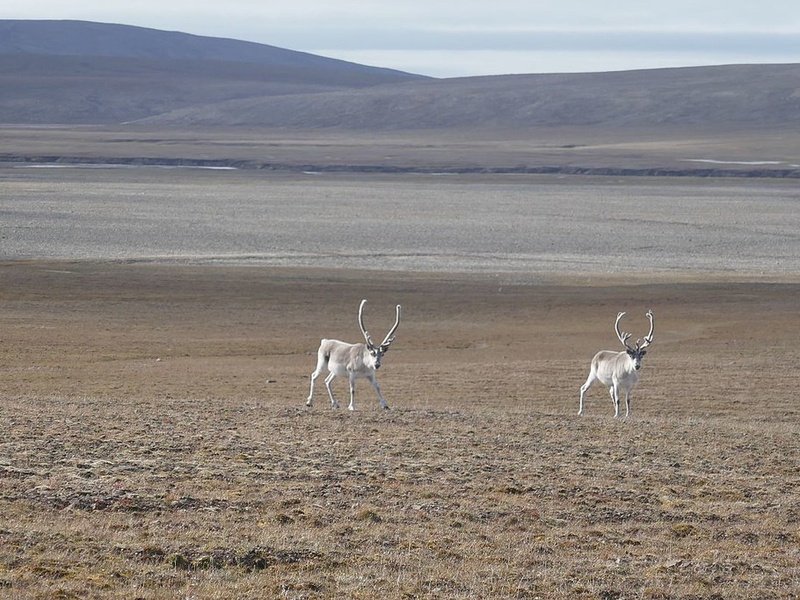
Qausuittuq National Park sits on Bathurst Island in the high Arctic island chain. It protects polar desert, rolling uplands, and important wildlife habitat. Access is by charter aircraft from regional hubs such as Resolute Bay and typically involves self-supported or guided expeditions. Highlights include stark island landscapes, sea-ice edge scenery, and quiet remoteness. Best season is mid-summer when sea ice retreats. Include because it protects unique island ecosystems and is part of Nunavut’s network of co-managed parks.