Ghana’s regions are a patchwork of languages, histories and community ties that shape daily life from Accra’s markets to remote northern towns. Understanding the country’s ethnic composition helps explain local customs, political dynamics and patterns of migration.
There are 30 Ghana Ethnic Groups, ranging from Ahanta,Sissala. For each entry the data is organized under Region(s),Approx population,Language (family), which you’ll find below.
How current and reliable are the Region(s), Approx population and language entries?
Population and language figures are generally estimates drawn from national census data, ethnolinguistic surveys and academic sources; they give a useful snapshot but can lag behind rapid urbanization and migration, so treat numbers as approximate and check original census releases or scholarly updates for the most precise figures.
Can this list help me plan research or culturally sensitive travel in Ghana?
Yes — the list points to where groups are concentrated and which language families are common, making it a good starting map for research or itinerary planning, but always supplement with local contacts, recent field reports and respect for community protocols when visiting.
Ghana Ethnic Groups
| Group | Region(s) | Approx population | Language (family) |
|---|---|---|---|
| Akan | Ashanti, Central, Eastern, Western regions | 14,600,000 | Akan (Kwa) |
| Ashanti | Ashanti Region (central-south) | 4,000,000 | Akan (Kwa) |
| Fante | Central and coastal Western regions | 2,000,000 | Akan (Kwa) |
| Bono | Bono and Ahafo regions | 600,000 | Akan (Kwa) |
| Akyem | Eastern and parts of Ashanti regions | 400,000 | Akan (Kwa) |
| Ewe | Volta Region, southeastern Ghana | 4,000,000 | Ewe (Gbe, Niger-Congo) |
| Anlo | Southeastern Volta (Anlo area) | 700,000 | Ewe (Gbe, Niger-Congo) |
| Ga | Greater Accra Region | 800,000 | Ga (Ga-Dangme, Kwa) |
| Dangme | Eastern Greater Accra, Shai and Ada areas | 400,000 | Dangme (Ga-Dangme, Kwa) |
| Krobo | Eastern Region (Odumase areas) | 200,000 | Dangme (Ga-Dangme, Kwa) |
| Dagomba | Northern Region (Tamale area) | 1,500,000 | Dagbani (Gur, Mole-Dagbani) |
| Mamprusi | North East Region | 300,000 | Mampruli (Gur, Mole-Dagbani) |
| Nanumba | Northern Region (Nanumba areas) | 120,000 | Nanumba (Gur, Mole-Dagbani) |
| Gonja | Savannah and Northern regions | 300,000 | Gonja (Gur, Guang subgroup) |
| Dagaaba (Dagaare) | Upper West and parts of Upper East | 800,000 | Dagaare (Gur, Niger-Congo) |
| Sissala | Upper West Region | 200,000 | Sissala (Gur) |
| Frafra (Gurune) | Upper East and parts of Upper West | 350,000 | Gurune (Gur) |
| Kusasi | Upper East and parts of Upper West | 150,000 | Kusaal (Gur) |
| Kusaal | Upper East Region | 150,000 | Kusaal (Gur) |
| Konkomba | Northern and Oti Regions | 400,000 | Tata (Niger-Congo) |
| Builsa | Upper East Region (Builsa areas) | 60,000 | Builsa (Gur) |
| Bimoba | Upper East and Northern fringes | 100,000 | Bimoba (Gur) |
| Nzema | Western Region coastal areas | 300,000 | Nzema (Kwa) |
| Ahanta | Western coastal Ghana | 150,000 | Ahanta (Kwa) |
| Guan | Scattered: Volta, Eastern, Central and Northern fringes | 200,000 | Guan (Volta-Niger branches) |
| Chakosi (Anufo) | Upper West, Brong-Ahafo border | 100,000 | Mande (Niger-Congo) |
| Kassena | Upper East Region (Bolgatanga area) | 120,000 | Kassenna (Gur) |
| Nankani | Upper East Region | 80,000 | Nankani (Gur) |
| Lobi | Upper West and adjacent Burkina border | 60,000 | Lobi (Gur/Mande influences) |
| Bissa | Upper West and North East pockets | 70,000 | Bissa (Mande) |
Images and Descriptions

Akan
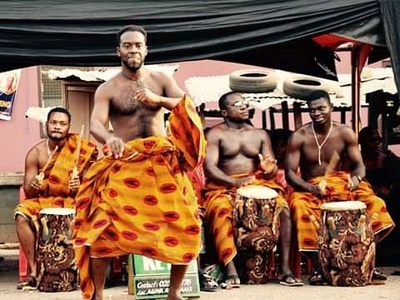
Akan are Ghana’s largest ethnolinguistic family, famed for matrilineal societies, powerful chieftaincies, gold-centered history and festivals like Akwasidae; includes many subgroups (Asante, Fante, Akyem) with strong roles in commerce, arts and national politics.
Ashanti
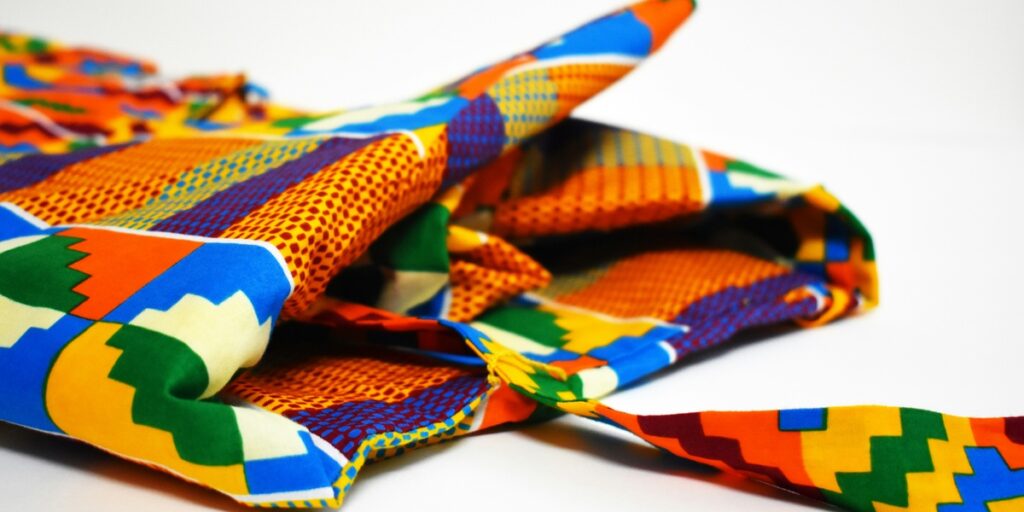
The Asante (Ashanti) are a prominent Akan people centered in Kumasi, known for the Ashanti Kingdom, the Golden Stool symbol, elaborate textiles (kente), strong chieftaincy, and historic resistance to colonial rule; significant cultural influence nationwide.
Fante
The Fante are coastal Akan people known for seafaring, trade, and influential coastal states; their dialect, coastal matrilineal customs, and festivals (e.g., Oguaa) shaped Ghana’s colonial-era interactions and modern coastal culture.
Bono
The Bono (Brong) are an Akan subgroup in central-west Ghana with a history of independent states, yam- and millet-based agriculture, matrilineal inheritance, and distinctive festivals; they maintain strong local chieftaincy and trading traditions.
Akyem
Akyem are an eastern Akan subgroup with historic states, productive cocoa and gold economies, and famous stools and festivals; they keep distinct dialects and chieftaincy structures within the broader Akan cultural framework.
Ewe
The Ewe inhabit the Volta Region and neighboring Togo, are known for complex kinship, spirit-centered festivals (e.g., Hogbetsotso), skilled weaving and percussion music, and active cross-border identities with shared language and traditions.
Anlo
Anlo Ewe are a coastal Ewe subgroup noted for the historical Anlo state, fishing and salt economies, distinctive drumming and dance traditions, and elaborate Hogbetsotso festival commemorating migration and unity.
Ga
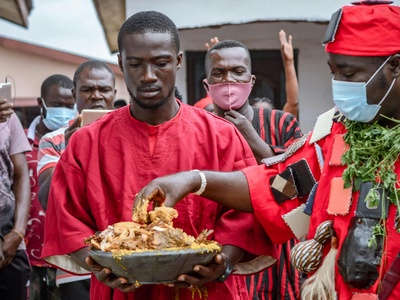
The Ga people are the historic inhabitants of Accra, famous for the Homowo festival, elaborate naming rites, and a strong urban mercantile culture; Ga traditions and language shaped Accra’s identity and coastal trade networks.
Dangme
Dangme groups live along the eastern Accra coast and Volta frontier, sharing cultural ties with Ga people but maintaining separate dialects, fishing and farming economies, and local festivals like Dodoleglime.
Krobo
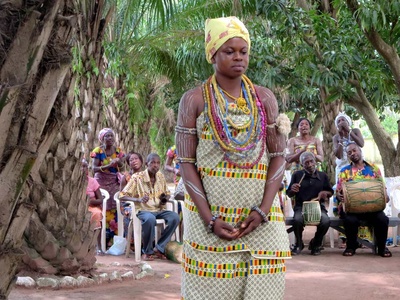
The Krobo (Manya and Yilo) are Dangme-speaking peoples known for elaborate Dipo initiation rites for girls, beadwork craftsmanship, and farming along the Akuapem and Volta fringes; strong chieftaincy and cultural identity persist.
Dagomba
Dagomba are the dominant Mole-Dagbani group around Tamale, organized under the Ya-Na, with a stratified court culture, skilled drumming traditions (talking drums), patrilineal chieftaincy, and a strong oral historiography.
Mamprusi
Mamprusi are a northeastern Mole-Dagbani people with the Naa (overlord) system, historical states around Gambaga, cattle- and millet-based economy, and enduring court rituals and traditional authority structures.
Nanumba
Nanumba are a smaller Mole-Dagbani group in northern Ghana with a traditional emirate system, agricultural livelihood focused on millet and sorghum, and shared cultural practices with neighboring Dagomba and Mamprusi.
Gonja
Gonja are a chiefly state in northern Ghana with Akan and Gur influences, historically a regional trading power; they speak Gonja (related to Guang languages) and maintain distinct festivals and Islamic-influenced court customs.
Dagaaba (Dagaare)
Dagaaba (Dagaare) farmers of the Upper West are known for longhouse compounds, communal farming, vibrant drumming and earth-lodge architecture; their societies emphasize kinship, local chiefs and distinctive funerary customs.
Sissala
Sissala people in the Upper West are subsistence farmers and cattle rearers with lively festivals, courtship customs, and crafts; they retain Gur-language traditions and local chieftaincies linking several Sissala chiefdoms.
Frafra (Gurune)
The Frafra (Gurune) live on northern savanna margins, practicing millet and sorghum agriculture, elaborate clay and wood art, unique multi-day communal festivals, and a rich oral tradition tied to ancestral rites.
Kusasi
Kusasi (Kusaal speakers) inhabit northeastern Ghana near the Burkina border, known for fortified compounds historically, yams and millet farming, vibrant festivals, and strong clan-based social organization.
Kusaal
Kusaal speakers (often called Kusaasi) maintain strong village-linked identities, unique musical and funerary practices, and agricultural economies; they participate in regional chiefly politics in the Upper East.
Konkomba
Konkomba are a widespread group in northern Ghana and the Oti, historically organized in communal lineages, known for shifting cultivation, decentralized authority, and complex histories of interethnic tensions and reconciliation processes.
Builsa
Builsa people are known for historic resistance to slave raids, unique funerary architecture, communal yam festivals, and small-scale farming; they maintain distinct beliefs, chieftaincy systems and regional artisan traditions.
Bimoba
Bimoba communities practice millet and livestock agriculture, maintain clan-based rituals, and are noted for masked dances and shrines; they hold localized chiefly structures and cultural calendar events tied to harvest cycles.
Nzema
Nzema are a southwestern coastal group with Akan affinities, known for fishing, matrilineal inheritance, unique dialects, and traditional festivals; they have a strong coastal trading and gold-mining history influencing regional identity.
Ahanta
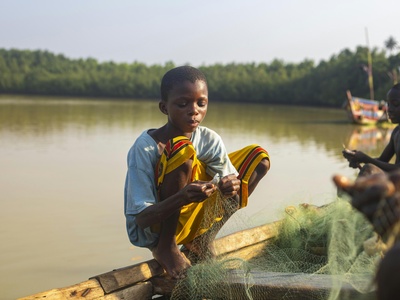
Ahanta people on Ghana’s southwest coast have a history of powerful precolonial states, coastal trade involvement, distinctive chieftaincy rituals and cultural memory of early European contact and colonial struggles.
Guan
Guan peoples are an ancient, scattered set of groups across Ghana with diverse languages and histories; many were later assimilated by larger neighbors but retain distinct local identities, rites, and dialects in several pockets.
Chakosi (Anufo)
Chakosi (Anufo/Tchaka) are a Mande-origin group in Ghana’s northwest, historically traders and warriors; they maintain unique language and drumming traditions and integrate Mande social elements with local northern Ghanaian practices.
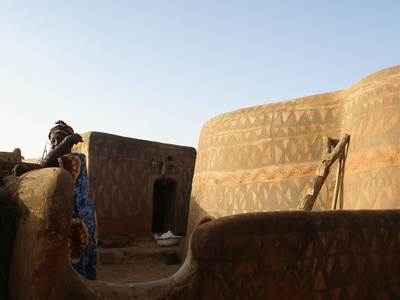
Kassena
Kassena people in northern Ghana are noted for compact stone architecture, terraced farming, matrilineal and patrilineal mixes in inheritance, rhythmic dances and pottery, with strong community-based traditional governance.
Nankani
Nankani communities practice mixed farming, maintain clan-based societies and local chieftaincies, and are known for seasonal festivals and oral histories; they share cultural affinities with neighboring Gur groups.
Lobi
Lobi people in northern Ghana are small but culturally distinct, known for timber and ironwork, robust ancestral shrine traditions, fortified compounds, and cross-border ties with Burkina Faso Lobi communities.
Bissa
Bissa (Bisa) are a Mande-speaking minority in northern Ghana, with rice and millet farming, strong initiation and ancestor rites, and transnational links to larger Bissa populations across Burkina and Niger borderlands.