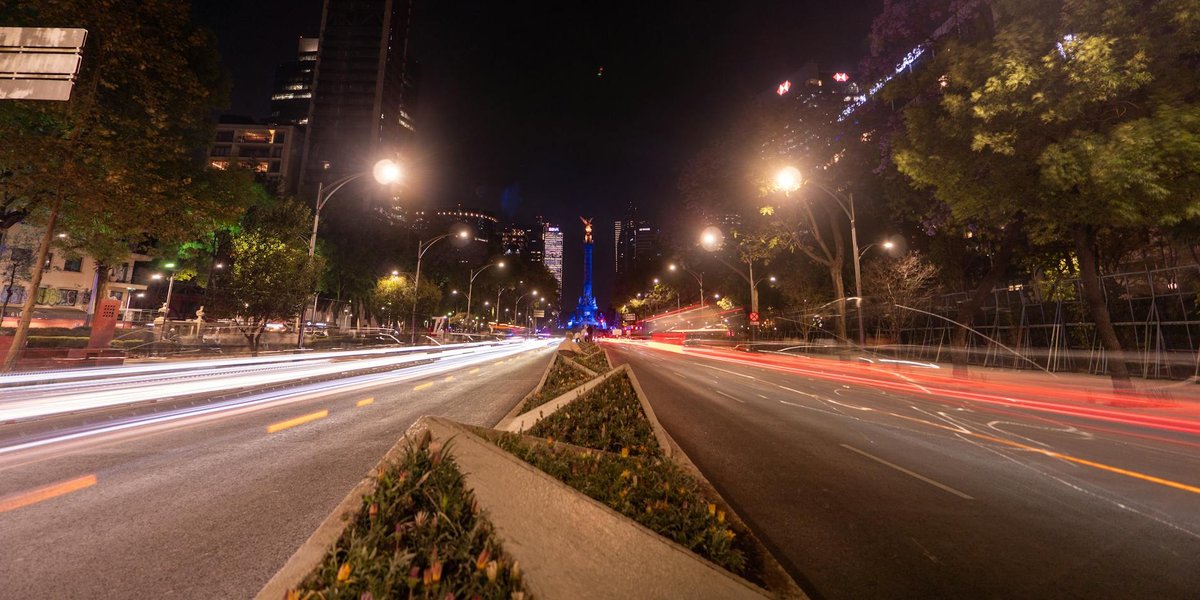
Mexico’s biggest cities are not as straightforward as they look on a spreadsheet. Mexico City is enormous, yes. But once you start comparing city proper populations with metropolitan areas, the rankings get messy fast — and that’s usually where people get tripped up.
This list uses city proper / municipal population as the main ranking, because that’s the most common way to compare cities consistently across Mexico. Where useful, I’ll also flag the metro-area picture, since that’s often the version people actually mean when they say “largest city.”
Table of contents
- TL;DR
- Largest cities in Mexico by population
- City proper vs. metropolitan area
- Why Mexico’s city rankings look different from the map
- Quick takeaways
TL;DR
Mexico’s largest city by population is Mexico City, by a mile. After that, the biggest urban names usually include Guadalajara, Monterrey, Puebla, Tijuana, León, Juárez, and Zapopan — but the order changes depending on whether you’re counting the municipality, the city proper, or the full metro area.
For a clean, apples-to-apples ranking, you want one source and one definition. That’s the only way the list stays useful instead of turning into a fight between municipal boundaries and commuter sprawl.
Largest cities in Mexico by population
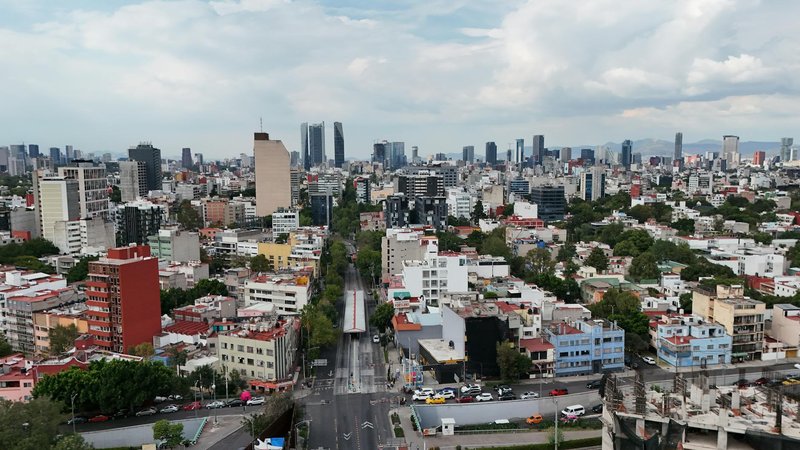
Here’s a practical ranking of Mexico’s largest cities by population, using city proper / municipal population as the main reference point. Exact figures shift a bit depending on the census year and whether a source is reporting the municipality, locality, or metro area, so treat these as a solid current overview rather than a sacred tablet handed down from INEGI. For a complementary view by land area, see Largest Cities in Mexico by Area.
| Rank | City | State | Approx. population | Notes |
|---|---|---|---|---|
| 1 | Mexico City | Mexico City | 9+ million | Capital, largest city proper in the country |
| 2 | Guadalajara | Jalisco | 1.4+ million | Core city of a much larger metro area |
| 3 | Monterrey | Nuevo León | 1.1+ million | Industrial heavyweight, major northern hub |
| 4 | Puebla | Puebla | 1.6+ million | Big municipal population, strong colonial core |
| 5 | Tijuana | Baja California | 1.9+ million | Border city with major cross-border flow |
| 6 | León | Guanajuato | 1.7+ million | One of the largest inland cities |
| 7 | Juárez | Chihuahua | 1.5+ million | Another border giant, tied closely to El Paso |
| 8 | Zapopan | Jalisco | 1.4+ million | Technically a municipality, but often counted in city rankings |
| 9 | Ecatepec de Morelos | Mexico State | 1.6+ million | Dense suburb in the Mexico City metro orbit |
| 10 | Nezahualcóyotl | Mexico State | 1.1+ million | Another huge municipality in the capital region |
A quick warning: cities like Zapopan, Ecatepec, and Nezahualcóyotl expose the weirdness of Mexican population rankings. They’re enormous, but they sit inside bigger metro systems, so they can look more important on a population table than they do on a traveler’s mental map.
City proper vs. metropolitan area
This is where Mexico gets interesting.
A city proper is the legally defined municipal area. A metropolitan area includes the central city plus the surrounding urban spillover — suburbs, satellite municipalities, and the places people use to get to work and then complain about traffic.
That distinction matters a lot in Mexico:
- Mexico City is the obvious example. The municipality of Mexico City is massive, but the Mexico City metro area is far larger, spreading into the State of Mexico and beyond.
- Guadalajara looks smaller than you’d expect if you only look at the municipality, because its metro area includes places like Zapopan, Tlaquepaque, and Tonalá.
- Monterrey has a similar pattern, with the metro region stretching across multiple municipalities in Nuevo León.
- Tijuana is a border city where growth is shaped by San Diego-area economic gravity, not just local boundaries.
- Puebla is another case where the metro area tells a fuller story than the core city alone.
If you want the biggest metropolitan areas in Mexico, the top tier usually includes:
- Mexico City
- Guadalajara
- Monterrey
- Puebla
- Toluca
- Tijuana
- León
- Ciudad Juárez
That’s a very different list from a strict city-proper ranking, and both are “right” depending on what you’re measuring.
For official demographic reference, Mexico’s national statistics agency INEGI is the first stop. If you’re comparing metropolitan regions, you’ll also see data from the CONAPO and other government planning sources. For a reader-friendly look at how Guadalajara compares in practice, see 5 Pros and 5 Cons of Living in Guadalajara.
Why Mexico’s city rankings look different from the map
Mexico’s urban pattern is not just a chain of huge megacities. It’s a mix of:
- one truly gigantic capital
- several major industrial and border cities
- dense municipal areas that blur together into massive metro regions
That’s why a place like Ecatepec can rank alongside or above famous city names, even though most travelers think of it as part of the greater Mexico City machine rather than a standalone destination.
It also helps explain why Tijuana and Ciudad Juárez matter so much. Their populations reflect border economies, migration, manufacturing, and daily cross-border movement. They’re not just “cities.” They’re pressure valves.
One more thing: population totals change over time. Mexico’s cities keep growing, but not evenly. Some places expand outward through metro spread, while others pack more people into the same footprint. So a ranking from one census year can look slightly different from the next.
For a broader regional context, see The Complete List of Largest Cities in North America.
Quick takeaways
Mexico’s largest cities by population are dominated by the capital region, followed by major commercial, industrial, and border hubs. If you only remember three things, make it these:
- Mexico City is the clear number one.
- The rankings change depending on whether you use city proper or metro area.
- Big municipalities like Ecatepec and Zapopan can look “larger” than expected because of how Mexico’s urban geography is drawn.
For a clean comparison, always check the definition first. Otherwise you’re not comparing cities — you’re comparing paperwork.