
Guadalajara is Mexico’s second-largest metropolitan area with roughly 5.26 million residents (2020 INEGI), yet it often flies under the radar for expats and digital nomads.
Founded as Jalisco’s cultural and economic hub, the city grew rapidly in the 20th century and today blends historic plazas, colonial neighborhoods, and modern business districts.
This piece lays out the pros and cons of living in Guadalajara so you can weigh affordable daily costs, a lively cultural scene and a growing tech economy against practical tradeoffs like traffic, seasonal air-quality issues and uneven safety—each point includes concrete examples and sources to help plan a move or a trial stay.
Quality of Life & Cost of Living
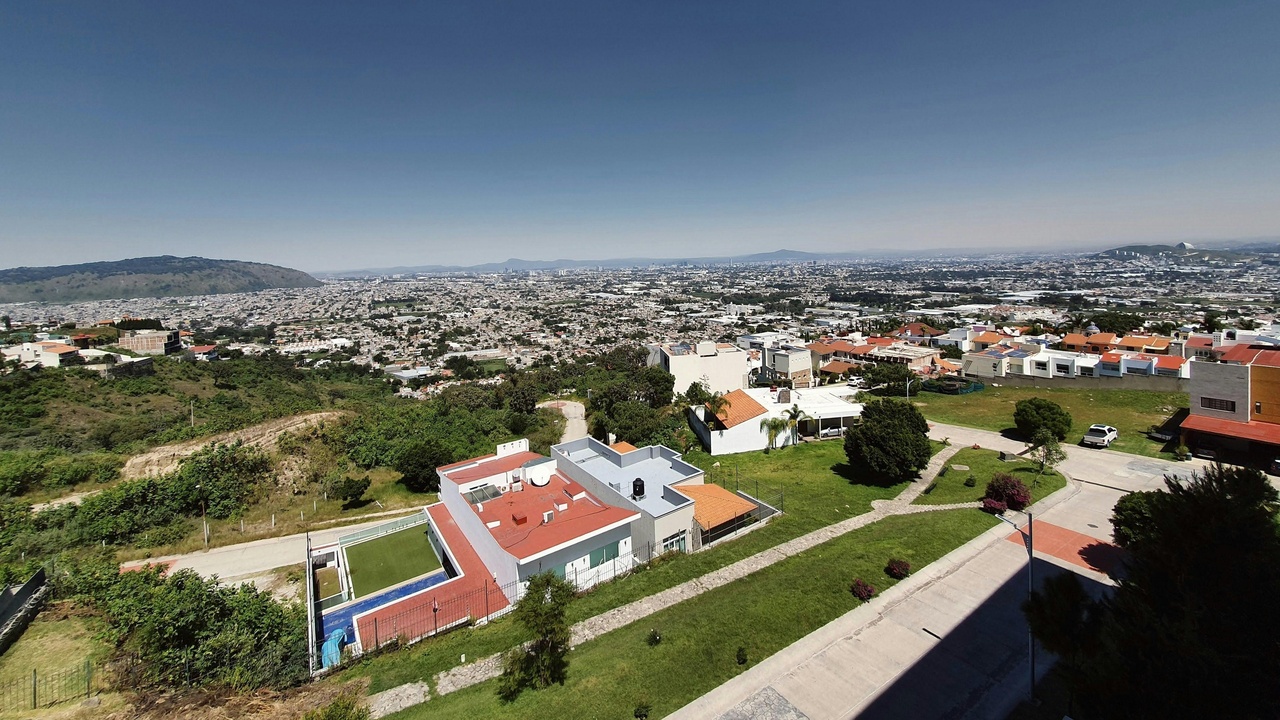
Day-to-day life in Guadalajara is shaped by lower average prices than Mexico City and most major U.S. metros, while still offering urban amenities and walkable neighborhoods in many areas.
For context, the metro population is about 5.26 million (2020 INEGI), and a one-bedroom apartment in central neighborhoods like Colonia Americana or Providencia typically rents for roughly MXN 10,000–18,000/month according to local rental listings and cost-of-living aggregators (Numbeo/local portals).
Practical living costs—groceries, utilities and local services—tend to be lower than in North American cities, but quality and availability of services can vary substantially by neighborhood; choosing where you live will shape commute time, school options and access to nightlife or parks.
1. Pro — Lower Cost of Living Compared to Many North American Cities
Day‑to‑day expenses in Guadalajara—rent, food, and many services—are generally lower than comparable neighborhoods in large U.S. or Canadian cities, which stretches savings for remote workers and families.
Example budget: a central one‑bedroom (MXN 12,000), utilities and internet (MXN 1,200), groceries (MXN 3,000), transit and occasional dining out (MXN 2,000) totals roughly MXN 18,200/month (sample figures from local listings and Numbeo).
Lower rents and affordable eating-out mean more discretionary spending for travel or hobbies, and many expats find they can afford larger apartments or better neighborhoods than in their home cities.
2. Con — Income and Wage Disparity Limits Local Purchasing Power for Some
While costs are lower, many local wages lag behind North American levels, and income inequality affects what housing or private services residents can realistically afford.
Regional data and labor reports from INEGI indicate typical monthly salaries in parts of Jalisco often fall in the MXN 9,000–12,000 range for many occupations, which constrains local purchasing power compared with expatriates earning foreign salaries.
The result is a visible tension: expats with remote or foreign incomes can access high‑quality housing and services, while many locals balance similar costs against lower pay, affecting choices around private healthcare, schooling and long‑term savings.
3. Pro — Neighborhood Variety: From Historic Centro to Modern Zapopan
Guadalajara offers distinct neighborhoods to match different lifestyles, so you can pick areas by vibe, commute or family needs.
Colonia Americana delivers cafés, bars and nightlife; Providencia is popular with families for parks and schools; Zapopan and the Andares district host upscale shopping, corporate offices and newer residential towers.
That variety means you can prioritize walkability, quick transit access, or quieter streets—just expect prices and amenities to rise in the most connected neighborhoods.
Economy, Jobs & Education

Guadalajara mixes a traditional manufacturing and export base with a rapidly expanding tech ecosystem, and its universities feed a steady stream of graduates into local firms.
The region is often called Mexico’s tech hub, attracting foreign investment and startups, while long‑established manufacturers keep a balanced employment base—several hundred tech firms and related service providers now operate across the state (Jalisco government coverage).
Higher‑education institutions are large and active partners for industry, creating internship pipelines and research collaborations that benefit both students and employers.
4. Pro — Growing Tech Scene and Startup Opportunities
Guadalajara has a visible tech cluster that attracts investment, accelerators and coworking spaces, earning coverage as a center for software, fintech and hardware startups.
Local reports note hundreds of tech companies across Jalisco and steady job growth in IT and services; events, accelerators and spaces—such as local accelerators and coworking hubs—support founders and freelancers who want to plug into the ecosystem.
For newcomers this means networking chances, regular meetups and viable options for freelance or contract work, though language skills and local connections help accelerate opportunities.
5. Con — Competitive Job Market and Salary Constraints for Some Fields
Growth brings competition: sought‑after tech roles can be competitive, and many local positions pay less than equivalent roles in the U.S. or Canada.
Recruitment reports and employer surveys highlight that bilingual candidates and those with specialized skills see the best offers, while many entry‑level roles remain price‑sensitive and have strong local applicant pools.
For newcomers, remote work for foreign companies or contracting through international clients often delivers better pay than local hires, making those options attractive for expats and local professionals alike.
6. Pro — Strong Higher‑Education System and Talent Pipeline
Major institutions like the University of Guadalajara and ITESO supply a large number of graduates and host programs aligned with engineering, design and business disciplines.
The University of Guadalajara system enrolls well over 250,000 students across degree programs (University of Guadalajara figures), which supports local research, internships and startups spun out by students and faculty.
That academic depth creates a healthy talent pool for companies and contributes to cultural events, student entrepreneurship and a steady stream of skilled hires for the tech and creative sectors.
Infrastructure, Mobility & Environment

Public transit options include a light‑rail system, the BRT Macrobús lines and extensive bus routes, but capacity and coverage leave gaps and peak‑hour road congestion remains common.
Average commutes in the metro area often fall in the 30–50 minute range depending on corridor and mode, with longer times on busy routes between Guadalajara and Zapopan (local transit studies estimate typical ranges).
Environmental concerns—seasonal smog and elevated IMECA readings during dry months—affect outdoor activity at times, so long‑term livability benefits from choosing neighborhoods with good transit or manageable commutes.
7. Con — Traffic Congestion and Long Commutes in Peak Areas
Traffic is a frequent complaint, particularly along corridors connecting Guadalajara and Zapopan and during morning and evening peaks.
Local commute surveys report average travel times around 30–50 minutes depending on route, and delays can add to workday stress and reduce free time for families.
Mitigation strategies include living near transit nodes or your workplace, using Macrobús or light rail where convenient, and asking employers about flexible hours to avoid the worst peak periods.
8. Con — Air Quality and Environmental Concerns in Certain Seasons
Guadalajara experiences seasonal air‑quality issues, with IMECA readings occasionally rising above 100 during smog episodes, which can aggravate respiratory conditions.
Residents check local IMECA/AQI reports on high‑pollution days, avoid intense outdoor exercise then, and some invest in air purifiers or seek housing with good ventilation and green spaces.
If you have asthma or other sensitivities, plan visits or long stays outside the highest‑pollution months and monitor municipal environmental bulletins for alerts.
Culture, Safety & Daily Life
Guadalajara’s culture—mariachi music, artisan towns like Tlaquepaque, and a strong street‑food tradition—creates a lively daily life and numerous weekend options.
At the same time, safety varies by neighborhood and time of day, so practical precautions and neighborhood research help newcomers enjoy the city confidently.
Cultural events, restaurants and arts districts make for easy social integration, while common‑sense safety practices keep visits and longer stays comfortable.
9. Pro — Rich Culture, Food, and Social Life
Guadalajara draws attention for mariachi at Plaza de los Mariachis, the Guadalajara International Film Festival (held annually in the spring), and food staples like tortas ahogadas and birria.
Arts neighborhoods, artisan markets in Tlaquepaque and weekly cultural events offer numerous ways to meet people through language exchanges, gallery openings and food tours.
For newcomers those cultural anchors make it easy to build social life quickly—cafés, music venues and community groups provide regular touchpoints.
10. Con — Safety Can Vary by Neighborhood and Time of Day
While many areas feel safe and welcoming, petty theft and opportunistic crimes do occur, and local security dashboards and travel advisories recommend exercising caution in certain districts after dark.
Practical tips: use reputable ride‑hail services late at night, avoid isolated streets after dark, keep valuables out of sight, and consult municipal safety maps or expat community reports when choosing housing.
Newcomers typically settle into well‑recommended neighborhoods (Providencia, parts of Zapopan, Colonia Americana) and follow local guidance to reduce risk while enjoying city life.
Summary
Overall, the pros and cons of living in Guadalajara balance affordability, culture and a growing tech scene against infrastructure and environmental tradeoffs.
Affordability and neighborhood variety let many expats and remote workers enjoy a higher local standard of living, while traffic, seasonal air quality and safety differences require planning.
A practical next step is a short scouting trip or a one‑month rental to test commutes, neighborhoods and local services, and joining local Facebook or Meetup groups can speed integration.
- Affordability, culture and tech growth are major draws—consider financial tradeoffs relative to local wage levels.
- Research neighborhoods carefully for commute, schools and safety before committing to a long‑term move.
- Try a short trial stay (2–4 weeks) and use local resources (INEGI, Numbeo, municipal IMECA) to verify costs and environmental conditions.
- Connect with local expat and professional groups to learn about job opportunities, housing tips and community events.