
Table of Contents
- The Michigan-Wisconsin Border, Briefly
- Menominee, MI & Marinette, WI — The Anchor Pair
- Iron Mountain, MI & Kingsford, WI
- Ironwood, MI & Hurley, WI
- Florence County Crossings
- Planning a Wisconsin-to-UP Crossing
The Michigan-Wisconsin Border, Briefly
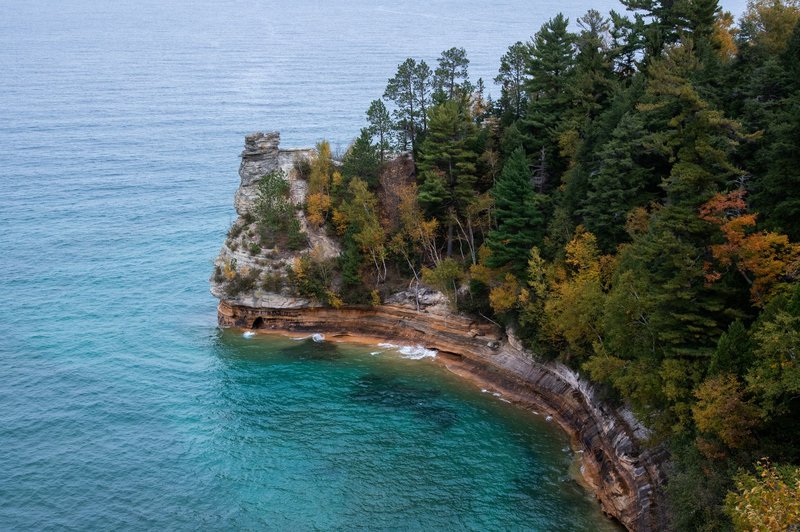
The Michigan-Wisconsin state line runs almost entirely along water — specifically the Menominee River, which drains into Green Bay at the bottom of the Upper Peninsula. That river border makes the line feel less arbitrary than most state lines. Towns grew up on both sides of it, connected by bridges and shared economies, split by accident of jurisdiction.
The crossing points most people use are US-41 (Menominee/Marinette), US-141 (Iron Mountain/Niagara area), US-45 (Ironwood/Hurley), and US-2 near the Wisconsin-UP corner. Each one has a distinct personality. This is what you’ll find at each.
Menominee, MI & Marinette, WI — The Anchor Pair
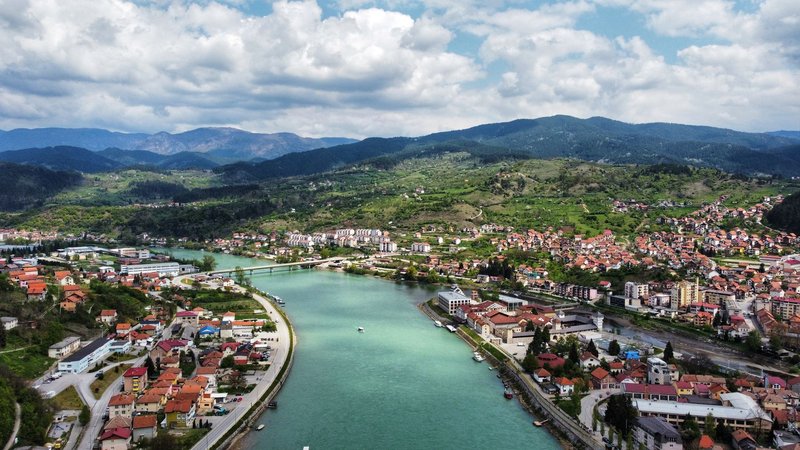
These two cities face each other across the Menominee River and have been economically and culturally intertwined for over a century. Marinette (Wisconsin side) is slightly larger; Menominee (Michigan side) has the older downtown and the lakefront.
What makes this pair worth a stop is the historical texture. Marinette was a lumber boom city — at one point it was processing more white pine than almost anywhere in the country. You can still read that past in the architecture: the late 1800s commercial buildings on Marinette’s main streets weren’t built to be modest. Menominee, for its part, has Menominee’s historic waterfront district, a stretch of Victorian-era storefronts along the bay that have been kept up unusually well for a small city of its size.
Cross the bridge and you’re in the other state. It takes about five minutes and costs nothing. The rivalry is friendly — both cities share a hospital, a newspaper (the Eagle Herald), and a Packer fandom that doesn’t pause at the state line.
Good reason to stop: Spies Public House in Menominee for a craft beer, and a walk along the Green Bay shoreline at sunset. If you’re coming through in summer, the waterfront has live music on weekends.
Iron Mountain, MI & Kingsford, WI
Iron Mountain sits just inside the Upper Peninsula on US-2/141, and Kingsford is right next door — so close they share an airport (Ford Airport, named for Henry Ford, who had timber interests here). Together with neighboring Norway, Michigan, these towns form a cluster that feels less like a border crossing and more like a single extended community that happens to straddle two states.
The draw here is the Cornish Pumping Engine and Mining Museum, which houses the largest steam-powered mine pump in the western hemisphere. It’s industrial heritage done right — the machine is enormous and genuinely impressive, not in a “they’re trying to make this interesting” way but in a “how did they build this in 1893” way.
Iron Mountain also sits at the edge of snowmobile country. If you’re passing through in winter, half the trucks in the parking lots will have sleds on trailers. In summer, it’s a quieter stop — good for gas, a meal, and a look at the Menominee River before heading further into the UP.
Ironwood, MI & Hurley, WI
US-45 connects Ironwood on the Michigan side with Hurley just across the line in Wisconsin. These two towns have a well-worn dynamic: Ironwood is the outdoors-and-skiing gateway, Hurley is the bar-and-casino strip.
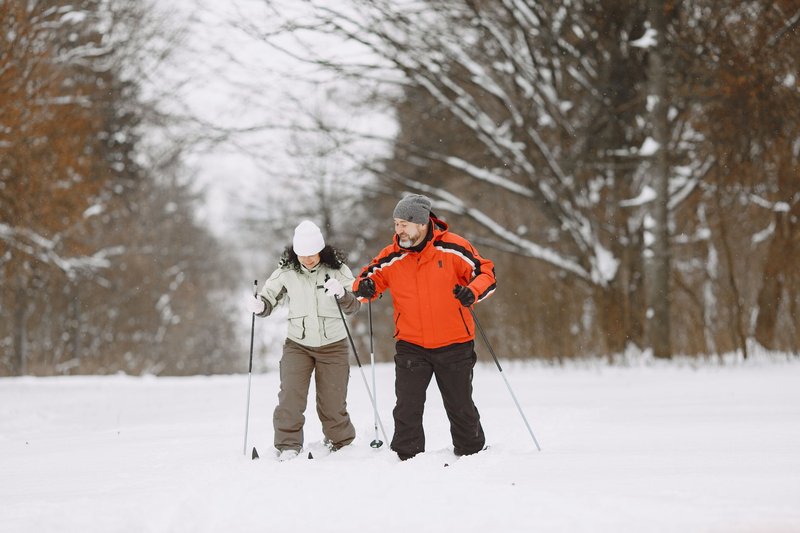
Ironwood is the snowiest city in the Great Lakes region that isn’t on Lake Superior’s northeast shore. Nearby Big Powderhorn and Blackjack ski areas attract serious skiers who don’t want Vail prices or Vail crowds. The terrain is legit — Blackjack drops 465 vertical feet, which sounds modest until you’re on it in a February ice crust.
Hurley, across the border, built its reputation differently. Silver Street has been a working-class entertainment district since the mining era — bars, taverns, and now a tribal casino. It’s unpretentious and a little rough around the edges, which is most of the appeal.
The area also carries a heavy Finnish and Scandinavian accent. Family names on mailboxes, pasty shops, Lutheran churches on corner lots — this is the cultural overlap zone where the UP’s immigrant heritage bleeds across the state line. The Finnish-American Heritage Center in Hancock, about 90 miles east, is the deep-dive option if that thread interests you.
Florence County Crossings
Florence County, Wisconsin pushes up against the UP’s Iron County and shares the Brule and Menominee rivers as a natural boundary. There’s no major city on either side — this is the crossing you use if you’re on a back-roads route between Wisconsin’s Northwoods and the UP interior.
The small town of Florence, WI (population around 1,900) functions as a last-services stop before some genuinely remote UP stretches. The surrounding area is all lakes, forest roads, and waterways that flow into the Menominee system. Anglers know this corner well; most other people drive through without realizing they’ve crossed a state line.
If you’re on a gravel-road route or doing a dispersed camping trip through the Nicolet National Forest into the Ottawa National Forest in the UP, this is where you transition between the two.
Planning a Wisconsin-to-UP Crossing
The most traveled route is straight north on US-41 from Green Bay to Menominee/Marinette, then continuing into the UP. It’s the fastest and most direct. US-141 through Iron Mountain adds about 30 minutes versus US-41 but puts you deeper into the UP interior without the lakeside tourist traffic.
US-45 through Hurley/Ironwood is the western approach — the right choice if you’re headed to Porcupine Mountains, the Keweenaw Peninsula, or any destination in the western UP. From Milwaukee, it’s roughly a four-hour drive to Ironwood.
A few practical notes:
- Gas prices typically run higher once you’re in the UP. Fill up in Marinette, Kingsford, or Hurley before crossing.
- Cell coverage drops off considerably in the UP interior. Download offline maps before you leave the border towns.
- Wisconsin requires a fishing license; Michigan requires a separate one. The border rivers (particularly the Menominee) can create confusion — check which bank you’re on.
The UP doesn’t announce itself dramatically at any of these crossings. No mountains, no dramatic geography shift. What changes is the quiet — fewer cars, longer gaps between towns, the sense that you’ve traded density for something else. These border towns are the last place you can hedge before committing to it.