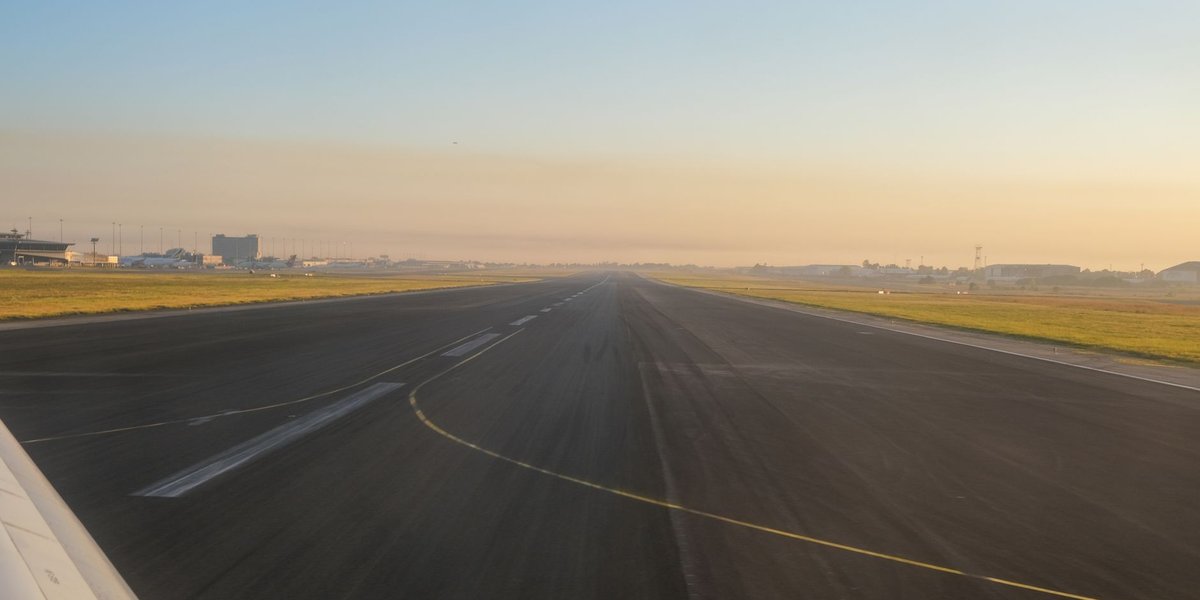
Ghana has more airports than most travelers realize, but only one that you’ll likely fly into from abroad. The rest are domestic — a mix of busy regional hubs, sleepy provincial strips, and a few WWII-era military fields that never quite found a second life. If you’re planning a trip, the practical question isn’t “how many airports does Ghana have?” It’s “which one do I actually need, and how do I get from it to where I’m going?”
This guide answers both. You get the full list with current IATA and ICAO codes up top, then the on-the-ground details the reference tables leave out: which airlines fly where, how far the terminal sits from the city center, and what each region actually unlocks.
Table of Contents
- Quick Answer: Ghana’s Airports at a Glance
- The Complete List of Airports in Ghana
- Kotoka International Airport (Accra)
- Domestic Airports in Ghana
- Practical Tips for Flying in Ghana
- Frequently Asked Questions
Quick Answer: Ghana’s Airports at a Glance {#quick-answer}
Ghana has one international gateway and a handful of domestic airports with scheduled passenger service. Here’s the short version:
- Flying into Ghana from abroad? You land at Kotoka International Airport (ACC) in Accra. There’s no realistic alternative for international arrivals.
- Flying within Ghana? Five airports carry regular domestic service: Kumasi (KMS), Tamale (TML), Sunyani (NYI), Ho (no scheduled service as of 2026), and Takoradi (TKD). Tamale also handles occasional international charters, mostly Hajj flights.
- Domestic carriers to know: Africa World Airlines, PassionAir, and (intermittently) others. Routes radiate out of Accra like spokes.
Everything else on the official list is a disused strip, a military field, or an airport without commercial flights. Useful to know they exist; not useful for booking a ticket.
The Complete List of Airports in Ghana {#complete-list}
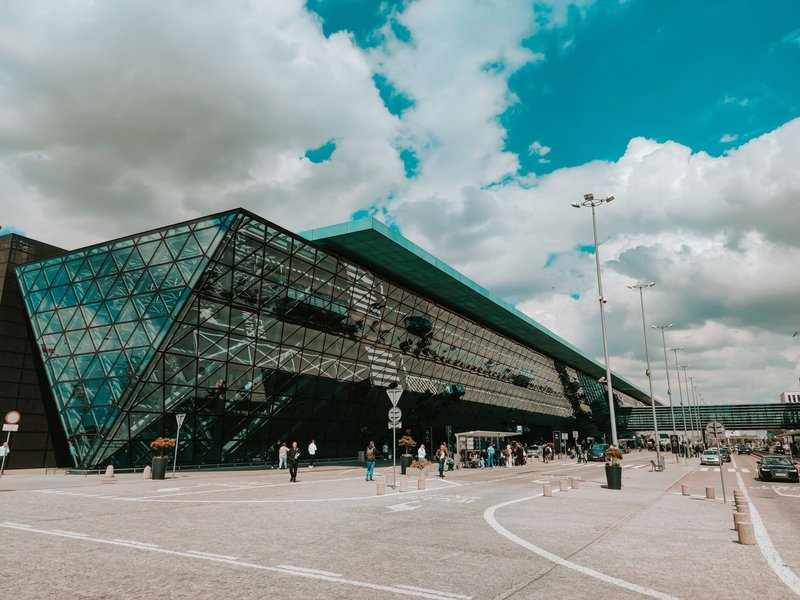
This is the full roster Ghana’s civil aviation authority recognizes, including the ones you can’t book a commercial flight to. Codes follow the standard format: IATA (the three-letter code on your boarding pass) and ICAO (the four-letter code used in flight planning).
| Airport | City / Region | IATA | ICAO | Type | Scheduled Service |
|---|---|---|---|---|---|
| Kotoka International Airport | Accra, Greater Accra | ACC | DGAA | International | Yes |
| Kumasi International Airport | Kumasi, Ashanti | KMS | DGSI | Domestic / International | Yes |
| Tamale International Airport | Tamale, Northern | TML | DGLE | Domestic / International | Yes |
| Sunyani Airport | Sunyani, Bono | NYI | DGSN | Domestic | Yes |
| Takoradi Airport | Sekondi-Takoradi, Western | TKD | DGTK | Domestic / Military | Limited |
| Ho Airport | Ho, Volta | — | DGAH | Domestic | No (built 2021, no regular flights) |
| Wa Airport | Wa, Upper West | — | DGLW | Domestic | No |
| Navrongo Airport | Navrongo, Upper East | — | DGSN | Domestic | No |
| Yendi Airport | Yendi, Northern | — | DGLY | Domestic | No |
A few of these — Wa, Yendi, Navrongo — are short strips with no current commercial flights, more relevant to aviation researchers than travelers. The ones that matter for a real trip are the top five.
Kotoka International Airport (Accra) {#kotoka}
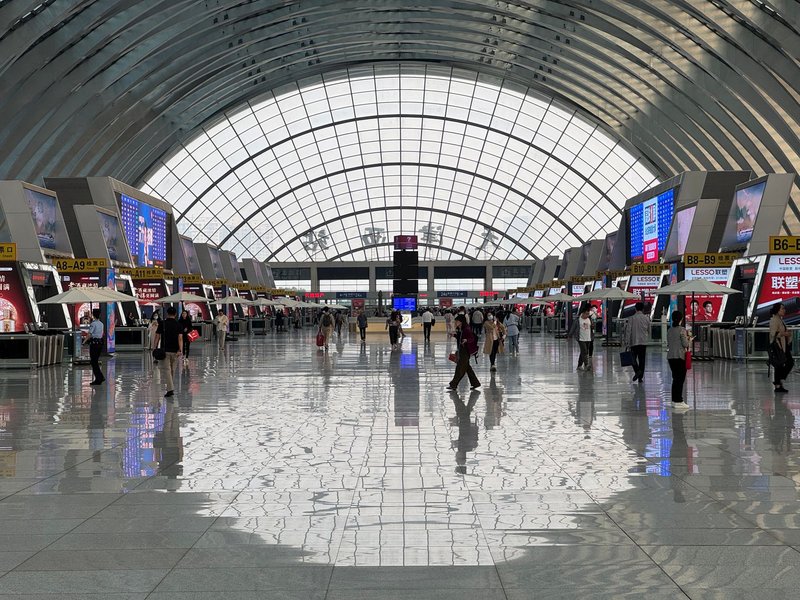
If you’re flying into Ghana, this is your airport. Full stop. Kotoka International Airport (ACC / DGAA) sits in the Airport Residential Area of Accra, about 10 kilometers northeast of the city center — close enough that the drive into town takes 20 to 40 minutes depending on traffic, which in Accra can mean anything.
The airport is named after Lieutenant General Emmanuel Kotoka, a figure from Ghana’s 1966 coup, and it’s the busiest airport in the country by a wide margin. Terminal 3, opened in 2018, handles all international traffic and was built to process around 5 million passengers a year. It’s a genuine upgrade — air-conditioned, with proper jet bridges, lounges, duty-free, and the usual restaurant and retail mix. The older Terminal 2 now handles domestic flights.
Airlines serving Kotoka include a strong roster of intercontinental and regional carriers: British Airways, KLM, Lufthansa, Turkish Airlines, Emirates, Qatar Airways, Delta, and Ethiopian Airlines, alongside African carriers like Kenya Airways, RwandAir, and Ghana’s own domestic operators. The route map skews toward Europe, the Gulf, and other African hubs.
Getting from Kotoka to the city: Skip the unmetered taxis that swarm arrivals if you can. Pre-booked transfers, hotel pickups, and ride-hailing apps (Bolt and Uber both operate in Accra) are cheaper and spare you the haggling. A ride to the central business district or to neighborhoods like Osu and Labadi is short by international-airport standards.
What Accra unlocks: Beyond the capital itself — with its nightlife in Osu, the markets, and Independence Square — Kotoka is your jumping-off point for the coast. Cape Coast and Elmina, with their UNESCO-listed slave castles, are a two-to-three-hour drive west. For the official line on entry requirements and airport operations, the Ghana Airports Company Limited publishes current information.
Domestic Airports in Ghana {#domestic-airports}
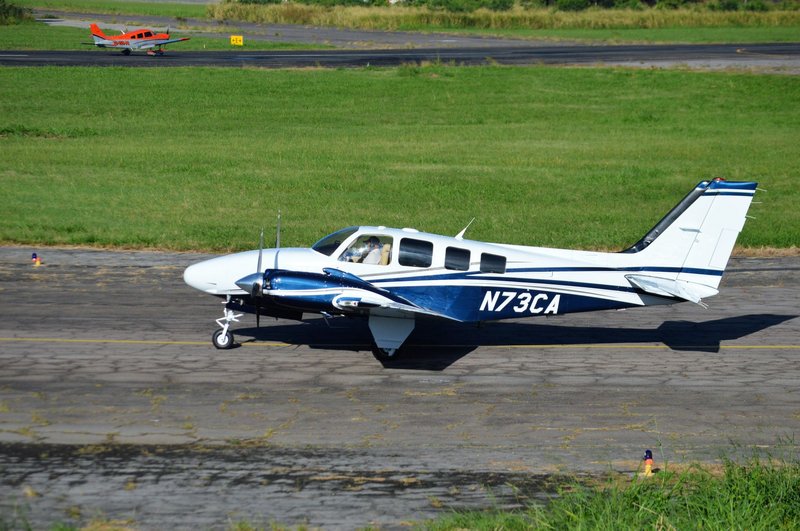
Ghana’s domestic network is simple: flights fan out from Accra to a few regional cities, almost always as direct hops. A domestic flight that would take eight or more hours by road shrinks to under an hour in the air, which is the whole reason the network exists. Roads between major Ghanaian cities are decent but long, and the drive north can be punishing.
Kumasi International Airport (KMS)
Kumasi is Ghana’s second city and the heart of the Ashanti Region, and Kumasi Airport (KMS / DGSI) is the busiest domestic destination. The airport reopened a rebuilt terminal in recent years and carries the “International” designation, though for now its scheduled passenger flights are domestic — primarily the Accra shuttle flown by Africa World Airlines and PassionAir, often several times a day.
The terminal sits close to the city, and Kumasi is worth the flight: it’s the center of Ashanti culture, home to the Manhyia Palace, the vast Kejetia Market (one of West Africa’s largest), and the gateway to Lake Bosomtwe, Ghana’s only natural lake.
Tamale International Airport (TML)
Tamale (TML / DGLE) serves the Northern Region and is the second airport in Ghana with an upgraded international-capable runway — long enough to handle wide-body aircraft, which is why it picks up international Hajj charters to Saudi Arabia. For most travelers, though, it’s a domestic hop from Accra.
Tamale is the practical base for visiting Mole National Park, Ghana’s largest wildlife reserve, where you can see elephants and antelope on walking safaris. The park is still a few hours’ drive from the airport, but flying to Tamale beats the full overland slog from Accra.
Sunyani Airport (NYI)
Sunyani (NYI / DGSN) is the smallest of the regularly-served airports, connecting the Bono Region to Accra. Service here has been on-and-off over the years depending on carrier schedules, so check current availability before counting on it. Sunyani is a quieter regional capital — useful if your business or family takes you there, less so as a tourist draw.
Takoradi Airport (TKD)
Takoradi (TKD / DGTK) serves the twin city of Sekondi-Takoradi in the Western Region and shares its airfield with the Ghana Air Force. Scheduled commercial service has fluctuated, driven largely by the region’s oil-and-gas industry — Takoradi is Ghana’s oil hub, and business travel to the energy sector is the main demand. The Western Region also has some of Ghana’s best, least-crowded beaches, like Busua and Axim, within driving distance.
Ho Airport
Ho Airport (DGAH) in the Volta Region was completed in 2021 with considerable fanfare but has yet to see sustained scheduled passenger service. It’s a real, modern airport waiting for a route. If you’re heading to the Volta Region — for the Wli Waterfalls or the monkey sanctuary at Tafi Atome — assume you’re driving for now.
Practical Tips for Flying in Ghana {#practical-tips}
A few things worth knowing before you book:
- Book domestic flights directly with the carriers. Africa World Airlines and PassionAir handle most domestic routes. Their schedules change seasonally, and prices are reasonable if you book a bit ahead.
- Build in buffer time at Kotoka. International departures from Accra can involve real queues. Three hours before a long-haul flight is sensible, especially around peak Christmas-season diaspora travel.
- Carry cash in cedis for ground transport. Card acceptance has improved, but taxis and some transfers still run on cash.
- Check visa requirements before you fly. Ghana introduced electronic and arrival visa options in recent years, but the rules shift. Confirm against an authoritative source — the U.S. Department of State maintains current entry and safety information for Ghana.
- Don’t over-plan around minor airports. If a route map shows a flight to Sunyani or Ho, verify it’s actually operating this season before building your itinerary around it.
The short version: fly into Accra, use domestic flights to skip the long northern drives, and treat anything beyond the five active airports as bonus trivia rather than a travel option.
Frequently Asked Questions {#faq}
How many airports does Ghana have? Ghana has roughly nine recognized airports and airfields, but only one international airport (Kotoka in Accra) and about five with scheduled or near-scheduled passenger service. The rest are disused or military-only strips.
What is the main airport in Ghana? Kotoka International Airport (ACC) in Accra. It handles virtually all of Ghana’s international traffic and is the busiest airport in the country.
What is the airport code for Accra, Ghana? The IATA code is ACC and the ICAO code is DGAA.
Are there domestic flights in Ghana? Yes. Carriers like Africa World Airlines and PassionAir fly between Accra and cities including Kumasi (KMS), Tamale (TML), and Takoradi (TKD), with flight times typically under an hour.
Can I fly internationally into Kumasi or Tamale? Both are designated international airports, but their regular international service is limited. Tamale handles seasonal Hajj charters; for nearly all international arrivals, you’ll route through Accra.
Which airport is closest to Mole National Park? Tamale International Airport (TML) is the closest, though the park is still a few hours away by road. Flying to Tamale from Accra avoids the long overland journey north.