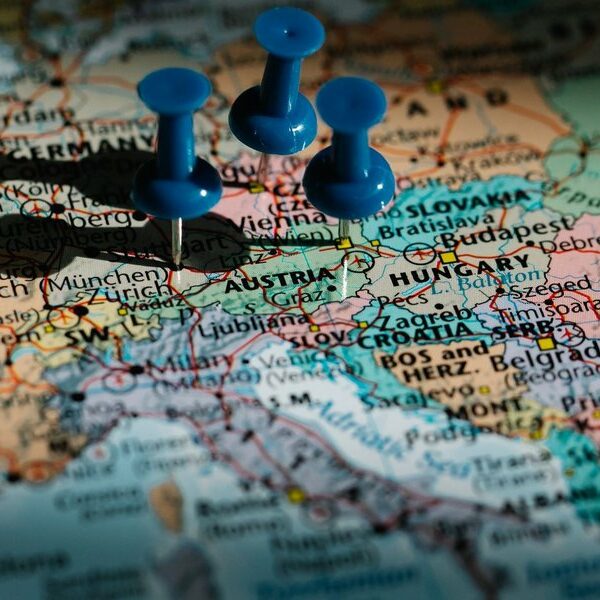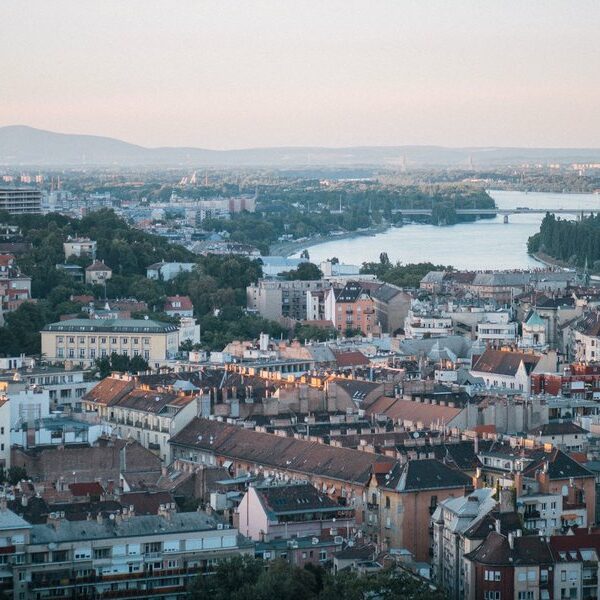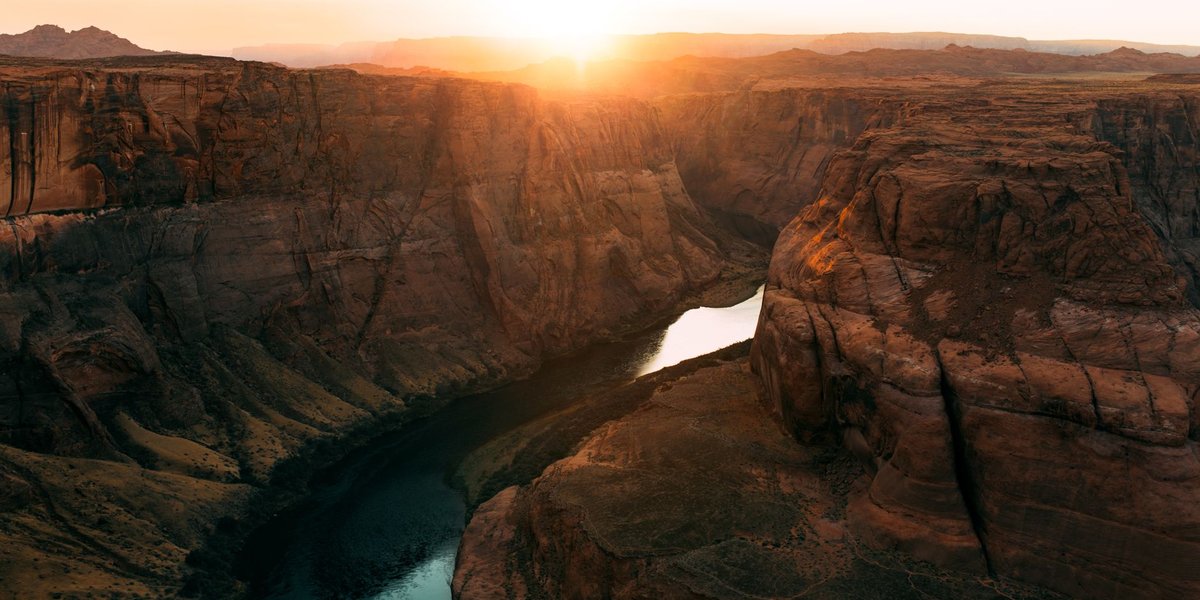
Most “rivers of Croatia” lists are really Wikipedia in disguise: a long table sorted by length, no indication of which of those sixty-odd waterways you could actually spend a day on. The reverse problem shows up on travel blogs — six rivers, no data, just “you can go kayaking here” repeated with different adjectives.
Croatia’s rivers split cleanly into two categories. The big lowland ones — Sava, Drava, Kupa — carry the country’s water toward the Danube and barely register with tourists. The short, steep karst rivers — Cetina, Krka, Zrmanja, Gacka — carve gorges through limestone on their way to the Adriatic, and those are the ones worth planning around. Here’s what’s actually there, ranked by size and then broken down by what you’d do when you show up.
Table of Contents
- Quick Answer
- Croatia’s Rivers at a Glance
- Sava
- Drava
- Kupa
- Korana
- Neretva
- Cetina
- Krka
- Zrmanja
- Gacka
- Best Time to Go
- Water Levels and Safety
Quick Answer
The Sava is the longest river in Croatia, and by a wide margin — it runs roughly 945 km from its source in the Julian Alps to its confluence with the Danube in Belgrade, though only part of that is inside Croatian territory. For visitors, though, the Sava isn’t the draw. If you want a river to build a day or two of travel around, look at the karst rivers on the Dalmatian side: the Cetina near Omiš for beginner-friendly rafting, the Krka for waterfalls and boat trips, and the Zrmanja near Obrovac for canyoning in a genuinely dramatic canyon.
Croatia’s Rivers at a Glance
| River | Length | Region | Drains Into |
|---|---|---|---|
| Sava | ~945 km (partly outside Croatia) | Central Croatia, through Zagreb | Danube, at Belgrade |
| Drava | ~707 km (~305 km in Croatia) | Podravina, northern Croatia | Danube |
| Kupa | ~296 km | Gorski Kotar / Central Croatia | Sava, at Sisak |
| Neretva | ~225 km (~20 km in Croatia) | Dalmatia, Neretva Delta | Adriatic Sea |
| Una | ~212 km (forms the Bosnia border) | Lika border region | Sava |
| Korana | ~134 km | Central Croatia, from Plitvice | Kupa, at Karlovac |
| Cetina | ~105 km | Dalmatian hinterland to Omiš | Adriatic Sea |
| Krka | ~72.5 km | Dalmatia, to Šibenik | Adriatic Sea |
| Zrmanja | ~69 km | North Dalmatia, near Obrovac | Novigrad Sea (Adriatic) |
| Gacka | ~34 km | Lika, near Otočac | Sinks into karst, toward Adriatic |
Lengths are approximate — karst rivers in particular are hard to measure precisely because sections run underground.
Sava
Croatia’s longest river starts in the Julian Alps and doesn’t get particularly scenic once it reaches the country — it’s a broad, brown, working river that cuts through the middle of Zagreb. That’s not a knock. It’s the reason Zagreb exists where it does, and the riverside is genuinely pleasant for an evening walk or a run.
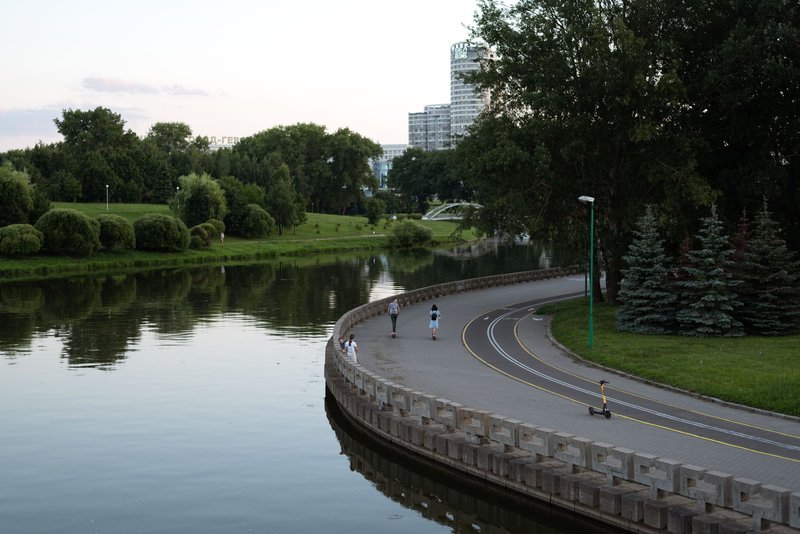
What locals actually use isn’t the Sava itself but Jarun, the artificial lake beside it that’s hosted World Rowing Championships and sits in what used to be a side channel of the river. If you want the Sava proper, rent a bike and ride the flood-defense paths south of the city — flat, quiet, and full of herons.
- Best activity: Riverside cycling, casual rowing at Jarun
- Difficulty: Easy, flat water
- Nearest town: Zagreb
- Best season: Late spring through early autumn
Drava
The Drava gets less attention than any river its size deserves. It arrives from Austria and Slovenia carrying glacial meltwater, spreads into wide gravel bars along the Croatia–Hungary border, and forms the backbone of the Mura-Drava-Danube Biosphere Reserve — one of Europe’s largest river-floodplain protected areas, and a genuine stronghold for white-tailed eagles and black storks.
Multi-day canoe trips down the Drava are a real thing, run out of towns like Varaždin and Osijek, and they’re closer to a wilderness float than anything else on this list — long stretches with no roads, no towns, just gravel islands and birdlife.
- Best activity: Multi-day canoe touring, birdwatching
- Difficulty: Easy-to-moderate; currents and gravel bars need respect
- Nearest town: Varaždin or Osijek, depending on the stretch
- Best season: Late spring to early summer, when water levels are highest
Kupa
Karlovac calls itself the “city on four rivers,” and the Kupa is the one that gets the attention — clear enough in places to see straight to the gravel bottom, and the traditional summer swimming spot for half of central Croatia. It rises at the base of Risnjak mountain in Gorski Kotar and forms part of the Croatia–Slovenia border before turning south to Sisak, where it joins the Sava.
- Best activity: Swimming, easy canoeing, riverside picnics
- Difficulty: Easy
- Nearest town: Karlovac
- Best season: July–August for swimming
Korana
The Korana is the river that leaves Plitvice Lakes National Park — the same tufa-forming process that builds Plitvice’s travertine barriers continues downstream, just without the crowds or the entry fee. At Slunj, the smaller Slunjčica river tumbles into the Korana across a set of watermills in the village of Rastoke, which is essentially Plitvice’s scenery with nobody checking tickets.
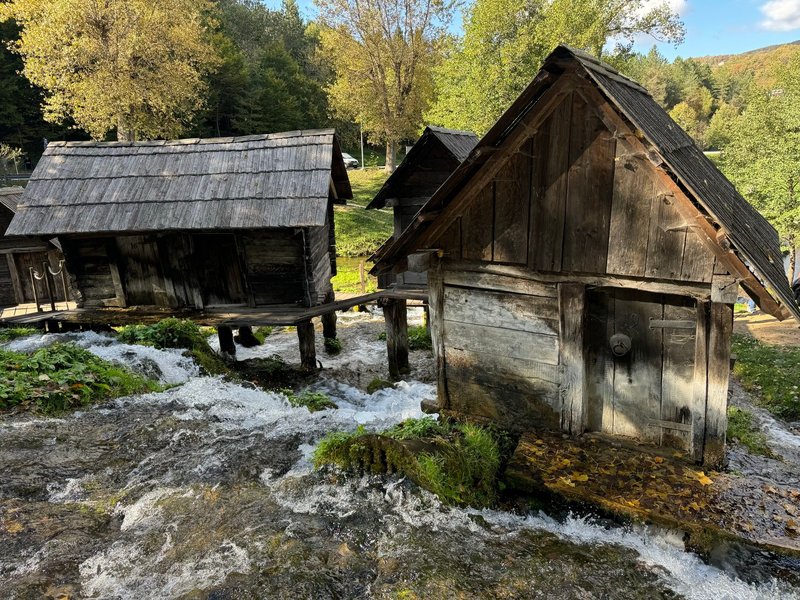
Below Slunj, the Korana calms into an easy paddle down to Karlovac, where it meets the Kupa.
- Best activity: Kayaking, visiting Rastoke, swimming near Barać Caves
- Difficulty: Easy, with a few mild rapids near Slunj
- Nearest town: Slunj or Karlovac
- Best season: Summer
Neretva
Most of the Neretva runs through the limestone gorges of Herzegovina before it crosses into Croatia near Metković and fans out into a wide, flat delta of mandarin orchards and reed channels. It’s the one river on this list where the point isn’t rafting — it’s slow boat travel through wetlands thick with herons and egrets, past farmers still working some plots by traditional flat-bottomed boat, the trupica.
The Neretva Boat Marathon, a long-distance rowing race down the river to the delta, is a genuine local institution rather than a tourist event, which is part of the appeal of timing a visit around it.
- Best activity: Delta boat tours, birdwatching
- Difficulty: Easy — this is a boat-tour river, not a paddling one
- Nearest town: Metković or Opuzen
- Best season: Spring for migratory birds, September–October for mandarin harvest
Cetina
The Cetina is where most first-time rafters in Croatia end up, and there’s a good reason: it rises from a deep karst spring at the foot of Dinara — Croatia’s highest peak — then cuts a steep, green gorge down to the Adriatic at Omiš, with enough current for genuine rapids but nothing that requires experience.
Rafting trips typically launch upstream and run down through the gorge, stopping at Radmanove mlinice, a 19th-century watermill complex turned restaurant that’s been feeding rafters and hikers for well over a century. Above the gorge, the ruins of a medieval fortress watch over Omiš from a cliff — a reminder that this stretch of coast was pirate territory for centuries before it was a rafting destination.
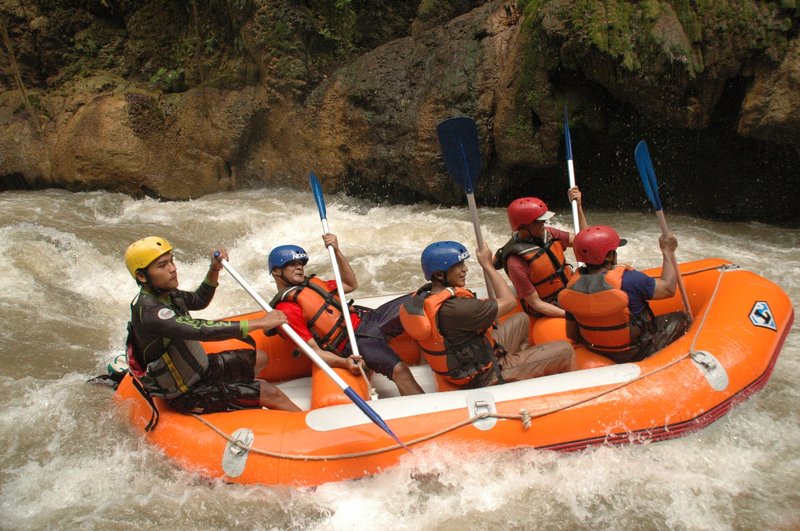
- Best activity: Rafting, canyoning, zip-lining across the gorge
- Difficulty: Moderate — mostly Grade I–II, beginner-friendly
- Nearest town: Omiš
- Best season: April through October; flow is strongest in spring
Krka
Krka National Park draws people for the waterfalls, and the waterfalls deliver — Skradinski buk in particular, a wide staircase of travertine cascades you can walk right up to on boardwalks. What catches people off guard is that you can no longer swim there. The park ended swimming at Skradinski buk in 2021 to stop erosion of the tufa formations, which had been forming for thousands of years and eroding much faster under thousands of visitors.
Further upstream, Roški slap is quieter and reachable by the park’s own boats, and the river passes Visovac, a tiny island with a 15th-century Franciscan monastery, on the way. It’s a walking-and-boat-cruise river now, not a swimming one — plan accordingly.
- Best activity: Waterfall walks, boat cruise to Roški slap, Visovac monastery
- Difficulty: Easy walking trails, no rafting inside the park
- Nearest town: Skradin
- Best season: Spring, when the falls run fullest; September for smaller crowds
Zrmanja
The Zrmanja canyon is the most dramatic piece of geography on this list and the least visited, which is exactly the gap the current top search results leave open. It rises from a karst spring near Gračac in Lika and carves a limestone canyon on its way to the Novigrad Sea near Obrovac — steep enough that German-Yugoslav Western films used it as stand-in Wild West scenery back in the 1960s, and it still looks the part.
Canyoning operators run trips with jumps and short rappels down waterfalls like Klačarski buk; rafting exists too, but the river runs shallower in high summer than the Cetina, so it’s worth checking water levels before booking rather than assuming a set itinerary.
- Best activity: Canyoning, with rafting when levels allow
- Difficulty: Moderate to advanced — expect jumps and short rappels
- Nearest town: Obrovac
- Best season: Spring for reliable water; check flow before a summer trip
Gacka
The Gacka is the river nobody puts on these lists, and fly fishers would probably prefer to keep it that way. It’s spring-fed, dead flat, and runs at a nearly constant cool temperature year-round, which makes it one of the best brown trout and grayling fisheries in Europe — a working destination for anglers rather than a photo stop.
It also flows entirely across the Lika karst before sinking underground and reappearing eventually near the coast, which is a fairly good example of how Croatia’s limestone geology actually works if you’re the kind of traveler who wants to understand the landscape, not just see it.
- Best activity: Licensed fly fishing (catch-and-release), gentle paddling
- Difficulty: Easy — no rapids
- Nearest town: Otočac
- Best season: Summer for comfort; fishing season varies by regulation, check locally before booking a guide
Best Time to Go
April through June covers the widest range of activities — spring rain keeps the karst rivers running full, waterfalls at Krka and Zrmanja are at their most dramatic, and the Neretva Delta is thick with migratory birds. July and August are best for swimming rivers like the Kupa and Korana, but the coastal karst rivers can run noticeably lower by late summer, especially the Zrmanja. September is the sweet spot for Krka and Cetina specifically — water’s still reasonable, crowds have thinned, and the weather’s still warm enough to get wet.
Water Levels and Safety
Croatia’s karst rivers can change flow fast after rain upstream, and a river that looks placid in a photo taken in May can run either much higher or much lower by August. The Croatian Meteorological and Hydrological Service publishes current hydrological data if you want a real read on conditions before booking a rafting or canyoning trip rather than relying on an operator’s marketing photos.
Life jackets are mandatory on all commercial rafting and canyoning trips, and reputable operators won’t run a trip in unsafe conditions regardless of what’s booked — treat a same-day cancellation as a sign the outfitter is doing its job, not a scam. For national parks, check current entry and reservation rules directly with the park — Krka in particular caps daily visitor numbers in peak season, and turning up without checking via the Croatian National Tourist Board or the park’s own site is the easiest way to lose a travel day standing at a gate.