Most phrasebook pages for Bosnia and Herzegovina read like they were written for a semester of night classes, not a five-day trip. Long vocabulary lists, no context for when you’d actually use any of it, and nothing about the one thing that trips up first-time visitors most: the country runs on two alphabets. This is the version you can screenshot before you land in Sarajevo and actually use.
Table of Contents
- The Language Situation, Explained Fast
- Greetings and Everyday Basics
- Ordering Ćevapi and Coffee
- Haggling in Baščaršija Market
- Getting Around Sarajevo’s Old Town
- Mosque and Church Etiquette Phrases
- Numbers and Money
- Taxi, Airbnb, and Hostel Small Talk
- Emergencies and Health
- Making Your Own Cheat Sheet
The Language Situation, Explained Fast
Bosnian, Croatian, and Serbian are close enough that linguists argue over whether they’re separate languages at all. Order coffee in Zagreb using a phrase you learned for Sarajevo and nobody blinks. The differences are mostly cosmetic — a handful of vocabulary swaps and some pronunciation quirks — which means everything below also gets you through Croatia and most of Serbia without much trouble.
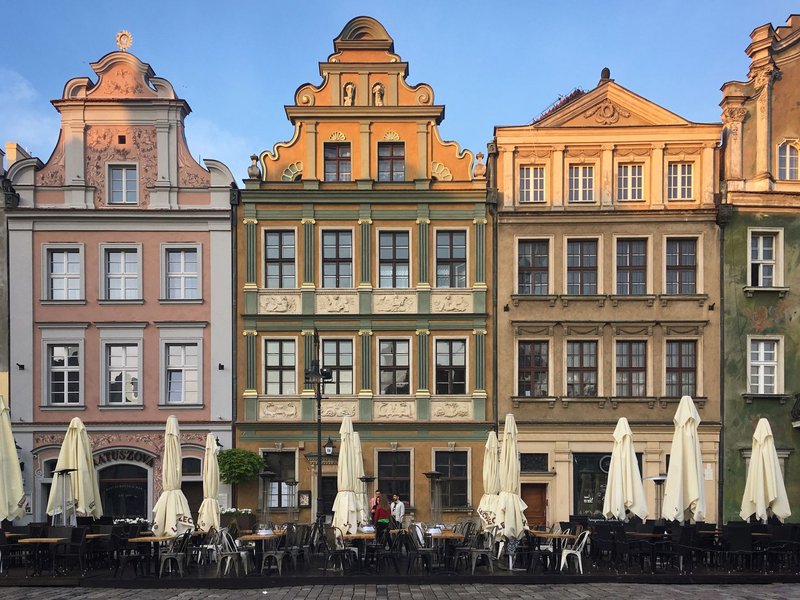
What actually changes country to country, and even town to town within Bosnia, is the alphabet. The Federation of Bosnia and Herzegovina — Sarajevo, Mostar, most of the tourist trail — signs everything in Latin script, so if you read English you can already sound out street names and menus. Cross into Republika Srpska, the country’s other constituent entity, and signage often switches to Cyrillic (АБВ instead of ABC). Both scripts are official nationwide and every Bosnian reads both, but as a visitor it’s worth knowing the switch is coming so a road sign in Banja Luka doesn’t look like a different country’s language.
Bosnian also carries a layer of Ottoman-era vocabulary that Croatian and Serbian dropped or never had — words like čaršija (market quarter), sokak (narrow street), and kafa (coffee, from the Turkish kahve). You’ll hear these constantly in Sarajevo’s old town, and they’re a small tell that you’re somewhere with a genuinely different history than the rest of the former Yugoslavia.
Greetings and Everyday Basics
| English | Bosnian | Pronunciation | When to use it |
|---|---|---|---|
| Hello (informal) | Zdravo | ZDRAH-voh | Cafés, shops, anyone under 40 |
| Good day (formal) | Dobar dan | DOH-bar dahn | Older locals, officials, first contact |
| Good morning | Dobro jutro | DOH-broh YOO-troh | Before roughly 10am |
| Goodbye | Doviđenja | doh-vee-JEH-nyah | Formal parting |
| Bye (casual) | Ćao | CHAH-oh | Leaving a café, saying bye to staff |
| Please | Molim | MOH-leem | Attach to any request |
| Thank you | Hvala | HVAH-lah | Say it more than feels necessary — it lands well |
| Thank you very much | Hvala puno | HVAH-lah POO-noh | Someone went out of their way for you |
| Yes / No | Da / Ne | dah / neh | — |
| Excuse me | Izvinite | eez-VEE-nee-teh | Squeezing past, getting attention |
| Do you speak English? | Govorite li engleski? | goh-VOH-ree-teh lee EN-gles-kee | Opens almost every interaction cleanly |
| I don’t understand | Ne razumijem | neh rah-ZOO-mee-yem | Better than nodding blankly |
Ordering Ćevapi and Coffee
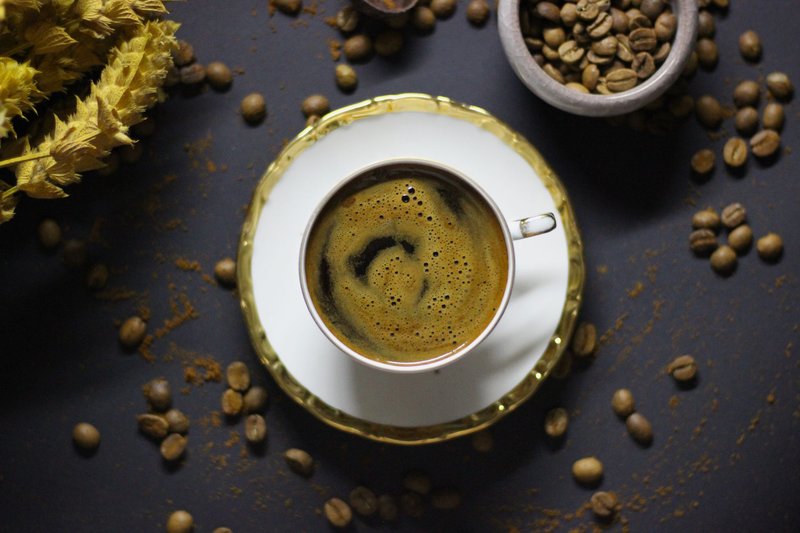
Sarajevo runs on two things: grilled meat and coffee that takes twenty minutes to drink properly. Bosnian coffee (bosanska kafa) comes unfiltered in a copper džezva with a lump of sugar and a piece of lokum on the side — it’s meant to be sipped slowly, not knocked back. Rushing it is a minor faux pas; nobody will say anything, but you’ll clock as a tourist immediately.
| English | Bosnian | Pronunciation | When to use it |
|---|---|---|---|
| One coffee, please | Jedna kafa, molim | YED-nah KAH-fah MOH-leem | Ordering Bosnian coffee |
| I’d like… | Ja bih… | yah beeh | Starting any food order |
| The bill, please | Račun, molim | RAH-choon MOH-leem | End of meal — bills rarely arrive unprompted |
| Cheers! | Živjeli! | ZHEE-vye-lee | Raising a glass, common with rakija |
| Without onions | Bez luka | behz LOO-kah | Ćevapi comes loaded with raw onion by default |
| Water | Voda | VOH-dah | — |
| It’s delicious | Ukusno je | oo-KOOS-noh yeh | Compliment a small family-run place directly |
A quick ordering tip: ćevapi is sold by count, not by dish — asking for “deset ćevapa” gets you ten grilled meat fingers in flatbread, which is a normal order for one hungry adult, not an oversized request.
Haggling in Baščaršija Market
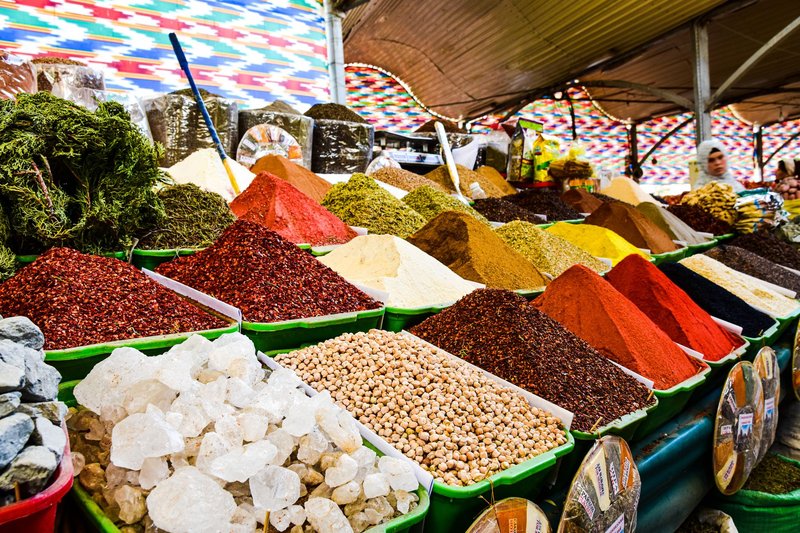
Baščaršija, Sarajevo’s Ottoman-era market quarter, still runs on some negotiation, especially at copper and textile stalls aimed at tourists rather than at grocery vendors. It’s gentler than markets in Istanbul or Marrakech — a light back-and-forth, not a full performance — but knowing a few phrases keeps you from paying the first number out of politeness.
| English | Bosnian | Pronunciation | When to use it |
|---|---|---|---|
| How much does this cost? | Koliko ovo košta? | KOH-lee-koh OH-voh KOSH-tah | Opening a purchase |
| That’s too expensive | To je preskupo | toh yeh preh-SKOO-poh | First counter to a quoted price |
| Can you lower the price a bit? | Možete li malo spustiti cijenu? | MOH-zheh-teh lee MAH-loh SPOOS-tee-tee TSYEH-noo | Negotiating politely |
| I’ll take it | Uzet ću | OO-zet choo | Closing the deal |
| Do you have…? | Imate li…? | EE-mah-teh lee | Asking for a size, color, or item |
Getting Around Sarajevo’s Old Town
Sarajevo’s old town is walkable and confusingly laid out at the same time — narrow, angled streets that don’t follow a grid, which is part of the charm and part of the problem. These phrases handle the basics without needing a data connection.
| English | Bosnian | Pronunciation | When to use it |
|---|---|---|---|
| Where is…? | Gdje je…? | g’dyeh yeh | Asking directions to a landmark |
| Old Town | Stari Grad | STAH-ree grahd | Sarajevo and Mostar both use this name |
| Left / Right / Straight | Lijevo / Desno / Pravo | lee-YEH-voh / DES-noh / PRAH-voh | Following directions |
| Is it far? | Je li daleko? | yeh lee dah-LEH-koh | Deciding whether to walk or grab a taxi |
| Bus station | Autobuska stanica | ow-toh-BOOS-kah STAH-nee-tsah | Day trips to Mostar, Neum, or Trebević |
Mosque and Church Etiquette Phrases
Sarajevo’s old town packs mosques, a Catholic cathedral, an Orthodox church, and a synagogue into a few walkable blocks — a density that says more about the city’s history than any museum plaque. Gazi Husrev-beg Mosque, the largest Ottoman-era mosque in the Balkans, welcomes respectful visitors outside prayer times, and a couple of phrases go further than just pointing at your camera.
| English | Bosnian | Pronunciation | When to use it |
|---|---|---|---|
| Can I enter? | Mogu li ući? | MOH-goo lee OO-chee | Checking before stepping into a place of worship |
| Is photography allowed? | Je li fotografisanje dozvoljeno? | yeh lee foh-toh-grah-FEE-sah-nyeh dohz-VOH-lyeh-noh | Before raising your phone inside |
| Thank you for letting me visit | Hvala što ste mi dozvolili posjetu | HVAH-lah shtoh steh mee dohz-VOH-lee-lee POH-syeh-too | Leaving |
Cover your shoulders and knees before entering any mosque, and women should carry a scarf — most mosques that see regular tourist traffic keep loaner ones at the door, but it’s not guaranteed everywhere.
Numbers and Money
| Number | Bosnian | Pronunciation |
|---|---|---|
| 1 | jedan | YEH-dahn |
| 2 | dva | dvah |
| 3 | tri | tree |
| 4 | četiri | CHEH-tee-ree |
| 5 | pet | peht |
| 6 | šest | shest |
| 7 | sedam | SEH-dahm |
| 8 | osam | OH-sahm |
| 9 | devet | DEH-veht |
| 10 | deset | DEH-seht |
Bosnia and Herzegovina uses the convertible mark (KM or BAM), pegged to the euro, and most old-town vendors, taxis, and small restaurants still expect cash — cards get patchy fast once you’re outside central Sarajevo or Mostar.
Taxi, Airbnb, and Hostel Small Talk
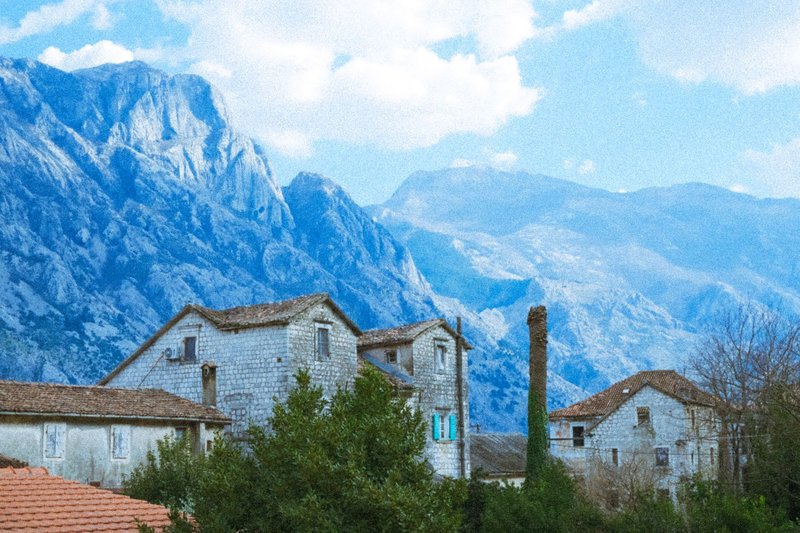
Sarajevans and the mountain-town hosts you’ll meet on the way to Trebević or Bjelašnica are, on balance, some of the more talkative people you’ll travel among — a short taxi ride can turn into a genuine conversation if you give it an opening.
| English | Bosnian | Pronunciation | When to use it |
|---|---|---|---|
| Where are you from? | Odakle si? | OH-dah-kleh see | Small talk starter, works both directions |
| I’m from… | Ja sam iz… | yah sahm eez | Answering the above |
| Is there wifi? | Ima li wifi? | EE-mah lee wifi | Check-in at a hostel or Airbnb |
| What time is check-out? | U koliko sati je odjava? | oo KOH-lee-koh SAH-tee yeh OHD-yah-vah | Booking logistics |
| See you tomorrow | Vidimo se sutra | VEE-dee-moh seh SOO-trah | Parting with a host or new hostel friend |
Emergencies and Health
Hopefully you never need this table, but it’s the one worth memorizing rather than just screenshotting.
| English | Bosnian | Pronunciation |
|---|---|---|
| Help! | Upomoć! | oo-POH-moch |
| I need a doctor | Treba mi doktor | TREH-bah mee DOK-tor |
| Call the police | Zovite policiju | ZOH-vee-teh poh-LEE-tsee-yoo |
| Where is the hospital? | Gdje je bolnica? | g’dyeh yeh BOHL-nee-tsah |
| I’m lost | Izgubio/izgubila sam se | eez-GOO-bee-oh / eez-goo-BEE-lah sahm seh |
The general emergency number in Bosnia and Herzegovina is 112, and it’s worth saving before you land rather than looking it up mid-crisis. Current safety and entry guidance for the country is also worth a check through the US State Department’s country page before you go, since conditions like road quality in mountain regions and remaining minefield-marked areas from the 1990s war are things a phrasebook won’t tell you.
Making Your Own Cheat Sheet
Skip the twelve-page PDF phrasebooks. Screenshot the tables above, or copy the dozen phrases you’re actually likely to use — greetings, “how much,” “where is,” and the emergency table — onto a single note on your phone that works offline. That’s genuinely all most trips need.
One more thing worth knowing before you go: Bosnian, Croatian, and Serbian are officially recognized as three distinct standard languages, but the linguistic overlap is documented well enough that the CIA World Factbook lists all three as official or in official use across the country depending on entity — a rare case where a government reference confirms what every traveler notices within a day of arriving. If your Bosnia trip stretches to Mostar, the same phrases carry you straight through to the UNESCO-listed Old Bridge area, no adjustment needed.