Table of Contents
- Mozambique’s Airports at a Glance
- Which Airports Actually Have International Flights
- How LAM Mozambique Airlines Connects the Country
- Getting From the Airport Into Town
- Which Airport Should You Fly Into
- Visa, Entry, and Health Notes at Mozambique’s Airports
Mozambique doesn’t have one airport that does everything. It has one that does most of it — Maputo — and a dozen smaller strips scattered from the South African border up to the Tanzanian one, each built to serve a coastline, a mining region, or an archipelago rather than a country as a whole. If you’re trying to figure out which airport gets you where, the code on your ticket matters more than the country name does.
Mozambique’s Airports at a Glance
Here’s the short version: Maputo (MPM) is the only airport with reliable, scheduled long-haul international service. Everything else runs through LAM Mozambique Airlines’ domestic network, with a handful of routes that pick up seasonal or charter international traffic. If you just need the reference table, here it is.
| Airport | IATA | ICAO | City / Region | Scheduled International Service |
|---|---|---|---|---|
| Maputo International Airport | MPM | FQMA | Maputo (capital) | Yes — primary gateway |
| Beira International Airport | BEW | FQBR | Beira, Sofala | Domestic hub, occasional regional |
| Nampula International Airport | APL | FQNP | Nampula | Domestic hub, occasional regional |
| Pemba Airport | POL | FQPB | Pemba, Cabo Delgado | Periodic direct regional flights |
| Nacala Airport | MNC | FQNA | Nacala, Nampula province | Domestic |
| Vilanculos Airport | VNX | FQVL | Vilanculos, Inhambane province | Domestic + charter to lodges |
| Inhambane Airport | INH | FQIN | Inhambane (Tofo/Barra area) | Domestic + seasonal charter |
| Quelimane Airport | UEL | FQQL | Quelimane, Zambezia | Domestic |
| Tete Chingozi Airport | TET | FQTT | Tete | Domestic |
| Lichinga Airport | VXC | FQLC | Lichinga, Niassa | Domestic |
| Chimoio Airport | VPY | FQCH | Chimoio, Manica | Domestic |
| Xai-Xai Airport | VXX | FQXA | Xai-Xai, Gaza | Domestic |
Every one of these is a LAM Mozambique destination. Not every one of them has a paved runway long enough for anything bigger than a turboprop, which is worth knowing before you book a connection with a tight layover.
Which Airports Actually Have International Flights
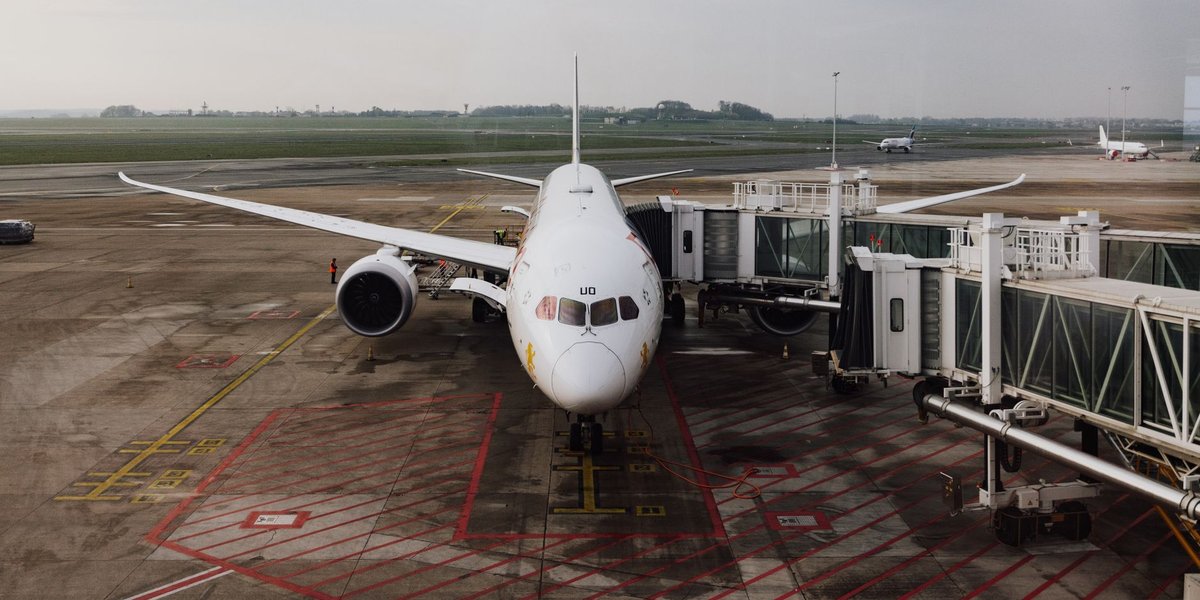
Maputo is the real answer. It’s where South African Airlink and Airlink competitors fly in from Johannesburg multiple times a day, where TAP Air Portugal runs the direct Lisbon route that most European travelers use to reach the country, and where Ethiopian Airlines and Qatar Airways route their African and Middle Eastern connections. If your flight itinerary shows Mozambique as a final destination coming from outside the continent, you’re almost certainly landing at MPM.
Beira, Nampula, and Pemba are a different story. All three have picked up direct international flights at various points — usually to Johannesburg — driven less by tourism demand than by industry. Pemba in particular has seen airlines add and drop Johannesburg service tied to the liquefied natural gas projects developing along the Cabo Delgado coast. None of these routes are guaranteed year-round, so if your trip depends on flying directly into one of them from outside Mozambique, check current schedules before you build an itinerary around it. The safe assumption is Maputo in, then a domestic connection out.
How LAM Mozambique Airlines Connects the Country
LAM Mozambique Airlines (Linhas Aéreas de Moçambique) is the flag carrier, and it runs the domestic network the way a hub-and-spoke system is supposed to work: almost everything connects through Maputo. Want to get from Pemba to Vilanculos? You’re very likely routing through the capital rather than flying point to point, even though a direct line on a map looks shorter.
That matters for trip planning in two ways. First, build in buffer time between domestic legs — LAM’s fleet is small relative to the distances it covers, and delays cascade. Second, if you’re visiting multiple regions (say, Gorongosa National Park near Chimoio and then the beaches around Vilanculos), price out whether flying both legs actually beats driving one of them; Mozambique’s north-south distances are longer than they look, but so are some of the flight connection times.
Getting From the Airport Into Town
Maputo International Airport sits about 3 km from the city center — close enough that a taxi ride runs 15 to 20 minutes without traffic, longer during the evening rush. Metered taxis and app-based rides both operate here; agree on a price before getting in if you’re using an unmetered cab.
Beira and Nampula airports are similarly close to their respective downtowns, both under a 20-minute drive, and hotel shuttles are common for anyone booked through a mid-range or upscale property.
Vilanculos and Pemba work differently, because most travelers arriving there aren’t headed into town at all. Vilanculos Airport exists primarily to funnel people onto boats and light aircraft bound for the Bazaruto Archipelago — most lodges on Bazaruto, Benguerra, and Magaruque islands arrange a transfer directly from the airport apron to a private boat, skipping Vilanculos town completely. Pemba follows the same logic for travelers heading to the Quirimbas Archipelago: expect a lodge-arranged transfer rather than a taxi rank.
Which Airport Should You Fly Into
This is the question the reference sites skip, and it’s the one that actually decides your trip.
Flying into Maputo makes sense if the capital itself is on your itinerary, if you’re combining Mozambique with a South Africa trip (Johannesburg connections are frequent and short), or if you’re heading south along the coast to Inhambane, Tofo, or Ponta do Ouro — all reachable by road from Maputo in a few hours.
Flying into Vilanculos is the move for the Bazaruto Archipelago. Skip routing through Maputo and back out if your entire trip is beach-and-dive focused around Bazaruto, Benguerra, or Magaruque — most international travelers connect through Johannesburg and then take the shorter domestic hop straight to Vilanculos rather than adding a Maputo leg.
Flying into Pemba is the answer for the Quirimbas Archipelago and the northern dive sites around Ibo Island. It’s a longer domestic connection from Maputo, so factor that into your timeline — this isn’t a same-day add-on to a Maputo trip.
Flying into Inhambane works well if Tofo Beach or Barra is your main destination and you don’t need Vilanculos or points further north; it’s closer to Maputo by both flight time and road distance than Vilanculos is.
Flying into Beira or Chimoio makes sense specifically for Gorongosa National Park, whose restoration from a war-devastated ecosystem into one of Africa’s more remarkable wildlife recovery stories has drawn international coverage, including from National Geographic. Beira is the closer airport; Chimoio can work as an alternate depending on your ground transport plan.
Visa, Entry, and Health Notes at Mozambique’s Airports
Most nationalities can get a visa on arrival at Mozambique’s international airports, Maputo included, though an e-visa applied for in advance is generally faster and avoids the arrival-hall line. Requirements and fees change, so check the current entry rules on your government’s travel advisory page or Mozambique’s official visa portal before you fly — the U.S. State Department’s Mozambique travel page is a reliable starting point for entry requirements and safety updates.
Yellow fever vaccination certificates are required for travelers arriving from countries with risk of yellow fever transmission — bring your certificate if that applies to your routing, since it can be checked on arrival. Malaria risk exists across the country, including in Maputo, and the CDC’s travel health guidance for Mozambique covers prophylaxis recommendations worth reviewing before you go, especially if your trip includes the Bazaruto or Quirimbas archipelagos where you’ll spend time outdoors at dawn and dusk.
One more thing worth knowing if your trip includes Bazaruto: the archipelago is a protected marine park and home to one of the last viable dugong populations in the western Indian Ocean, a status documented by the IUCN. It’s a good reason to book a marine-park-registered operator for any boat excursions rather than an informal one.