TLDR
Zimbabwe recognizes 16 official languages under its 2013 Constitution — more than any other country on record. Shona is the majority language (spoken by roughly 70-87% of the population), followed by Ndebele (around 20%) and English, which still runs the courts, schools, and government paperwork. The other 13 are minority and regional languages, including Sign Language and Tjwao, a Khoe dialect now down to fewer than a dozen fluent speakers. Below: the full list, a breakdown of who speaks what and where, why the constitution went from 3 languages to 16, and a handful of Shona and Ndebele phrases worth knowing before you go.
Table of Contents
- The 16 Official Languages, at a Glance
- Who Speaks What: A Regional Breakdown
- Why Zimbabwe Has 16 Official Languages
- The Language on the Brink: Tjwao
- Shona vs. Ndebele: What’s the Difference?
- Useful Shona and Ndebele Phrases for Travelers
The 16 Official Languages, at a Glance
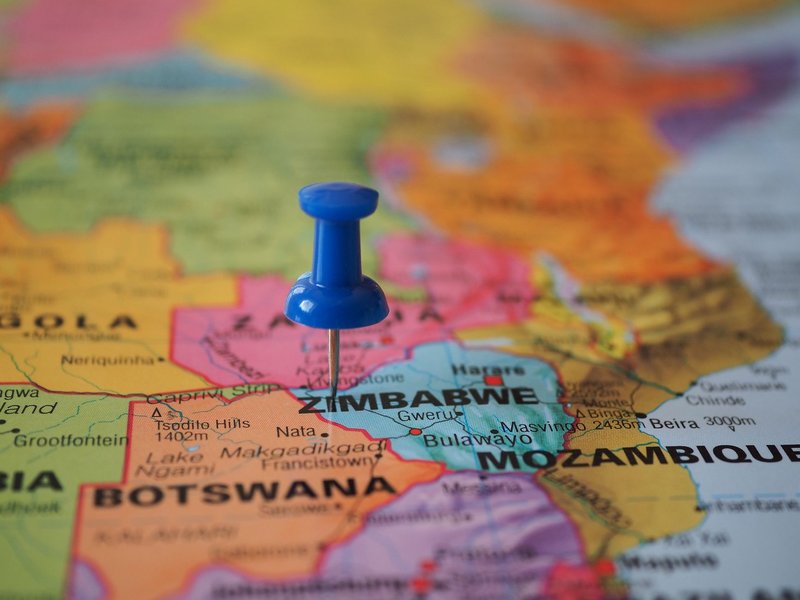
Section 6 of Zimbabwe’s Constitution, adopted in May 2013, names sixteen languages with equal official status:
- Chewa
- Chibarwe
- English
- Kalanga
- Koisan (the constitutional name for Tjwao)
- Nambya
- Ndau
- Ndebele
- Shangani
- Shona
- Sign Language
- Sotho
- Tonga
- Tswana
- Venda
- Xhosa
That count earned Zimbabwe a Guinness World Record for the most official languages of any nation — India comes closest with 22 scheduled languages, but those are tied to specific states rather than recognized nationwide the way Zimbabwe’s are. No other country lists a sign language alongside its spoken ones in the constitutional text itself, which is its own quiet distinction.
Who Speaks What: A Regional Breakdown
Two languages carry most of the country. Everything else is regional, and some of it is barely hanging on.
| Language | Approx. % of Speakers | Where It’s Concentrated |
|---|---|---|
| Shona | 70-87% | Central, eastern, and northern Zimbabwe; Harare |
| Ndebele | 15-20% | Bulawayo and Matabeleland provinces |
| English | Official/administrative use nationwide | Government, courts, higher education |
| Tonga | ~1-2% | Zambezi Valley, Binga district |
| Kalanga | ~1-2% | Southwestern Matabeleland, near Botswana border |
| Nambya | <1% | Hwange district |
| Venda | <1% | South, near the Limpopo border |
| Shangani (Tsonga) | <1% | Chiredzi and the southeastern lowveld |
| Sotho | <1% | Southwestern border areas |
| Tswana | <1% | Plumtree and the western border |
| Ndau | <1% | Chipinge and Chimanimani, eastern highlands |
| Chewa (Nyanja) | <1% | Communities with Malawian and Zambian ancestry |
| Chibarwe | <1% | Mberengwa and Mbire districts |
| Xhosa | <1% | Descendants of 19th-century Ndebele-Xhosa migrations |
| Sign Language | Used by the Deaf community nationwide | No single region |
| Koisan (Tjwao) | Fewer than a dozen fluent speakers | Tsholotsho district |
Shona itself isn’t one uniform language — it’s a cluster of dialects (Zezuru, Karanga, Manyika, Ndau in some classifications, Korekore) mutually intelligible enough to be taught and broadcast as a single standard. Ndebele works the same way, absorbing Kalanga and Sotho influence the closer you get to the Botswana border.
Why Zimbabwe Has 16 Official Languages
The 1980 constitution, drafted at independence, named exactly three official languages: English, Shona, and Ndebele. Everything else was culturally present but legally invisible — no right to be taught in Tonga, no obligation to publish government material in Kalanga, no recognition that Zimbabwe’s Deaf population communicated in a language at all.
The 2013 constitutional overhaul, negotiated as part of the power-sharing government that followed the disputed 2008 election, rewrote that. The drafting committee ran public consultations across all ten provinces, and minority-language communities used the process to argue that “official” status wasn’t symbolic — it determined what got taught in local schools, what appeared on ballots, and what counted as a language worth preserving rather than letting fade into Shona or Ndebele by default.
Section 6 doesn’t just list sixteen names — it obligates the state to “promote and advance the use of all languages” and directs an Act of Parliament to establish a Languages Commission tasked with developing and promoting the smaller ones specifically, not just the two that dominate by population. In practice, implementation has been slow: English still runs the courts and most secondary education, and a 2024 push to draft dedicated language-preservation legislation was still being reported on years after the constitution took effect. The legal recognition came first; the infrastructure to make sixteen languages functionally equal is still catching up.
The Language on the Brink: Tjwao
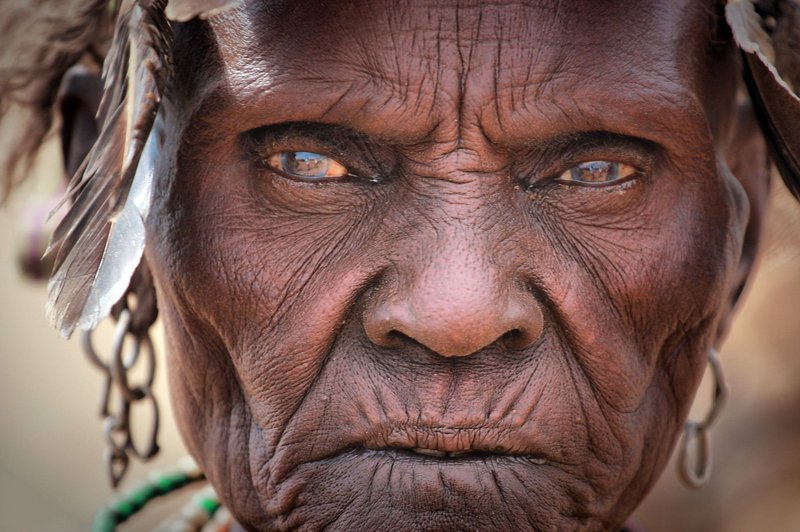
Buried inside the “Koisan” entry on the official list is Tjwao (formerly spelled Tshwao), a Khoe language spoken in the Tsholotsho district near the Botswana border. It’s the only Khoisan-family language in Zimbabwe, distinct from every other tongue on the list, which are all Bantu languages or English.
Tjwao’s fluent speaker count has been estimated at under eight people, all of them elderly, with a further hundred or so who understand it passively but don’t speak it day to day. That makes it one of the most endangered languages on the African continent — a language with full constitutional status that could functionally disappear within a generation regardless of what the law says. Researchers working with UNESCO’s endangered-language tracking have flagged it as critically endangered, the classification one step above extinct.
The gap between Tjwao’s legal status and its real-world survival is the clearest illustration of what Section 6 is up against: a name on a constitutional list doesn’t teach a language to a new speaker.
Shona vs. Ndebele: What’s the Difference?
They’re not dialects of each other — they belong to different branches of the Bantu language family entirely, and a Shona speaker can’t casually understand Ndebele or vice versa.
Shona descends from the Shona-Manyika-Karanga cluster and dominates the Mashonaland provinces and Harare. Ndebele is a Nguni language, closely related to Zulu (the Ndebele people trace their origins to a 19th-century migration led by Mzilikazi, a former Zulu general), and it’s concentrated around Bulawayo and Matabeleland. The clicks that show up in some Ndebele words — borrowed from Nguni contact with Khoisan languages further south — don’t exist in Shona at all.
Politically, the Shona-Ndebele split has tracked onto regional and, at times, party-political divides since independence, which is part of why the 2013 constitution’s expansion to sixteen languages read as significant beyond linguistics — it was also a statement that Zimbabwe’s national identity wasn’t just a two-language, two-region story.
Useful Shona and Ndebele Phrases for Travelers
English gets you through hotels, national parks, and most tourist-facing business — it’s still the primary language of commerce and government. But a few words in Shona or Ndebele, especially outside Harare and Bulawayo, land better than you’d expect.
Shona:
- Mhoro — Hello
- Makadii — How are you? (formal/plural)
- Ndatenda — Thank you
- Chisarai — Goodbye (to someone staying)
Ndebele:
- Sawubona — Hello
- Unjani — How are you?
- Ngiyabonga — Thank you
- Sala kuhle — Goodbye (to someone staying)
Neither list will get you through a negotiation, but greeting someone in their own language before switching to English is a small gesture that tends to open doors — particularly in rural Matabeleland or the eastern highlands, where English is a second or third language rather than a first one.