

Quick note before anything else: if you landed here because you’re a foreigner trying to visit Indonesia, this isn’t your page — you want the visa-free-entry-to-Indonesia list, which is a completely different set of countries running the other direction. This page is for Indonesian passport holders figuring out where they can go.
TLDR
Indonesian passport holders can enter somewhere between 70 and 78 destinations without applying for a visa in advance, depending on how you count visa-on-arrival and conditional exemptions. The gap isn’t a typo — different trackers count differently, and we explain why below. Most of that access is visa-on-arrival (Africa, parts of the Middle East, a chunk of the Caribbean), not true visa-free. The countries Indonesians actually fly to most — Japan, South Korea, most of ASEAN, Turkey — each have their own quirks worth knowing before you book.
Table of Contents
- How many countries, really?
- The full list, by region
- Where Indonesians actually go
- Pre-trip checklist
- Last verified
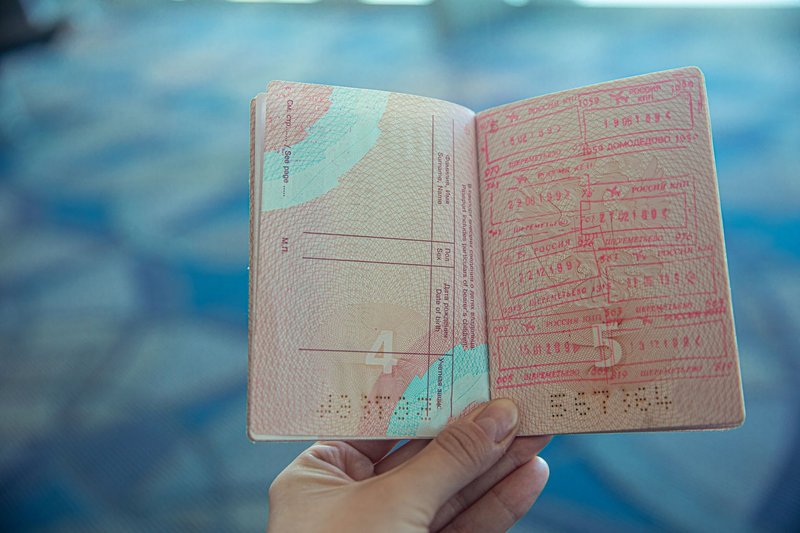
How many countries, really?
Search “Indonesia passport visa-free countries” and you’ll get a different number from every site: 78, 76, 71, 70. One tracker puts Indonesia at 68th globally; another says 64th, several months apart. None of them are lying to you.
Three things cause the spread. First, the Henley Passport Index — the source most of these sites pull from — updates quarterly, and a country’s score shifts as bilateral agreements change, so a figure from early 2026 and one from mid-2026 won’t match even on the same passport. Second, “visa-free” gets used loosely. Some counts lump in visa-on-arrival and e-visa destinations as if they’re the same as a true visa waiver; others count only pure visa-free entry. That alone swings the number by 20 or 30 countries. Third, conditional arrangements like Japan’s e-passport exemption (more on that below) get counted as “visa-free” by some trackers and left out entirely by others, because it isn’t really either — it’s a registration scheme that functions like a visa waiver but isn’t automatic.
The honest answer: roughly 70 destinations require no advance visa application, split fairly evenly between true visa-free entry and visa-on-arrival. Treat any single number you see — including the ones in this article — as a snapshot, not a permanent fact. Passport rules move.
The full list, by region
This groups destinations by region and shows the entry type and typical maximum stay. “VOA” means visa-on-arrival — you still pay a fee and get stamped at the border, but you don’t file paperwork beforehand.
| Region | Countries | Entry type | Typical max stay |
|---|---|---|---|
| Southeast Asia (ASEAN) | Malaysia, Singapore, Thailand, Vietnam, Philippines, Cambodia, Laos, Brunei | Visa-free | 30 days |
| Southeast Asia | Myanmar | Visa-free | 14 days |
| East Asia | Hong Kong, Macau | Visa-free | 30 days |
| East Asia | Japan | Conditional exemption (e-passport registration) | 15 days |
| East Asia | South Korea | Visa generally required; group-tour trial program only | 15 days (trial only) |
| Middle East | Turkey, Morocco | Visa-free | 30 days |
| Pacific | Fiji | Visa-free | 120 days |
| Pacific | Other Pacific island states | Visa-free/VOA | 30 days |
| Africa | Seychelles, Gambia | Visa-free | 90 days |
| Africa | Most other African states with agreements | VOA | 30–90 days |
| South America | Chile, Ecuador, Colombia | Visa-free | 90 days |
| South America | Peru, Brazil | Visa-free | Up to 180 days (check current allowance before booking) |
| Caribbean | Several island nations | Visa-free/eTA | 30–90 days |
That’s the shape of it, not a complete country-by-country ledger — allowances get revised, and a table in an article goes stale faster than a government website. Use this to know what’s realistic, then confirm the specific country before you buy tickets.
Where Indonesians actually go
The destinations Indonesians actually search for and book aren’t evenly spread across that table. Here’s what matters for the ones people actually travel to.

Japan is the one everyone gets wrong. It shows up on plenty of “visa-free” lists, and functionally it can feel that way — but it isn’t automatic. Indonesian citizens holding an ICAO-compliant e-passport can register for a visa exemption through Japan’s diplomatic missions in Indonesia (the embassy or a consulate-general), a process handled through the JAVES system. Once approved, the notification is valid for three years or until your passport expires, and it lets you enter for stays of up to 15 days without a visa sticker. You still need to show the registration notice — pulled up live on your device, not a screenshot or printout — at immigration. Skip the registration and you’re back to needing a full visa. The Japanese Ministry of Foreign Affairs publishes the exact requirements and updates them when policy shifts.
South Korea is the other common source of confusion. Indonesia isn’t in Korea’s general visa waiver program, so most travelers still need to apply for a visa in advance. There’s a narrower trial arrangement for group tours — three or more travelers booked through a registered travel agency — that allows a 15-day stay, but it’s not a substitute for individual visa-free entry, and K-ETA requirements can still apply depending on the pathway you use. If your trip is a solo or couple’s holiday rather than an agency tour package, plan on the standard visa process.
Malaysia, Singapore, Thailand, and the rest of ASEAN are the easy wins — 30 days visa-free, no registration step, the closest thing to true freedom of movement Indonesian passport holders get. This is also where most actual Indonesian outbound travel happens; ASEAN destinations dominate outbound trip volume from Indonesia by a wide margin over long-haul options.
Turkey sits in an odd but useful spot: genuinely visa-free for Indonesian passport holders, which makes it one of the few non-ASEAN, non-Pacific destinations you can book without any advance paperwork. It’s become a common bridge point for Indonesians combining a Turkey trip with onward travel into parts of Europe that do require a visa.
Pre-trip checklist
Visa-free doesn’t mean paperwork-free. Border officers in every one of these countries can still deny entry if you show up without the basics.
- Passport validity — most countries want at least six months of validity remaining beyond your travel dates. Renew before you book if you’re close to that line.
- Onward or return ticket — a one-way ticket with no proof of onward travel is a common reason for secondary screening, even in visa-free countries.
- Proof of funds — not always checked, but budget travelers get asked more often. Bank statements or a credit card with a reasonable limit usually satisfies this.
- Digital arrival cards — an increasing number of destinations now require online pre-registration even when no visa is needed. Thailand’s TDAC and Japan’s Visit Japan Web are the two Indonesian travelers run into most; fill these out before you fly, not in the immigration queue.
- Accommodation details — a booking confirmation or address for where you’re staying, especially for VOA countries where the arrival form asks for it directly.
None of this is unique to Indonesian passport holders — it’s standard for visa-free and VOA travel everywhere. But it’s the part people skip because “visa-free” sounds like “no requirements,” and it isn’t.
Last verified
This page was last checked against source data on August 14, 2026. Passport indices update quarterly and bilateral visa agreements change without much notice — Japan’s e-passport exemption terms and VOA fees are the two categories most likely to shift year to year. Before booking anything based on a specific country’s entry rules, confirm directly with that country’s embassy or consulate, or with Indonesia’s own Directorate General of Immigration, rather than any single ranking site — including this one.