Luxembourg is one of the safest countries in Europe, and the capital regularly tops global personal safety rankings. The useful question is narrower: which town fits you, and where does the small amount of crime actually happen? Almost nothing written about this goes beyond the capital. This ranking does.
One caveat first. Luxembourg doesn’t publish a tidy commune-by-commune crime league table. The order below combines national police reporting, the pattern of incidents described by residents, and basic factors like population density, border traffic and nightlife. Treat it as a well-informed judgment, not a statistical decree. The gaps between towns are small.
Contents
- TLDR
- How safe is Luxembourg overall?
- The 10 safest towns, ranked
- Safest neighborhoods in Luxembourg City
- Areas to be careful in
- Quick comparison table
- Practical safety tips
- Emergency numbers
TLDR
- Safest for tourists and quiet living: Vianden, Echternach and Mondorf-les-Bains.
- Safest large option: Luxembourg City, as long as you avoid the Gare district late at night.
- Most crime that does occur is property crime: pickpocketing, bike theft, break-ins from parked cars.
- Violent crime against visitors is rare everywhere in the country.
- Call 112 for emergencies and 113 for the police.
How safe is Luxembourg overall?
Luxembourg City has repeatedly ranked first in the personal safety category of Mercer’s Quality of Living survey, which scores cities on crime levels, law enforcement and political stability. That result is why every “safest city” search lands on the capital.
The caveat is that a city of roughly 135,000 people working alongside about 200,000 cross-border commuters gets crowded at certain times and places, and crowds attract pickpockets. Government travel advice reflects this: both the UK Foreign Office and the US State Department rate Luxembourg at the lowest risk tier and mention petty theft as the main concern.
The 10 safest towns, ranked
1. Vianden
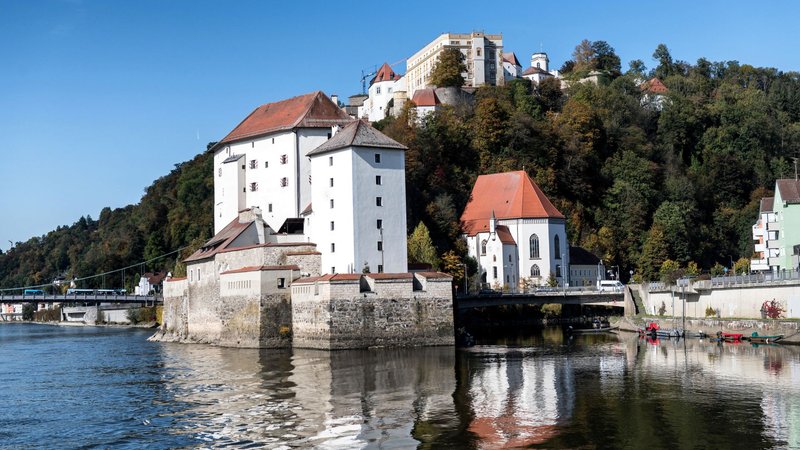
A village of about 2,000 people under a hilltop castle in the Our valley. There’s no nightlife strip, no major railway station and no through traffic worth the name. The crime you’ll hear about is a bag left on a bench. Tourists swell the numbers in summer, but the town empties by evening.
Best for: tourists, retirees, anyone who wants quiet. The trade-off is that it’s remote, and you’ll need a car or a bus connection for work.
2. Echternach
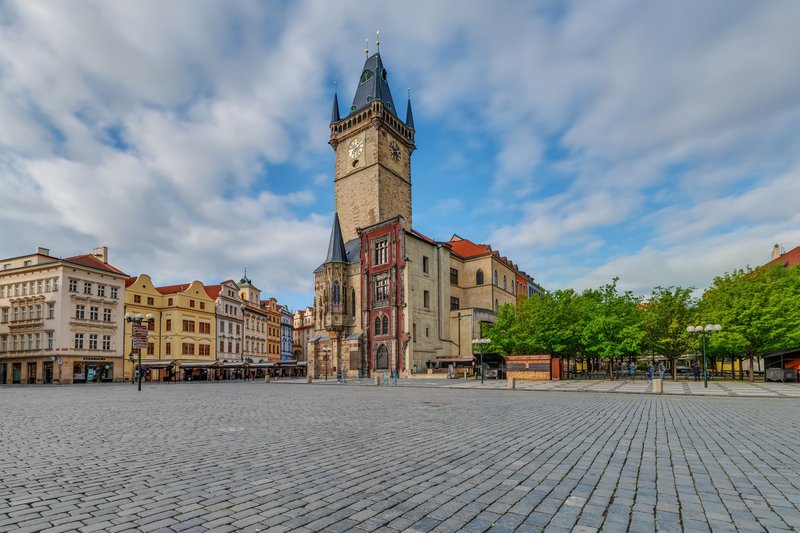
The country’s oldest town, built around a 7th-century abbey, and a short walk from the German border across the Sûre. It’s small, walkable and well lit around the central square. Petty theft is the realistic risk, mostly from cars parked near trailheads in the Müllerthal region.
Best for: families, hikers, visitors who want a base for the Little Switzerland trails.
3. Mondorf-les-Bains
A spa town in the far southeast, close to the French border. It has a thermal complex, a casino and a population that skews older and wealthier, which tends to correlate with low street crime. Cars with foreign plates parked near the casino are the usual target for break-ins.
Best for: families and older residents who want calm with a short drive to the capital.
4. Remich
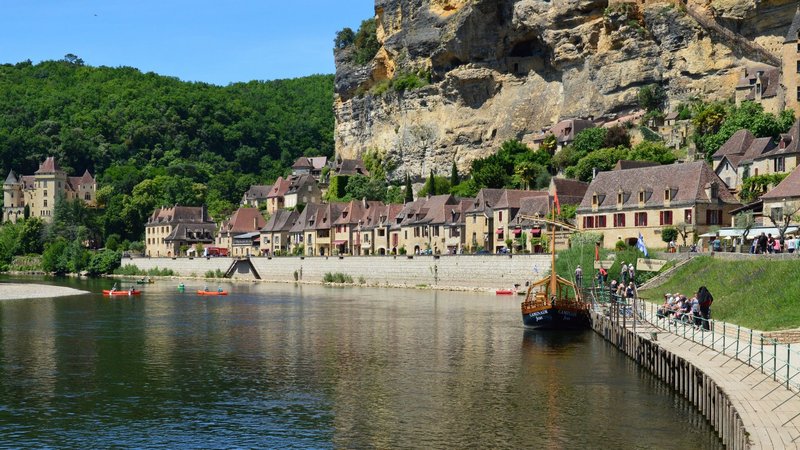
The Moselle wine town. Summer weekends bring crowds along the riverside esplanade and a lot of wine tasting, so expect the occasional rowdy evening. Serious incidents are uncommon.
Best for: weekend visitors and couples. As a place to live, it’s quiet and cheaper than the capital.
5. Mersch
Sits at the junction of the Alzette and Eisch valleys in the center of the country, with a rail line to the capital. It’s a commuter commune with new housing and a school-oriented community. Mostly residential, with little to steal and few places to loiter.
Best for: commuting families who want to live outside the city but stay on the train line.
6. Diekirch
A northern town on the Sûre with a military history museum and a brewery. It’s a regional hub for the Ardennes side of the country, so it has more bars and a slightly livelier weekend than Echternach or Vianden. Occasional late-night disturbances, little else.
Best for: people who want a proper small town with services, shops and a hospital nearby.
7. Luxembourg City
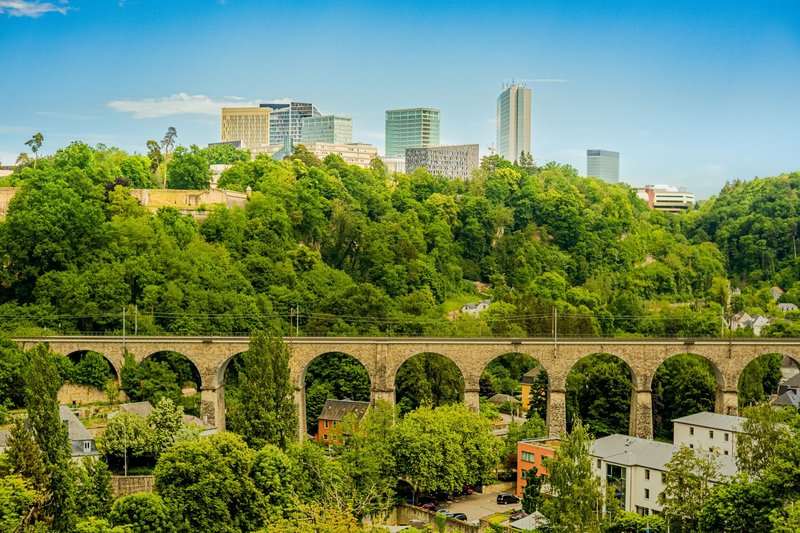
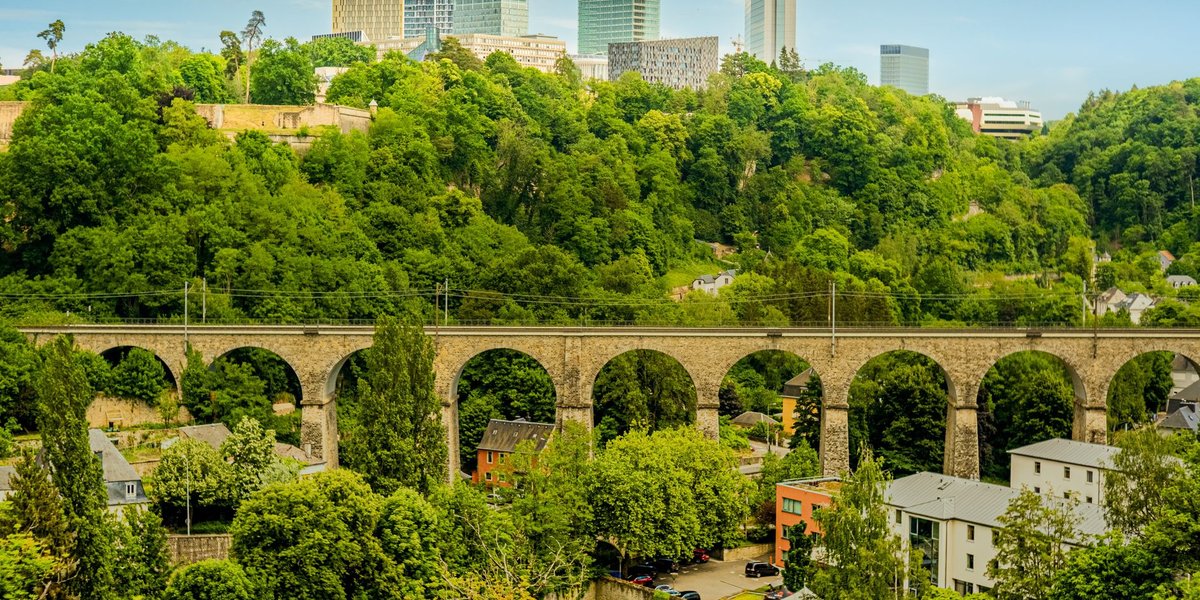
Ranks high globally, but this is a capital with a central station, a banking district and a lot of visitors, so it lands lower than the quiet villages above. Most of it is very safe: the old town (Ville Haute), the Grund valley and the residential districts feel calm at night. Reported incidents cluster around the station and a few nightlife blocks. We cover those in detail below.
Best for: expats, professionals, students. Best public transport in the country, and free as well, since public transport has been free nationwide since 2020.
8. Dudelange
A southern town on the French border with a growing population and a mix of old steelworking neighborhoods and newer districts. Residents describe it as ordinary and quiet. Some property crime, some graffiti, nothing alarming.
Best for: commuters who want rail access and lower rents than the capital.
9. Differdange
Another former steel town in the southwest, with a large and diverse population (about 28,000). Safe by any European standard, but its town center sees more petty theft, vandalism and nightlife-related incidents than the towns higher on this list. Redevelopment around the old steelworks has improved its image.
Best for: people who prioritize affordable housing and cultural variety.
10. Esch-sur-Alzette
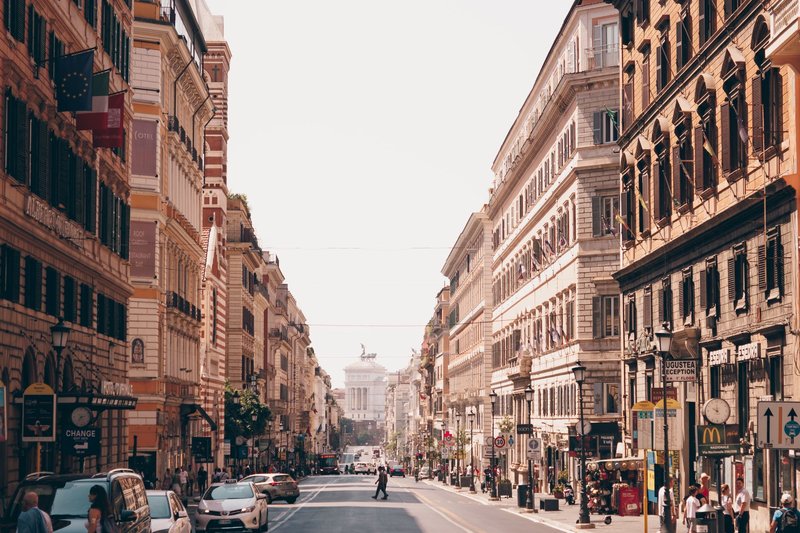
The second-largest city in the country, home to the Belval university campus, and a lively student scene. Rue de l’Alzette, the main pedestrian street, gets rowdy at weekends. More people and more nightlife mean more reported property crime and the occasional street altercation. Still safe for a European city of its size, and it sits last only because every town on this list is so low-risk.
Best for: students, young professionals, people who want a real city vibe at lower rent.
Safest neighborhoods in Luxembourg City
If you’re choosing where to live or book a hotel, these districts have the best reputation:
- Limpertsberg: residential, leafy, next to the university area and several embassies.
- Belair: upscale, quiet streets, villas and diplomatic residences.
- Kirchberg: the European institutions district. Modern, well lit, patrolled, and a bit sterile.
- Merl: family-friendly, low-rise, close to the park.
- Ville Haute (old town): heavily visited and policed. Pickpockets operate around the Place d’Armes and the Grand Ducal Palace, so watch your bag in a crowd, but violent crime is rare.
Areas to be careful in
The area around the Gare (central station) is the one part of the capital that locals consistently flag. The stretch of Rue de Strasbourg and the streets behind the station have drug dealing, aggressive begging and some late-night fights. It’s not a no-go zone. Thousands of people pass through every day, and most never have an issue. But after dark, avoid the back streets, keep your phone out of sight and use the main avenues.
Other things to watch for:
- Pickpockets on the station concourse and on crowded buses and trams near the Christmas market in December.
- Cars broken into at trailhead parking lots in Müllerthal and along the Moselle.
- Bike theft, which is common if you leave a bike locked outside overnight.
Quick comparison table
| Rank | Town | Population (approx.) | Main risk | Suits |
|---|---|---|---|---|
| 1 | Vianden | 2,000 | Bag theft in summer | Tourists, retirees |
| 2 | Echternach | 5,000 | Car break-ins at trailheads | Families, hikers |
| 3 | Mondorf-les-Bains | 6,000 | Car break-ins | Families, older residents |
| 4 | Remich | 4,000 | Weekend rowdiness | Visitors, couples |
| 5 | Mersch | 9,000 | Minor property crime | Commuting families |
| 6 | Diekirch | 7,000 | Late-night disturbances | Small-town living |
| 7 | Luxembourg City | 135,000 | Pickpockets, Gare area | Expats, professionals |
| 8 | Dudelange | 21,000 | Property crime | Commuters |
| 9 | Differdange | 28,000 | Petty theft, vandalism | Budget-minded renters |
| 10 | Esch-sur-Alzette | 36,000 | Nightlife incidents, theft | Students, young adults |
Populations are rounded and vary by year.
Practical safety tips
- Lock your car and leave nothing visible. Luxembourg’s most common crime against visitors is theft from vehicles.
- Use the free public transport, which runs until late. Night buses cover weekends in the capital. Trains and trams are generally safe, but keep bags closed on crowded services.
- Tourists and residents face different risks. Visitors deal with pickpockets and car break-ins. Residents mostly deal with burglary and bike theft, so a good lock and a secure bike room matter more than any neighborhood choice.
- Cross-border commuters should note that stations like Gare and Esch see more late-evening incidents than daytime ones.
- Report theft to the police. The Grand Ducal Police accept reports online for minor offenses.
Emergency numbers
- 112: all emergencies (ambulance, fire, police). Works from any phone.
- 113: police emergency line.
- Police stations: the Grand Ducal Police operate local stations in each town on this list. Check police.public.lu for the nearest one.