
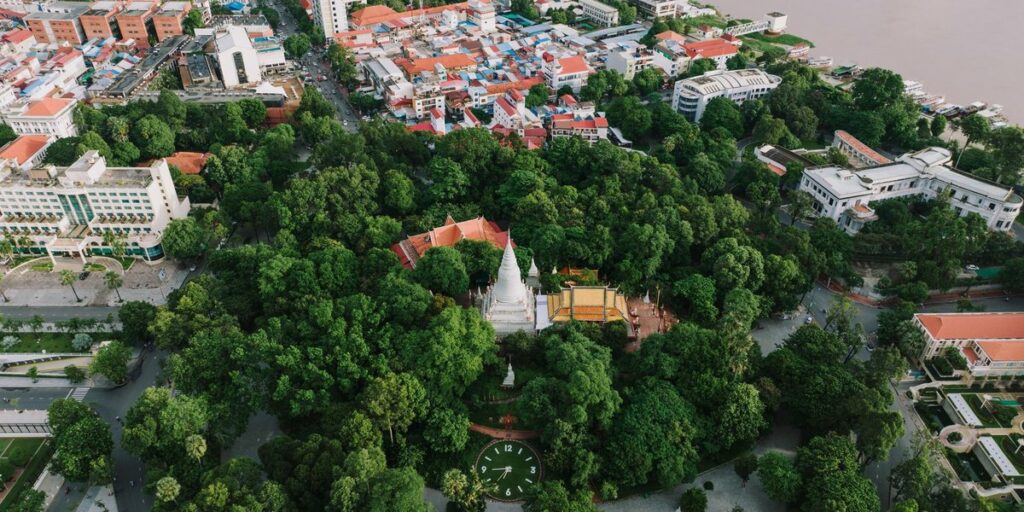
Quick answer
No official list ranks Cambodian cities by poverty. The government publishes poverty rates by province, and city-level poverty shows up in settlement surveys and NGO reports. The eight places below are where those sources point most often: Poipet, Phnom Penh, Sihanoukville, Pailin, Kampong Chhnang, Kampong Cham, Battambang and Siem Reap.
Contents
- How we built this list
- The 8 cities
- Side-by-side comparison
- Why urban poverty in Cambodia looks the way it does
- What’s being done, and how to help responsibly
How we built this list
Here’s the catch with any “poorest cities in Cambodia” list: the data doesn’t line up with city limits. Poverty rates come from household surveys reported at the province level, and a province like Banteay Meanchey includes rice farmland, border towns and a casino strip. A provincial number tells you little about one town.
So this is a synthesis. We combined provincial poverty figures from the World Bank’s Cambodia country data, settlement surveys in the capital, and reporting on how specific towns have boomed or collapsed. Treat the order as a judgment call, not a statistical ranking. The cities are grouped by the kind of poverty each one shows, because that’s the more useful distinction.
One more point. The poorest provinces in Cambodia are mostly remote and rural: Mondulkiri, Ratanakiri, Preah Vihear and Oddar Meanchey sit at the top of most lists, and their provincial capitals are small towns. This article stays with larger urban centers, where poverty looks different: crowded, informal and tied to cash jobs.
The 8 cities
1. Poipet
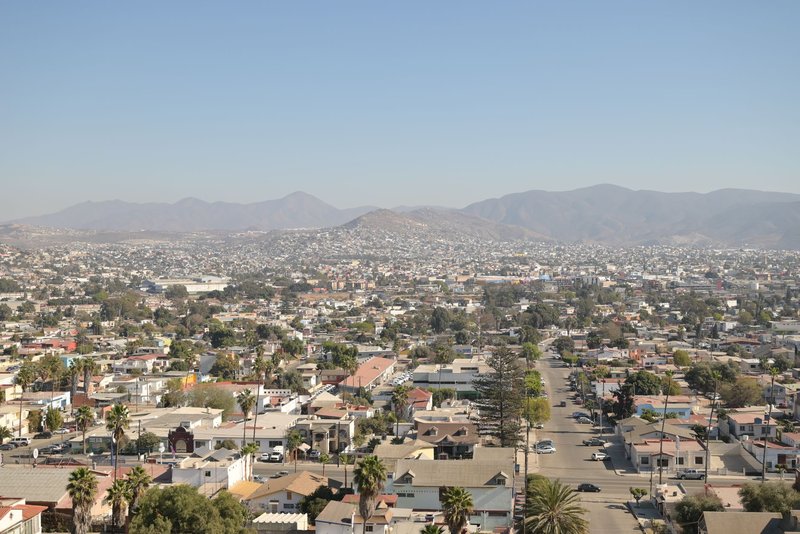
Poipet sits on the Thai border in Banteay Meanchey, and its economy is the border itself. Thousands of Cambodians cross each day for work in Thailand, and the town’s casino strip exists mainly for Thai gamblers, since casinos are illegal for Cambodian citizens to enter. Money moves through Poipet. Much of it doesn’t stay.
Poverty here follows the migrant pattern. People arrive from poorer provinces hoping to cross for jobs, and when work permits fall through or Thai borders close, they get stuck. The result is crowded rental rooms, informal camps near the checkpoint, and heavy dependence on irregular day labor and debt.
2. Phnom Penh
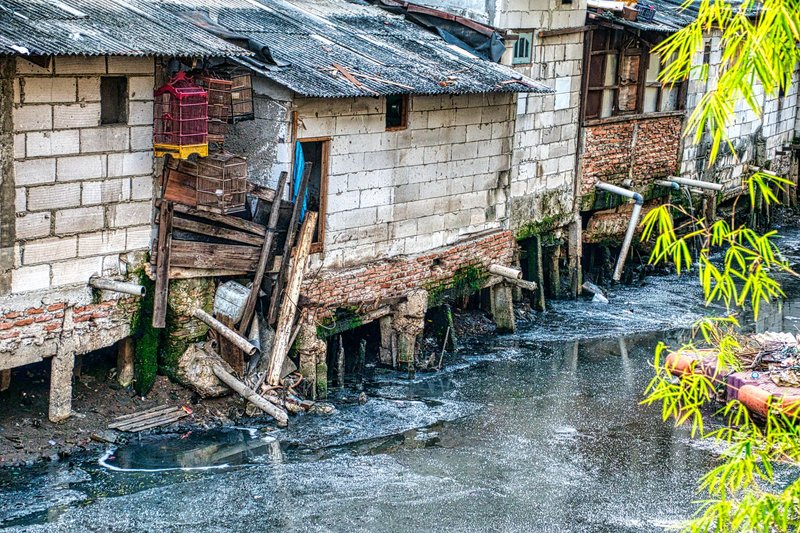
Cambodia’s capital has the lowest official poverty rate in the country and some of its worst housing. Both are true. An STT survey identified 191 poor settlements in the city, covering 19,539 families and 89,879 people.
Many of these communities formed after rural families moved in for garment jobs and construction work, then settled on railway land, riverbanks and lake edges. Evictions for development projects, including the filling-in of Boeung Kak lake, pushed thousands of families to relocation sites on the city’s outskirts, far from the jobs that brought them. Informal settlement is the story here, not rural-style poverty.
3. Sihanoukville
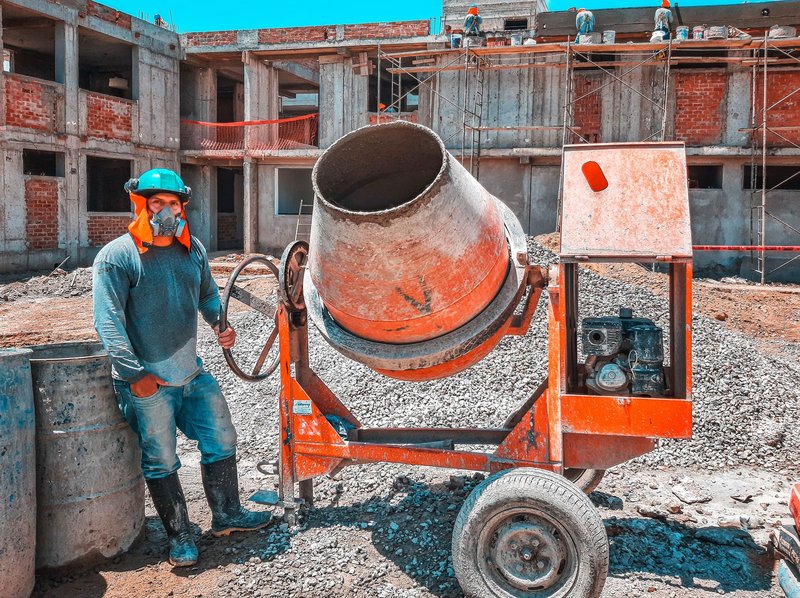
Sihanoukville is a case study in boom and bust. From about 2016, Chinese investment turned a sleepy beach port into a casino and construction zone. Rents jumped, local residents were priced out, and thousands of workers arrived for building jobs. A 2019 building collapse that killed 28 people showed how fast and loosely the construction was happening.
Then came the Cambodian ban on online gambling in 2019, followed by the pandemic. Investors left, projects stalled, and half-finished towers still stand across the city. Workers who had moved for the boom lost their income, and many couldn’t afford to go home.
4. Pailin
Pailin, on the Thai border in the west, was a gem-mining center and the last Khmer Rouge stronghold to surrender, in the late 1990s. The gems ran thin long ago. What’s left is a small town with a legacy of landmines, limited industry and few formal jobs.
Farmers grow cassava, corn and cashews on land that was cleared of mines only recently, and many households rely on remittances from relatives working across the border in Thailand. Pailin is small, but its poverty is persistent rather than boom-driven.
5. Kampong Chhnang
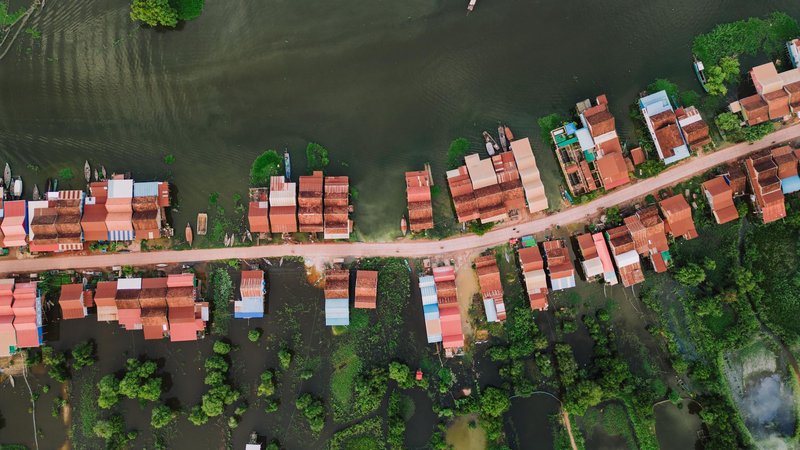
Kampong Chhnang is known for its clay pottery and for floating villages on the Tonle Sap lake. The lake provides fish, but its seasonal flood pulse also means unstable income and housing. Many fishing households here are ethnic Vietnamese or Cham communities who often lack official documents, which limits access to land, credit and public services.
The town itself is small and the surrounding province ranks among the poorer ones near the Tonle Sap. Overfishing and shrinking catches have pushed families into debt and seasonal migration.
6. Kampong Cham
Kampong Cham, on the Mekong, was historically a rubber-plantation and trade hub. Today it supplies workers to Phnom Penh’s garment factories and to Thailand. Garment wages are low and fall hard when orders drop, as they did in 2020, and a recent household-debt crisis tied to microfinance loans has hit provinces like this one hard.
Poverty here is the rural kind with an urban address: smallholder farms, informal trade and relatives sending money home.
7. Battambang
Battambang is Cambodia’s second or third largest city, depending on who counts, and its surrounding province is the country’s main rice-growing region. The old French-era town center is lively, with a growing café and arts scene.
Away from that center, poverty is tied to farming. Crop prices swing, floods and droughts cut yields, and many farm families rely on seasonal work in Thailand. Battambang is better off than Poipet or Pailin, but it still has pockets of hardship, especially in outlying villages.
8. Siem Reap
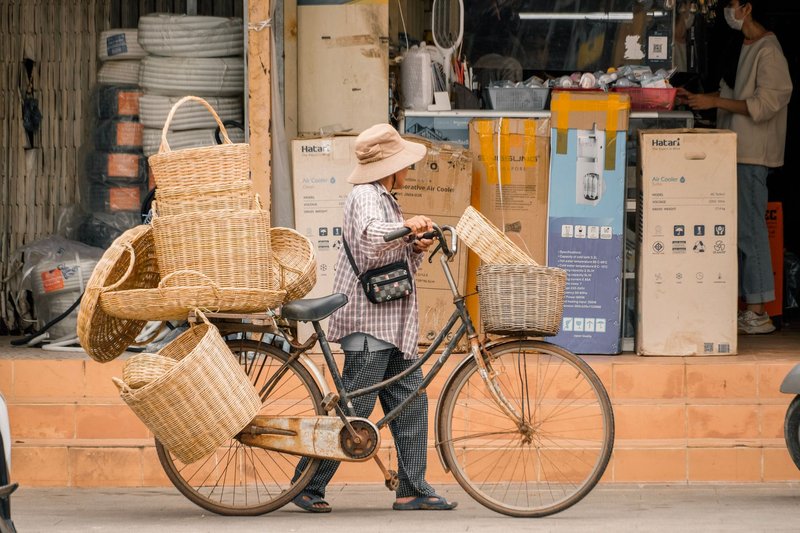
Siem Reap has Angkor Wat, and the tourist economy built around it. That’s the problem. When international arrivals collapsed in 2020, hotel, tuk-tuk, restaurant and guide jobs vanished almost overnight. Households that had left farming for tourism had no fallback.
Visitor numbers have recovered only partly, and a UNICEF Cambodia program focus on child protection in tourist areas reflects a related concern: poor families in Siem Reap’s outskirts and villages, living a few miles from luxury resorts. It’s a city of very unequal incomes.
Side-by-side comparison
| City | Main economy | Type of poverty | Notable issue |
|---|---|---|---|
| Poipet | Border trade, casinos, migrant labor | Migrant and transient | Stranded workers, debt |
| Phnom Penh | Garments, construction, services | Informal settlement | 191 poor settlements, evictions |
| Sihanoukville | Casinos, construction | Boom-and-bust | Abandoned projects, lost jobs |
| Pailin | Gems, small farming | Persistent, rural | Landmine legacy, few jobs |
| Kampong Chhnang | Fishing, pottery | Lake-dependent | Declining catches, undocumented residents |
| Kampong Cham | Agriculture, garment supply | Rural-urban | Debt, low wages |
| Battambang | Rice, trade | Farm-linked | Crop and weather risk |
| Siem Reap | Tourism | Tourism-dependent | Income collapse during downturns |
Why urban poverty in Cambodia looks the way it does
Four causes repeat across these cities.
Rural-to-urban migration. Families leave farms for factory, construction and service work. They arrive without savings or land titles, so they rent rooms or build informally.
Boom-and-bust investment. Casinos, construction and tourism create jobs quickly and remove them just as quickly. Sihanoukville and Siem Reap show both ends of that cycle.
Border labor. Poipet and Pailin depend on Thai demand for Cambodian workers. When Thailand tightens rules, income stops.
Debt. Microfinance loans, often secured against land, have become a major drag on household budgets across the country. A shock like illness or a bad harvest can lead to selling land.
What’s being done, and how to help responsibly
The Cambodian government runs an ID Poor program that identifies low-income households and gives them access to free health care and other benefits. NGOs and agencies such as UNICEF work on housing, child protection, education and clean water in the capital and provincial towns. Community groups in Phnom Penh also work with settlement residents on land tenure and relocation disputes.
If you’re visiting or planning to give, a few rules help:
- Skip poverty tourism. Don’t tour settlements or photograph residents without a community-led arrangement. A slum isn’t an attraction.
- Don’t give to children begging. It keeps them out of school. Donate to an established organization instead.
- Avoid orphanage visits. Most children in Cambodian orphanages have living parents. Child-welfare groups consistently advise against visiting them.
- Spend locally. Use locally owned guesthouses, restaurants and markets, and pay fair prices.
- Check an organization before you give. Look for audited accounts, local staff, and work that continues year-round.
Cambodia’s poverty numbers have dropped sharply in the past two decades, according to World Bank data, but many households remain just above the poverty line and can fall back quickly after a shock. That vulnerability, more than any single rate, explains why these eight cities appear on any list of the poorest cities in Cambodia.