
Short answer: there isn’t one
No city in the United Arab Emirates is dangerous by global standards. The most dangerous cities in the UAE are, at worst, the ones with slightly more petty theft, scams and traffic accidents than the others. The real question is relative risk, and that is what this post ranks.
If you search this topic, you get “safest city” headlines instead of danger lists. Khaleej Times, Gulf News and The National all run short pieces built on the Numbeo Safety and Crime Index, and they all say roughly the same thing: the UAE ranks around third safest country in the world, with a safety score near 84.5 and a crime score near 15.5. Caracas, the index’s worst-scoring city, sits near 84.6 on crime. The UAE’s whole country figure is about 15.
Nobody ranks the emirates against each other from riskiest to safest. This post does.
Contents
- How the emirates rank
- What “least safe” means in practice
- Neighborhoods where you need more attention
- Laws that cause more trouble than crime
- Roads, heat and desert
- How reliable is the Numbeo data?
- Summary
How the emirates rank
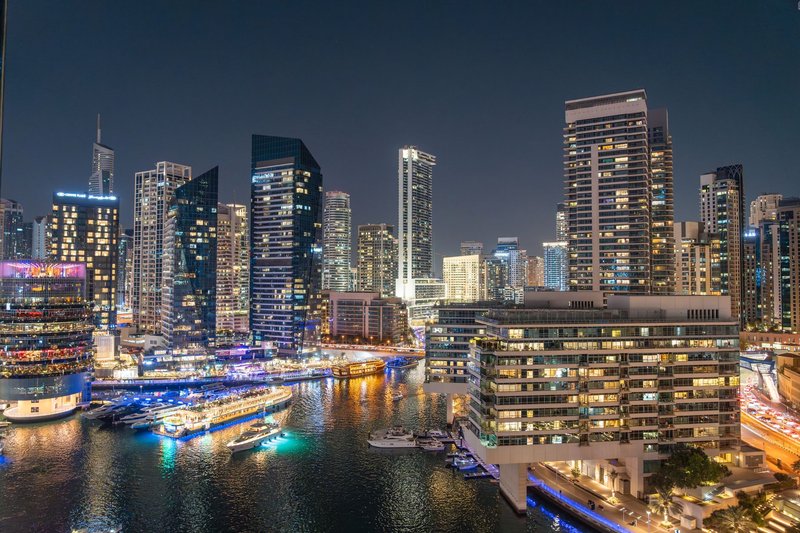
Numbeo publishes a Safety Index and a Crime Index for cities. They are close to mirror images, so a high safety score means a low crime score. The figures below are approximate, drawn from the published rankings quoted by the UAE press. They move from year to year as survey responses change, so treat them as bands, not exact numbers.
| Rank (most to least risk) | City | Approx. Numbeo safety score | Notes |
|---|---|---|---|
| 1 | Dubai | 82-84 | Largest population, most tourists, most pickpocket and scam opportunity |
| 2 | Sharjah | 82-84 | Dense residential areas, heavy commuter traffic |
| 3 | Ajman | 82-84 | Small, crowded, industrial zones |
| 4 | Abu Dhabi | about 88 | Consistently among the top-scoring big cities worldwide |
| 5 | Fujairah | above 91 | Highest score among the emirates covered |
Ras Al Khaimah and Umm Al Quwain are not scored consistently enough in Numbeo to place with confidence. Both are small, both have low reported crime, and both are quieter than the cities above. Treat them as low-risk, not as ranked entries.
Look at what that table actually says. The “most dangerous” cities in the UAE score in the low 80s on safety, a range that would put them at the top of nearly any other country’s list. Dubai ranks first for risk mainly because it has the most people, the most visitors and the most places to lose a wallet.
What “least safe” means in practice
Nobody gets mugged at knifepoint in Dubai Marina. When residents and visitors report problems, they are almost always one of four things.
- Petty theft. Phones left on café tables, bags unattended at beaches, items taken from unlocked cars.
- Scams. Fake taxi drivers, “friendly” strangers offering a tour, online rental and job fraud, and people selling counterfeit goods or fake gold.
- Traffic accidents. The biggest actual danger. See the road section below.
- Crowd problems. Jostling and pickpocketing at festivals, souks and malls on weekends.
Violent crime against tourists is rare enough that the UK Foreign Office travel advice for the UAE spends far more space on legal issues and regional security than on street crime. The US State Department advisory points to a different risk: missile and drone threats linked to regional conflict, which have affected the Gulf on occasion. Check both before you book, because they update.
Neighborhoods where you need more attention
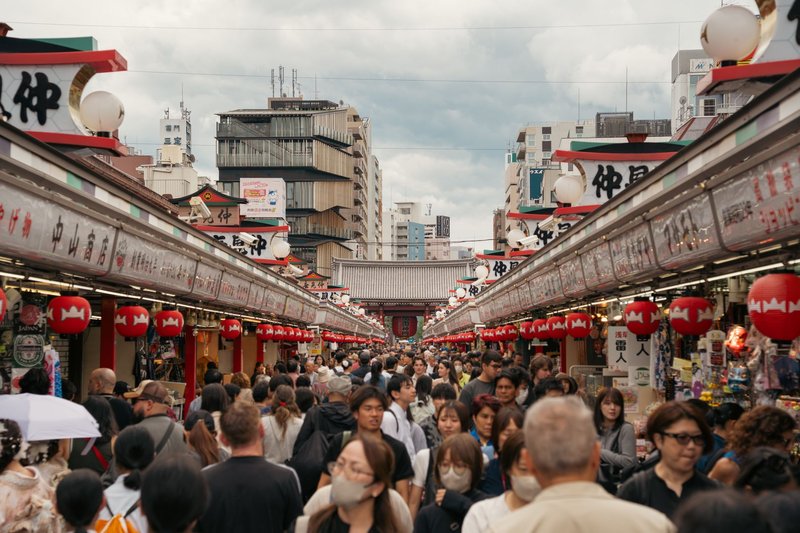
None of these are no-go areas. They are places where crowding, transient populations or industrial surroundings mean you should keep your bag zipped and your phone in your front pocket.
- Deira and Al Karama, Dubai. Dense, busy and cheap. Deira’s gold and spice souks attract pickpockets and aggressive touts. Karama’s shopping streets are known for counterfeit goods and persistent sellers.
- Naif, Dubai. One of the older districts, with heavy foot traffic and a reputation for petty theft.
- Industrial areas in Sharjah and Ajman. Fine in daylight for errands. Poorly lit at night, and not where you need to be wandering after dark.
- Beach and mall parking lots anywhere. Unlocked cars and visible valuables are the usual targets.
Abu Dhabi, Fujairah and the smaller emirates have fewer places that fit this description, which is part of why they score better.
Laws that cause more trouble than crime
Most visitors who get into serious trouble in the UAE get there through the legal system, not through crime. The rules differ from what many travelers expect.
- Alcohol. Drinking is legal in licensed venues, and public drunkenness is an offense. Sharjah bans alcohol entirely.
- Drugs. Penalties are severe, and trace amounts or prescription medication that is banned locally can lead to arrest. Check your medication against the UAE’s controlled-substance list before you fly.
- Public conduct. Kissing, swearing, rude gestures and affectionate behavior in public can draw complaints and fines. Online insults can also be prosecuted.
- Photography. Don’t photograph government buildings, military sites or people without permission. Posting photos of strangers online can break privacy law.
- Dress. Beachwear belongs at the beach. Malls and mosques expect covered shoulders and knees.
The FCDO guidance covers these in more detail and is updated more often than most guidebooks.
Roads, heat and desert
The UAE’s main physical risks have nothing to do with crime.
Roads. Speeds on the Sheikh Zayed and Emirates Roads are high, tailgating is common, and lane changes can be sudden. The WHO global road safety report tracks national road deaths and shows why road safety is a concern in every country, wealthy ones included. If you rent a car, drive defensively, wear your seat belt and keep to the speed limit. Speed cameras are everywhere and fines add up fast.
Heat. Summer temperatures regularly pass 45 degrees Celsius. Heatstroke is a real risk if you walk outside at midday, and car interiors become dangerous within minutes. Carry water, plan outdoor activity for early morning or evening, and never leave children or pets in a parked car.
Desert. Dune bashing and desert camping are popular and mostly safe with a licensed operator. Do not drive into the sand alone, and tell someone where you are going. Phone signal drops quickly away from the highway.
How reliable is the Numbeo data?
Numbeo is not a crime statistics agency. Its scores come from surveys in which users rate how safe they feel, how worried they are about theft, assault and other crimes. That makes it a measure of perception.
Three limits matter here.
- Small samples. Smaller emirates have fewer respondents, so their scores swing more.
- Respondent mix. Numbeo users skew toward expats and internet-active residents, not the full population.
- Reporting culture. The UAE has strict rules on public order, and residents may under-report or over-state depending on their experience.
The pattern is still consistent across years: the UAE scores near the top of global safety rankings. The ordering among emirates is less reliable. Don’t plan a trip around a three-point gap between Dubai and Sharjah.
Summary
The most dangerous cities in the UAE are the biggest and busiest: Dubai, Sharjah and Ajman, all scoring in the low 80s on Numbeo’s safety scale, which is high by world standards. Abu Dhabi and Fujairah score better, and Ras Al Khaimah and Umm Al Quwain are quiet and low-risk.
Your realistic risks are petty theft in crowded markets, scams, driving, heat and breaking a local law you didn’t know existed. Watch your belongings in Deira, Karama and Naif, rent a car only if you will drive carefully, learn the rules on alcohol and public behavior, and check your government’s travel advice before you go.