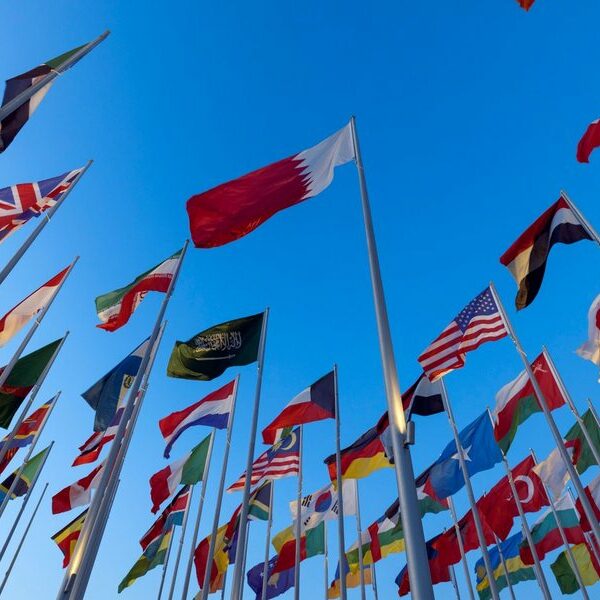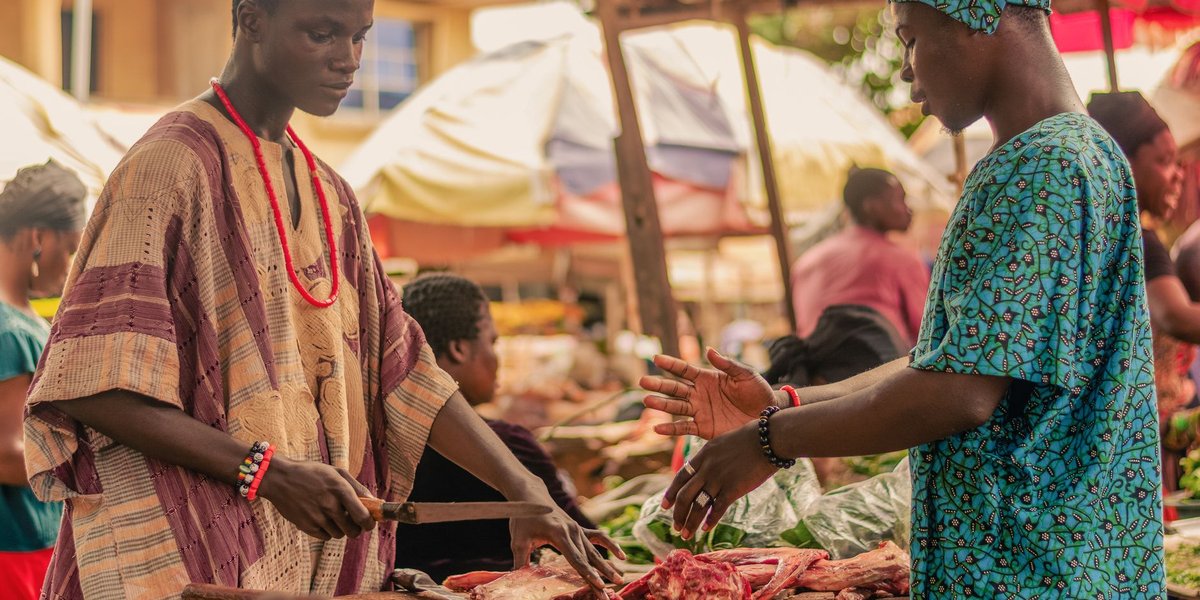
Kirundi is the language of Burundi. Nearly everyone speaks it, from Bujumbura to the smallest hill village. French is the language of hotels, banks, government offices and anyone who went to secondary school. Swahili turns up in markets and around the lake in Bujumbura. English is an official language too, but you’ll hear very little of it outside business hotels, NGOs and a few young people who learned it from music and YouTube.
So the working formula: greet in Kirundi, switch to French for anything practical, and keep a few Swahili words in your pocket only for Bujumbura markets.
Table of Contents
- TLDR: which language where
- The 10-phrase cheat sheet
- Pronunciation primer
- Greetings and politeness
- Markets, prices and bargaining
- Getting around: taxis, directions and borders
- Food and drink
- Numbers
- Health and emergencies
- Three short dialogues
- Kirundi is not Swahili
- Greeting etiquette
TLDR: which language where
| Situation | Best language |
|---|---|
| Greeting anyone, anywhere | Kirundi |
| Village, rural roads, local buses | Kirundi (French rarely helps) |
| Hotels, restaurants in Bujumbura and Gitega | French, some English |
| Banks, immigration, police | French |
| Bujumbura markets, lakeshore traders | Kirundi, Swahili or French |
| Business hotels, NGOs | English works |
The CIA World Factbook lists Kirundi, French and English as Burundi’s official languages, with Swahili spoken in urban trade areas. In practice, Kirundi carries the daily life of the country, and a traveler who opens in it gets a visibly different reaction than one who opens with “Hello, do you speak English?”
The 10-phrase cheat sheet
If you learn nothing else, learn these.
| English | Kirundi | Say it like |
|---|---|---|
| Good morning | Bwakeye | bwah-KEH-yeh |
| Good afternoon / evening | Mwiriwe | mwee-REE-weh |
| Hello / peace | Amahoro | ah-mah-HOH-roh |
| How are you? | Amakuru? | ah-mah-KOO-roo |
| Fine | Ni meza | nee MEH-zah |
| Thank you | Murakoze | moo-rah-KOH-zeh |
| Yes / No | Yego / Oya | YEH-goh / OH-yah |
| I don’t understand | Sinumva | see-NOOM-vah |
| How much is it? | Ni angahe? | nee ah-NGAH-heh |
| Goodbye | Murabeho | moo-rah-BEH-hoh |
Add one French sentence and you’re covered for most hotel and office situations: “Parlez-vous anglais ?” (Do you speak English?).
Pronunciation primer
Kirundi is easier to read aloud than French. A few rules cover most of it.
- Five pure vowels. A, e, i, o, u sound like “ah, eh, ee, oh, oo” and never glide. “Murakoze” is four clean syllables, not “mur-a-KOZE” with an English silent e. Every final e is spoken: “-zeh”.
- Every letter is pronounced. “Bwakeye” is bwah-keh-yeh. Nothing is silent.
- C is “ch”. “Icayi” (tea) starts with “ee-CHAH-yee”.
- R is a quick tap. Closer to Spanish than English. If you roll it hard or say an English r, you’ll still be understood.
- Doubled vowels and consonants. Kirundi has long vowels and tone, and spelling in everyday use doesn’t mark them. Don’t worry about it. Speak evenly and people will fill in the gaps.
French pronunciation is the one you actually need to be careful with: the final “-s” and “-t” are mostly silent, and “r” sits in the throat.
Greetings and politeness
Greetings carry more weight here than in most places. Skipping one and going straight to your question reads as rude.
| English | Kirundi | French |
|---|---|---|
| Peace (hello, reply the same) | Amahoro | Bonjour |
| Good morning | Bwakeye (reply: Bwakeye) | Bonjour |
| Good afternoon / evening | Mwiriwe (reply: Mwiriwe) | Bonsoir |
| How are you? | Amakuru? | Comment allez-vous ? |
| Fine, good | Ni meza | Ça va bien |
| Thank you | Murakoze | Merci |
| Thank you very much | Murakoze cane | Merci beaucoup |
| You’re welcome | Ntacyo | De rien |
| Please / excuse me | Mbabarira | S’il vous plaît / Excusez-moi |
| Sorry (sympathy) | Ihangane | Désolé |
| My name is… | Nitwa… | Je m’appelle… |
| What’s your name? | Witwa nde? | Comment vous appelez-vous ? |
| Goodbye | Murabeho | Au revoir |
“Amakuru?” literally means “news?” and gets answered with “Ni meza” or “Ni meza cane” (very good), even when the day has gone badly. Say “Murakoze” to anyone who helps you, and say it often. It works for the person who carries your bag, pours your tea and gives directions.
Markets, prices and bargaining
The currency is the Burundian franc (BIF). Prices are in thousands, so the numbers get long. Bargaining is normal in open markets and with moto and bicycle taxi drivers, not in shops with printed prices.
| English | Kirundi | French |
|---|---|---|
| How much is it? | Ni angahe? | Combien ça coûte ? |
| It’s expensive | Ihenze | C’est cher |
| Too expensive | Ihenze cane | Trop cher |
| I want this | Ndashaka iki | Je voudrais ça |
| Do you have…? | Ufise…? | Vous avez… ? |
| I’ll think about it | Ndabanza ndabitekereze | Je vais réfléchir |
Ask the price, react mildly with “Ihenze cane” and a smile, then offer roughly two-thirds. French “C’est trop cher” is understood by most traders in Bujumbura. For mobile money (Lumicash and EcoCash are the common services), ask in French: “Vous acceptez Lumicash ?” Small vendors often prefer cash.
Getting around: taxis, directions and borders
Outside the capital, transport runs on shared minibuses, motorcycle taxis and bicycle taxis. Agree on the fare before you get on. Always.
| English | Kirundi | French |
|---|---|---|
| Where is…? | …iri hehe? | Où est… ? |
| I’m going to… | Ndagiye… | Je vais à… |
| Stop here | Hagarara hano | Arrêtez-vous ici |
| Slowly | Buhorobuhoro | Doucement |
| Left / Right | Ibumoso / Iburyo | Gauche / Droite |
| Straight ahead | Genda ugororotse | Tout droit |
| How much to go to…? | Ni angahe kugenda…? | C’est combien pour aller à… ? |
| Passport | Pasiporo | Passeport |
At borders (Kobero with Tanzania, Gatumba with the DRC, Akanyaru with Rwanda), officials work in French or Kirundi. Hand over your documents, say “Bonjour,” and answer in short, plain French. Have your yellow fever certificate and visa paperwork ready, and don’t photograph anything near the crossing.
For directions, point at a map or write the place name down. Even people who don’t read much French recognize written place names, and Kirundi directions given at speed are hard to follow when you’re a beginner.
Food and drink
| English | Kirundi | French |
|---|---|---|
| Water | Amazi | Eau |
| Tea | Icayi | Thé |
| Coffee | Ikawa | Café |
| Milk | Amata | Lait |
| Beer | Inzoga | Bière |
| Food | Ibiryo | Nourriture |
| I want water | Ndashaka amazi | Je voudrais de l’eau |
| The bill, please | Mbabarira, ifatura | L’addition, s’il vous plaît |
| Delicious | Biraryoshe | C’est délicieux |
Burundi grows excellent coffee, so ordering “ikawa” is a safe bet. If you have dietary restrictions, say them in French: “Je ne mange pas de viande” (I don’t eat meat). Don’t count on a Kirundi explanation traveling through a kitchen.
Numbers
| Number | Kirundi |
|---|---|
| 1 | rimwe |
| 2 | kabiri |
| 3 | gatatu |
| 4 | kane |
| 5 | gatanu |
| 6 | gatandatu |
| 7 | indwi |
| 8 | umunani |
| 9 | cenda |
| 10 | icumi |
| 100 | ijana |
| 1,000 | igihumbi |
For prices you’ll hear numbers in French as often as Kirundi. “Mille” (1,000), “deux mille” (2,000) and “cinq mille” (5,000) cover most market purchases. Learn those three and a calculator on your phone does the rest.
Health and emergencies
| English | Kirundi | French |
|---|---|---|
| I’m sick | Ndarwaye | Je suis malade |
| I need a doctor | Ndakeneye umuganga | J’ai besoin d’un médecin |
| Help! | Mfasha! | Au secours ! |
| Pharmacy | Farumasi | Pharmacie |
| Hospital | Ibitaro | Hôpital |
| Police | Polisi | Police |
In an emergency use French. “Au secours !” and “J’ai besoin d’un médecin” will get a response from almost anyone in a town, and staff at clinics, pharmacies and hospitals work in French. Save your embassy’s number before you travel.
Three short dialogues
At the market
- You: Mwiriwe!
- Seller: Mwiriwe! Amakuru?
- You: Ni meza. Murakoze. Ni angahe?
- Seller: Ibihumbi bitanu. (5,000 francs.)
- You: Ihenze cane.
- Seller: Ibihumbi bine. (4,000.)
- You: Murakoze.
In a taxi
- You: Bwakeye. Ni angahe kugenda mu mujyi? (How much to go downtown?)
- Driver: Ibihumbi bibiri. (2,000.)
- You: Murakoze. Hagarara hano.
At a restaurant
- You: Bonjour. Ndashaka ikawa.
- Waiter: Oui, tout de suite.
- You: Murakoze. L’addition, s’il vous plaît.
Don’t worry about perfect numbers in the dialogues. Pointing, writing a price on your phone, and holding up fingers are normal and expected.
Kirundi is not Swahili
Many guides mix the two. “Habari” (hello), “asante” (thanks), “kwaheri” (goodbye) and “pole” (sorry) are Swahili, not Kirundi. You’ll hear them in Bujumbura and with traders from Tanzania, and they’ll be understood there, but a rural Burundian won’t necessarily respond to them. Match the language to the setting: Kirundi first, Swahili as a backup in the capital’s markets, French for official business.
Greeting etiquette
A few habits matter more than vocabulary.
- Greet first. Even to ask for directions or buy a single banana, start with “Amahoro” or the time-of-day greeting.
- Handshakes can be long. Many Burundians support their right forearm with the left hand as a sign of respect. Copy it.
- Use the plural for politeness. “Mwiriwe” and “Murakoze” are plural or polite forms, so they work for one elder or a whole room. Safe choices.
- Speak slowly and smile. A bad accent gets a smile in return. A rushed question in English gets blank looks.
- Ask before photographing people. “Mbabarira, nshobora gufata ifoto?” (Excuse me, may I take a photo?) shows you asked. Never photograph soldiers, police or government buildings.
Learn the ten phrases from the cheat sheet, add “Parlez-vous anglais ?” and a handful of numbers, and you can manage a trip. The effort you make with Burundi’s languages gets noticed in most conversations you’ll have.