Uruguayan traditions aren’t performed for visitors. They happen on sidewalks, in backyards and in stadium stands, whether or not anyone is watching. That’s what makes them easy to join and easy to get wrong. This guide covers the ones that shape daily life, how to take part, and when to be in the country.
Contents
- Mate: the national habit
- The Sunday asado
- Candombe: drums in the street
- Carnaval: 40 days of it
- Football
- Gaucho heritage
- Food traditions beyond the grill
- A calendar of traditions
- Montevideo versus the interior
- Summary
Mate: the national habit
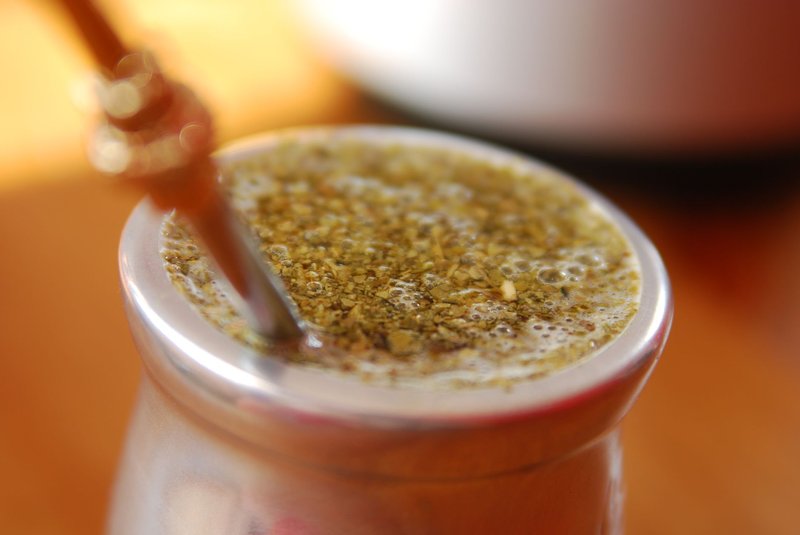
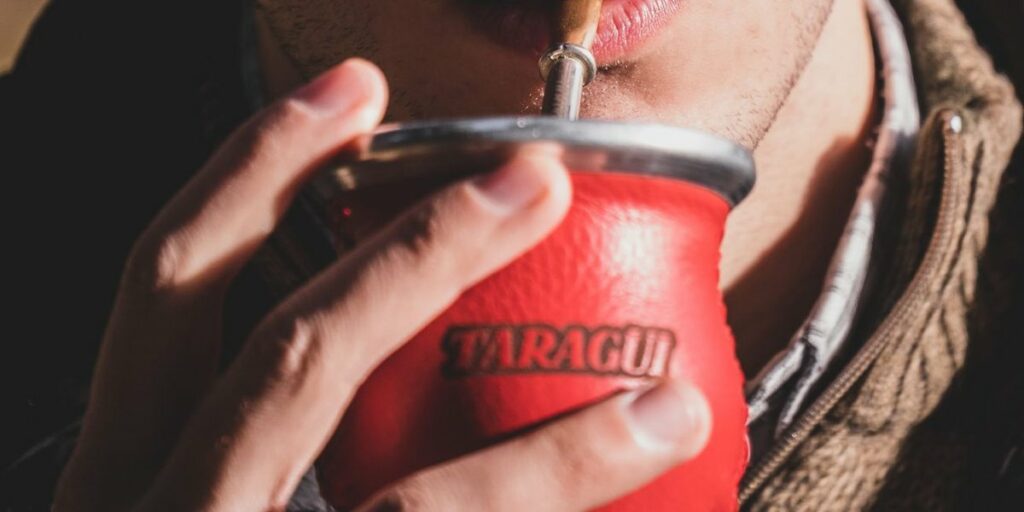
Mate is a bitter herbal infusion of yerba mate leaves, drunk from a hollowed gourd through a metal straw called a bombilla. Uruguayans drink more of it per person than anyone else on earth. You’ll see people walking down Rambla Montevideo with a gourd in one hand and a thermos tucked under the opposite arm, bus drivers sipping at red lights, and whole families on the beach with a thermos between them.
The gear is the tradition. A thermos of hot (never boiling) water goes everywhere, and the gourd gets refilled all day long.
How it’s shared. One person, the cebador, pours the water and drinks the first, bitterest round themselves. After that they refill the gourd and pass it to the next person, who drinks it all, then hands it back for the next refill. It goes around the circle in order. Sharing the same bombilla is normal. Declining it is polite only if you do it clearly.
Etiquette that gets noticed:
- Don’t stir the bombilla. Moving it around clogs the straw and disturbs the mound of yerba, and locals will wince.
- Don’t say “gracias” after each pass. Thanking the cebador means you’re finished and want out of the rotation.
- Drink it all before handing the gourd back.
- Don’t hold on to it. The gourd keeps circulating.
How to join. Say yes when someone offers. If you want your own, any supermarket sells a gourd, a bombilla and a bag of yerba for a few dollars. Most visitors spend their first week declining and their last week buying a thermos.
The Sunday asado
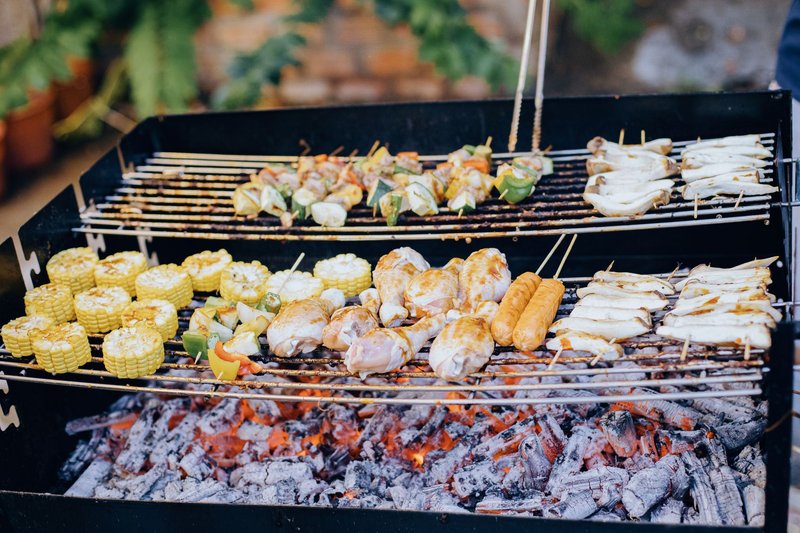
The asado is Uruguay’s weekly ritual: beef cooked slowly over wood embers on a parrilla, a grill with an adjustable grate. Sunday is the traditional day, though plenty of families do it on Saturday too, or for any excuse.
The cut that matters is asado de tira, short ribs cooked in long strips. Alongside come chorizo, morcilla (blood sausage), and offal such as chinchulines and mollejas. The person running the fire, the asador, is usually the same relative every week and takes the role seriously. Nobody rushes him. The meat comes off in stages, not all at once, so the meal stretches over hours.
Some details a local would point out:
- Salt goes on at the grill, in coarse crystals, and that’s often all the seasoning the meat gets.
- Chorizo is eaten first, often in a bread roll as a choripán, while the beef finishes.
- Salads on the side are simple: tomato, lettuce, maybe potato with mayonnaise.
- Wine, usually Tannat, or beer is the standard drink.
How to join. If you’re invited to a home asado, bring drinks or dessert, not meat. You can also eat the tradition in public at Mercado del Puerto in Montevideo’s Ciudad Vieja, where parrillas cook on open grills inside a 19th-century iron market hall. It’s touristy but the grilling is the real thing.
Candombe: drums in the street
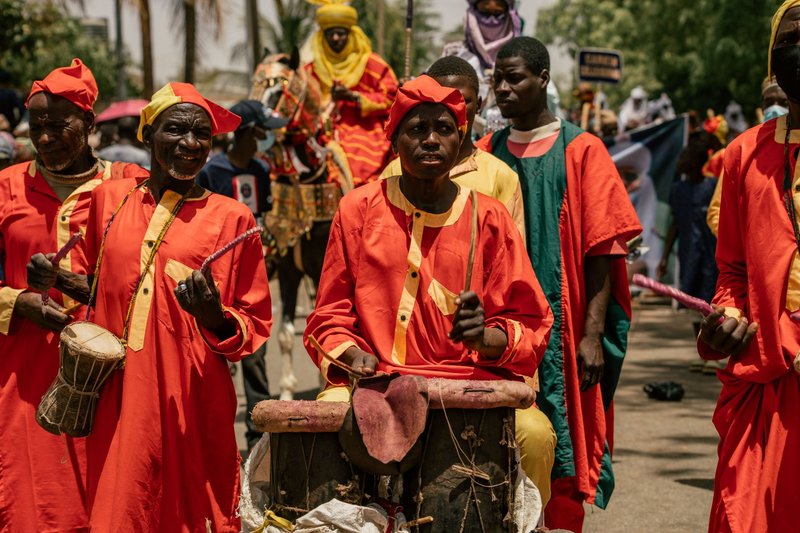
Candombe is the rhythm of Uruguay’s Afro-Uruguayan community, played on three types of hand-and-stick drums: chico, repique and piano. Its roots go back to enslaved Africans brought to the Río de la Plata in the 18th century, and it survived as a neighborhood practice in Montevideo’s Barrio Sur and Palermo. UNESCO inscribed candombe on its Representative List of the Intangible Cultural Heritage of Humanity in 2009.
You can still hear it informally. Drummers tune their instruments over a fire, because heat tightens the drumheads, and groups known as cuerdas march through the streets on weekends and before Carnaval. The sound carries for blocks: a deep, rolling pattern that’s hard to confuse with anything else.
How to take part. Follow the sound. During the Llamadas parade (see below), neighbors line the streets in Barrio Sur and Palermo and everyone is welcome to watch. Outside Carnaval, the Museo Afro Uruguayo and cultural centers in those barrios run workshops and talks.
Tango belongs to the same cultural conversation. Uruguay and Argentina share a joint UNESCO listing for the tango from the same year, and Montevideo still has milongas where locals dance, most nights of the week. Gardel’s Uruguayan claims are a running argument you don’t need to settle.
Carnaval: 40 days of it
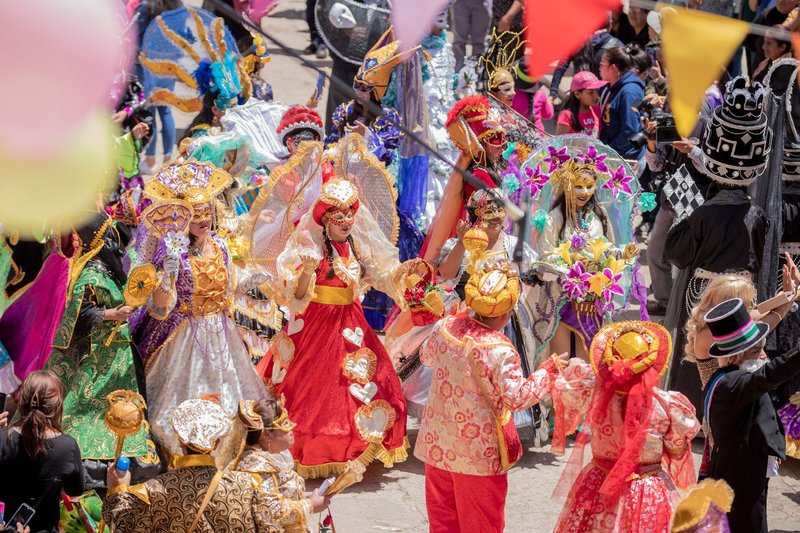
Uruguay’s Carnaval is often called the longest in the world. It runs for roughly 40 days from late January into March, packed with performances in neighborhood stages and theaters.
Three things define it:
- Murga. Groups of 10 to 17 singers in painted faces and patchwork costumes perform satirical songs about politics and daily life. It’s closer to a choir doing stand-up than to a parade. The main competition is held at Teatro de Verano in Montevideo.
- Candombe. The Desfile de Llamadas, the “calling” parade, is the high point. Hundreds of drummers and dancers walk through Barrio Sur and Palermo in early February, led by traditional characters: the Mama Vieja, the Gramillero and the Escobero.
- Tablados. Stages set up in neighborhoods all over Montevideo, where you can see murgas, parodistas and humoristas for a few dollars.
Practical notes. Tablados start late, often after 9 pm, and the main competitions run well past midnight. Montevideo accommodation tightens in the Llamadas weekend, so book ahead. And don’t expect Rio-style floats. This is a street-theater tradition built on words and drums.
Football
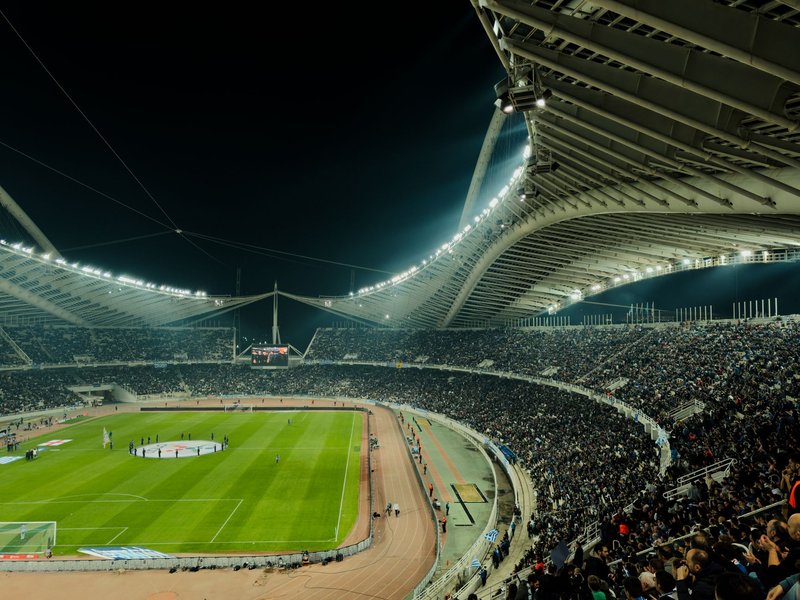
Uruguay won the first World Cup in 1930, hosted in Montevideo, and beat Brazil in the 1950 final round at the Maracanã, a result Brazilians still call the Maracanazo. A country of about 3.5 million people carries both facts around constantly.
The two clubs that split the country are Peñarol (black and yellow) and Nacional (tricolor). Their match, the Clásico, is among the oldest rivalries in the world. Fans claim a team at birth, and a father picking the wrong shirt for a newborn is a family joke with real edges.
How to take part. Games are played at the Estadio Centenario, built for the 1930 tournament and home to a small football museum. Tickets for league games are cheap. Sit in the stands, not behind the goal ends where the hardcore fans gather, and ask about the day’s security situation before a Clásico.
Gaucho heritage
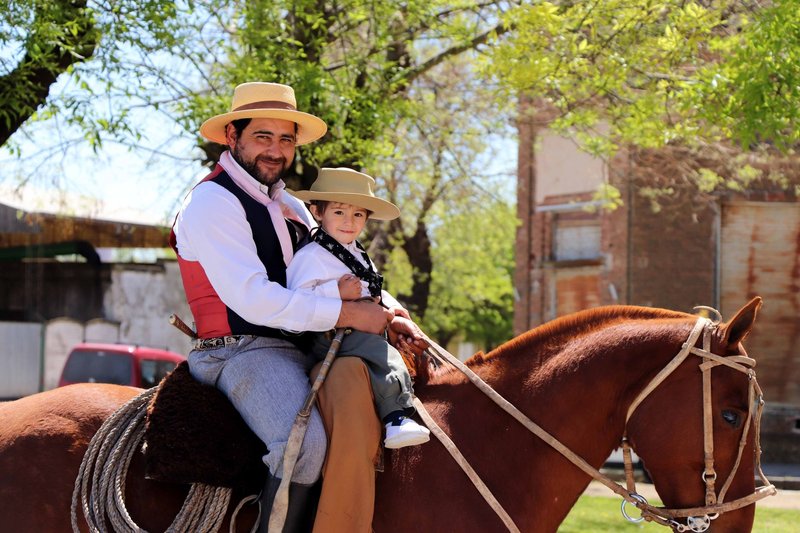
The gaucho, a horseback cattle herder of the pampas, is Uruguay’s founding figure. The bombachas (baggy trousers), the facón (knife), the boots and the wide-brimmed hat all trace back to the interior ranches. Gaucho life also gave the country mate, asado, and much of its folk music.
The biggest celebration is the Fiesta de la Patria Gaucha in Tacuarembó, held in March. Riders from across the country and from neighboring Brazil and Argentina gather for a parade, horse-taming (doma) displays, folk music and rodeo events. In Montevideo, the Semana Criolla at the Prado, which coincides with Semana de Turismo, offers a city version with horseback riding and food stalls.
How to take part. Book a day stay at an estancia (ranch). Many offer horseback riding, an asado lunch and demonstrations of lasso work. You’re welcome to wear the hat; it’s less welcome to treat the outfit as a costume.
Food traditions beyond the grill
Beyond asado, a few Uruguayan food habits are worth building a day around:
- Chivito. The national sandwich: thin steak, ham, mozzarella, egg, tomato and mayonnaise in a bun, often with fries. Despite the name, there’s no goat in it (chivito means “little goat”).
- Dulce de leche. Thick caramelized milk, eaten from the jar, spread on bread, and stuffed into alfajores and pastries.
- Torta frita. A round of fried dough, often dusted with sugar, that Uruguayans eat with mate on rainy days. When the sky turns gray, bakeries sell out of them.
- Medio y medio. A mix of white sparkling wine and moscatel, served at the Mercado del Puerto and Montevideo’s traditional cafés.
A calendar of traditions
| Month | Event | Where |
|---|---|---|
| Late January to March | Carnaval (murga, tablados) | Montevideo and across the country |
| Early February | Desfile de Llamadas (candombe parade) | Barrio Sur and Palermo, Montevideo |
| March or April | Semana de Turismo (Holy Week), with Semana Criolla and Semana de la Cerveza | Prado in Montevideo; Paysandú |
| March | Fiesta de la Patria Gaucha | Tacuarembó |
| August 24 | Noche de la Nostalgia | Nationwide |
| First weekend of October | Día del Patrimonio | Nationwide |
Two of those need explaining. Semana de Turismo is Holy Week, which Uruguay’s secular state officially renamed, and most locals use the time to travel inside the country. The Semana de la Cerveza in Paysandú is held in the same week, with music and beer on the riverfront. The Noche de la Nostalgia on August 24 celebrates old music across the country, with radio stations, dance halls and bars playing the oldies and staying open until dawn. The Día del Patrimonio opens historic buildings, churches and estancias for free on the first weekend of October, and it’s the best day of the year for getting inside places you can’t normally enter.
Montevideo versus the interior
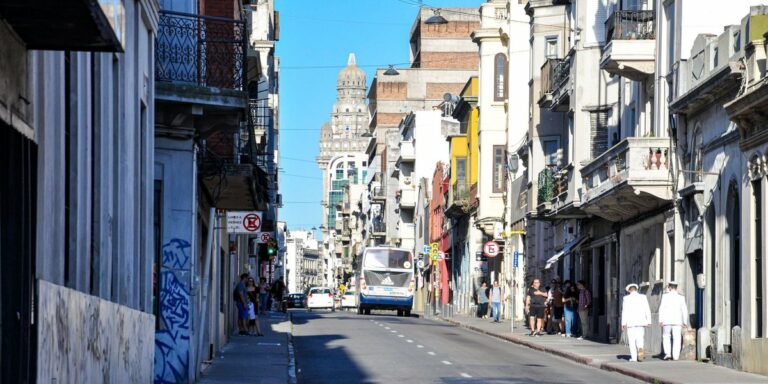
Montevideo is where candombe, murga and tango live, and where roughly half the country does too. The interior is where the gaucho, the estancia and the festival circuit live. Mate and asado are everywhere, but the flavor changes: in the interior, the thermos is bigger, the roads are quieter, and you’ll be invited to the asado faster. If you can only do one, do Montevideo for Carnaval season and the interior for a weekend.
Summary
The traditions in Uruguay come down to a few practices you can join in a single trip: share a mate and don’t stir the straw, eat an asado slowly, follow the candombe drums in February, and see a game at the Centenario. Time a visit to Carnaval or the Fiesta de la Patria Gaucha if you want the biggest crowds, or to the Día del Patrimonio in October if you want open doors and quiet streets.