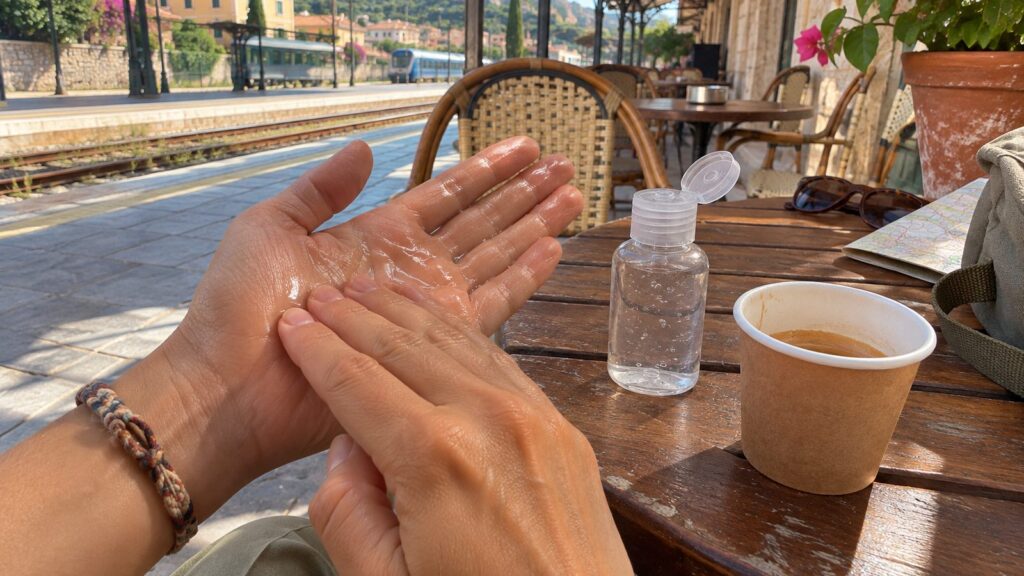
The best travel hand sanitizer has at least 60% alcohol and comes in a bottle of 3.4 oz (100 ml) or less. Purell Advanced in 2 oz flip-cap bottles is the one to buy for most trips. On a plane, pick an unscented one, such as the Honest spray or the EO gel, so the next seat doesn’t get your perfume.
Best travel hand sanitizer picks by trip
- Best overall: Purell Advanced gel, 2 oz. 70% ethyl alcohol in a carry-on size.
- Best spray for planes: Honest fragrance-free spray. 62% alcohol and no scent for the next seat.
- Best for a wallet or pocket: Purell Singles. Sealed single-use gel packets with no bottle to lose.
- Best holder: a 4-pack of silicone clip-on bottles that hang from a backpack strap.
- Best for kids: Wet Ones travel wipes for sticky hands, with an alcohol gel kept by the parent.
- Best backup: soap sheets. Soap and water still beat sanitizer, and the sheets fit in a passport pocket.
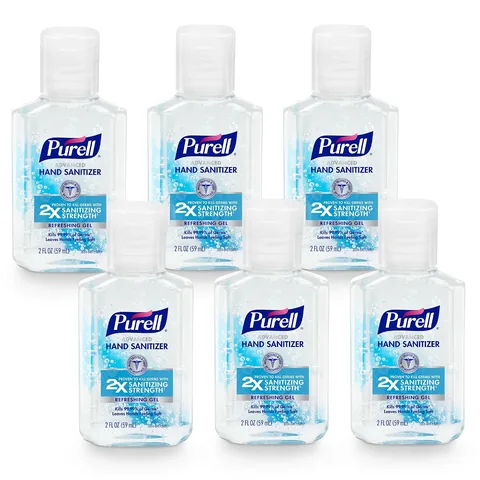 Purell Advanced Gel 2 ozMid-rangeCheck price on Amazon
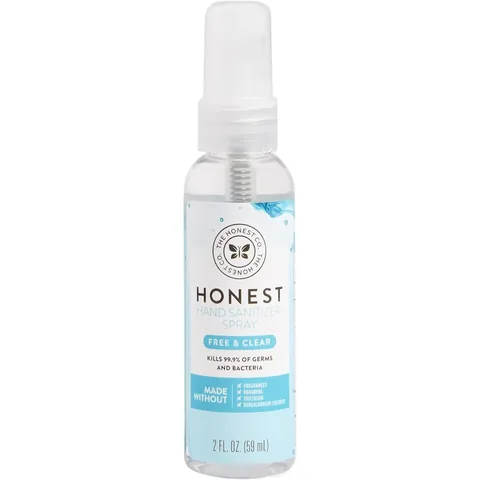 Honest Fragrance-Free SprayBudgetCheck price on Amazon
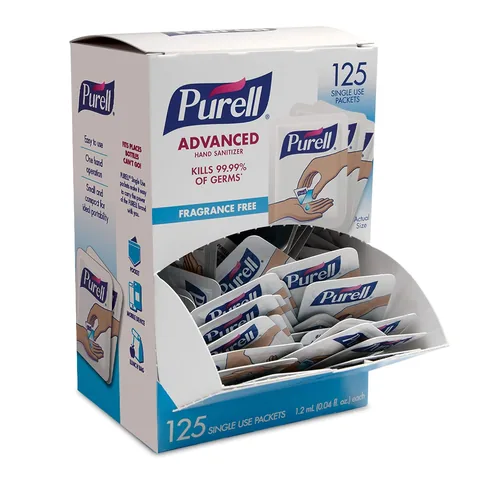 Purell Singles Gel PacketsMid-rangeCheck price on Amazon
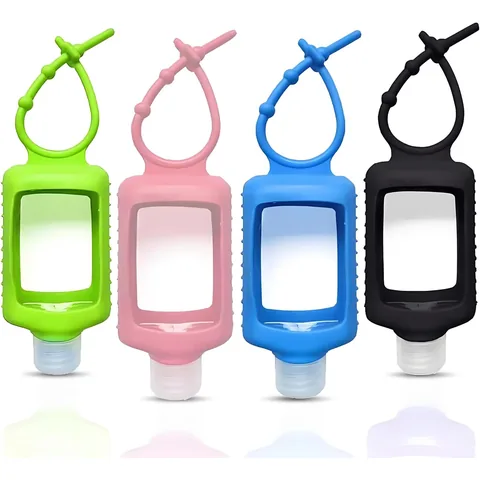 Silicone Sanitizer Holder 4-PackBudgetCheck price on Amazon
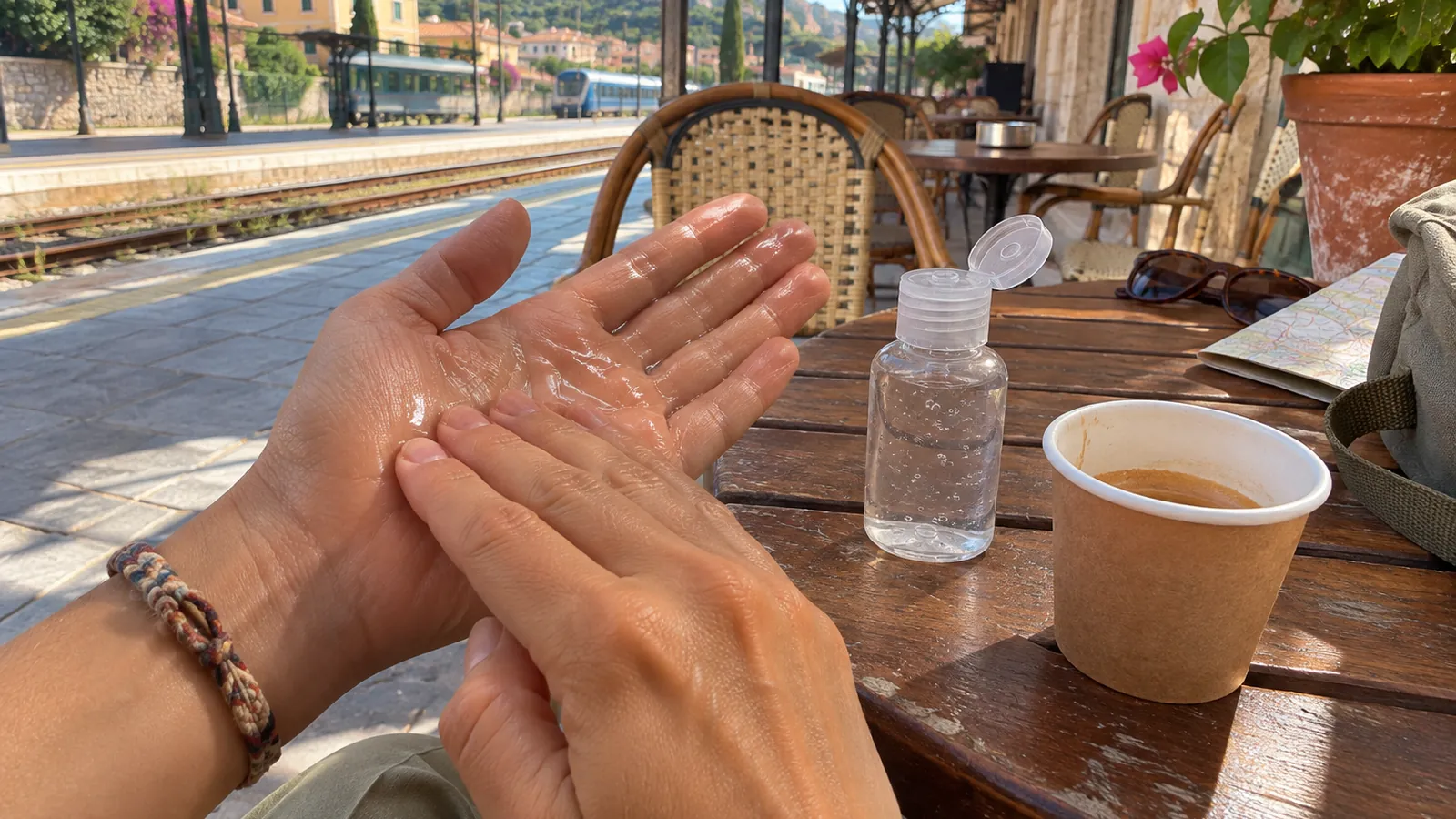
What makes a good travel hand sanitizer
Run any bottle through these five checks.
Alcohol between 60% and 95%. The CDC says rubs in that range kill germs better than weaker or alcohol-free products. Ethanol and isopropanol both work: the WHO’s own hospital formulas use 80% ethanol or 75% isopropanol. The percentage sits in the Drug Facts box under “Active ingredient”. If a bottle only says “alcohol” with no number, skip it.
A real Drug Facts label and a named maker. The FDA built a do-not-use list of sanitizers found with methanol, benzene or other problems, or made by companies that ignored its records requests. In 2022 Best Brands recalled kid-themed 2.11 oz bottles printed with Mickey Mouse (methanol) and The Mandalorian (benzene). Buy from a brand that prints its manufacturer and a full Drug Facts box.
Size. A travel size hand sanitizer means 3.4 oz (100 ml) or less, the limit for a carry-on. TSA doesn’t approve brands, so “TSA approved hand sanitizer” on a listing only means the bottle is under that size. A 2 oz bottle leaves room in the liquids bag for everything else.
Format. Gel stays where you put it, and the CDC’s cruise guidance names it as the preferred form. Sprays reach the backs of the hands without rubbing gel around. Wipes skip the liquids bag. Most travelers end up with one gel or spray plus a few packets.
How to use it. A palmful, rubbed over the backs of the hands, between the fingers and under the nails until dry, about 20 to 30 seconds. Wiping it off on your jeans before it dries cuts the effect.
Best travel hand sanitizer gels
Purell Advanced gel, 2 oz
Purell Advanced Gel 2 ozMid-range
Each 2 oz bottle sits under the TSA 3.4 oz limit and the gel is 70% ethyl alcohol, above the CDC 60% minimum. Six bottles cover a whole trip.
- Ethyl alcohol 70% v/v, Refreshing Gel, six 2 fl oz flip-cap bottles
- Free of triclosan, parabens, phthalates; made by GOJO, the Purell maker
Purell is made by GOJO in Ohio. The 2 oz flip-cap bottle is the standard: 70% ethyl alcohol in a gel with a light “Clean” scent and no triclosan or parabens. A 6-pack lets you leave one in each bag you travel with.
EO unscented gel
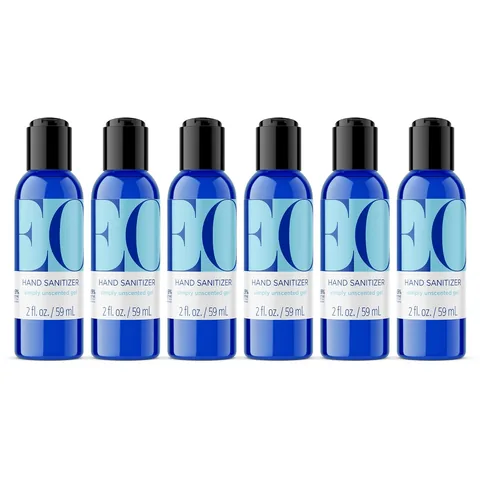
EO Unscented Gel 2 ozMid-range
Unscented 62% ethanol gel in 2 oz bottles. Gel will not mist the row behind you, and the unscented formula suits scent-sensitive seatmates.
- Organic ethanol 62%, unscented gel
- Six 2 oz bottles made from recycled plastic
EO’s gel is 62% organic ethanol with no added fragrance. It’s the pick for travelers who get headaches from scented products or who share a car or a cabin with someone who does. The bottles are recycled plastic, which matters at airports that turn away metal containers (more on that below).
Best hand sanitizer sprays for travel
A spray covers both hands in two pumps. The trade-off is drift. A pump spray sends a fine mist past your own hands, and in an economy row that mist lands on the people next to you.
I sat through the scented version on an overnight TAP flight from Lisbon to São Paulo in August. The man in the next seat sprayed a eucalyptus sanitizer after every meal and the smell hung over the row until landing.
Honest fragrance-free spray
Honest Fragrance-Free SprayBudget
Fragrance-free at 62% ethyl alcohol, so it will not add scent to a plane cabin. The 2 oz size fits the TSA 3.4 oz limit with room to spare.
- Ethyl alcohol 62% (plant derived), fragrance-free, 2 fl oz spray
- Hypoallergenic, dermatologist tested, with aloe and calendula
Honest’s spray is 62% plant-derived ethyl alcohol with aloe and no fragrance. On a plane, unscented is the polite choice. In r/travel threads about long economy flights, scented sprays and lotions come up again and again as a cause of headaches in nearby seats, and frequent flyers on r/TravelHacks say travel-size wipe packs dry out before the trip ends.
Dr. Bronner’s peppermint spray
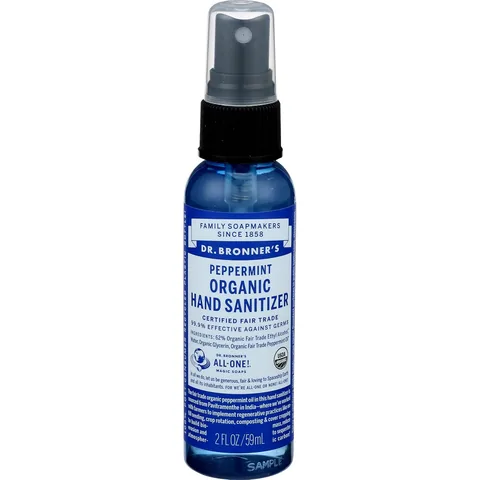
Dr. Bronner's Peppermint SprayBudget
62% ethanol clears the CDC 60% line and the 2 oz size clears the TSA 3.4 oz limit. It is peppermint-scented, so pick the fragrance-free spray if cabin smells bother you.
- 62% organic fair trade ethyl alcohol, water, organic glycerin, peppermint oil
- 2 fl oz spray bottle; organic ingredients and fair trade alcohol
Dr. Bronner’s uses 62% organic fair trade ethanol, water, glycerin and peppermint oil. Use it in the airport or the hotel room and switch to the Honest spray on the plane itself.
Any spray that works with a button or nozzle needs its cap on in your bag. Both TSA and the federal hazmat rules require the release device to be protected so it can’t go off by accident.
Hand sanitizer wipes and single packets
Wipes don’t count as liquids at a US checkpoint. TSA lists wet and disinfecting wipes as allowed in carry-on and checked bags with no quantity limit. Gel packets are still gel, but each one is tiny and a handful fits in a wallet.
Purell individually wrapped wipes
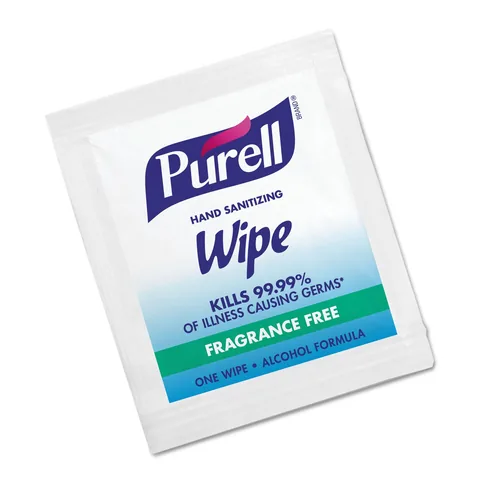
Purell Individually Wrapped WipesBudget
TSA lists wet wipes as OK in carry-on and checked bags with no quantity limit stated. Each wipe is 62% alcohol and sealed, so one tucks into a pocket.
- 62% alcohol formulation, individually wrapped, unscented
- Non-linting wipe in a sealed foil packet; sold here as a 100-count tub
Each wipe is sealed in its own packet, so none dry out halfway through a trip, the usual problem with resealable travel packs. They’re unscented and 62% alcohol, and a few fit in a jacket pocket.
Purell Singles gel packets
Purell Singles Gel PacketsMid-range
Single-use packets of 70% ethyl alcohol gel, above the CDC 60% minimum. A few fit in a wallet or pocket for a day out with no bottle to carry.
- Ethyl alcohol 70% v/v, fragrance-free, 125 single-use gel packets
- No-leak durable packets; also sold as Purell Singles
These are 70% alcohol gel in single-use packets, the same formula as the bottle. Five in a passport wallet cover a day of sightseeing with no bottle to lose. They’re also the answer for a small bag or an evening out, when a bottle is one thing too many.
Hand sanitizer for kids on the road
Children touch everything in an airport and then put their hands in their mouths. Sanitizer helps, but the bottle itself is the risk. The FDA says even a small amount swallowed can cause alcohol poisoning in a child, and the CDC counted close to 85,000 calls to US poison centers about children and hand sanitizer between 2011 and 2015. Brightly colored, scented bottles get swallowed most.
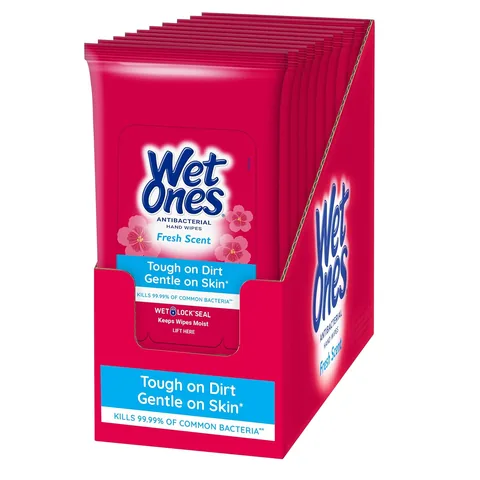
Wet Ones Travel Pack WipesMid-range
Gentle on kids' hands, but alcohol-free (BZK). CDC says to use 60%+ alcohol when no soap is near, so keep these for sticky hands, not as the only sanitizer.
- Active ingredient benzalkonium chloride 0.13%; no alcohol; 20 wipes per travel pack
- Fresh scent with aloe; hypoallergenic, paraben free, no sticky residue
Wet Ones use benzalkonium chloride instead of alcohol. Alcohol-free products kill fewer germs, according to the CDC, and the FDA has not yet ruled on benzalkonium in consumer hand rubs. An alcohol free hand sanitizer for travel is a gentler option, not an equal one. Use the wipes for sticky fingers and snack time. Keep an alcohol gel in the parent’s bag, out of reach, and apply it yourself before meals.
If a child swallows sanitizer in the US, call Poison Help at 1-800-222-1222 straight away rather than waiting for symptoms.
Travel hand sanitizer holders and refillable bottles
A bottle at the bottom of a backpack doesn’t get used. A holder on the strap does.
Silicone clip-on holder, 4-pack
Silicone Sanitizer Holder 4-PackBudget
Each 60 ml bottle is under the TSA 3.4 oz limit and clips to a bag strap, so a refill of gel stays in reach through the whole airport.
- Four 60 ml (2 oz) PETG plastic bottles with silicone sleeves and keychain loops
- Flip-cap leak-proof design; plastic body, no metal
Four 2 oz plastic bottles with silicone sleeves and a loop for a keychain or a bag strap. A hand sanitizer keychain works best on the outside of a day bag, where you reach for it without stopping. Fill them from a large home bottle and clip one to each bag. One refill bottle at home replaces a drawer of half-used travel sizes.
GoToob+ refillable bottles
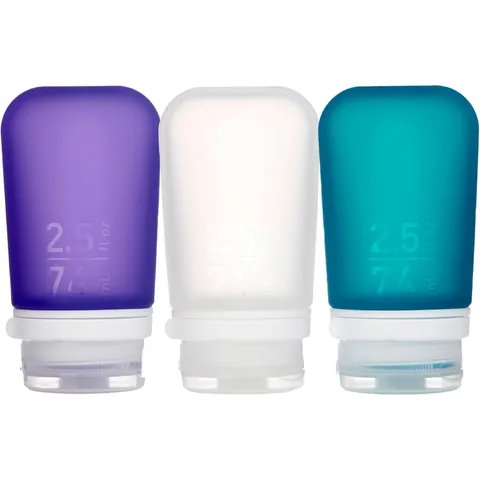
humangear GoToob+ 3-PackMid-range
Silicone squeeze bottles, 2.5 fl oz each. Gatwick bans metal and double-walled containers for its 2 L rule, so soft plastic or silicone is the safe choice.
- Three refillable 2.5 fl oz silicone bottles with the LoopLock locking cap
- 2.5 fl oz each, under the 3.4 oz carry-on limit; stands on its cap for filling
GoToob+ bottles hold 2.5 fl oz each, squeeze from the bottom and lock shut with a twist of the cap. They stand on their wide lid, which makes refilling from a big bottle easy.
Pick plastic or silicone over metal. At Gatwick, the 2 litre liquid allowance excludes metal and double-walled containers, and Heathrow asks that metal and insulated bottles be emptied. A sleek aluminum spray bottle is the one most likely to get pulled from your bag.
Can you bring hand sanitizer on a plane?
Yes, in a container of 3.4 oz (100 ml) or less inside your clear liquids bag, and in larger bottles in a checked bag.
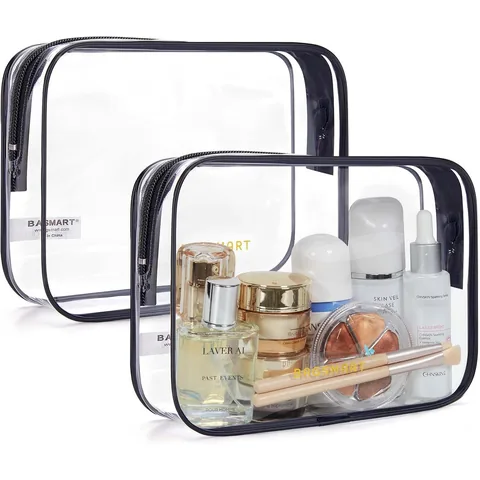
BAGSMART Clear Quart Bag 2-PackBudget
TSA's 3-1-1 rule is one clear quart-size bag of containers 3.4 oz or smaller. Two bags keep sanitizer, soap and cream separate from other liquids.
- Two clear PVC bags, 8.2 x 2 x 6 inches, sized for the 3-1-1 rule
- Reinforced seams; the listing notes the zipper is not waterproof
The 12 oz exception no longer appears. In March 2020 TSA allowed one hand sanitizer bottle of up to 12 oz in carry-ons and called it temporary. TSA’s current hand sanitizer page lists only 3.4 oz (100 ml). Some travel sites still repeat the 12 oz rule. Pack to the 3.4 oz limit.
Checked bags. Federal hazmat rules treat sanitizer as a toiletry: no single container over 17 fl oz (500 ml) and no more than 68 fl oz (2 L) of toiletries in total per person. Any bottle up to 17 fl oz fits. A 1 litre refill jug does not.
Europe and the UK. The 100 ml rule is changing airport by airport, not all at once. The UK government told airports in 2022 to install CT scanners and lift the limit to 2 litres, but its own air travel checklist, updated in July 2026, still says 100 ml. According to Euronews in January 2026, Heathrow, Gatwick, Edinburgh, Dublin, Rome Fiumicino and Milan Linate allowed 2 litres, while Paris, Madrid, Lisbon and Athens still enforced 100 ml. The European Commission put some EU airports back on 100 ml in September 2024 after a problem with the scanners.
The practical rule: pack 100 ml bottles. They pass at every checkpoint on every leg, including a return through an airport that never got the new machines.
Where hand sanitizer doesn’t work
Sanitizer kills many germs on clean hands. It does much less on dirty hands and against the bug travelers fear most.
Cruise ships and norovirus
More than 90% of stomach-bug outbreaks on cruise ships with a known cause are norovirus, according to the CDC, and the CDC says plainly that hand sanitizer does not work well against it. Its advice to cruise passengers is to wash with soap and warm water before eating, after the bathroom and after touching railings and elevator buttons, and to keep gel for shore excursions with no sink.
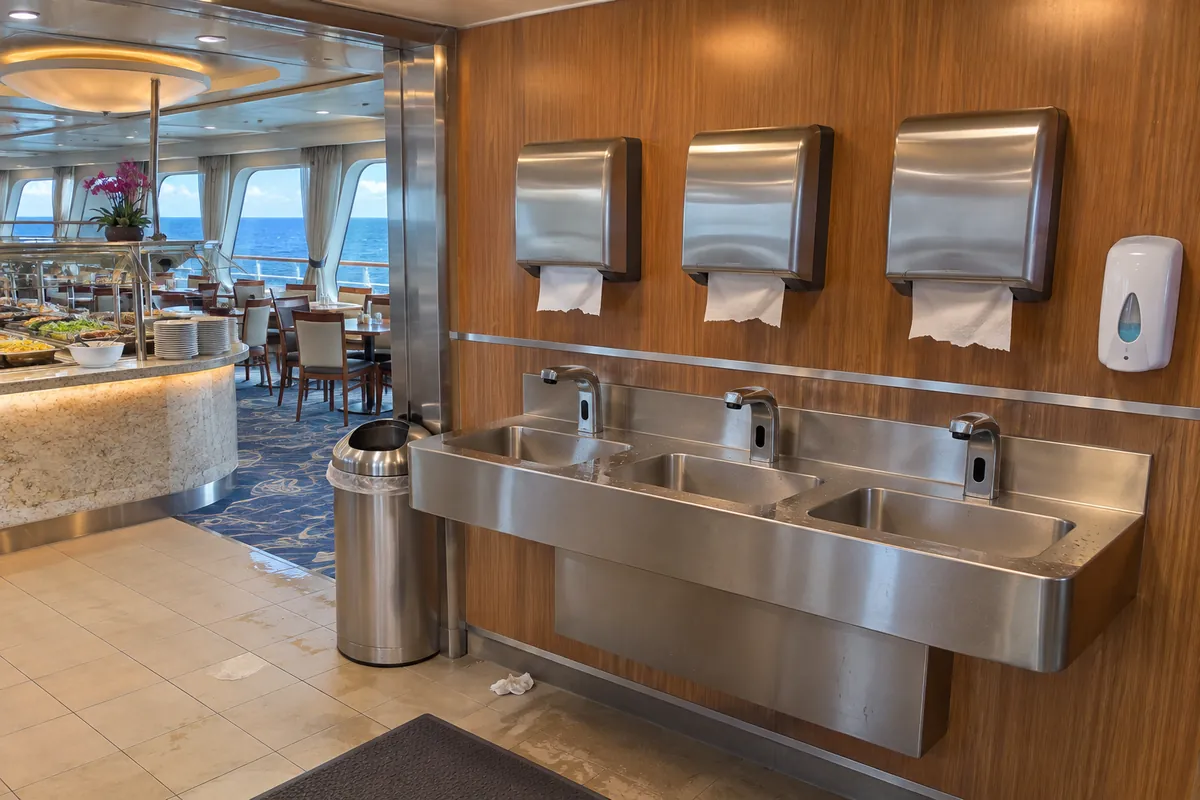
On a press cruise along the Norwegian fjords in July 2018, a stomach bug notice went up on the third morning. Crew took over serving at the buffet and stood at the doors sending everyone to the sinks, not the gel dispensers. Our cruise packing list covers the rest of what goes in a cabin bag.
Street food and markets
At a taco stand or a night market there’s rarely a sink, and that’s where a bottle earns its place. Use it after handling cash and before eating. If your hands are greasy from the last stop, wipe them with a napkin first: the CDC says sanitizer may not work on greasy or visibly dirty hands.
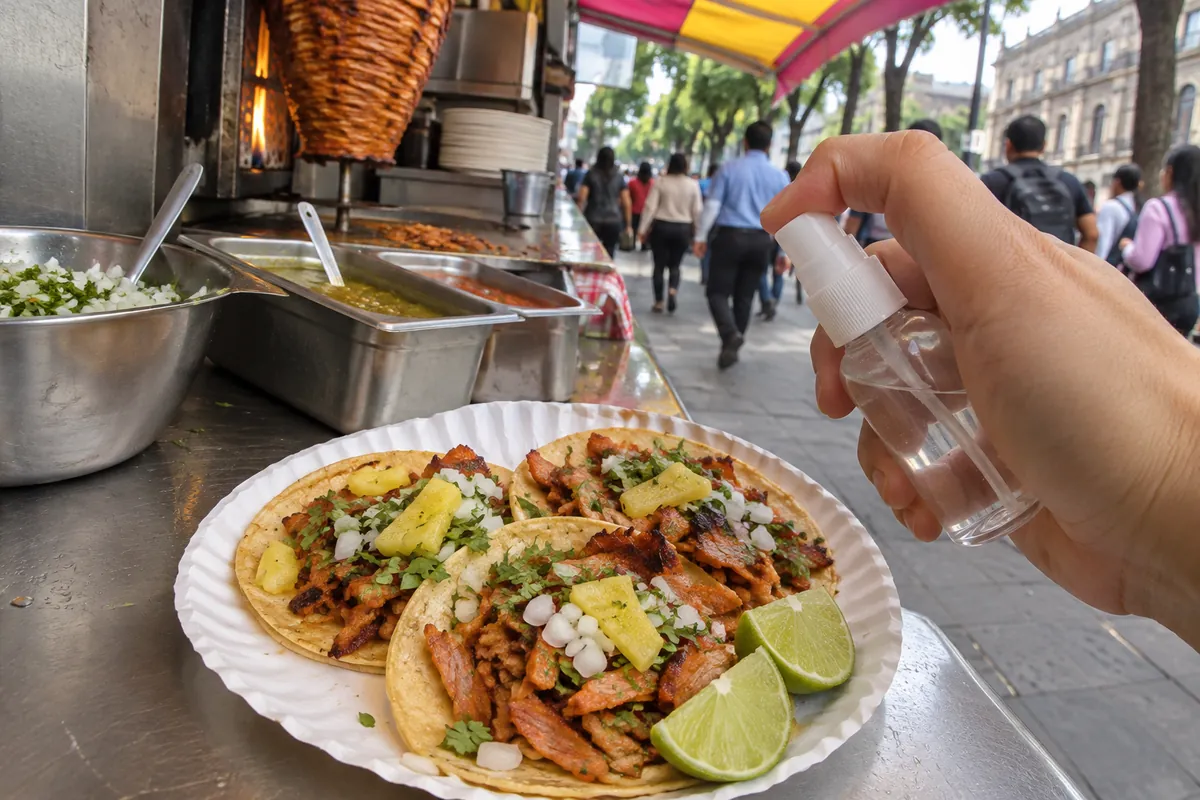
I lived in Mexico City during the swine flu outbreak in April 2009. Restaurants were closed to diners for days and metro staff squirted gel into every passenger’s hands at the turnstiles. A pharmacy bottle of gel lived in my bag for the rest of that year.
Hikes, campsites and the beach
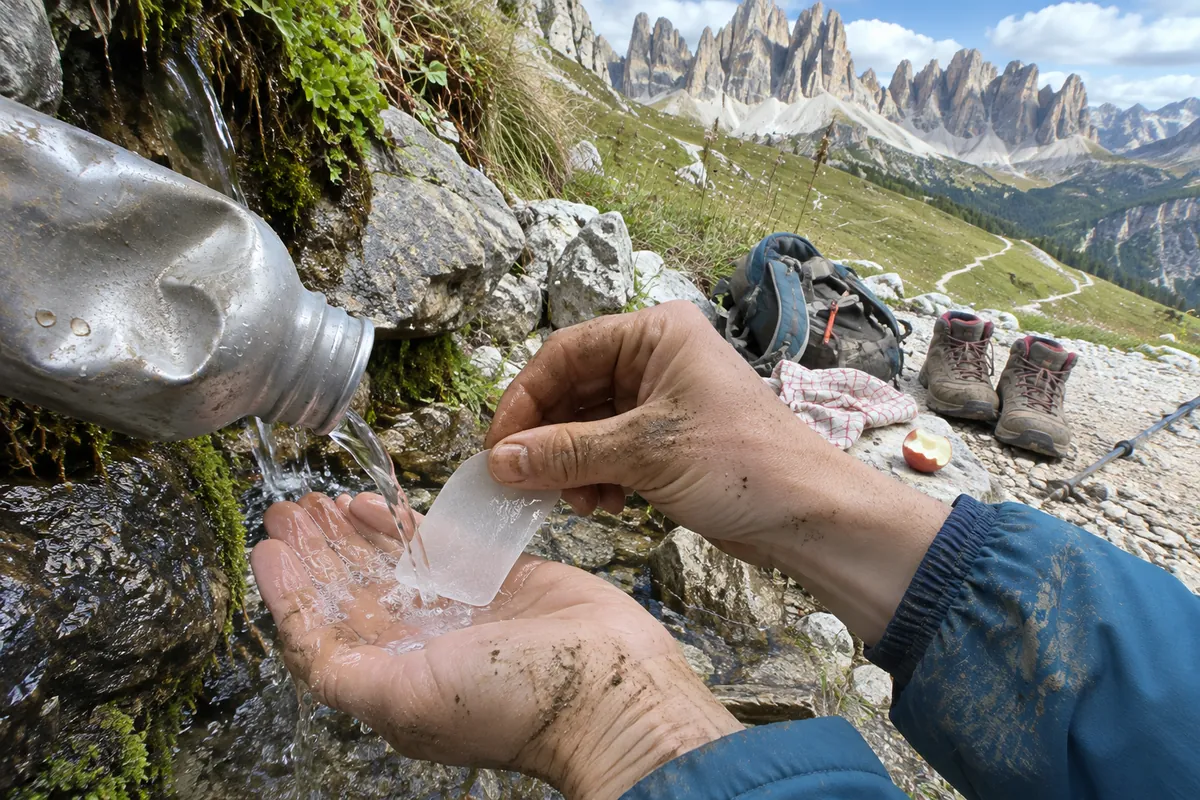
Mud, sunscreen and sand all count as visibly dirty, the case where the CDC says to wash first. Soap sheets solve it with a splash from a water bottle or a spring.
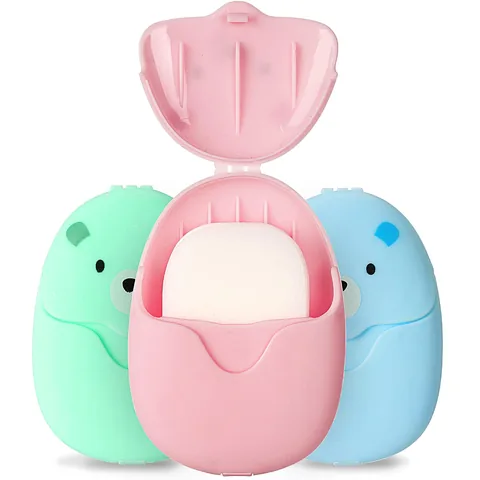 Paper Soap Sheets 150 CountBudgetCheck price on Amazon
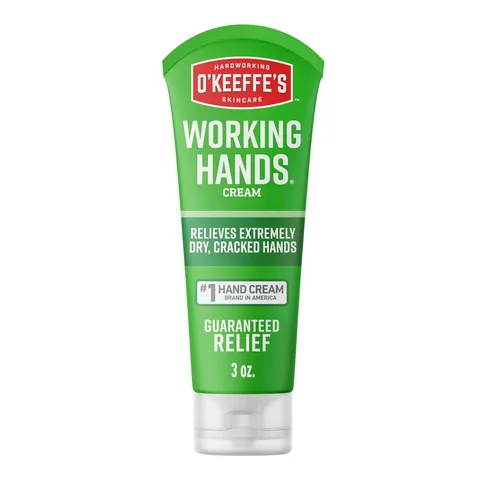 O'Keeffe's Working Hands 3 ozBudgetCheck price on Amazon
A sheet dissolves in wet hands and rinses off like bar soap, and a box of 50 fits in a hip-belt pocket. Pair them with a small tube of hand cream for hands that dry out from alcohol and frequent washing.
Your travel hand hygiene kit
The setup below covers a flight, a city break or a cruise. It sits next to a travel toothbrush case in the same toiletry kit, and the packing list generator adds it to a full trip list.
In your pocket or day bag
- 2 oz gel or spray, 60% alcohol or more
- A few single packets or wrapped wipes for the wallet
- Clip-on holder on the bag strap
- Small pack of tissues for sinks with no paper towels
In the liquids bag
Outside the liquids bag
- Soap sheets for hikes, campsites and train toilets
- Wet wipes for kids and sticky hands
- Bigger sanitizer refill in the checked bag, 17 fl oz or less
Travel hand sanitizer FAQ
How do you stop hand sanitizer leaking in a suitcase?
As cabin pressure drops on the climb, air trapped in a half-empty bottle expands and pushes gel past the cap. Squeeze the air out before you close the bottle, lock or tape flip caps, and pack bottles upright inside the clear bag. Sealed single packets and wrapped wipes have no cap to fail.
Is it safe to leave hand sanitizer in a hot car?
Keep it out of a parked car in summer. Alcohol rubs are flammable, and the WHO lists the flash point of an 80% ethanol rub at 17.5 °C (about 63 °F), so the vapor can ignite at room temperature. The FDA also warns that sanitizer vapor in a closed car can cause headaches, nausea or dizziness, so open a window while your hands dry.
Do cruise lines let passengers pack their own sanitizer?
Royal Caribbean's prohibited items list doesn't mention hand sanitizer, though it bans flammable materials in general and security has the final say. Bring normal travel bottles rather than a large jug. Ships keep sinks and gel at the buffet doors, so a 2 oz bottle for shore days is enough.