
TLDR
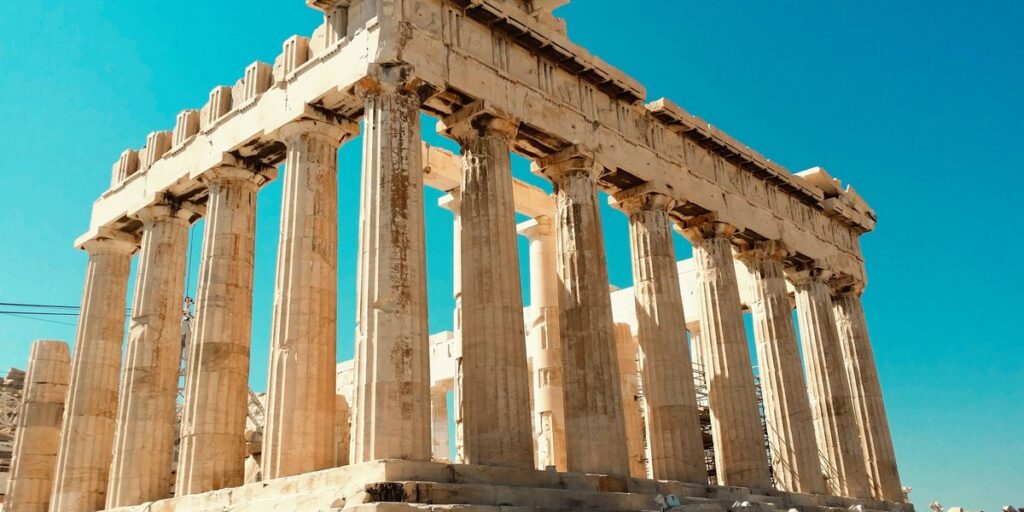
Greece is safe. Violent crime against visitors is rare in every city below, and the real risks are pickpockets, scams, scooters, heat, wildfires and earthquakes. The safest cities in Greece for a stress-free base are Ioannina, Nafplio, Ermoupoli (Syros) and Chania. Thessaloniki is the best big-city pick. Athens lands last on this list only because it is the biggest and busiest, not because it is dangerous.
Table of contents
- What “safe” means in Greece
- What the safety rankings actually measure
- The safest cities in Greece, ranked
- Comparison table
- Athens vs the islands: settling the contradiction
- Safety for solo women
- Safety for families
- Walking at night
- Wildfires, heat and earthquakes
What “safe” means in Greece
Search for the safest cities in Greece and you’ll find lists that rank five places, pad the fifth by merging two islands into one entry, and attach a “safety index 73” with no year or scale. This one ranks real cities and tells you what each number means.
The honest picture is split in two. Violent crime aimed at tourists is uncommon. Greek city centers stay busy until after midnight, families eat dinner at 10 p.m., and you’ll see grandmothers walking home at hours that would raise eyebrows elsewhere.
What does happen is smaller and more annoying:
- Pickpocketing on crowded metro cars, buses and around major sights.
- Scams, mostly overcharging: unmetered taxis, the “friendly stranger” who steers you to a bar with a ruinous bill, beach clubs with menus that arrive after the order.
- Road traffic. Rental scooters and quads on the islands put more tourists in hospital than crime does.
- Nature. Summer heat, wildfires and earthquakes affect where and when you go more than any crime statistic does.
What the safety rankings actually measure
Three sources drive most of the “Greece is dangerous / Greece is safe” headlines, and they measure different things.
Government advisories. The US State Department has generally rated Greece at its lowest caution tier, “exercise normal precautions”, and the UK Foreign Office lists the practical risks: petty theft, protests and strikes, wildfires and seismic activity. Both are written for travelers, which makes them the most relevant source here. Check the current level before you book, since it can change.
Numbeo. Its crime and safety indexes come from user-submitted surveys about how safe people feel. They capture perception, not police records, and a city with few respondents can swing wildly. Treat it as a mood reading.
European perception surveys. European Commission surveys of residents ask how safe people feel in their own city. Athens residents have tended to score lower than residents of many northern European capitals, which is where headlines like “Greek cities among Europe’s least safe” come from. That measures residents’ unease, often about petty crime and economic stress, not the odds that a visitor gets hurt.
The gap between recorded crime and felt safety is the key to reading all of it. A city can feel tense to the people who live there and still be an easy place to visit for four days.
The safest cities in Greece, ranked
This ranking is editorial judgment, not a formula. It weighs how comfortable night walking is, how much pickpocket and scam pressure you’ll face, and how exposed the city is to natural hazards. Where two cities tied, the smaller one went higher.
1. Ioannina
An inland lake city in Epirus with a university, a walled Ottoman-era citadel and almost no tourist-trap economy. Nobody is pitching you anything. Locals walk the lakefront at night, and students keep the café streets busy well past midnight.
- Areas: The lake promenade, the old town inside the castle walls and the center around Pyrros Square are all comfortable after dark.
- Watch for: Cold, foggy winters and mountain roads if you drive into the Zagori villages. Epirus is seismically active, though damaging quakes are infrequent.
- Suits: Travelers who want a calm base with real Greek daily life, and anyone driving toward the Zagori gorges.
2. Nafplio
The first capital of modern Greece is a compact Venetian-era seaside town below the Palamidi fortress. The old town is pedestrian-heavy, lit and busy in the evenings, and small enough that you rarely stray into an empty street.
- Areas: The old town and the waterfront Arvanitia promenade are both fine at night.
- Watch for: Summer wildfires in the surrounding Argolid hills, and parking-lot break-ins at remote beaches.
- Suits: Couples, families and first-timers who want a base for day trips to Epidaurus and Mycenae.
3. Ermoupoli, Syros
The capital of the Cyclades is a working island town, not a postcard. Neoclassical mansions ring Miaouli Square, ferries and shipyards keep it employed year-round, and the Catholic hilltop village of Ano Syros sits above it. Because locals live here all year, the tourist-scam layer found on Mykonos and Santorini is thin.
- Areas: The harbor, Miaouli Square and the streets behind it are comfortable at night. Ano Syros has uneven stairs, so bring a light.
- Watch for: Strong meltemi winds in July and August that cancel ferries, and a sparse bus network.
- Suits: Solo travelers and anyone who wants Cycladic scenery without Mykonos prices.
4. Chania, Crete
The Venetian harbor and the maze of Old Town lanes behind it are busy and well lit until late. Crete in general has a strong family-and-neighbor culture that keeps street crime low.
- Areas: The harbor, Splantzia and the Old Town are fine. The party strips at Malia and Hersonissos, further east, are a different story: drunk crowds and bar scams.
- Watch for: Crete is the most earthquake-prone part of Greece. Hiking, including the Samaria Gorge, closes in extreme heat or fire risk, and hospital visits from scooter crashes are common.
- Suits: Families, couples and travelers who plan to rent a car and see the island.
5. Thessaloniki
Greece’s second city is a university town with a long waterfront promenade that fills up at night. It feels more like a lived-in Mediterranean city than Athens does, with fewer tourists and fewer people trying to sell them something.
- Areas: The waterfront, Aristotelous Square, Ladadika and Ano Poli (the upper town) are comfortable. Stay alert around the train station area late at night.
- Watch for: Pickpockets on crowded buses and around markets such as Modiano. Thessaloniki was hit by a magnitude 6.5 earthquake in 1978, so it sits in a moderate seismic zone.
- Suits: City-break travelers, food-focused trips, and anyone who finds Athens overwhelming. It is the strongest answer to the Thessaloniki vs Athens safety question for first-timers who don’t want scam pressure.
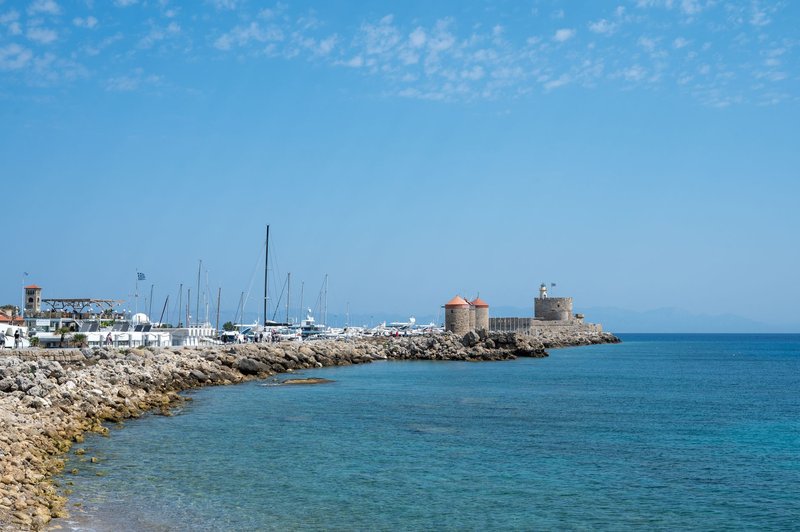
6. Rhodes Town
The medieval Old Town is a UNESCO site with a Street of the Knights, and it’s busy from morning until midnight. Tourism is the main industry, so police and patrols are visible in the center.
- Areas: The Old Town and the Mandraki harbor are fine. Bar streets in the New Town get rowdy late.
- Watch for: Wildfire is the main issue on Rhodes. The July 2023 fires forced the evacuation of roughly 19,000 people from the island’s southeast coast, although Rhodes Town itself was largely spared. Check fire-risk alerts if you rent a car.
- Suits: History fans and beach-and-city combos, in spring or autumn rather than peak summer.
7. Heraklion, Crete
Crete’s biggest city is a working port that serves as the gateway to Knossos. It’s safe in the center, but it is a bigger, busier place with traffic that rewards caution, and few visitors linger after dark.
- Areas: The Venetian harbor, Eleftherias Square and the Old Town center are fine. The ring roads and the port area aren’t pleasant at night.
- Watch for: Fast, chaotic traffic and the highest earthquake exposure on this list, along with 40-degree summer days.
- Suits: Travelers passing through for Knossos and the archaeological museum, who will spend the rest of the week elsewhere on Crete.
8. Patras
Greece’s third city is a port with a huge student population and the biggest carnival in the country. It’s also a transit point for ferries to Italy, and the area around the port and the lower center can feel rougher at night than the rest of the city.
- Areas: The upper town (Ano Poli) and the Psilalonia square are comfortable. Avoid wandering the port edges and empty side streets late.
- Watch for: Opportunistic theft near the port and an area with significant seismic activity.
- Suits: Travelers catching an Italy ferry or visiting Peloponnese sites. Patras isn’t a base most visitors need.
9. Athens
The capital sits last because of size, not danger. It has the most pickpockets, the most scam attempts and the most protests of any Greek city, and it also has the Acropolis, the best food and the largest choice of neighborhoods. Violent crime aimed at tourists remains rare.
- Good areas: Plaka, Koukaki, Pangrati, Kolonaki, Psyrri (busy) and Monastiraki by day are comfortable, and the Acropolis area is heavily visited all day.
- Areas to avoid after dark: Omonia Square and the streets around it, parts of Victoria Square and the Metaxourgeio edge. Exarcheia is fine for a daytime coffee, but skip it during protests, especially around November 17, the anniversary of the 1973 Polytechnic uprising, when marches and clashes with police are routine.
- Watch for: Pickpockets on Metro Line 3 to the airport, the X95 airport bus and the Monastiraki platform. Summer heat that closes the Acropolis during the hottest hours.
- Suits: Everyone who accepts a little more street awareness in exchange for the best of Greece.
Comparison table
| City | Night-walking comfort | Pickpocket and scam risk | Main natural hazards | Best for |
|---|---|---|---|---|
| Ioannina | High | Low | Earthquake (moderate) | Calm base, Zagori trips |
| Nafplio | High | Low | Wildfire, earthquake | Couples, families, day trips |
| Ermoupoli | High | Low | Wind, ferry cancellations, wildfire (low) | Solo travelers, Cyclades without crowds |
| Chania | High in the center | Low to moderate | Earthquake (high), heat, wildfire | Families, car-based trips |
| Thessaloniki | High in the center | Moderate | Earthquake (moderate), heat | City breaks, food trips |
| Rhodes Town | High in the Old Town | Moderate | Wildfire, earthquake | History and beach combos |
| Heraklion | Moderate | Moderate | Earthquake (high), heat | Knossos and onward travel |
| Patras | Moderate | Moderate | Earthquake (high) | Ferry connections |
| Athens | Moderate, varies by area | High | Heat, wildfire on the edges, earthquake | Sights, food, first visits |
These are editorial ratings based on advisories, local reporting and typical visitor experience, not official statistics.
Athens vs the islands: settling the contradiction
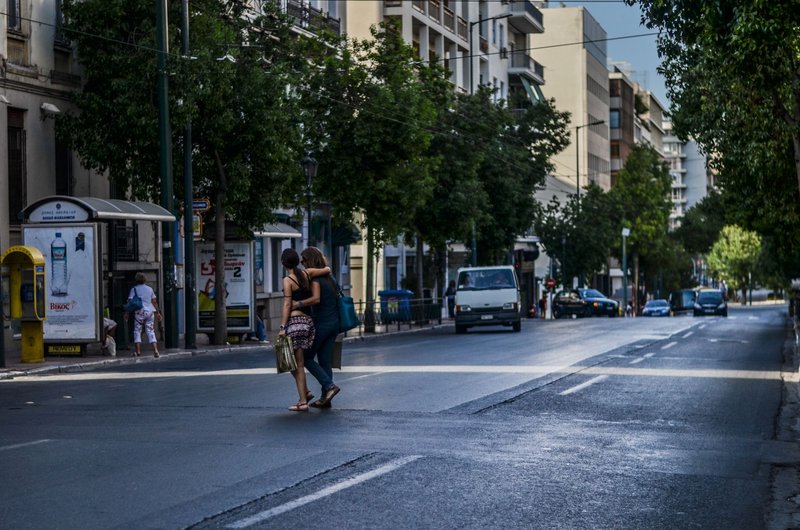
Athens gets called “one of the safest capitals in Europe” and, in the same article, gets scam warnings. Both statements are true because they answer different questions.
Safe from violence? Yes, comfortably. Safe from losing a wallet? Less so. A capital of several million people, with a metro that carries large numbers of tourists and a few high-traffic sights, attracts pickpockets and hustlers the way every major European capital does. Those crimes are rarely violent, and they’re mostly preventable: keep your phone out of back pockets on the Metro, use a ride-hailing app such as FREE NOW or insist on the meter, and say no to any stranger who invites you for a drink.
The islands have a different profile. Tourist-heavy places like Mykonos and Santorini have little street crime but a lot of price gouging, and the main safety issues are scooters, cliffs, sunburn and heat. Smaller island towns such as Ermoupoli lean safer than both, because residents outnumber visitors.
Safety for solo women
Greece is one of the more comfortable European countries for women traveling alone. Harassment, when it happens, is mostly verbal: catcalls in nightlife areas, persistent invitations from restaurant touts and bar staff. A firm “no, thank you” ends most of it.
Good picks are Ioannina, Nafplio, Chania’s Old Town and Ermoupoli, where the evening crowd is local and mixed. If you’re asking about the safest Greek islands for solo female travelers, Syros, Naxos and Paros are the usual answers, and they’re ones where you can walk home from dinner without much thought. Skip the party strips at Malia, Hersonissos, Faliraki and Kavos if a quiet week matters.
In Athens, stick to Plaka, Koukaki, Pangrati and Kolonaki for accommodation, and take a taxi or ride-hailing car late at night rather than walking through Omonia.
Safety for families
Violent crime is not the family issue in Greece. The issues are:
- Heat. Midday sightseeing in July and August is miserable for small children. Start at 8 a.m., break from 1 to 5, and head out again.
- Traffic and sidewalks. Scooters park across pavements, so strollers don’t always fit. Choose hotels near pedestrian streets.
- Water. Beaches can have sudden drop-offs and strong winds. Check the flag at the beach and keep young kids close.
Nafplio and Chania are the easy choices: walkable, with pedestrian streets and a lot of other families around.
Walking at night
Greek nightlife runs late. Restaurants fill at 9 or 10 p.m., and the streets of most cities stay busy until after midnight. That’s a safety asset: an empty street is the exception, not the norm.
Practical rules that apply nearly everywhere:
- Stay on streets that still have open cafés and people. If a street is empty and dark, it’s the wrong street.
- Keep your phone in a front pocket or zipped bag on Athens public transport.
- Use licensed taxis or a ride-hailing app after midnight. Agree on the meter or price first.
- Never follow a stranger to a “friendly bar”. Choose your own.
- In an emergency, call 112 for all services, or 1571 for the Tourist Police, which has English-speaking staff.
Wildfires, heat and earthquakes
City rankings usually skip this part, and it matters more than crime for planning.
Wildfires. The season runs through summer and peaks in July and August. Greece issues daily fire-risk maps, and when a category is high or very high, access to forests and some parks is restricted. Authorities send emergency alerts to phones through the 112 system. Pay attention to them, follow evacuation orders immediately and keep your car’s fuel tank above half. The UK Foreign Office page covers current guidance.
Heat. Athens and Thessaloniki regularly pass 38 to 40 degrees Celsius during heatwaves, and the Acropolis shortens its opening hours or closes during the hottest part of the day. Plan outdoor sightseeing for early morning and evening.
Earthquakes. Greece sits on one of Europe’s most active seismic zones. Crete, the Ionian islands, Patras and the Gulf of Corinth see the most activity, and modern buildings are built to code. Learn the basics: drop, cover and hold on, and move to open ground once the shaking stops. Most visitors will never feel more than a minor tremor.
Pack travel insurance, keep digital copies of your passport, and don’t let any of this talk you out of going. Greece’s cities are safe enough that the biggest risk most visitors face is a sunburn and an overpriced drink.


