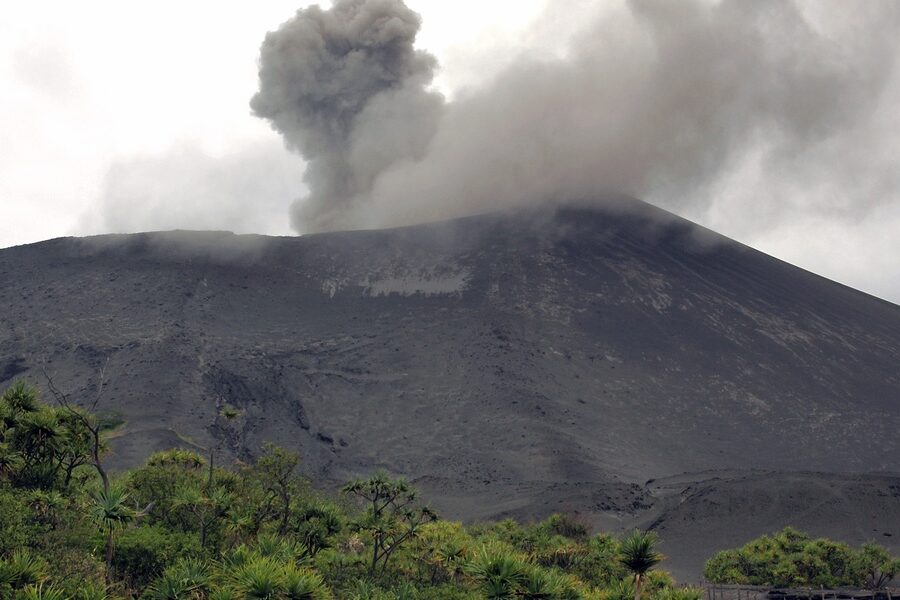
Hawaii’s islands are the product of ongoing volcanic activity, where lava flows and eruptions have built mountains and reshaped coastlines over time. That geological story affects everything from ecosystems to where people live and visit.
There are 6 Active volcanoes in Hawaii, ranging from Haleakala to Mauna Loa. For each, you’ll find below the data organized as Island or location,Last eruption (year),Activity status.
How is a Hawaiian volcano classified as active?
A volcano is generally considered active if it has erupted in the Holocene (roughly the last 10,000 years) or shows recent signs of unrest like earthquakes, ground deformation, or gas emissions; in Hawaii this determination relies on historical records and continuous monitoring by agencies such as the USGS Hawaiian Volcano Observatory.
Can I safely visit these volcanoes and where do I check current risks?
Many sites have designated viewing areas and trails, but conditions can change quickly during eruptions or high gas output; always check the National Park Service and USGS/HVO for real-time alerts, closures, and safety guidance before planning a visit.
Active Volcanoes in Hawaii
| Name | Island or location | Last eruption (year) | Activity status |
|---|---|---|---|
| Kilauea | Hawaii Island | ongoing | erupting |
| Mauna Loa | Hawaii Island | 2,022 | recent eruption |
| Hualalai | Hawaii Island | 1,801 | Holocene active |
| Mauna Kea | Hawaii Island | c. 2,500 BCE | Holocene active (dormant) |
| Haleakala | Maui | c. 1,600 | Holocene active |
| Kamaʻehuakanaloa (Lōʻihi) | Submarine southeast of Hawaii Island | unknown | submarine active |
Images and Descriptions
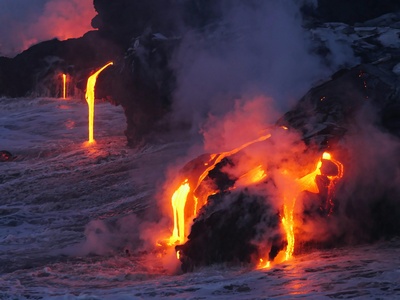
Kilauea
Highly active shield volcano on the Big Island; frequent flank and summit eruptions, lava flows, ash and gas hazards. Popular viewing at Hawaiʻi Volcanoes National Park when safe; closures and volcanic gas, lava explosions, and unstable terrain make following HVO guidance essential.
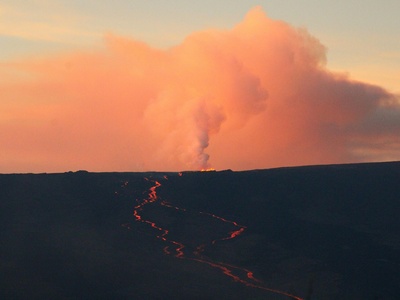
Mauna Loa
World’s largest active shield volcano on the Big Island; last erupted in 2,022 producing lava flows and air-quality hazards. Summit and flank eruptions can threaten rural communities and highways. Viewing from safe overlooks is possible; follow HVO alerts and park closures.

Hualalai
Basaltic shield northwest of Kona with last known eruption around 1,801; considered potentially hazardous due to proximity to populated areas. Little recent activity but seismic swarms possible. Visible from Kailua-Kona; no direct access within private lands—respect restrictions and heed civil defense warnings.
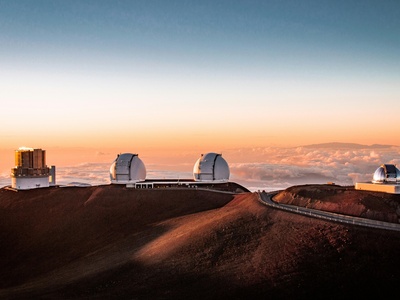
Mauna Kea
High-elevation shield volcano with glacially sculpted summit; last erupted in the late Holocene (c. 2,500 BCE). Low eruption frequency but potential explosive/ash hazards at summit. Popular stargazing and summit access require altitude precautions and respect for cultural sites.
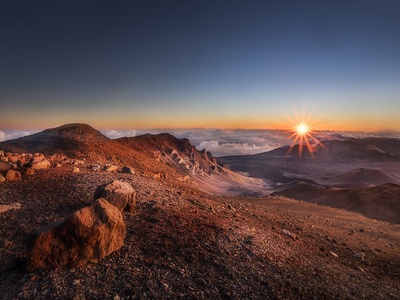
Haleakala
Large shield volcano forming East Maui with last eruptions in the late Holocene (c. 1,600). Produces lava flows and volcanic ash; summit area is a national park with safe viewing from established trails. High altitude, cold temperatures, and fragile landscapes require preparation.
Kamaʻehuakanaloa (Lōʻihi)
Seamount forming southeast of the Big Island—Hawaii’s youngest volcano. Not yet breached sea level; shows persistent hydrothermal vents, seismicity, and occasional small eruptions. Not accessible to visitors; monitored for growth and potential hazards including tsunami risk from large collapse.